I’ll never forget the night my kitchen lights flickered like a scene from a low-budget horror movie just because I plugged in my new EV. I stood in my garage, staring at an old 100-amp panel that was practically sweating under the load, and all I could think about was the $4,000 estimate I’d just tucked into my kitchen drawer. I was convinced that going green was going to send me into the red. But then, I stumbled upon a secret that most homeowners miss: your utility company might actually want to pay for your upgrade.
Why Your Utility Provider is Hiding the Checkbook
It sounds too good to be true, doesn’t it? I thought so too. My first mistake was calling three different electricians before I even looked at my monthly bill. I was ready to sign away my entire tax refund for a panel upgrade for my EV charger, assuming the cost was 100% my responsibility. I didn’t know that utility companies often subsidize these upgrades to meet state-mandated electrification goals. These companies have ‘make-ready’ programs designed to beef up the grid right at your doorstep. If your current service is ancient, they often have a vested interest in bringing it up to modern standards to prevent larger grid failures. Have you ever felt like you were being overcharged for a basic necessity? You aren’t alone, and that’s exactly why these programs exist.
Is this actually a realistic goal for a normal homeowner?
You might think this only applies to people living in experimental ‘green’ communities, but that’s a total myth. I almost walked away from a $2,000 rebate because I thought my house was ‘too old’ for the program. The reality is that the older your home, the more likely you are to qualify for infrastructure assistance. Before you stress about whether your utility meter can handle the extra load, you need to realize that the U.S. Department of Energy reports that federal and state-administered programs are pumping billions into home wiring upgrades. I wasted weeks trying to figure out how to squeeze a level 2 charger onto a tiny service when I could have just had the utility help me grow the whole system for free or at a massive discount. Today, I’m going to show you how to navigate their clunky websites and find the ‘Infrastructure Improvement’ clauses that put money back in your pocket. We’ll also touch on how to stack these benefits with claiming the federal tax credit for your home installation. It’s time to stop paying for things the power company is often legally obligated to help you with.
Dig Through the Digital Attic for Hidden Credits
Finding these programs isn’t as simple as clicking a ‘Free Money’ button on the homepage. I spent a rainy Tuesday afternoon digging through my utility’s ‘Residential Services’ tab, only to find the real gold buried in a 40-page PDF titled ‘Grid Modernization Incentives.’ You aren’t just looking for generic rebates; you’re hunting for ‘line-side’ or ‘infrastructure’ improvements. Sometimes, the reason why your electric utility might give you a free smart charger or a panel subsidy is hidden in their long-term plan to balance local demand. I remember a neighbor who was quoted three grand for a new service drop, not realizing the utility was legally obligated to beef up the transformer and lines for any high-demand load at no cost to the resident. 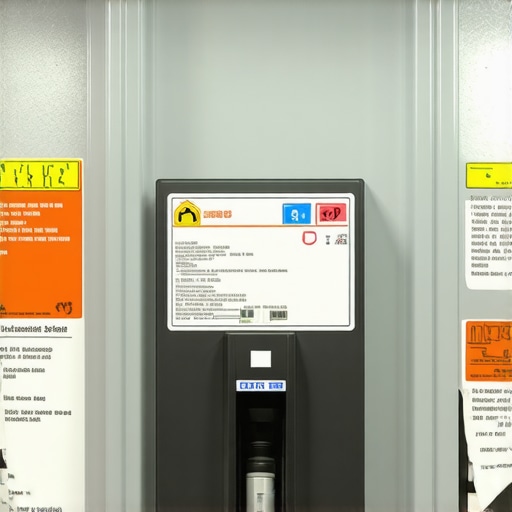
Why Your Permit Needs a Real Load Calculation
Most homeowners think a permit is just a bureaucratic tax, but it’s actually your final defense against a potential house fire. Before the inspector even pulls into your driveway, you need a document that proves your home can handle the juice. I’ve seen plenty of DIYers have their ev permit application requires a load calculation worksheet sent back with a big red ‘DENIED’ stamp because they guessed their capacity. If you’re trying to figure out how to squeeze a level 2 charger onto a 60-amp service, that worksheet is the only math that matters. Think of your panel like a garden hose; you can’t hook up a fire hydrant to it and expect things to go well without widening the pipe first.
Demand Compliance Without the Headache
Once you secure the funding, the focus shifts to execution. This means ensuring code compliance when installing ev chargers is your top priority. I once made the mistake of letting a ‘buddy’ install a non-rated breaker to save fifty bucks. The inspector caught it in thirty seconds, and I ended up paying double in fees and replacement parts. It’s also the perfect time to address modern safety requirements that older homes lack. For example, understanding why your main service panel needs a surge protector for your ev can save you from a catastrophic loss during a lightning storm. These devices act like a bouncer at a club entrance, keeping violent power spikes away from your car’s expensive onboard computer.
Verify Everything Before the Final Signature
Never take a contractor’s word at face value. You must know how to verify code compliance for your ev charger installation to protect your investment. Walk over to the panel and look for the inspection sticker, check the wire gauges, and make sure the labels are clear. During my own installation, I noticed the electrician hadn’t fully tightened the main lugs. Had I not checked, that ‘slight’ vibration from the 50-amp draw could have turned into a localized fire within months. Being an informed homeowner isn’t just about saving money; it’s about making sure your house is still standing when your car is finally fully charged.The biggest lie I was told early on was that I needed the fastest charger possible to justify the cost of the electrical work. I was obsessed with getting an 80-amp circuit, thinking that anything less was settling for second best. In reality, chasing max amperage is a rookie mistake that can double your costs without saving you a minute of actual driving time. Most homeowners don’t realize that upgrading your panel for better ev charging performance is more about sustained thermal management than raw power. If you are charging overnight, a 50-amp circuit is usually the sweet spot. I learned the hard way that why your electrician recommends a 60-amp circuit for a 48-amp charger boils down to the ‘80% rule’—electrical codes require that a continuous load like an EV only pull 80% of the breaker’s rated capacity. Ignoring this nuance is the fastest way to melt a terminal block.
What happens if you double up on GFCI protection?
This is the ‘oops’ factor that drives people crazy. Modern EV chargers often have internal Ground Fault Circuit Interrupter (GFCI) protection built right into the unit. However, many local codes now require a GFCI breaker in the main panel for any garage receptacle. When you have two GFCI ‘brains’ on the same line, they can get into a digital argument, leading to ‘nuisance tripping’ where the charger shuts off for no reason in the middle of the night. This is a classic case of why the gfci in your panel keeps nuisance tripping your charger. According to the National Fire Protection Association (NFPA), proper coordination between the device and the breaker is the only way to ensure both safety and reliability. I’ve seen homeowners swap out three different chargers thinking they were defective, only to realize the issue was a conflicting $100 breaker. 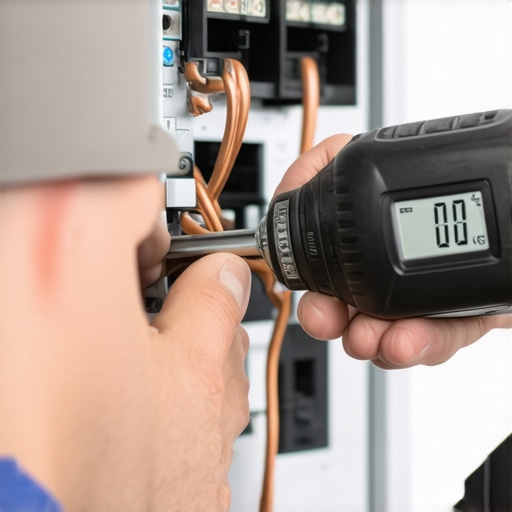 Another trap is assuming every breaker brand is created equal. In my experience, there are the specific breaker brands that hate constant ev loads, often found in discount big-box stores, which tend to run much hotter than industrial-grade alternatives. If your breaker feels hot to the touch—not just warm, but ‘I can’t leave my finger on it’ hot—you are looking at a failure waiting to happen. This leads directly into the most overlooked part of troubleshooting ev chargers common compliance pitfalls and fixes: the torque setting. Most DIYers and even some hurried pros just tighten the screws ‘until they feel snug.’ But code actually requires a calibrated torque wrench. Understanding why your charger needs a specific torque setting to pass inspection is critical; too loose and you get arcing, too tight and you strip the threads and create a hot spot. Have you ever fallen into this trap or noticed your charger cutting out unexpectedly? Let me know in the comments.Once you’ve survived the initial installation, the real work of homeownership begins: making sure it stays safe. I’ve seen setups that looked perfect on day one become fire hazards by day 365 because the owner ignored the ‘silent creep’ of high-amperage electricity.
Why a Cheap Thermal Camera is Better than a Multimeter
You don’t need to be a professional electrician to monitor your system, but you do need the right eyes. I personally use a small thermal imaging attachment for my smartphone. Why? Because electricity generates heat before it generates smoke. After a year of heavy charging, you’d be surprised at why your main lugs might be loose after a year of charging. Every six months, I plug my car in, let it draw full power for an hour, and then point that thermal camera at the breaker and the charger’s wall plug. If I see a bright white ‘hot spot’ compared to the rest of the panel, I know a connection has loosened due to thermal expansion. According to technical guides from the Copper Development Association, this thermal cycling is the primary reason connections fail in high-load residential circuits. 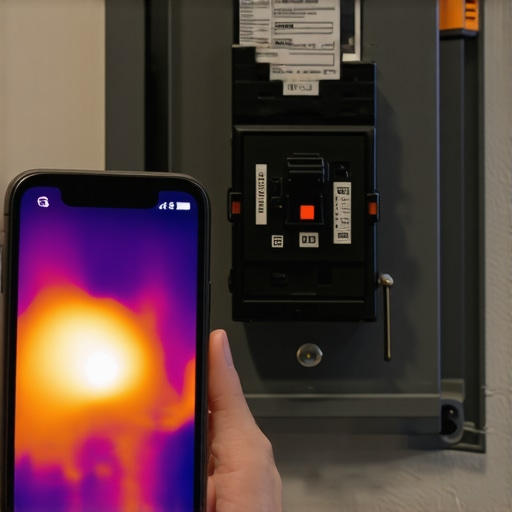
How do I keep my charging setup healthy over time?
Maintenance isn’t just about the wires; it’s about the physical wear and tear. I make it a habit to check the handle for ‘burn’ marks. If you notice discoloration, you need to know why your ev plug contacts look burnt and what to do next. I also keep a small kit of the essential spare parts to keep for your home charging unit, including a spare holster and some dielectric grease to prevent moisture from causing corrosion inside your outdoor charging pedestal.
The Future is Smart and Shared
Looking ahead, I predict we are moving away from the ‘one car, one circuit’ model. As more families become two-EV households, the grid simply won’t support two 60-amp chargers running at once in every garage. We are going to see a massive shift toward how smart chargers use dynamic balancing to prevent blown fuses. This technology allows two cars to ‘talk’ and split the available power, meaning why your garage needs a subpanel for that second ev is becoming the standard advice for anyone planning a long-term home. Instead of paying for a whole new service upgrade, you’ll just install a smart subpanel that manages the load for you. My challenge to you: Don’t wait for a failure to happen. Go to your garage tonight while your car is charging and do a ‘hand test’ on the cable and the area around the breaker. If anything feels hot enough to make you pull your hand away, stop the charge and call a pro—it’s the easiest way to prevent a disaster before it starts.
The Brutal Truths I Learned While Redoing My Service
After three years of living with a high-draw setup, I’ve realized that the ‘set it and forget it’ mentality is a recipe for a melted terminal block. First, never assume your local utility is your enemy; they are often your biggest financier if you know which ‘make-ready’ forms to sign. Second, I wasted way too much money on a high-amperage circuit that my car couldn’t even use. It’s far better to focus on sustained safety than raw speed. Third, the math on your how to calculate the exact circuit load for a dual head charger worksheet is the most important document in your house—treat it like a birth certificate. Finally, don’t ignore the difference in hardware quality; the real difference between hardwired and plug in charging stations usually boils down to one less point of failure in the heat-cycle chain.
My Hand-Picked Kit for a Bulletproof Garage
I don’t recommend products unless they’ve saved my skin during a midnight charging fail. For starters, get a compact thermal imaging camera; it’s the only way to see ‘invisible’ heat before it becomes a fire. #IMAGE_PLACEHOLDER_E# I also swear by a certified torque wrench because ‘hand-tight’ is just another word for ‘arcing hazard’ in the world of 50-amp loads. For the paperwork side, keep a digital folder with your local building department’s EV guidelines and your utility’s rebate schedule. Lastly, always use the right way to label your electrical panel for ev circuits so that five years from now, you aren’t playing guessing games with the breakers.
Take Charge of Your Home’s Power Narrative
Upgrading your electrical system is about more than just fueling a car; it’s about modernizing your sanctuary. Whether you are using the permit saving trick for older homes with fuse boxes or performing a full service overhaul, you are building a foundation for the next twenty years of technology. When you take the time to how to prove your electrical panel is code compliant for resale, you aren’t just following rules—you’re protecting your family and your investment. Don’t let technical jargon intimidate you. You have the tools, the logic, and now the insider secrets to handle any troubleshooting, panel upgrade, code compliance, or EV charger hurdles that come your way.
Have you ever had a surprise discovery while looking at your electrical panel, or did you find a rebate your neighbors didn’t know about? Let me know in the comments below!