I’ll never forget the faint, acrid scent of ozone and heated plastic that greeted me one Tuesday evening as I walked past my main electrical panel. I’d been charging my car at a full 48 amps for about fourteen months, feeling like a genius for saving so much on gas. But that smell? That was the scent of a loose connection literally cooking itself. When I finally pulled the cover off, one of the main lugs was so loose I could have turned it with my pinky finger. It was a terrifying realization that my high-tech car was slowly vibrated my house’s electrical heart into a hazard. If you’ve noticed your breaker gets hot to the touch or you’ve caught a whiff of something ‘off’ in the garage, you aren’t imagining things.
The Thermal Rollercoaster Your Panel Rides Every Night
The culprit behind this isn’t a ghost in the machine; it’s basic physics called thermal cycling. When you pull a massive amount of current to juice up your EV, the copper or aluminum wires in your panel heat up and expand. When the charging stops, they cool down and shrink. After a year of this daily expansion and contraction, even the tightest screws can start to back out. I learned the hard way that ‘hand-tight’ just doesn’t cut it for continuous loads. If you didn’t see your installer use a calibrated torque wrench, there’s a high probability those lugs are sitting at the wrong tension right now. This is one of those expert tips for common issues that often gets overlooked by DIYers and even some pros who are used to standard household loads, not the marathon-runner demand of an EV.
Is this actually a fire hazard or just minor maintenance?
It is a significant safety risk. A loose lug creates resistance, and resistance creates heat—enough heat to melt the insulation off your wires or even start a fire inside the cabinet. Early on, I made the mistake of thinking my panel upgrade was a ‘set it and forget it’ project. It’s not. According to the Electrical Safety Foundation International (ESFI), nearly 51,000 home fires each year are caused by electrical malfunctions, many involving arc faults from loose connections. You might even find that the reason your ev charger smells like burnt plastic has nothing to do with the charger itself and everything to do with the main lugs in your panel. Have you ever actually checked the torque on your main service wires since your charger was installed? Most people haven’t, and that’s exactly what we’re going to fix today by walking through the signs of trouble and the tools you need to stay safe.
Kill the Main Power Before Touching Anything
Safety isn’t just a suggestion; it’s the barrier between a successful fix and a trip to the ER. You must flip the main service disconnect. Don’t just turn off the EV breaker. Think of your panel like a high-speed engine; you wouldn’t try to tighten a spark plug while the pistons are firing. Even with the main off, remember that the lugs on the top of the main breaker are still ‘hot’ with utility power. I once watched a neighbor try to ‘quick-check’ a connection with a standard screwdriver while the panel was live. A single slip caused a shower of sparks that etched his glasses. If you aren’t comfortable with this, find an electrician who actually understands EV codes to do the heavy lifting.
Your Wrist is Not a Calibrated Measuring Tool
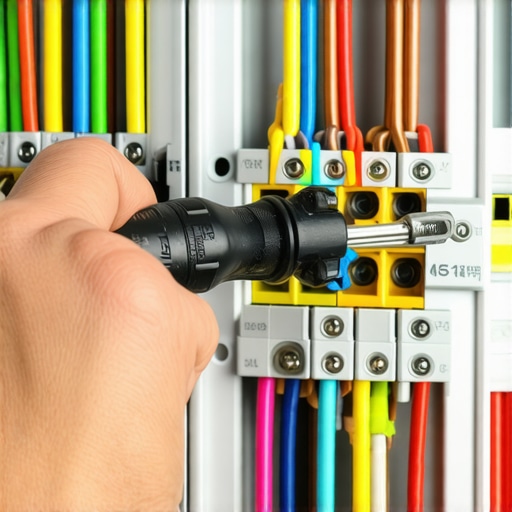
The most common mistake is tightening lugs until they ‘feel right.’ In the world of high-amperage continuous loads, ‘feel’ is how fires start. You need a calibrated torque wrench. Every panel manufacturer—whether it’s Square D, Eaton, or Siemens—prints specific torque settings (usually in inch-pounds) on the inside of the cabinet door or on the side of the breakers. EV charging is a marathon, not a sprint. If you’re running the exact wire gauge you need for a 50 amp EV circuit, that wire is going to expand significantly. If it’s too loose, you get arcing. If it’s too tight, you crush the wire strands, reducing their ability to carry current and creating a different kind of heat trap.
Look for Discoloration and Brittle Insulation
While you have the cover off, play detective. Look at the insulation where the wire enters the lug. Is it slightly browned? Does the copper look rainbow-colored or dull and pitted? These are ‘heat signatures’ that tell you a connection has already been failing. I remember working on a 200-amp service where the homeowner complained that the breaker gets hot to the touch only after three hours of charging. Upon inspection, the aluminum feeder wire had oxidized so badly because the installer skipped the anti-oxidant paste. It looked like white crusty salt. We had to cut back the wire to clean metal, apply the proper compound, and re-torque everything to save the panel from a total meltdown.
The Proper Way to Re-Torque a Connection
Don’t just crank the wrench down. The pro move is to slightly back the lug off (just a fraction of a turn) and then smoothy tighten it until the torque wrench clicks at the specified value. This breaks any ‘stiction’ or minor oxidation that might give you a false torque reading. This is a core part of expert tips for common issues because it ensures the metal-to-metal contact is fresh. While you’re in there, verify that the installer actually used the right materials; for instance, you should verify your electrician actually used copper wire for the install if that was what the permit called for. Mixing metals without the right hardware is a recipe for the exact thermal cycling issues we’re trying to prevent. Once everything is torqued, I usually mark the lug and the screw with a ‘torque seal’ pen—a simple dab of paint that cracks if the screw ever vibrates loose again. It’s a visual flight-check for your home’s safety.
Most homeowners believe that once a 50-amp breaker is snapped into the panel, the job is done. However, there is a massive misconception about ‘capacity’ versus ‘endurance.’ In my years of troubleshooting, I’ve found that the biggest myth is the idea that a circuit breaker can handle its rated amperage indefinitely. It can’t. Under the National Electrical Code (NEC), EV charging is classified as a ‘continuous load,’ meaning it runs for three hours or more at a time. This requires an automatic 125% safety buffer. If you try to pull 50 amps through a 50-amp breaker, you aren’t being efficient; you’re creating a ticking time bomb of heat. This is exactly the real reason your circuit breaker trips at 90 percent charge—it’s literally designed to shut down before it melts the busbar.
The Cheap Outlet Trap That No One Talks About
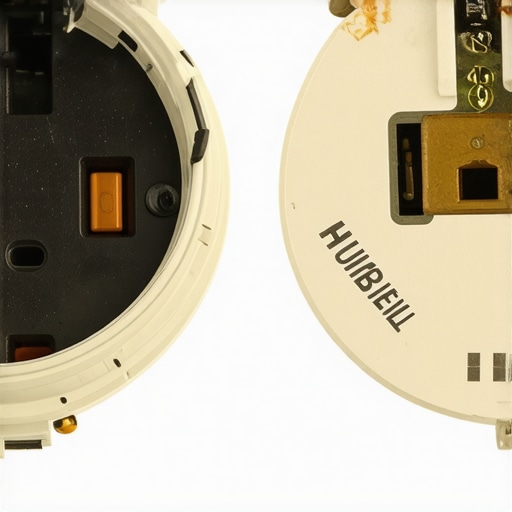
Here is the ‘oops’ factor that catches even the most diligent DIYers: the $15 NEMA 14-50 outlet from a local hardware store. Those outlets were designed for clothes dryers, which run for 45 minutes and then stop. An EV charger is a different beast entirely. When you plug a high-draw vehicle into a residential-grade outlet, the internal tension clips start to fatigue under the constant thermal expansion. Eventually, they lose their grip on the plug prongs, creating air gaps that lead to arcing. I always tell my clients that if they aren’t hardwiring the unit, they must pick a NEMA 14-50 outlet that won’t melt under pressure, specifically an industrial-grade model from brands like Hubbell or Bryant. It costs five times more, but it’s the difference between a cool garage and a charred wall.
Can You Charge Safely Without a Full Service Upgrade?
A sophisticated question I often get is whether a 100-amp service can actually support a modern EV alongside an electric range and AC. The short answer is yes, but only if you stop thinking about ‘static’ power. The ‘hidden nuance’ here is dynamic load management. Instead of spending $4,000 on a new utility service, you can use load shedding devices to avoid a full service upgrade. These systems ‘read’ your home’s total draw and temporarily throttle the car’s charging speed when the oven or dryer kicks in. This is a game-changer for older homes where your ev permit application requires a load calculation worksheet that might otherwise fail. According to a study by the Electric Power Research Institute (EPRI), managed charging can reduce the need for grid and home-side upgrades by up to 60%, yet most contractors will just try to sell you a new panel because it’s a more straightforward (and expensive) job.
The Math That Keeps Your Garage From Smoking
If you want to move into the ‘expert’ tier of home maintenance, you need to understand the relationship between your breaker and your charger’s settings. This is where most people get the math wrong. If you want to charge at a full 48 amps, you cannot use a 50-amp breaker. You need a 60-amp circuit. This is why your electrician recommends a 60 amp circuit for a 48 amp charger. That 20% ‘headroom’ isn’t just a suggestion; it’s a code requirement to prevent the thermal runaway I mentioned earlier. I’ve seen countless ‘pro’ installs where the installer set the dip switches on the charger to 50 amps on a 50-amp breaker, which is a guaranteed way to fry the internal motherboard over a long summer. Have you ever fallen into this trap or noticed your breaker humming during a midnight charge? Let me know in the comments—I’ve seen it all, and usually, it’s a simple settings fix that saves the day.
Stop Guessing and Start Seeing Heat
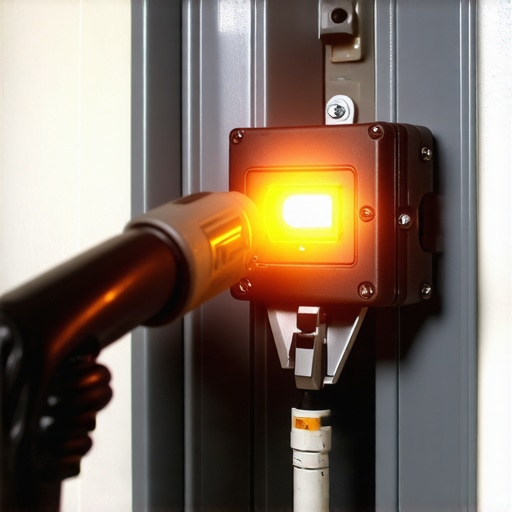
If you really want to move beyond the DIY level and protect your investment, you need to stop relying on your sense of smell and start using thermal imaging. I started carrying a FLIR thermal camera in my toolkit a few years ago, and it changed everything. When your car is pulling 48 amps, a loose connection will glow like a lightbulb on an infrared screen long before it starts to smoke. This isn’t just me being a tech geek; the NFPA 70B Standard for Electrical Equipment Maintenance explicitly recommends infrared thermography for detecting thermal anomalies in electrical systems before they lead to catastrophic failure. Using a thermal camera is one of the best ev-charger-troubleshooting expert tips for common issues because it allows you to see the heat profile of your lugs under load. If you see one breaker significantly hotter than the others, you’ve found your bottleneck before it becomes a fire.
How do I maintain my charging gear over time?
Maintenance isn’t a one-and-done event; it’s a seasonal rhythm. Every six months, I recommend doing a visual ‘walk-through.’ Check the charging handle for any signs of pitting or charcoal-colored marks on the pins. If the handle feels loose when you plug it in, the internal tension springs are failing. You should also verify the health of your surge protection. I’ve seen entire charging motherboards fried by a simple utility spike, which is why I always suggest looking for the 3 signs you need a whole-house surge protector for your ev. Additionally, keep a small kit of the essential spare parts to keep for your home charging unit, such as a replacement holster or a spare industrial-grade outlet if you aren’t hardwired. This proactive approach is the only way to avoid being stranded with a dead battery on a Monday morning.
Get Ready for the Bidirectional Revolution
The trend in home energy is moving rapidly toward bidirectional charging, or Vehicle-to-Home (V2H) technology. Soon, your car won’t just be a consumer of power; it will be a backup battery for your entire house during a blackout. However, this puts even more stress on your infrastructure because the power will be flowing both ways for even longer durations. If your current setup is barely scraping by, you should prioritize upgrading your panel for better ev charging performance now. Future-proofing means ensuring your grounding and bonding are perfect today, as bidirectional inverters are incredibly sensitive to electrical noise. Following ensuring code compliance when installing ev chargers is no longer just about passing an inspection; it’s about making sure your home can handle the 24/7 energy cycle of the next decade. Grab a torque wrench this weekend and check those lugs—it’s the single most effective thing you can do to keep your garage safe.
The Hardest Lessons from My Years Under the Panel Cover
The ‘set it and forget it’ mentality is the single biggest threat to your garage’s safety. After seeing dozens of scorched busbars, I’ve realized that a loose connection behaves like a slow-burning fuse—it might take eighteen months to fail, but it will fail. Another major realization was that how to verify code compliance for your ev charger installation is often a matter of asking your electrician for their torque log. Finally, never ignore a flickering light in the hallway while the car is plugged in; it’s almost always a sign of a loose neutral lug in your main panel.
The Gear I Actually Use to Sleep Better at Night
If you are serious about DIY safety, you need a Precision Instruments split-beam torque wrench; it’s more reliable for repetitive tasks than a standard click-type. I also swear by the FLIR ONE thermal camera for your smartphone to catch hot spots before they smell. For those who want to dive deep into the rules, the NFPA 70: National Electrical Code Handbook is the ultimate guide to code compliance essentials for ev charger installations in 2025. These aren’t just gadgets; they are the baseline for professional-grade troubleshooting ev chargers common compliance pitfalls and fixes.
#IMAGE_PLACEHOLDER_E#
Take Control of Your Home’s Power
Electricity doesn’t have to be a mystery. By taking a proactive approach to your home’s electrical health, you’re not just protecting your car—you’re protecting your family. Whether you’re considering upgrading your panel for better ev charging performance or just tightening a few lugs, every step toward safety matters. Your EV charger is a high-performance tool, so treat your panel with the same respect. Have you ever checked the torque on your main breakers, or did you leave it all up to the installer?