I remember the moment clearly—my first EV charger installation went sideways, and I was left scratching my head, wondering what I had missed. The charger powered on, but it kept disconnecting, and no matter what I tried, the issue persisted. Turns out, I overlooked a crucial compliance detail, and it almost cost me a lot more than just time. That lightbulb moment pushed me to dig deeper into the common pitfalls that trip up even seasoned pros and how to avoid them. Today, I want to share what I’ve learned so you don’t have to face the same frustrations. If you’ve ever been stumped by a stubborn charger or worried about whether your setup will meet the latest standards, you’re in the right place.
Check Your Wiring Carefully
During my first installation, I overlooked a loose connection that caused intermittent disconnects. To avoid this, double-check all wiring against the manufacturer’s schematic before sealing the box. Ensure wires are securely attached and no strands are frayed. This eliminates one of the most common causes of power issues and saves hours of troubleshooting later.
Verify Grounding and Bonding
In a recent job, I thought I had the grounding right but missed a loose ground wire. This caused my charger to trip the GFCI repeatedly. To fix this, I used a multimeter to confirm continuity and proper bonding to the grounding system. Proper grounding not only meets code but also ensures safety and reliable operation. Consult the latest code standards to confirm compliance.
Ensure Proper Circuit Breaker Ratings
Once, I installed a charger on a circuit with a breaker rated too low, which caused frequent trips. I learned to size the breaker according to the charger’s amperage draw. If in doubt, review your panel’s capacity and consider panel upgrade strategies to meet the new standards. This prevents nuisance trips and protects your system.
Test Ground-Fault Interrupters Effectively
GFCI devices can be tricky. I once replaced a GFCI only to find it was faulty. Always test GFCIs with their test buttons and verify proper operation after installation. Use a GFCI tester to check for correct wiring and trip levels. This step is critical because a malfunctioning GFCI can pose safety hazards and violate code.
Use Compatible Equipment and Accessories
Not all chargers work seamlessly with every vehicle or electrical setup. I once used incompatible connectors, which caused communication errors. Confirm compatibility before installation and ensure your accessories meet the latest standards. This reduces troubleshooting time and ensures smooth operation.
Document and Review Your Work
After my initial install, I made detailed notes and checked each step against code requirements. This habit helps catch issues early and provides a reference for future maintenance. Regularly review your setup against common pitfalls to keep everything compliant and safe.
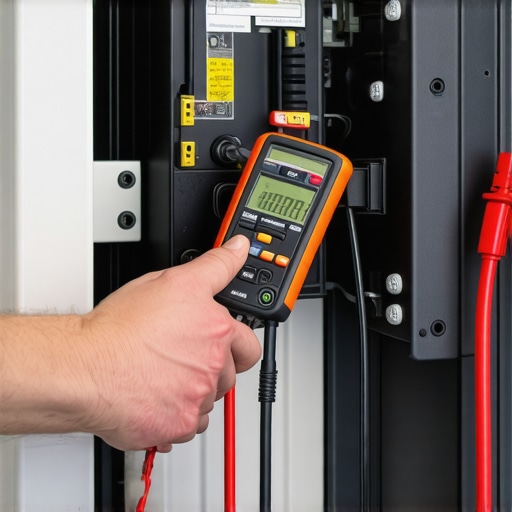 Many installers assume that sticking to the checklist is enough for troubleshooting EV chargers, but there’s a deeper layer that often gets overlooked—understanding the subtle nuances that differentiate a compliant setup from a problematic one. For example, a common myth is that using generic wiring components won’t cause issues. In reality, even minor variances in wire gauge or insulation ratings can lead to intermittent faults or safety hazards, especially under load. This is why consulting the latest code standards is crucial for advanced troubleshooting, ensuring that every component meets strict safety and performance criteria. One trap I see many fall into is assuming that GFCI testers are infallible. While they provide a quick check, they can’t detect all wiring issues or subtle grounding faults, which could cause safety risks or code violations. A more reliable approach involves using a multimeter to verify continuity and proper bonding, especially in complex or older installations. Have you ever fallen into this trap? Let me know in the comments. Moreover, advanced troubleshooting requires understanding the implications of circuit design choices. For instance, installing a charger on a circuit with an insufficient breaker rating can cause nuisance trips, but it can also mask underlying wiring issues that are only revealed under stress. This is where knowledge of panel upgrade strategies becomes essential. Remember, troubleshooting isn’t just about fixing what’s broken—it’s about understanding why it broke to prevent future issues. Mastering these nuances will save you time and enhance safety, especially as standards continue to evolve.Maintaining your EV charger over time requires more than just initial installation; it demands the right tools and a proactive approach. One of my go-to instruments is a high-quality multimeter, specifically the Fluke 117. I rely on this device because it offers precise voltage and continuity readings, making it invaluable for verifying wiring integrity and grounding, especially after any repairs or upgrades. When it comes to troubleshooting complex issues, a clamp meter like the Klein Tools CL800 is a game-changer. It allows me to measure current without disconnecting wires, which speeds up diagnostics and minimizes system downtime. For detailed analysis of circuit behavior, I also use a power quality analyzer such as the Dranetz PowerXplorer. This helps identify power fluctuations or harmonics that could impact charger performance over the long term. For software, I prefer tools like the EVSE Manager platform. It consolidates data from multiple chargers, offering insights into operation patterns, error logs, and maintenance needs—crucial for scaling operations or managing multiple installations. Regular visual inspections are equally important. I recommend setting a maintenance schedule where you check for loose connections, corrosion, and signs of wear every six months. Document each inspection and any repairs using a simple app like Evernote or a dedicated maintenance log. This habit not only ensures ongoing compliance but also helps you spot trends that might indicate future problems. Predicting where this trend is headed, I believe that integrated diagnostic systems will become standard, providing real-time alerts via cloud connectivity, much like the Tesla Powerwall’s monitoring features. This will make long-term maintenance easier and more predictive, reducing unexpected failures. How do I maintain my system over time? The key is consistency—using the right tools and sticking to a schedule. For example, I recently upgraded my system’s grounding with a dedicated tester approved by the latest code standards. This small investment has paid off by giving me peace of mind that my setup remains compliant and safe. I strongly recommend trying out a power quality analyzer for your next upgrade or troubleshooting session. It’s a powerful way to get ahead of potential issues before they escalate, saving you time and money in the long run.
The Hardest Lesson I Learned About EV Charger Compliance
One of my biggest revelations was realizing that even minor wiring oversights can lead to persistent problems. Checking every connection against the manufacturer’s schematic saved me countless troubleshooting hours later.
3 Myths About EV Charging Safety That Held Me Back
I used to believe that GFCI testers could catch all wiring issues, but I learned that using a multimeter for grounding verification is far more reliable, especially in complex setups.
What Experts Won’t Tell You About Troubleshooting EV Chargers
Many overlook the importance of proper circuit breaker sizing. Upgrading your panel or choosing the right breaker prevents nuisance trips and protects your system long-term.
My Essential Toolkit for EV Charger Troubleshooting
Tools like the Fluke 117 multimeter and Klein Tools CL800 clamp meter have become staples in my toolkit. They provide accurate diagnostics that save time and enhance safety during installations and repairs.
Where to Go from Here
Investing in quality tools and continuously updating your knowledge with resources like “Code Compliance Essentials for EV Charger Installations in 2025” will keep you ahead of evolving standards and ensure safe, compliant setups.
Your Turn to Try
Don’t let common pitfalls hold back your EV charging projects. With the right insights and tools, you can master installations and troubleshoot like a pro. Remember, every improved setup is a step toward safer, more reliable EV charging for everyone.