I remember the first time I tried installing an EV charger in my garage, thinking I could handle it myself. I was proud, confident even. But then, I hit a wall: code violations, permits, and inspections that seemed to change overnight. It was frustrating, and honestly, a little overwhelming. That lightbulb moment hit me hard—this isn’t just about plugging in a charger; it’s about understanding the rules that keep us safe and compliant. Today, we’re diving into the essentials of code compliance for EV charger installations in 2025, so you don’t have to learn the hard way like I did. If you’ve ever faced the anxiety of wondering whether your setup will pass inspection, stick around. I’ll share what you need to know to stay ahead of the curve and ensure your installation is both safe and compliant.
Assess Your Existing Electrical System
Start by inspecting your current electrical panel and wiring. I once tried installing a charger in my old garage without checking this. The breaker was too small, which caused frequent trips. I learned that understanding your electrical system is like checking the foundation before building a house—crucial for stability. If your panel is outdated, consider a panel upgrade to meet new standards. This step ensures your system can safely handle the additional load and prevents future violations.
Choose the Right Charger and Location
Picking the ideal spot is key. Think of it as choosing the best parking spot—convenience and safety matter. Ensure the charger is within reach of your vehicle and complies with local setback and clearance requirements. I once placed my charger too close to a water source, which was a violation. Confirm that the chosen location is grounded properly, and avoid areas prone to water or physical damage. Proper placement reduces the risk of code violations and ensures the charger operates efficiently.
Install According to Code Standards
Follow the detailed wiring methods specified in the code requirements document. Use appropriately rated conduit, wire gauges, and grounding conductors. I remember wiring my first charger and realizing I’d used the wrong gauge wire—causing a short circuit. This experience underscored the importance of strict adherence to code. Always double-check your wiring diagrams and consult local electrical codes. If unsure, hire a licensed electrician familiar with EV installations to avoid common pitfalls.
Secure Permits and Schedule Inspections
Before turning on the power, apply for necessary permits from your local authority. Think of permits as your official approval stamp—without them, your installation risks violations. I once skipped this step, and my inspector caught it during the final check, leading to delays. Submit detailed plans, including wiring diagrams and equipment specifications. Once approved, schedule inspections at each phase—rough-in and final. Passing these inspections is like getting a stamp of approval, confirming your installation complies with all safety standards.
Test and Troubleshoot Your Setup
After passing inspection, carefully test your charger. Turn on the power and verify functionality. If issues arise, consult troubleshooting guides like this resource for common fixes. I once experienced a tripping breaker after installation; troubleshooting revealed a grounding issue. Use a multimeter to check voltage and grounding connections. Proper testing ensures your setup is safe, compliant, and ready for daily use. Remember, addressing issues early avoids costly repairs or violations later on.
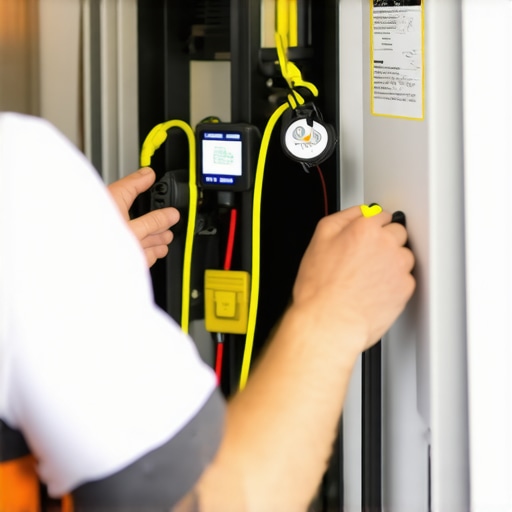 Many people believe that following basic wiring practices and obtaining permits is enough to ensure compliance, but in reality, there are nuanced pitfalls that even experienced DIYers often overlook. One widespread myth is that code compliance is solely about meeting the minimum legal requirements. In practice, it involves a complex understanding of evolving standards that adapt to new technology and safety concerns. For instance, local amendments or updates to the 2025 electrical code can introduce subtle changes in grounding or conduit requirements that an installer might miss if they rely solely on outdated information. This can result in costly rework or failed inspections. Additionally, some assume that a generic wiring setup will pass all inspections, but inspectors are looking for adherence to specific installation practices detailed in the code standards document. Overlooking details such as proper load calculations, correct conduit types, or adequate surge protection can be a trap. One advanced mistake I’ve seen is neglecting the importance of thorough documentation—many installers skip recording detailed wiring diagrams or permit approvals, which can complicate inspections and future troubleshooting. A common misconception is that once the charger is physically installed, the process is complete. However, the inspection phase is crucial for catching compliance issues early. Failing to prepare properly for inspection can lead to delays and additional costs. For those aiming for a seamless process, it’s worth investing time in understanding the finer points of local amendments and staying updated with industry standards. Remember, compliance isn’t just about avoiding violations; it’s about ensuring long-term safety and reliability. Have you ever fallen into this trap? Let me know in the comments.Once your EV charger is installed and inspected, maintaining its performance and compliance over time becomes crucial. One of my favorite tools for this purpose is the Fluke 1664 FC Precision Multimeter. I personally rely on it because of its robustness and ability to accurately measure voltage, current, and resistance in complex electrical environments, which helps me quickly identify wiring issues or grounding faults that could compromise safety or code compliance. Regularly using a multimeter ensures your system remains within safe operational parameters, preventing violations down the line. For more advanced troubleshooting, I consult resources like Troubleshooting EV Chargers: Common Compliance Pitfalls and Fixes, which provides detailed guidance on diagnosing persistent issues and ensuring ongoing compliance. Another indispensable tool is a thermal imaging camera. I use it periodically to scan for hot spots around connections and wiring, which can indicate loose connections, overloads, or impending failures—long before they cause system outages or violations. These proactive checks are vital for long-term reliability and safety. To keep your installation compliant as standards evolve, it’s a good idea to stay updated with industry standards and consider periodic professional inspections. In my experience, scheduling a yearly review with a licensed electrician familiar with current codes helps catch potential issues early. When it comes to software, I recommend using electrical code compliance apps that incorporate the latest amendments, especially since local regulations can differ. These apps often include checklists and diagrams aligned with standards like those detailed in Panel Upgrade Strategies to Meet EV Charging Code Requirements in 2025, making ongoing maintenance more straightforward. As the trend toward smarter, connected systems grows, integrating remote monitoring tools can also help you track your charger’s performance and alert you to issues before they become violations. Looking ahead, I predict that AI-powered diagnostic tools will become standard, offering real-time analysis and maintenance recommendations. For now, I encourage you to try one advanced tip—regularly perform thermal scans on your wiring and connections. This simple step can save you from costly repairs and ensure your system remains safe and compliant over time. Keeping your EV charging setup in top shape is an ongoing process, but with the right tools and proactive habits, you can enjoy reliable, code-compliant charging for years to come.I remember the first time I tried installing an EV charger in my garage, thinking I could handle it myself. I was proud, confident even. But then, I hit a wall: code violations, permits, and inspections that seemed to change overnight. It was frustrating, and honestly, a little overwhelming. That lightbulb moment hit me hard—this isn’t just about plugging in a charger; it’s about understanding the rules that keep us safe and compliant. Today, we’re diving into the essentials of code compliance for EV charger installations in 2025, so you don’t have to learn the hard way like I did. If you’ve ever faced the anxiety of wondering whether your setup will pass inspection, stick around. I’ll share what you need to know to stay ahead of the curve and ensure your installation is both safe and compliant.
Assess Your Existing Electrical System
Start by inspecting your current electrical panel and wiring. I once tried installing a charger in my old garage without checking this. The breaker was too small, which caused frequent trips. I learned that understanding your electrical system is like checking the foundation before building a house—crucial for stability. If your panel is outdated, consider a panel upgrade to meet new standards. This step ensures your system can safely handle the additional load and prevents future violations.
Choose the Right Charger and Location
Picking the ideal spot is key. Think of it as choosing the best parking spot—convenience and safety matter. Ensure the charger is within reach of your vehicle and complies with local setback and clearance requirements. I once placed my charger too close to a water source, which was a violation. Confirm that the chosen location is grounded properly, and avoid areas prone to water or physical damage. Proper placement reduces the risk of code violations and ensures the charger operates efficiently.
Install According to Code Standards
Follow the detailed wiring methods specified in the code requirements document. Use appropriately rated conduit, wire gauges, and grounding conductors. I remember wiring my first charger and realizing I’d used the wrong gauge wire—causing a short circuit. This experience underscored the importance of strict adherence to code. Always double-check your wiring diagrams and consult local electrical codes. If unsure, hire a licensed electrician familiar with EV installations to avoid common pitfalls.
Secure Permits and Schedule Inspections
Before turning on the power, apply for necessary permits from your local authority. Think of permits as your official approval stamp—without them, your installation risks violations. I once skipped this step, and my inspector caught it during the final check, leading to delays. Submit detailed plans, including wiring diagrams and equipment specifications. Once approved, schedule inspections at each phase—rough-in and final. Passing these inspections is like getting a stamp of approval, confirming your installation complies with all safety standards.
Test and Troubleshoot Your Setup
After passing inspection, carefully test your charger. Turn on the power and verify functionality. If issues arise, consult troubleshooting guides like this resource for common fixes. I once experienced a tripping breaker after installation; troubleshooting revealed a grounding issue. Use a multimeter to check voltage and grounding connections. Proper testing ensures your setup is safe, compliant, and ready for daily use. Remember, addressing issues early avoids costly repairs or violations later on.
Many people believe that following basic wiring practices and obtaining permits is enough to ensure compliance, but in reality, there are nuanced pitfalls that even experienced DIYers often overlook. One widespread myth is that code compliance is solely about meeting the minimum legal requirements. In practice, it involves a complex understanding of evolving standards that adapt to new technology and safety concerns. For instance, local amendments or updates to the 2025 electrical code can introduce subtle changes in grounding or conduit requirements that an installer might miss if they rely solely on outdated information. This can result in costly rework or failed inspections. Additionally, some assume that a generic wiring setup will pass all inspections, but inspectors are looking for adherence to specific installation practices detailed in the code standards document. Overlooking details such as proper load calculations, correct conduit types, or adequate surge protection can be a trap. One advanced mistake I’ve seen is neglecting the importance of thorough documentation—many installers skip recording detailed wiring diagrams or permit approvals, which can complicate inspections and future troubleshooting. A common misconception is that once the charger is physically installed, the process is complete. However, the inspection phase is crucial for catching compliance issues early. Failing to prepare properly for inspection can lead to delays and additional costs. For those aiming for a seamless process, it’s worth investing time in understanding the finer points of local amendments and staying updated with industry standards. Remember, compliance isn’t just about avoiding violations; it’s about ensuring long-term safety and reliability. Have you ever fallen into this trap? Let me know in the comments.
Your EV charger setup is a significant investment in your home’s future. The lessons I’ve learned about code compliance—like the importance of thorough documentation and staying updated with local amendments—are priceless. Implementing these insights can save you from costly rework and ensure your system remains safe for years to come. Keep learning, stay proactive, and don’t hesitate to consult professionals when needed. Your dedication to proper installation will pay off in safe, reliable charging for many miles ahead.