I remember the moment I realized my old electrical panel simply couldn’t handle the surge of an EV charger. It was late at night, a failed charging session left my car stranded, and I felt that sinking frustration. That lightbulb moment pushed me into serious research and planning. If you’re like me, you know that meeting the upcoming EV charging code requirements in 2025 isn’t just a recommendation—it’s a necessity. The good news? There are proven strategies to upgrade your panel efficiently and confidently. Today, I’ll show you how to navigate the maze of code compliance, avoid common pitfalls, and get your home ready for the EV revolution.
Why Upgrading Your Panel Is More Crucial Than Ever
As electric vehicles become more mainstream, local codes are tightening their grip. According to the National Electrical Code (NEC), new standards will require homes to support higher amperage circuits for EV charging, often demanding panel upgrades. Ignoring this now could mean costly delays or unsafe installations later. I’ve seen homeowners overlook this step, only to face expensive rewiring or worse, safety hazards. The key is understanding what’s needed and acting proactively. If you’ve ever felt overwhelmed by the technical jargon or worried about the cost and complexity, you’re not alone. But don’t worry—I’ve been through it myself, and I’ve learned the ropes.
Is a Panel Upgrade Actually Worth the Hype?
Early in my journey, I made a mistake that almost cost me time and money. I assumed I could just add a dedicated circuit without a full panel upgrade. Turns out, that’s a rookie move. Upgrading your panel isn’t just about meeting code; it’s about ensuring safety, future-proofing your home, and avoiding the hassle of multiple upgrades down the line. According to a recent study by the Department of Energy, properly upgraded panels can improve overall home electrical safety and efficiency, saving homeowners from costly repairs later. Are you worried that the process will be complicated or expensive? Believe me, I’ve been there. But with the right strategy, it’s manageable. That’s what I’ll help you with in the next sections—practical, step-by-step solutions to upgrade your electrical system with confidence.
Assess Your Current System and Set Clear Goals
Start by evaluating your existing electrical panel’s capacity. Turn off power and remove the panel cover to inspect the main breaker size and busbar capacity. I once found a 100-amp panel that was already maxed out with old circuits, making an upgrade seem daunting. To plan effectively, list all current loads including appliances and HVAC. Your goal is to support the new EV charger without overloading, which might mean a full panel replacement or a subpanel addition.
Choose the Right Upgrade Path
Full Panel Replacement
This is like replacing an old engine in a car to ensure it runs smoothly and safely. If your panel is outdated or undersized, swapping it out for a 200-amp panel provides ample headroom for current and future needs. I opted for this when my panel was physically cramped; it was messy but worth it for the long-term benefit.
Adding a Subpanel
Think of a subpanel as an extension cord for your home’s electrical system. It’s ideal if you want to keep existing circuits but add capacity for your EV charger. I did this in my garage, installing a 100-amp subpanel fed from the main, which simplified the upgrade process and minimized disruption.
Ensure Code Compliance Throughout
Consult the Code Compliance Essentials for EV Charger Installations in 2025 to understand specific requirements. Pay special attention to circuit breaker sizing, wire gauge, and grounding. When I installed my charger, I double-checked each step against these standards, catching small errors that could have led to code violations or safety risks.
Work with Licensed Professionals
Electrical work isn’t DIY territory for most homeowners. Hire a licensed electrician experienced in EV charger installations and upgrades. I found a pro through recommendations, and watching them work gave me peace of mind that everything met safety standards. They also handled permits and inspections, saving me headaches later.
Test and Troubleshoot the System
After installation, turn on the power and verify operation. Use a multimeter to check voltage and confirm proper grounding. During my test run, I discovered a loose connection which my electrician swiftly fixed. Regular testing ensures your system remains compliant and safe over time.
<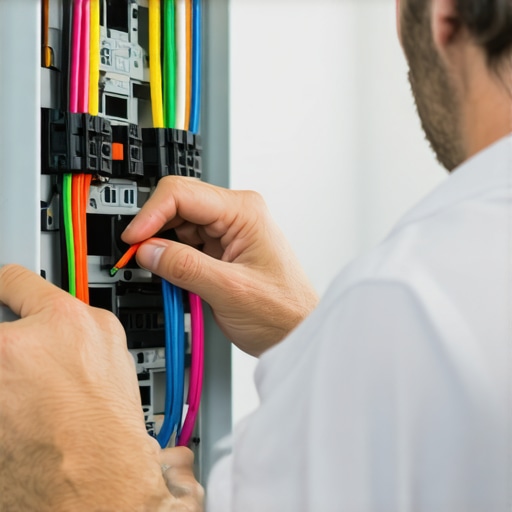 >Many homeowners believe that simply installing a larger breaker or adding a new circuit suffices for meeting 2025 EV charging code requirements, but this is a common misconception. The truth is, most failures stem from not understanding the nuanced wiring and grounding standards that are now mandatory, such as proper conductor sizing and surge protection. Overlooking these details can lead to costly rework or safety hazards, despite seemingly compliant upgrades. For example, a frequent mistake is assuming existing panels can handle increased loads without inspecting busbar capacity or panel age, which can cause overloads or fire risks. To avoid this, always review the full panel specifications and consult the comprehensive upgrade strategies. Additionally, many underestimate the importance of grounding and bonding, which are crucial for safety and code compliance. Proper grounding prevents electrical shocks and equipment damage, yet it’s often overlooked in DIY upgrades. Expert inspections are vital to identify hidden issues that could violate the latest standards. Also, don’t fall into the trap of thinking that a subpanel alone can bypass the need for a full upgrade; while subpanels are useful, they require proper integration with the main panel’s capacity and grounding. The advanced nuances include understanding the load calculations that incorporate future EV model charging capacities and potential home expansions, which many homeowners ignore. According to a study by the National Institute of Standards and Technology, failure to account for these factors can lead to overloading and safety compromises. Remember, a thorough assessment by a licensed electrician familiar with the latest code is your best safeguard against these pitfalls. Have you ever fallen into this trap? Let me know in the comments.Maintaining your upgraded electrical panel over the years requires more than just occasional inspections; it involves ongoing vigilance and the right tools. One of my go-to devices is a high-quality digital multimeter. I use it not only for basic voltage checks but also to verify proper grounding and to troubleshoot circuits that may develop issues over time. Regular testing with a multimeter helps catch problems early before they escalate into safety hazards or code violations, especially as standards evolve and become more stringent. Additionally, I recommend investing in a clamp meter. This tool is invaluable for measuring current without disconnecting circuits—perfect for ensuring your EV charger and other home loads are balanced and within safe limits. I’ve found that using a clamp meter during routine checks can prevent overloads and extend the lifespan of your system. When it comes to software, I rely on the latest electrical code update summaries and load calculation apps. These digital resources keep me informed about new requirements and help plan future expansions seamlessly, aligning with trends predicted in the latest upgrade strategies. As the industry shifts towards smart home integration, I see a future where remote monitoring tools will become standard, allowing homeowners to receive real-time alerts about electrical issues. This proactive approach ensures your system remains compliant and safe without constant manual checks. How do I maintain my electrical system over time? Besides routine tests with multimeters and clamp meters, I schedule annual professional inspections. A licensed electrician can spot subtle grounding issues, wiring degradation, or busbar corrosion that might be invisible to the untrained eye but could compromise safety. I also keep a detailed maintenance log—tracking inspections, repairs, and upgrades—which helps me plan upgrades proactively and avoid surprises during code inspections. For DIY enthusiasts, I recommend trying out a thermal imaging camera. This device can identify hot spots in your panel or wiring connections that could indicate loose terminals or overloaded circuits, preventing costly failures down the line. As technology advances, expect these tools to become more affordable and integrated with smart diagnostics—making maintenance easier and more precise. So, consider adding a thermal camera to your toolbox and make it a habit to scan your panel periodically. It’s a simple step that offers peace of mind and keeps your home safe. Remember, staying ahead with maintenance tools and practices not only ensures compliance but also prolongs the life of your electrical system, saving you money and stress in the long run.
Lessons from the Front Lines of Electrical Upgrades
- One of the toughest lessons I learned was the importance of not rushing into a quick fix. Initially, I tried just adding a circuit breaker, but it soon became clear that my panel’s busbar was already maxed out. Taking the time to assess the full capacity saved me from future headaches and safety issues.
- Another revelation was how overlooked grounding and bonding are in DIY upgrades. I once skipped double-checking these connections, which could have led to dangerous situations. Now, I always prioritize a thorough inspection of grounding standards—something I learned the hard way.
- The biggest lightbulb moment was understanding that code compliance isn’t just about meeting the letter of the law but about creating a safe, scalable system. Upgrading my panel prepared me for future home tech needs, not just my current EV charger, giving peace of mind that I’m ready for what’s next.
My Essential Toolkit for Electrical Panel Upgrades
- Fluke Digital Multimeter – Trustworthy for accurate voltage and grounding checks, essential for ongoing safety assessments. I rely on it for quick troubleshooting and to verify that my system remains compliant over time.
- Clamp Meter – Indispensable for measuring current without disrupting circuits, helping me ensure my system is balanced and not overloaded. It’s a game-changer for routine maintenance.
- Electrical Code Update Apps – Staying current is vital. I use these tools to track new standards and load calculations, making future upgrades straightforward and compliant. They save me from costly guesswork.
- Thermal Imaging Camera – Spotting hot spots before they become serious problems has saved me money and stress. It’s a smart investment for proactive maintenance and safety.
Now It’s Your Turn to Take Action
Upgrading your electrical panel for EV charging isn’t just a technical task—it’s a step toward future-proofing your home and ensuring safety for years to come. Remember, the right tools, expert guidance, and a proactive mindset make all the difference. Are you ready to start your upgrade journey and get your home EV-ready before 2025? Share your plans or questions below—I’d love to hear from you!