My First Encounter with EV Panel Upgrades: A Personal Journey
When I first decided to upgrade my home’s electrical panel to support my new electric vehicle, I didn’t realize how complex the process could be. I remember feeling overwhelmed at first, but diving into research helped me understand that upgrading your panel is crucial for safe and efficient EV charging. This experience sparked my curiosity about what exactly goes into upgrading a panel for EV chargers and how to ensure the upgrade meets all safety standards.
The Hidden Benefits of Upgrading Your Electrical Panel for EV Charging
Upgrading my panel was more than just a necessity; it improved my home’s overall electrical capacity and safety. I discovered that a larger, modern panel can handle higher loads, which means faster charging times and reduced risk of electrical issues. This is especially important as EV chargers become more powerful and demand more from your home’s electrical system. For those considering a similar upgrade, I recommend checking out Energy.gov’s guidelines on electrical safety to understand best practices and compliance requirements.
What Are the Key Factors to Consider Before Upgrading?
One of the first questions I had was: How do I know if my current panel can handle an upgrade? I learned that inspecting your existing panel for capacity and compatibility is essential. Sometimes, a simple upgrade within the existing panel may suffice, but in other cases, a complete replacement is necessary. It’s also critical to choose a panel that complies with local electrical codes, which can vary by region. For example, ensuring your installation meets the standards outlined in the National Electrical Code (NEC) is vital for safety and legality. You can explore more about code compliance and what it entails here.
How Do I Know When It’s Time to Upgrade?
From my experience, signs like frequent tripped breakers or slow charging speeds are red flags indicating that your panel might need an upgrade. If you’re planning to add more electrical appliances or a dedicated EV charger, it’s wise to evaluate your current system. Consulting with a licensed electrician can provide clarity and ensure that your upgrade is done correctly. Sharing your experiences with others can also be helpful—feel free to comment below or visit the Expert Electrical blog for more tips.
Is Upgrading the Panel a DIY Job or Should I Hire a Professional?
Based on my research and personal experience, upgrading your electrical panel is definitely a job for licensed professionals. Electrical work can be dangerous and requires adherence to strict safety standards. I would recommend hiring an electrician who is familiar with EV charging requirements and local code compliance. This not only ensures safety but also peace of mind knowing that your system is properly upgraded for reliable EV charging.
What Are the Critical Considerations When Planning an EV Charger Panel Upgrade?
Planning an EV charger panel upgrade involves multiple technical and safety considerations. For instance, assessing your current electrical load is fundamental. An electrician needs to evaluate whether your existing service panel can handle additional capacity or if a new panel installation is warranted. Additionally, understanding the compatibility of your home’s wiring and ensuring adherence to local electrical codes, such as the National Electrical Code (NEC), is crucial. This code mandates specific standards for wiring, grounding, and circuit protection, which help prevent electrical hazards and ensure code compliance. To navigate these requirements effectively, consult resources like NFPA’s NEC guidelines.
How Can I Optimize My Existing Electrical System Before Deciding on an Upgrade?
Before jumping into a full upgrade, it’s wise to optimize your current system. Sometimes, upgrading the wiring or replacing outdated breakers can enhance capacity without a complete panel replacement. A detailed electrical assessment by a licensed electrician can reveal whether your system can support a higher amperage circuit or if it requires reinforcement. Implementing smart load management systems can also distribute power efficiently, preventing overloads and reducing the need for costly upgrades. For insights on balancing your home’s electrical load, explore Energy.gov’s advice.
Is It Worth Considering Future-Proofing When Upgrading Your Panel?
Absolutely. As EV technology evolves, chargers are becoming faster and more demanding. Upgrading your panel to a higher capacity now can be a strategic move, preventing the need for frequent future upgrades. For example, installing a 200-amp panel instead of a 100-amp one provides more headroom for additional EVs, solar inverters, or other high-demand appliances. Moreover, incorporating smart panel features allows remote monitoring and management, adding convenience and safety. For comprehensive guidance on future-proofing your electrical system, see Expert Electrical’s blog.
What Expert Advice Should I Follow to Ensure Safe and Code-Compliant EV Charger Installation?
Ensuring safety and compliance is paramount. Always hire licensed electricians experienced in EV charger installations. They will verify that your system adheres to local electrical codes and standards, conduct thorough inspections, and handle permits if required. Reviewing resources like NEC guidelines provides a solid foundation for understanding the regulatory landscape. Furthermore, requesting your electrician to perform Troubleshooting EV Charger Connectivity Problems and ensuring proper grounding and circuit protection enhances safety and reliability. Don’t forget to verify that all work is documented and inspected for peace of mind.
If you found this discussion helpful, share your thoughts below or suggest topics you’d like us to explore further. For more in-depth guidance, consider reading our articles on Ensuring Code Compliance When Installing EV Chargers or Upgrading Your Panel for Better EV Charging Performance.
Reflecting on the Nuances of Panel Upgrades: Beyond Basic Knowledge
As I delved deeper into the intricate world of electrical systems, I realized that upgrading a panel isn’t just about capacity; it’s about understanding the subtle interplay of components, future demands, and safety margins. My first upgrade taught me that every home has a unique electrical fingerprint, and a one-size-fits-all approach rarely suffices. For instance, integrating smart load management systems, like those discussed in Energy.gov’s recommendations, can significantly optimize performance without immediate panel replacement. This realization pushed me to consider the long-term implications of my upgrade and how I could future-proof my system against evolving technology needs.
Balancing Safety and Innovation in Home Electrical Systems
One of the more challenging aspects I encountered was ensuring that my system not only met current safety standards but also incorporated innovative solutions. For example, I explored the benefits of advanced ground fault circuit interrupters (GFCIs) and arc fault circuit interrupters (AFCIs), which provide enhanced protection against faults and electrical fires. These devices, while sometimes adding complexity to the installation, are crucial for modern homes with high electrical loads. I learned that consulting with an electrician familiar with the latest safety innovations is invaluable. It’s also worth noting that some regions now require specific AFCI or GFCI installations for new or renovated circuits, highlighting the importance of staying informed about local codes. To ensure compliance, I recommend reviewing NEC’s latest guidelines and collaborating with professionals who keep pace with these standards.
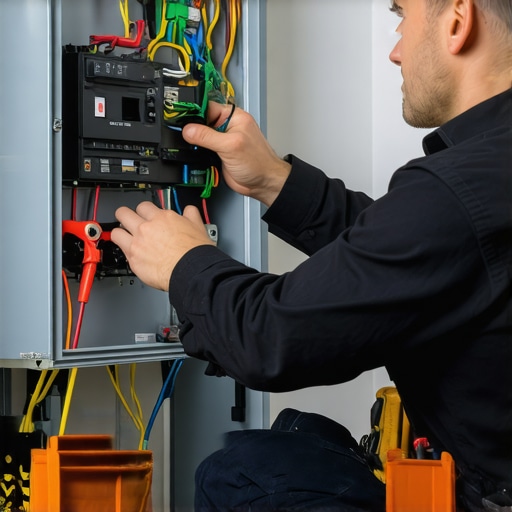
In my journey, I found that understanding the nuanced standards and integrating safety innovations can transform a simple upgrade into a comprehensive enhancement of home safety and functionality.
What Deep Dive Questions Should Homeowners Ask Before Upgrading?
From my experience, one of the most profound questions is: “How will this upgrade align with my future plans, such as solar integration or additional EVs?” Considering these factors early on can influence the size and features of your new panel. Moreover, asking about the compatibility of your existing wiring and the potential need for rewiring ensures that you’re not caught off guard during installation. Personally, I found that discussing these topics with my electrician led to a more tailored solution that balanced current needs with future growth. For those interested, exploring comprehensive resources like Upgrading Your Panel for Better EV Charging Performance can provide valuable insights.
My First Encounter with EV Panel Upgrades: A Personal Journey
When I first decided to upgrade my home’s electrical panel to support my new electric vehicle, I didn’t realize how complex the process could be. I remember feeling overwhelmed at first, but diving into research helped me understand that upgrading your panel is crucial for safe and efficient EV charging. This experience sparked my curiosity about what exactly goes into upgrading a panel for EV chargers and how to ensure the upgrade meets all safety standards.
The Hidden Benefits of Upgrading Your Electrical Panel for EV Charging
Upgrading my panel was more than just a necessity; it improved my home’s overall electrical capacity and safety. I discovered that a larger, modern panel can handle higher loads, which means faster charging times and reduced risk of electrical issues. This is especially important as EV chargers become more powerful and demand more from your home’s electrical system. For those considering a similar upgrade, I recommend checking out Energy.gov’s guidelines on electrical safety to understand best practices and compliance requirements.
What Are the Key Factors to Consider Before Upgrading?
One of the first questions I had was: How do I know if my current panel can handle an upgrade? I learned that inspecting your existing panel for capacity and compatibility is essential. Sometimes, a simple upgrade within the existing panel may suffice, but in other cases, a complete replacement is necessary. It’s also critical to choose a panel that complies with local electrical codes, which can vary by region. For example, ensuring your installation meets the standards outlined in the National Electrical Code (NEC) is vital for safety and legality. You can explore more about code compliance and what it entails here.
How Do I Know When It’s Time to Upgrade?
From my experience, signs like frequent tripped breakers or slow charging speeds are red flags indicating that your panel might need an upgrade. If you’re planning to add more electrical appliances or a dedicated EV charger, it’s wise to evaluate your current system. Consulting with a licensed electrician can provide clarity and ensure that your upgrade is done correctly. Sharing your experiences with others can also be helpful—feel free to comment below or visit the Expert Electrical blog for more tips.
Is Upgrading the Panel a DIY Job or Should I Hire a Professional?
Based on my research and personal experience, upgrading your electrical panel is definitely a job for licensed professionals. Electrical work can be dangerous and requires adherence to strict safety standards. I would recommend hiring an electrician who is familiar with EV charging requirements and local code compliance. This not only ensures safety but also peace of mind knowing that your system is properly upgraded for reliable EV charging.
What Are the Critical Considerations When Planning an EV Charger Panel Upgrade?
Planning an EV charger panel upgrade involves multiple technical and safety considerations. For instance, assessing your current electrical load is fundamental. An electrician needs to evaluate whether your existing service panel can handle additional capacity or if a new panel installation is warranted. Additionally, understanding the compatibility of your home’s wiring and ensuring adherence to local electrical codes, such as the National Electrical Code (NEC), is crucial. This code mandates specific standards for wiring, grounding, and circuit protection, which help prevent electrical hazards and ensure code compliance. To navigate these requirements effectively, consult resources like NFPA’s NEC guidelines.
How Can I Optimize My Existing Electrical System Before Deciding on an Upgrade?
Before jumping into a full upgrade, it’s wise to optimize your current system. Sometimes, upgrading the wiring or replacing outdated breakers can enhance capacity without a complete panel replacement. A detailed electrical assessment by a licensed electrician can reveal whether your system can support a higher amperage circuit or if it requires reinforcement. Implementing smart load management systems can also distribute power efficiently, preventing overloads and reducing the need for costly upgrades. For insights on balancing your home’s electrical load, explore Energy.gov’s advice.
Is It Worth Considering Future-Proofing When Upgrading Your Panel?
Absolutely. As EV technology evolves, chargers are becoming faster and more demanding. Upgrading your panel to a higher capacity now can be a strategic move, preventing the need for frequent future upgrades. For example, installing a 200-amp panel instead of a 100-amp one provides more headroom for additional EVs, solar inverters, or other high-demand appliances. Moreover, incorporating smart panel features allows remote monitoring and management, adding convenience and safety. For comprehensive guidance on future-proofing your electrical system, see Expert Electrical’s blog.
What Expert Advice Should I Follow to Ensure Safe and Code-Compliant EV Charger Installation?
Ensuring safety and compliance is paramount. Always hire licensed electricians experienced in EV charger installations. They will verify that your system adheres to local electrical codes and standards, conduct thorough inspections, and handle permits if required. Reviewing resources like NEC guidelines provides a solid foundation for understanding the regulatory landscape. Furthermore, requesting your electrician to perform Troubleshooting EV Charger Connectivity Problems and ensuring proper grounding and circuit protection enhances safety and reliability. Don’t forget to verify that all work is documented and inspected for peace of mind.
If you found this discussion helpful, share your thoughts below or suggest topics you’d like us to explore further. For more in-depth guidance, consider reading our articles on Ensuring Code Compliance When Installing EV Chargers or Upgrading Your Panel for Better EV Charging Performance.
Reflecting on the Nuances of Panel Upgrades: Beyond Basic Knowledge
As I delved deeper into the intricate world of electrical systems, I realized that upgrading a panel isn’t just about capacity; it’s about understanding the subtle interplay of components, future demands, and safety margins. My first upgrade taught me that every home has a unique electrical fingerprint, and a one-size-fits-all approach rarely suffices. For instance, integrating smart load management systems, like those discussed in Energy.gov’s recommendations, can significantly optimize performance without immediate panel replacement. This realization pushed me to consider the long-term implications of my upgrade and how I could future-proof my system against evolving technology needs.
Balancing Safety and Innovation in Home Electrical Systems
One of the more challenging aspects I encountered was ensuring that my system not only met current safety standards but also incorporated innovative solutions. For example, I explored the benefits of advanced ground fault circuit interrupters (GFCIs) and arc fault circuit interrupters (AFCIs), which provide enhanced protection against faults and electrical fires. These devices, while sometimes adding complexity to the installation, are crucial for modern homes with high electrical loads. I learned that consulting with an electrician familiar with the latest safety innovations is invaluable. It’s also worth noting that some regions now require specific AFCI or GFCI installations for new or renovated circuits, highlighting the importance of staying informed about local codes. To ensure compliance, I recommend reviewing NEC’s latest guidelines and collaborating with professionals who keep pace with these standards.
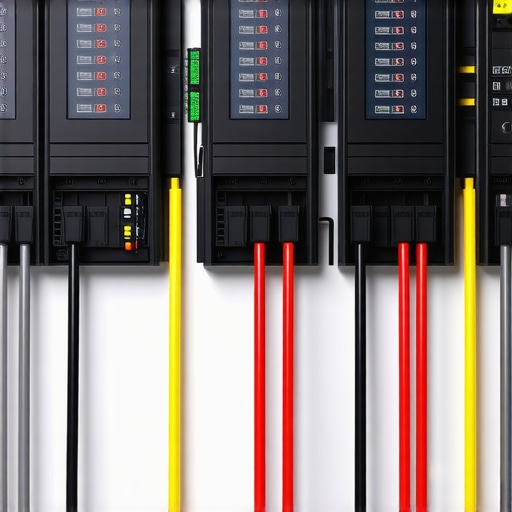
In my journey, I found that understanding the nuanced standards and integrating safety innovations can transform a simple upgrade into a comprehensive enhancement of home safety and functionality.
What Deep Dive Questions Should Homeowners Ask Before Upgrading?
From my experience, one of the most profound questions is: “How will this upgrade align with my future plans, such as solar integration or additional EVs?” Considering these factors early on can influence the size and features of your new panel. Moreover, asking about the compatibility of your existing wiring and the potential need for rewiring ensures that you’re not caught off guard during installation. Personally, I found that discussing these topics with my electrician led to a more tailored solution that balanced current needs with future growth. For those interested, exploring comprehensive resources like Upgrading Your Panel for Better EV Charging Performance can provide valuable insights.
Things I Wish I Knew Earlier (or You Might Find Surprising)
1. The Importance of Proper Planning
Initially, I underestimated how crucial detailed planning was before upgrading my electrical panel. Consulting with a professional early on could have saved me time and money, as I later realized that understanding your home’s unique electrical needs is key to a successful upgrade.
2. The Hidden Costs Can Add Up
Beyond the panel itself, costs for permits, wiring upgrades, and inspections can surprise you. I wish I had budgeted more generously knowing these hidden expenses can significantly impact your overall project budget.
3. Future-Proofing is Worth the Investment
Thinking ahead about future demands, like adding solar or multiple EVs, can influence your panel choice. Upgrading to a higher capacity now might feel expensive, but it can save headaches and additional costs down the line.
4. Safety Should Never Be Compromised
Ensuring your upgrade complies with local codes and includes safety features like AFCIs and GFCIs is vital. I learned that investing in quality safety devices is essential for long-term peace of mind.
5. DIY is Not a Good Idea
While I was tempted to do some work myself, I quickly realized that electrical upgrades should be handled by licensed electricians. The risks are too high, and professional work guarantees safety and code compliance.
Resources I’ve Come to Trust Over Time
- National Electrical Code (NEC): The authoritative standard for electrical safety, I recommend reviewing the latest NEC guidelines to stay informed about safety standards and legal requirements.
- Energy.gov: Their practical advice on electrical efficiency and safety helped me optimize my existing system and plan upgrades effectively.
- NFPA: The National Fire Protection Association provides detailed standards and updates on electrical safety, which I found invaluable for understanding compliance.
Parting Thoughts from My Perspective
Upgrading your electrical panel for EV charging is a significant step that can enhance safety, efficiency, and future readiness. From my personal experience, thorough planning, consulting with professionals, and considering future needs are the most valuable tips I can share. Remember, safety and compliance should always come first, and investing in quality now pays off in the long run. If this resonated with you, I’d love to hear your thoughts or experiences. Feel free to share or ask questions—your journey might help others make better decisions too.