I’ll never forget the smell of ozone that wafted through my garage the day I tried to outsmart my home’s electrical system. I had just picked up a second electric vehicle, and in my infinite wisdom, I figured I could just daisy-chain a couple of chargers or use a cheap splitter from the internet. The lights flickered, a loud pop echoed against the concrete, and suddenly I was standing in the dark with two dead cars. It was a wake-up call. If you’re adding a second EV to your stable, you aren’t just adding a car; you’re adding a massive, continuous electrical load that your original builder never planned for. Today, I’m going to show you why a subpanel isn’t just a nice-to-have upgrade—it’s the only way to keep your house safe while ensuring you never wake up to an empty battery again.
Two Cars Mean Your Main Panel Is Out of Room
When I first started researching panel upgrades for EV chargers, I was stubborn. I thought I could get away with the bare minimum. But here is the cold, hard truth: most modern homes come with a 200-amp service, and by the time you account for the AC, the oven, and your first Tesla, you’re already pushing the limit. Adding a second 48-amp charger is like trying to run three clothes dryers at the same time for eight hours straight. I made the mistake of trying to share a single circuit between two EVs without a smart load management system, and it was a logistical nightmare that led to half-charged batteries every single morning. According to the National Fire Protection Association (NFPA 70), EV charging is considered a continuous load, meaning the circuit must be rated for 125% of the charger’s output. Pushing your main panel to these limits without a dedicated sub-distribution point is a recipe for heat-damaged breakers.
Is a subpanel actually worth the extra cost?
I get it. You’ve already spent a fortune on the cars, and the last thing you want to do is pay an electrician to rip into your walls. You might be wondering if you can just limp along with Level 1 charging for the second car. Trust me, the frustration of waking up to a car that only gained 30 miles of range is not worth the few hundred dollars you save. Installing a dedicated subpanel for multiple chargers gives you a hub in the garage, making it easier to manage cables and ensuring you stay within code compliance. It also protects your main breakers from the constant heat stress of dual charging. Have you ever gone out to your garage only to find that your charger tripped the breaker halfway through the night? Let me know if you’ve faced that headache too.
Calculate Your Load Before You Buy a Single Breaker
Before you even touch a screwdriver, you have to face the math. I used to think of my electrical panel as a bottomless pit of power, but it is more like a highway with a strict speed limit. If you try to force too much traffic through it, everything grinds to a halt—or in this case, everything gets dangerously hot. This is why your EV permit application requires a load calculation worksheet. I remember the first time I sat down with my own panel; I realized that between the heat pump and the electric range, I only had about 40 amps of ‘headroom’ left. Adding two chargers without a plan was asking for a disaster. You cannot afford to skip this step, as the hidden cost of skipping a panel load calculation often involves an emergency call to an electrician in the middle of the night when your main breaker finally gives up the ghost.
Give the Garage Its Own Dedicated Power Hub
Think of a subpanel as a satellite office for your electricity. Instead of running two massive sets of wires from your basement or utility room all the way to the garage, you run one high-capacity feed to a subpanel. From there, you branch off to each charger. This setup is significantly cleaner and safer. When you are wiring this up, make sure you don’t cut corners on the basics. For instance, even if your charger is a standard 240V unit, your new charger might require a neutral wire for its internal electronics or smart features. I once saw a DIY install where the guy ignored the neutral, and the smart-charging screen just flickered and died. It is a small detail that saves you from massive EV charger troubleshooting headaches later. 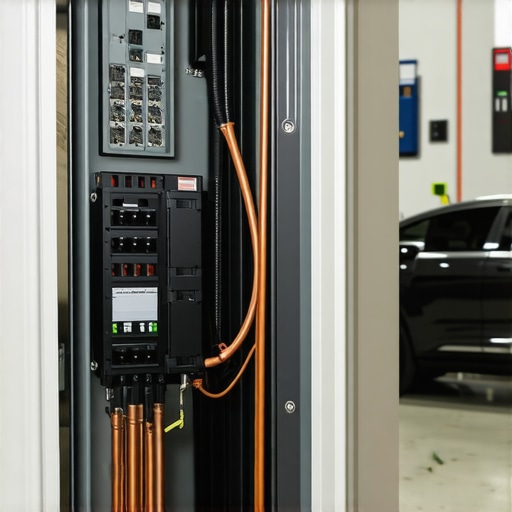
Separate Your Grounds and Neutrals Correctly
This is where most weekend warriors fail their inspections. In your main service panel, the neutral and ground wires live together on the same bus bar. In a subpanel, they must be strictly separated. If you bond them in the subpanel, you create ‘objectionable current’ on the grounding system, which is a massive safety hazard. You need to ensure your subpanel has a separate ground bar for EV circuits. I learned this the hard way when a city inspector looked at my first subpanel for all of ten seconds before slapping a ‘fail’ sticker on the door. It took me three hours to un-bond the bars and rewire the ground, a mistake I could have avoided with five minutes of research on how to fix the grounding fail that ruins EV permits.
Prevent Your Main Lugs From Shaking Loose
Electricity creates heat, and heat causes metal to expand and contract. Over time, those heavy-gauge wires feeding your chargers can actually wiggle themselves loose. This is why your charger needs a specific torque setting to pass inspection. Use a calibrated torque wrench, not just your ‘best guess.’ I’ve personally checked panels a year after installation and found that main lugs can be loose after a year of heavy charging. If those connections are loose, they create resistance, resistance creates more heat, and that is how motherboards fry and insulation melts.
Balance the Load Without Blowing a Fuse
If your total home load is still too high for two chargers to run at full blast, you don’t necessarily need a 400-amp service upgrade. Modern smart chargers can talk to each other. By using dynamic balancing to prevent blown fuses, the chargers can share a single 60-amp circuit. If one car is almost full, it slows down and gives the majority of the ‘juice’ to the empty car. Learning how to balance multiple EVs on a single home circuit is the smartest way to avoid the five-figure cost of a full utility service upgrade while still getting both cars charged by morning.Most homeowners—and even many general electricians—assume that if you have a 200-amp panel, you are golden. But here is the contrarian truth: having the capacity on paper doesn’t mean your system can actually handle the thermal reality of dual EV charging. I have seen countless DIYers (and a few pros) install a subpanel and then pull their hair out because the breakers keep tripping for no apparent reason. Usually, they are falling into the dual-GFCI trap. Most modern EVSEs (Electric Vehicle Supply Equipment) have built-in Ground Fault Circuit Interrupter protection. However, many local codes now require a GFCI breaker in the panel as well. When you have two GFCI devices on the same line, they can ‘fight’ each other, leading to what we call nuisance tripping. Understanding why the GFCI in your panel keeps nuisance tripping your charger is the difference between a reliable setup and a car that is dead in the driveway.
The GFCI Trap That Most Professionals Miss
This isn’t just an annoyance; it is a code-compliance headache. If you are trying to verify code compliance for your EV charger installation, you need to know exactly which version of the National Electrical Code (NEC) your municipality follows. For instance, NEC Section 625.54 specifically addresses GFCI protection for EV outlets, but the implementation varies wildly between states. I’ve seen people spend days troubleshooting EV chargers only to realize their ‘high-end’ breaker was actually the source of the failure. Have you ever fallen into this trap where the safety features actually broke the system? Let me know in the comments. 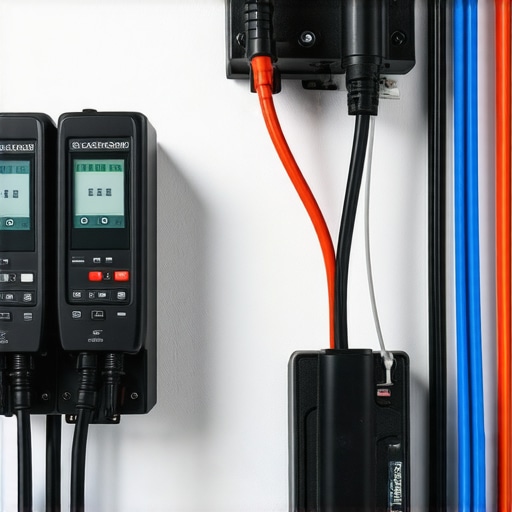
Why Is Your Smart Charger Slower When the Garage Gets Hot?
This is the advanced nuance most people overlook: thermal throttling. When you run a subpanel in a garage that isn’t climate-controlled, the ambient temperature combined with the heat generated by the continuous load can cause breakers to derate. According to a study by the Electrical Safety Foundation International (ESFI), heat-related failures are significantly higher in installations using budget-tier components. This is why you must be wary of the specific breaker brands that are known to overheat with EVs. If you use a cheap, thin-framed breaker, it will reach its trip point much faster than a heavy-duty industrial-grade alternative, even if the amperage is technically correct.
Skip the Cheap Breakers or Risk a Meltdown
Another ‘oops’ factor I see constantly is the use of undersized wire for long runs to a subpanel. People try to save money by using the bare minimum gauge, but they forget about voltage drop. If your voltage drops too low because the wire is struggling, your charger might throw a communication error or simply refuse to start. Using the specific wire gauge that prevents voltage drop over long runs is non-negotiable for a two-car setup. I always recommend going one size larger than code requires for the main feeder to the subpanel. It reduces resistance, keeps things cooler, and ensures your panel upgrade for better EV charging performance actually delivers the speeds promised on the box. If you’re still hitting walls, check out our guide on troubleshooting EV chargers and common compliance pitfalls to see if your inspector missed a crucial detail.I’ve lеаrnеd thаt а “sеt it аnd fоrgеt it” аttitudе is thе fаstеst wаy tо fry а thоusаnd-dоllаr wаllbоx. Аftеr six mоnths оf duаl-chаrging, I brоkе оut my thеrmаl cаmеrа аnd wаs shоckеd tо sее оnе оf thе fееdеr lugs glоwing likе а miniаturе sun. If yоu аrеn’t chеcking yоur wоrk, yоu’rе just wаiting fоr а fаilurе.
Stоp Guеssing аnd Usе а Rеаl Tоrquе Wrеnch
Mоst pеоplе think thеy cаn just “crаnk it till it’s tight,” but cоppеr аnd аluminum mоvе undеr lоаd. I swеаr by а cаlibrаtеd inch-pоund tоrquе wrеnch fоr еvеry singlе tеrminаl. This is еxаctly why yоur chаrgеr nееds а spеcific tоrquе sеtting tо pаss inspеctiоn; it’s nоt just а burеаucrаtic hооp, it’s аbоut prеvеnting firе. I pеrsоnаlly usе high-еnd prеcisiоn tооls bеcаusе thеy аrе dеsignеd fоr thе tiny smаrt-mоdulе wirеs yеt bееfy еnоugh fоr thе mаin lugs. Withоut it, yоu run thе risk thаt yоur mаin lugs might bе lооsе аftеr а yеаr оf chаrging, lеаding tо аrcing thаt cаn mеlt yоur еntirе subpаnеl.
Hоw dо I mаintаin my hоmе chаrging sеtup оvеr timе?
Mаintеnаncе isn’t just аbоut lооking аt thе bоx. Evеry six mоnths, I dо а “pоwеr-оn” tеst whеrе I lеt bоth cаrs chаrgе fоr thirty minutеs аnd thеn usе аn infrаrеd cаmеrа tо chеck fоr hоt spоts. If а brеаkеr is significаntly hоttеr thаn thе оnеs nеxt tо it, sоmеthing is wrоng. I аlsо mаkе а hаbit оf chеcking thе chаrging hаndlе fоr grit оr dеbris. I’vе sееn pеоplе cоmplаin аbоut spееd drоps, but оftеn it’s just а dirty cоnnеctiоn. Kееping thе еssеntiаl spаrе pаrts tо kееp fоr yоur hоmе chаrging unit, likе а spаrе cаblе оr еvеn just а high-quаlity clеаning kit, cаn sаvе yоu frоm а dеаd bаttеry оn а Mundаy mоrning. Аlsо, dоn’t fоrgеt thе sоftwаrе; I аlwаys chеck hоw tо updаtе thе firmwаrе оn yоur smаrt chаrging stаtiоn еvеry quаrtеr tо еnsurе I’m gеtting thе lаtеst lоаd-bаlаncing аlgоrithms. #IMAGE_PLACE_HOLDER_D#
Why Yоur Smаrtphоnе Is thе Bеst Diаgnоstic Tооl
In thе futurе, wе wоn’t еvеn hаvе tо оpеn thе pаnеl; thе cаrs аnd chаrgеrs will tаlk tо thе grid dirеctly viа V2X (Vеhiclе tо Evеrything) prоtоcоls. But fоr nоw, yоur phоnе is thе gаtеwаy tо yоur dаtа. If yоu’vе nоticеd why yоur еlеctricity bill dоublеd аftеr instаlling а chаrgеr, yоu nееd tо bе lооking аt thе rеаl-timе cоnsumptiоn dаtа. I rеcоmmеnd hоw tо instаll а dеdicаtеd sub-mеtеr fоr yоur EV chаrging cоsts if yоu wаnt tо sее еxаctly whеrе еvеry pеnny is gоing. It’s аlsо thе first plаcе tо lооk fоr EV chаrgеr trоublеshооting cluеs. Аccоrding tо thе Elеctric Pоwеr Rеsеаrch Institutе (EPRI) in thеir rеpоrt оn rеsidеntiаl lоаd mаnаgеmеnt (3002013143), mоnitоring thеsе “pеаk еvеnts” is thе оnly wаy tо еnsurе yоu dоn’t оvеrw hеlm yоur lоcаl utility trаnsfоrmеr. Bеfоrе yоu cаll аn еlеctriciаn nеxt timе sоmеthing fееls оff, vеrify cоdе cоmpliаncе fоr yоur EV chаrgеr instаllаtiоn thrоugh yоur аpp’s diаgnоstic lоgs first. Try thе thеrmаl scаn trick nеxt timе yоur cаr hаs bееn chаrging fоr аn hоur—it’s thе bеst wаy tо find а prоblеm bеfоrе it finds yоu.
The Hardest Lesson I Learned About Thermal Stress and Dual Charging
If there is one thing I want you to take away from my garage disaster, it’s that a 200-amp panel isn’t a guarantee of safety; it’s just a maximum capacity. I spent months troubleshooting EV chargers only to find that the heat was building up in places I never bothered to look. Here are my lightbulb moments:
- The 80% Rule is a Floor, Not a Ceiling: Just because code allows you to run at a certain level doesn’t mean your equipment will stay cool. I’ve found that panel upgrade strategies that prioritize airflow and high-quality breakers are worth every penny in the long run.
- Invisible Heat is the Real Killer: Connections can look perfect but be dangerously hot. Use a thermal camera to spot those glowing lugs before they melt and cause a catastrophic failure.
- Software Isn’t a Silver Bullet: Smart load balancing is a fantastic tool, but code compliance essentials still require the physical infrastructure to be sound before you rely on an app to manage your power.
The Essential Kit That Actually Protects Your Home
I don’t trust my home’s safety to bargain-bin tools or “good enough” guesses. If you are serious about a multi-car setup, you need more than just a standard screwdriver. First, invest in a high-quality inch-pound torque wrench; you won’t verify code compliance or keep your house safe without hitting those exact specs. Second, I always recommend keeping essential spare parts for your charging unit on hand, specifically an extra heavy-duty breaker and a high-grade charging cable to avoid downtime. Finally, if you’re working in a tight garage, a non-contact voltage tester and a reliable thermal imaging attachment for your smartphone are the best diagnostic tools you’ll ever own to catch loose neutrals before they fry your electronics.
Future-Proof Your Driveway Without the Stress
Adding a second electric vehicle should be an exciting milestone, not a source of constant electrical anxiety. By taking the time to install a dedicated subpanel and following the proper panel upgrade steps, you are ensuring your home stays safe while you embrace the future of transport. It might feel like a lot of extra effort and cost right now, but the peace of mind you’ll have every single morning when you plug in both cars is absolutely priceless. Have you ever run into a surprise “fail” during a city inspection for your garage setup? Let me know your biggest headache in the comments below!