It was 2:15 AM on a Tuesday when the steady hum of my garage transformed into a definitive, metallic thunk. My house went pitch black. I stood there in my slippers, shivering, holding a half-eaten sandwich, and realized my ambition had finally outpaced my electrical panel. I had just plugged in our second EV right next to the existing one, assuming my standard setup would just “figure it out.” I was wrong. That cold walk to the basement to reset a glowing-hot breaker was my wake-up call. If you are tired of playing “electrical musical chairs” with your charging cables, I have some good news for you. You don’t necessarily need to spend thousands on a utility service upgrade to keep both cars topped off by morning.
Stop Worrying About Your Main Breaker Every Time You Plug In
Most of us were told that adding a second car meant we absolutely had to call the utility company for a massive overhaul. I fell for that myth early on. I even spent a week getting quotes for a 400-amp service that made my eyes water. But after diving deep into the world of smart energy management, I realized that adding an EV charger without a 200-amp panel upgrade is not just possible; it is actually quite common. The secret lies in how we distribute the current we already have. We are going to look at how to use load-sharing chargers and management devices so your cars talk to each other instead of fighting over the last bit of juice in the wires.
Can one circuit really handle two thirsty car batteries?
It sounds like a recipe for a fire, doesn’t it? That is the biggest fear I hear from my neighbors. They assume that if you have two 40-amp chargers on a 60-amp circuit, the whole thing will melt. Well, it would if you did it the old-fashioned way. One of the biggest mistakes I made early on was ignoring how much the rest of my house was pulling. I didn’t realize that a 100-amp service isn’t always enough for two EVs when the dryer and the AC are both screaming for power. The trick is staying within the legal limits while maximizing efficiency. According to the National Electrical Code (NEC) Section 625.42(B), automatic load management systems are officially recognized as a way to limit the maximum current. This means you can safely (and legally) share a circuit as long as the hardware is smart enough to throttle down when both cars are plugged in. Before you start stripping wires, you need to know what you are working with. I highly recommend you load test your house before adding a second charger to see where your “ceiling” actually is. Have you ever experienced that heart-sinking moment where the garage lights flicker and the breaker trips just as you’re heading to bed? Drop a comment or send me a message—I’d love to hear your stories, as it helps us all realize we aren’t alone in this learning curve. Today, I’m going to walk you through the exact strategies I used to get my garage running smoothly without the trip to the basement penalty.
Ditch the Manual Toggle and Use Load Sharing
I used to think I could just remember to plug one car in at 9 PM and the other at midnight. That lasted exactly three days until I fell asleep on the couch and woke up to two dead batteries. The most effective way to manage this is through smart load sharing. When you install a second EV charger for a multi-car household, you want chargers that communicate. Think of it like a conversation at a dinner table where everyone shares the mashed potatoes. If Car A is gulping down 40 amps and Car B is plugged in, they both agree to take 20 amps each. This happens instantly through a data cable or a local Wi-Fi signal between the units. This setup ensures you never exceed the capacity of the dedicated circuit breaker in your panel. 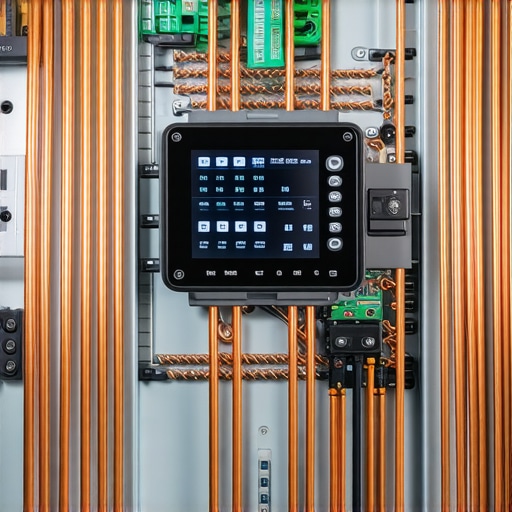
How to Use Load Shedding to Save Your Main Breaker
If your panel is already crowded, a load-sharing charger might not be enough because it doesn’t know when your electric oven or dryer kicks on. This is where load-shedding devices come into play. These devices act like a bouncer at a club; they monitor the total draw on your main lugs and will temporarily pause the car chargers if the house gets too close to its limit. Learning how to use load shedding devices to avoid a full service upgrade is the single best way to keep your 100-amp or 150-amp panel relevant in an EV world. I remember installing one of these for a friend who kept complaining about his main breaker humming when the EV is plugged in. Once the load shedder was in place, the humming stopped because the system throttled the car whenever his geothermal heat pump cycled on.
Watch Out for These Common Installation Disasters
Before you start pulling wire, you have to look for the hidden compliance traps that even seasoned DIYers miss. One of the most dangerous myths I see floating around is that as long as your breaker doesn’t trip, your installation is safe. In reality, EV charging is a “continuous load,” meaning the circuit runs at full blast for hours on end. Most household appliances don’t do that. This sustained current creates heat levels that standard residential parts aren’t always prepared for, which is exactly why your breaker gets hot to the touch during charging even if it stays on.
Why is my car charging at half speed even on a 50-amp circuit?
It’s incredibly frustrating to spend a Saturday afternoon wiring your garage only to find why your charging station is stuck in waiting mode or capped at a lower speed than you expected. Usually, this isn’t a software bug; it is a safety protocol. Many people try to save a few bucks by using cheaper materials, but you need to know how to pick a NEMA 14-50 outlet that won’t melt under pressure. Residential-grade outlets often can’t handle the heat of a 10-hour charging session, and smart chargers can actually sense the resistance increase and throttle themselves back to prevent a fire.
Tighten Every Screw to a Very Specific Number
Here is the “oops” factor most people skip: the torque wrench. I used to think “hand-tight” was good enough for my home panel, but the specific torque settings that prevent panel fires during high-load charging are non-negotiable. The National Electrical Code (NEC) Section 110.14(D) now requires the use of a calibrated torque tool for terminations if a torque value is provided on the equipment. If you just crank it down until it feels right, the thermal expansion and contraction over hundreds of charging cycles will eventually loosen the connection, leading to dangerous arcing. 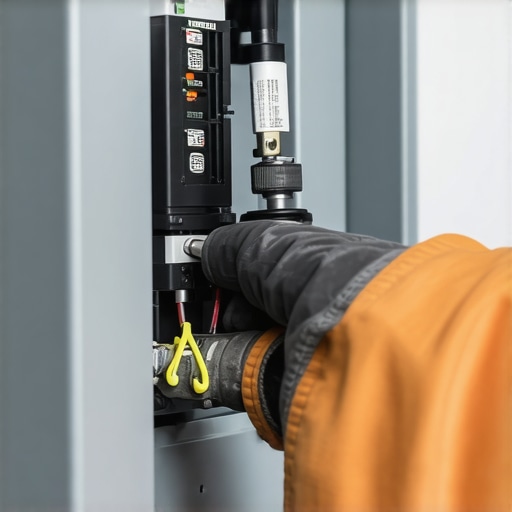
Don’t Forget the Paperwork Trail
Even if your garage looks like a professional showroom, failing to verify code compliance for your EV charger installation can void your homeowner’s insurance if something goes wrong. I once saw a DIYer lose his entire claim because he didn’t realize why the city inspector failed your garage wiring over something as simple as missing labels or improper conduit depth. Have you ever fallen into this trap where you thought you were done, only to have an inspector point out a tiny detail? Let me know in the comments—we have all been there. It is these small nuances that separate a weekend project from a safe, long-term energy solution.Once the inspector leaves and your permits are signed, it is easy to think you are done. But high-amperage systems are dynamic. I make it a habit every six months to open my panel—carefully—and check for signs of heat stress. You should learn how to spot a dying breaker before it shuts down your charging session because, trust me, they do not always give a warning pop. Sometimes they just slowly char the busbar until your whole panel needs replacing.
Stop the Burn Before It Starts With Regular Inspections
I use a thermal imaging camera to check my connections while both cars are drawing full power. It sounds overkill, but according to the Eaton Electrical Maintenance Guide, thermal scanning is the gold standard for identifying high-resistance connections before they lead to catastrophic failure. If you see a breaker that looks significantly brighter on the screen than its neighbors, you have a loose wire or a failing internal contact. This simple check is why I haven’t had a surprise outage in years. Beyond the panel, you need to handle the outdoor hardware too. If your chargers are mounted on the exterior, make sure you are doing the 3 maintenance tasks that keep your outdoor charger running through winter, such as checking the gaskets for moisture ingress and clearing any debris from the plug holster. 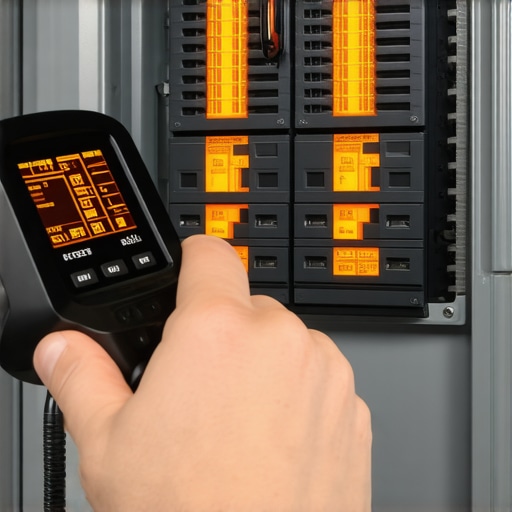
Keep Your Software and Hardware in Sync
Your smart charger is basically a computer that happens to move a lot of electricity. Just like your phone, it needs updates. I’ve seen people complain about their charging speed dropping, only to realize the manufacturer pushed a patch to fix a safety bug. Knowing how to update the firmware on your smart charging station is critical because these updates often improve the load-sharing algorithms we talked about earlier. If your firmware is out of date, you might find why your smart charger is actually slower than a basic plug-in model simply because it is being overly cautious with a buggy temperature sensor reading.
How do I keep my charging setup running for a decade?
Maintenance isn’t just about the wires; it is about the environment. Dust and spider webs in a garage can actually cause enough heat buildup in a wall-mounted unit to trigger a safety shutdown. I use a can of compressed air once a season to blow out the cooling fins on my chargers. Also, keep an eye on your home’s overall electrical health. If you notice strange behavior, look into 3 signs you need a whole house surge protector for your ev. One lightning strike nearby can fry the sensitive motherboards in your expensive chargers, rendering all your hard work useless in a millisecond. Looking forward, the next big leap is V2H (Vehicle-to-Home) technology. Soon, our cars won’t just be drawing power; they will be acting as the backup battery for the whole house during a blackout. If you are already setting up load management now, you are building the foundation for that future. My best advice for you this weekend? Go to the hardware store, buy a calibrated torque screwdriver, and double-check those breaker lugs. It’s the single most effective way to sleep soundly while your cars juice up in the garage.
Lessons Bought with a Trip to the Basement
I’ve spent more hours staring at my electrical panel than I care to admit, and if there is one thing I’ve learned, it’s that heat is the silent enemy of every EV setup. You might think everything is fine because the car is charging, but why your breaker gets hot to the touch during charging isn’t always about overloading; it’s often about resistance from a tiny loose screw. My biggest lightbulb moment was realizing that the specific torque settings that prevent panel fires during high-load charging are actually printed on the breaker itself—ignoring those numbers is like playing Russian roulette with your home’s wiring. Also, never assume your Wi-Fi is strong enough in the garage; a dropped signal can mess with load-sharing, so I always recommend a hardwired data cable between dual units if possible.#IMAGE_PLACE_HOLDER_E#
The Gear That Keeps My House from Melting
If you want to move beyond guessing, there are a few things I never go without. First, a calibrated torque screwdriver is mandatory for any DIY adjustments to ensure every connection is tight enough to handle the 40-amp marathon of a full charge. Second, I’m a huge advocate for consulting the code compliance essentials for ev charger installations in 2025 before you buy a single foot of wire. Finally, keep a thermal camera handy—even a cheap phone attachment—to scan your panel once a month while the cars are charging to catch hot spots before they become fires. Having the right tools means you can verify code compliance for your ev charger installation with confidence rather than crossing your fingers and hoping for the best.
Build a Garage That Outlasts Your Next Car
Taking the leap to manage multiple EVs on a limited panel can feel like a high-stakes puzzle, but it’s a challenge worth solving. By prioritizing smart load management and regular inspections, you aren’t just saving money on a utility upgrade; you are becoming an expert in the energy ecosystem of your own home. Don’t be afraid of a little ev charger troubleshooting as you dial in your settings; it’s part of the journey to a more sustainable lifestyle. Your house is capable of much more than you think, provided you treat its electrical limits with respect. Have you ever had a close call with a breaker or a hot outlet during a charging session? Let me know in the comments below!