It was a chilly Tuesday morning, and I was already running five minutes late for a meeting that could have been an email. I unplugged the Tesla, hopped in, and saw those dreaded words on the screen: ‘Charge level 12%.’ My heart sank. I’d plugged it in eight hours ago. I ran to the garage panel and found the 50-amp breaker tripped, radiating a heat that felt like a stovetop. I made the classic rookie mistake of just flipping it back on and heading inside, thinking it was a one-time fluke. Spoiler alert: it wasn’t. I spent the next week dealing with expert tips for common issues, only to realize I’d missed every warning sign my electrical panel was screaming at me. Today, I’m going to help you avoid that panicked morning by showing you exactly how to spot a breaker that’s on its last legs before it leaves you stranded.
Your Morning Commute Is at Risk
When you install a Level 2 charger, you’re asking your electrical panel to perform a marathon every single night. Most household appliances—like your toaster or vacuum—run for minutes. An EV charger pulls a massive, continuous load for hours on end. This stress can reveal every tiny flaw in your system. I remember early on, I noticed a faint buzzing sound near the panel. I ignored it, figuring old houses just make noise. That was a $500 mistake. That ‘hum’ was actually a loose connection causing the breaker to slowly bake itself from the inside out. If you’ve ever wondered why your main breaker hums, you’re already witnessing the beginning of the end. According to the National Fire Protection Association (NFPA), electrical failures or malfunctions are the second leading cause of U.S. home fires, and high-draw devices like EV chargers are often the catalyst when components are not up to the task. Thermal fatigue is a real phenomenon; every time that breaker heats up during a 40-amp draw and then cools down, the metal components expand and contract. Over hundreds of cycles, those internal tension clips lose their grip, creating resistance and even more heat. It is a dangerous feedback loop.
Is Proactive Breaker Maintenance Actually Worth the Hassle?
I get it. You’re busy, and if the lights are on, everything seems fine. But a breaker isn’t like a lightbulb that just burns out; it’s a safety device that loses its ability to protect your home as it degrades. Waiting for it to fail means you’re potentially running dangerously hot during overnight charging, which can damage your charger or even the car’s sensitive onboard inverter. By the time it starts tripping regularly, the internal springs are usually shot. Have you ever felt the front of your breaker panel after the car has been charging for an hour? It should be warm, but never painfully hot. If you’ve been putting off upgrading your panel for better ev charging performance, you’re playing a game of chicken with your morning schedule. Have you ever walked into your garage and smelled something like ‘burnt fish’ or hot plastic? That is a definitive red flag that your breaker is currently melting. If you notice any of these signs, don’t just reset the switch and hope for the best.
The Quiet Warning Signs You’re Probably Ignoring
The first sign of a dying breaker isn’t always a trip. It’s often the subtle stuff—a slight discoloration on the plastic casing, or a ‘spongy’ feeling when you try to switch it off and on. A healthy breaker should have a firm, mechanical ‘thwack’ when it moves. If yours feels like you’re pushing through old chewing gum, the internal mechanism is failing. We need to look at the physical health of your panel before we dive into the technical settings of your charger software. It’s about protecting your investment and your peace of mind.
Grab a Thermometer and Check the Heat
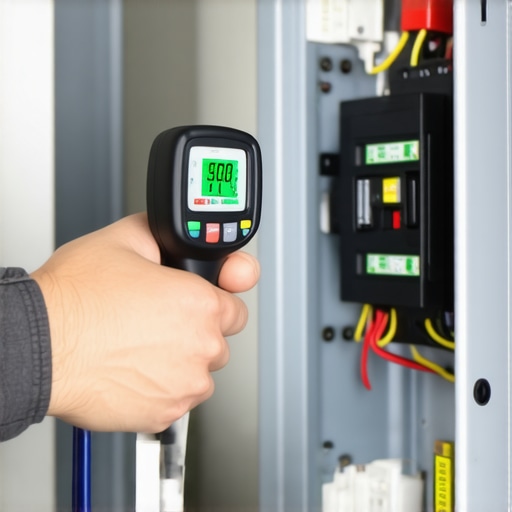
To get a real sense of what’s happening, you need to perform a ‘stress test’ during an active charging session. Wait until your car has been plugged in for at least an hour. This is when the heat soak is at its peak. I use a cheap infrared thermometer because it is more reliable than my own hands for detecting subtle temperature spikes. Point it directly at the breaker’s casing and the wires where they enter the lug. If you’re seeing temperatures north of 140°F, you are entering the danger zone. I once clocked a breaker at 175°F while troubleshooting a friend’s Tesla Wall Connector; the plastic was starting to warp. This isn’t just a breaker issue; it often signals the common wire sizing error that causes voltage drops during charging, which forces the system to pull more current and generate even more heat.
Identify the Weakest Link in Your Panel
Not all breakers are created equal. If you are using a 50-amp breaker for a 40-amp continuous draw, you are right at the 80% limit required by the National Electrical Code. If your panel is crowded and has no airflow, that breaker is going to cook. You should check if you have the specific breaker brand that keeps tripping on level 2 chargers, as some older designs simply weren’t built for the relentless duty cycle of an electric vehicle. If your breaker feels ‘mushy’ when you flip it, or if it doesn’t stay in the ‘off’ position when tripped, the internal spring mechanism is likely fatigued from too many heat cycles and needs immediate replacement.
My $400 Lesson in Loose Screws
A few months back, I helped a neighbor who was convinced his charger’s motherboard was fried. His car would stop charging after twenty minutes every single night. We opened his panel and found that the installer hadn’t used a torque wrench on the breaker lugs. One of the screws was just a quarter-turn loose. That tiny gap created high resistance, which generated massive heat. By the time we caught it, the copper wire was discolored to a dark purple, a sign of severe oxidation. We had to cut back the wire and replace the breaker entirely. This is why ensuring code compliance when installing ev chargers is vital. It’s also a reminder to check for the hidden danger of loose neutral wires in your electrical panel, which can cause voltage imbalances that wreak havoc on your car’s sensitive electronics.
Ensure Everything is Labeled and Gauged Correctly
Before you close that panel door, verify the basics. Do you have the specific circuit labels required by the electrical inspector? It might seem trivial, but in an emergency, knowing exactly which switch kills the power to the charger is a lifesaver. Furthermore, check the wire itself. Using the wrong thickness is a recipe for disaster. You must ensure you have the exact gauge of wire you need for a 60-amp circuit to prevent overheating. If you find your panel is simply maxed out, you might need to learn how to load balance your home electrical system without a full panel swap. This keeps your home safe and your car charging without the $3,000 price tag of a total service upgrade.
But here is where most ‘pro’ advice actually leads you astray. Most electricians will tell you that a 100-amp service is a deal-breaker for Level 2 charging. They will quote you thousands for a service upgrade before even looking at your actual household usage. In my experience, jumping straight to a massive upgrade is often an expensive overkill. You can actually learn how to load balance your home electrical system without a full panel swap by using smart energy management controllers. These devices monitor your total home draw and temporarily throttle the charger if you turn on the dryer or oven, keeping you safely within your existing panel’s limits. Challenging the ‘more is better’ status quo can save you a fortune while still ensuring code compliance when installing ev chargers.
The NEMA 14-50 Trap That Melts Your Garage
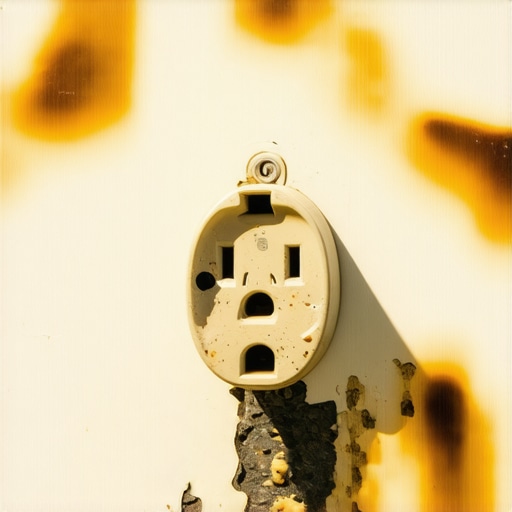
One of the biggest ‘oops’ factors I see involves the popular NEMA 14-50 outlet. Everyone loves the flexibility of a plug-in charger, but those industrial-grade outlets were originally designed for appliances like ranges that stay plugged in for a decade. EV chargers involve daily mechanical stress on the socket. This creates micro-gaps over time, leading to arcing and heat. If you are serious about long-term reliability, the benefit of a hardwired charger over a nema plug is undeniable—it eliminates two major points of failure entirely. I have seen countless ‘melted’ outlets that passed inspection on day one but failed under the relentless heat of a 40-amp continuous draw a year later. This is among the most common diy mistakes in home charger installations that pros often ignore.
Does My Existing Breaker Brand Actually Matter for Safety?
It absolutely does. Some older breaker brands have a notorious reputation for ‘welding’ their contacts shut, meaning they will not trip even if the wire is glowing red. If you have an older panel, you need to verify if you are using the specific breaker brand that keeps tripping on level 2 chargers due to poor thermal management. A report by the Electrical Safety Foundation International (ESFI) highlights that electrical components operating at their maximum continuous rating in high-ambient temperatures can experience accelerated insulation breakdown. This is why troubleshooting ev chargers common compliance pitfalls and fixes often requires looking beyond the charger itself and into the metallurgy of your panel’s busbar. Have you ever fallen into the ‘mandatory upgrade’ trap or noticed a ‘hot’ smell coming from your plug? Let me know in the comments. Digging into the details now, like knowing how to verify code compliance for your ev charger installation, is what separates a safe home from a statistics-folder in an insurance office.
So, if we want to avoid the ‘melting garage’ scenario I mentioned earlier, we need to talk about the one tool that lives in my toolkit but should probably be in yours: a digital torque wrench. I see DIYers and even some hurried pros tightening breaker lugs ‘by feel’ all the time. That is the fastest way to create high-resistance hotspots. Every breaker has a specific inch-pound torque rating printed right on the side of the casing. If you are off by even a small margin, you are inviting thermal expansion to wiggle that wire loose over time. Beyond just the physical connections, you have to look at the digital side of the equation. Half the time a charger ‘fails,’ it is actually a software handshake error. Knowing how to update your charger software without calling a technician can save you a $150 service call for what is essentially a digital glitch.
Stop Guessing and Use a Torque Wrench
When you are dealing with a continuous load of 40 or 48 amps, ‘snug’ isn’t a measurement. According to the National Electrical Manufacturers Association (NEMA) Standard WD-6, the integrity of the connection point is the single most critical factor in preventing device failure under heavy load. I personally use a FatMax torque screwdriver for the smaller terminal blocks inside the charger itself. It ensures that the copper is compressed enough to create a solid path for electrons without stripping the threads. If you have ever seen a breaker with a charred, black mark on the terminal, that wasn’t a power surge—it was a loose screw that spent six months arcing every time the car started its midnight drink of power.
How do I maintain my home charging setup over time?
Home charging isn’t a ‘set it and forget it’ situation. I recommend a simple six-month checkup to keep things efficient. This isn’t anything complex—just a visual inspection. Look for any soot near the vents, smell for the ozone scent of electrical arcing, and learn how to clean the pins on your charging handle safely. Dirt, pocket lint, and road salt can build up on those pins, increasing resistance and causing the handle to get uncomfortably hot to the touch. If your smartphone app is acting up or dropping the signal, you should be troubleshooting ev charger connectivity problems before you assume the hardware is toasted. Often, a simple Wi-Fi range extender or a firmware patch is the real solution to a ‘broken’ charger.
Don’t Let Dirty Pins Kill Your Battery
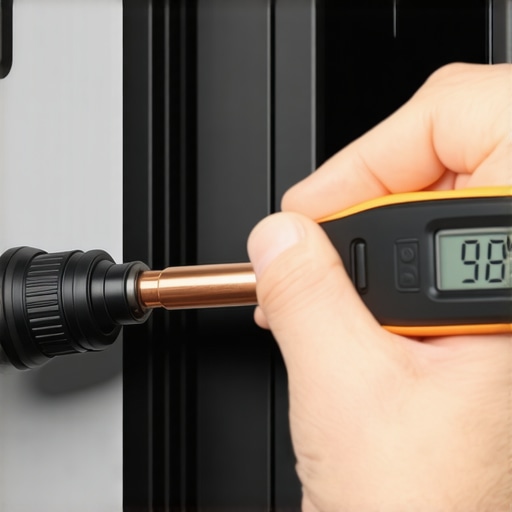
I have seen $50,000 EVs refuse to charge simply because the J1772 or NACS handle had a bit of oxidation on the proximity pilot pin. This tiny pin tells the car it is safe to start the flow. If the connection is dirty, the car might limit the speed or refuse to start entirely. Using a can of specialized electrical contact cleaner and a lint-free swab can prevent the ‘Charge Port Overheating’ warnings that plague many Tesla and Ford owners in humid climates. This is a five-minute job that prevents a five-hour headache. While you are at it, check the cable itself. If you see kinks or the outer jacket is pulling away from the handle, you are looking at a safety hazard that could lead to a short circuit.
Prepare Your Panel for the 2025 Standards
Looking forward, the industry is moving toward even smarter, more integrated systems. By 2025, the standards for code-compliance-essentials-for-ev-charger-installations-in-2025 will likely get even stricter regarding mandatory thermal monitoring for all high-draw circuits. We are already seeing high-end chargers that feature built-in temperature sensors right in the plug head. If you are building a new garage or upgrading your panel for better ev charging performance now, my best advice is to over-spec your conduit. It is cheap to install a 1-inch pipe today, but nearly impossible to replace a 3/4-inch pipe once the drywall is up. I predict that ‘Vehicle-to-Home’ (V2H) technology will become the standard, meaning your panel won’t just be giving power—it will be taking it back to run your house during peak hours. If you haven’t taken the time to how to verify code compliance for your ev charger installation yet, you are effectively building on a shaky foundation for the technology of tomorrow. I highly recommend you grab an infrared thermometer today and scan your breaker after an hour of active charging. If you see any temperature reading over 145°F, stop the session and tighten those lugs before something melts.
Lessons Bought With Sweat and Smoldering Plastic
I’ve spent years looking inside panels, and if there is one thing I’ve learned, it’s that your electrical system is a living, breathing thing. You cannot simply set it and forget it. I used to think a breaker was either working or broken, but the truth is much messier. The ‘ghost trips’ I once experienced were actually early warning signs of thermal fatigue. I also learned that you do not always need a massive, expensive service upgrade; often, you just need to learn how to load balance your home electrical system without a full panel swap. It is about working smarter with the capacity you already have. Finally, never underestimate the power of a tiny bit of grit; keeping your hardware clean is the simplest way to prevent expert tips for common issues from becoming a daily headache.
Tools That Keep My Charging Session Ice Cold
If you want to move beyond guessing, you need a few items that have saved my hide more than once. First, a simple infrared thermometer—this is your best friend for spotting hotspots before they start to smell like burnt plastic. Second, I swear by a dedicated torque screwdriver; it ensures every connection meets the exact manufacturer specs, preventing the micro-arcing that destroys expensive panels. I also keep a can of high-quality electrical contact cleaner nearby. Learning how to clean the pins on your charging handle safely has solved more ‘fault’ codes for me than any software reset ever could. These are not just gadgets; they are the frontline defense for your home’s safety and your car’s battery health.
Take the Stress Out of Your Morning Commute
Your electric vehicle should be a source of freedom, not a source of anxiety every time you walk into the garage. By taking these proactive steps now, you are not just following rules; you are building a reliable system that will last for years. Whether you are currently upgrading your panel for better ev charging performance or just trying to navigate your first year with a Level 2 station, remember that safety and efficiency go hand-in-hand. Don’t wait for a smell or a spark to act. If you have questions about your specific setup or need a professional eye to verify your connections before the new code compliance essentials for ev charger installations in 2025 kick in, feel free to contact us for expert guidance. Have you ever noticed your charger handle or breaker getting uncomfortably warm during a long session? Let me know in the comments below!