It was exactly 11:14 PM on a Tuesday when I realized my EV charger had decided to go on strike. I had just finished a six-hour drive, my battery was sitting at a terrifying 4%, and all I wanted was to hear that reassuring clunk of the contactors closing. Instead, I got a pulsing blue light and a status screen that simply read ‘Waiting for Vehicle.’ I stood there in my garage, half-expecting the car to start talking back to me. It did not. This was not just a glitch; it was a standoff. If you have ever found yourself glaring at a silent charging handle while your range anxiety hits a fever pitch, you are not alone. I have been in those pajamas, staring at the wall in confusion, and I am here to tell you that we can get that power flowing again without a panic attack.
The Panic of the Infinite Waiting Loop
That ‘waiting’ status is the ultimate digital shrug. It is the charger’s way of saying, ‘I am ready, but something else isn’t.’ Most of the time, it is not a catastrophic hardware failure. It is usually a polite disagreement between your car’s onboard computer and the charging station’s brain. When I first started out, I made the amateur mistake of assuming my circuit breaker had died. I almost called an electrician for a panel upgrade before I realized my car had a scheduled charging timer set for 2:00 AM. Talk about an embarrassing ‘lightbulb’ moment. I felt like a fool, but it taught me that the solution is often hidden in plain sight.
We need to look at the ‘handshake.’ This is the moment your car and the station trade secret codes to ensure it is safe to send high-voltage electricity. If that handshake fails, the charger sits in limbo. According to the Society of Automotive Engineers (SAE), the J1772 protocol relies on a specific ‘Pilot Signal’ to communicate between the station and the vehicle. If that signal is weak or interrupted, you get the dreaded wait. You might be dealing with simple connectivity problems or something as silly as a dusty plug. I have spent years digging into expert tips for common issues, and I can tell you: it is almost always the little things. Have you ever felt that sinking feeling when the plug is in but the juice isn’t moving?
Does this mean I need a whole new unit?
I get it. You are worried about the cost. You are thinking, ‘Did I just drop six hundred bucks on a paperweight?’ The short answer is almost certainly no. Before you start looking up inspection requirements for a replacement, we need to rule out the software ghosts. Have you ever checked if your charger app updated itself into a coma? Or perhaps your scheduling settings are conflicting with the car’s internal clock? It is a classic case of too many cooks in the kitchen—or too many apps in the garage. We are going to dive deep into troubleshooting communication errors so you can finally get back to full power. Let’s stop the waiting game and get that electricity where it belongs.
Get the Power Flowing Again with These Field-Tested Fixes
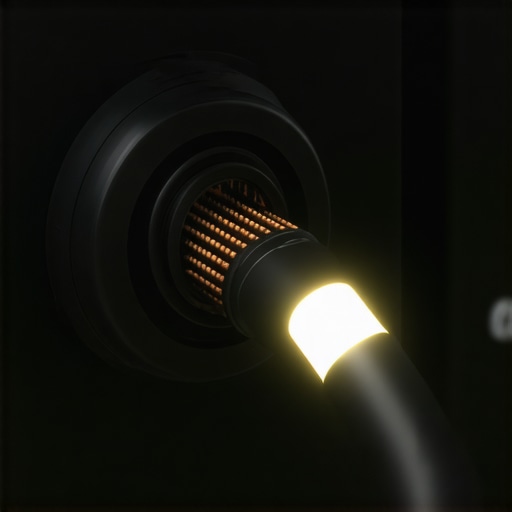
The first thing you have to do is break the ‘reset’ cycle. Most people keep unplugging and replugging the handle, hoping for a different result. This is the definition of insanity in the EV world. Think of the charging handle like a key in a lock; if the pins are dirty or misaligned, the tumblers won’t turn. I once spent twenty minutes swearing at my car only to find a tiny piece of a dried leaf wedged into the top of the J1772 port. It was enough to block the ‘Pilot Signal’ I mentioned earlier. You should start by learning how to clean the pins on your charging handle safely. A quick inspection with a flashlight can save you a three-digit service call fee. If the physical connection isn’t pristine, the vehicle will never send the ‘all clear’ signal to the charger.
Stop the App War and Check Your Schedules
We live in an age where your car has an app, your charger has an app, and your utility company might even have an app. These three are often in a digital fistfight. When your charger says it is waiting, it might actually be obeying a command you forgot you gave it three months ago. I remember setting a ‘Super Off-Peak’ schedule during a heatwave and then wondering why my car wouldn’t charge during a Tuesday afternoon emergency trip. The charger was just doing its job, waiting for midnight. You need to verify how to use an app to schedule charging correctly and ensure the car’s internal timer isn’t overriding the wall unit. If they aren’t synced, you get the blue-light standoff. Syncing these is one of the most effective expert tips for common issues that I share with new owners.
Why Your Electrical Ground is Non-Negotiable
If the software is fine and the plug is clean, we have to look at the ‘safety check.’ Every EV charger performs a lightning-fast ground-fault test before it releases power. It is checking to see if the electricity has a safe path back to the panel. If it detects even a hint of resistance, it stays in ‘waiting’ mode to prevent a fire or shock. This is where you might need to perform the simple test to see if your garage outlet is truly grounded. A loose wire in the back of a NEMA 14-50 outlet is a classic culprit. I have seen chargers work for months and then suddenly stop because a terminal screw vibrated loose. If you suspect the hardware in the wall is the issue, you should also learn how to spot a dying breaker before it fails completely during a high-load session.
The Hidden Voltage Drop Mystery
Sometimes the charger waits because the power coming into your house isn’t ‘clean’ enough. If your neighbors are all cranking their AC at the same time, or if your wire gauge is too thin for the distance of the run, you will see a voltage drop. The charger’s brain sees this as a safety risk and refuses to engage. This explains why your charging station isnt reaching its full 48-amp potential or why it keeps cutting out. It’s a protective measure, not a defect. If you have ruled out the car and the app, the problem is likely hidden behind the drywall in your electrical infrastructure. Identifying these bottlenecks early prevents the long-term heat damage that leads to expensive panel fires.
The Code Compliance Trap You Are Probably Ignoring
Everyone tells you that as long as the charger is mounted and the car is plugged in, you are good to go. I used to believe that too, until I saw a ‘perfectly’ installed unit fail an inspection because it was three inches too close to a gas line. Most people assume that ‘code compliance’ is just bureaucratic red tape designed to slow us down. In reality, it is the only thing standing between a successful charge and a melted terminal. When you are digging into troubleshooting ev chargers common compliance pitfalls and fixes, you realize that many ‘waiting’ errors are actually the system detecting a minor installation flaw that violates 2025 safety standards. Following code compliance essentials for ev charger installations in 2025 isn’t just about passing a test; it is about ensuring the electrical architecture can handle a continuous 40-amp load for eight hours straight.
Why Your Torque Wrench Matters More Than Your Charging App
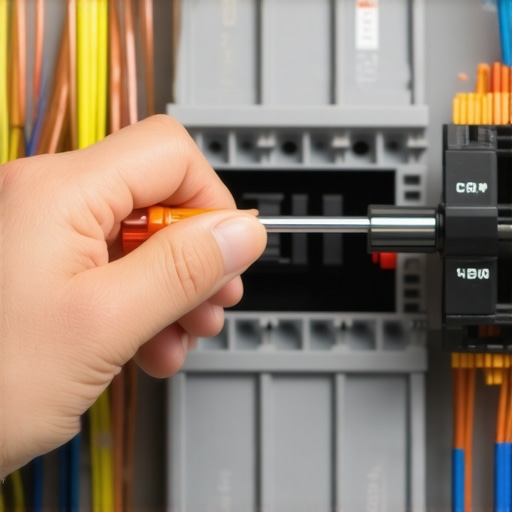
Here is the ‘oops’ factor that almost nobody talks about: loose connections. You can have the most expensive charger on the market, but if the technician didn’t use a calibrated torque screwdriver, you are sitting on a time bomb. I have seen countless cases where a charger stays in ‘waiting’ mode because the heat from a loose wire has increased resistance just enough to trip the vehicle’s internal safety sensors. This is a nuanced point that separates the pros from the DIYers. You must ensure you are following the specific torque settings that prevent panel fires during high load charging. According to research by the National Fire Protection Association (NFPA), the leading cause of electrical failure in high-draw appliances is improper termination. If those screws aren’t tight to the exact inch-pound, the communication handshake between the car and the wall will eventually fail. I have learned the hard way that a quarter-turn of a screw can be the difference between a full battery and a dead car in the morning.
Can Your 100-Amp Service Really Handle a Daily Commute?
Many homeowners are told they absolutely need a $3,000 service upgrade to 200 amps before they can even think about an EV. I’m here to tell you that’s often a myth. While a panel upgrade is the ‘gold standard,’ it isn’t always the only path. The sophisticated way to handle this is through load management. You can often avoid the massive bill by learning how to load balance your home electrical system without a full panel swap. The ‘waiting for vehicle’ message sometimes triggers because a smart load shedder has paused your charger while your dryer and oven are running. Before you commit to a major construction project, you should how to calculate if your 100-amp service can handle a daily commute. Most people get the math wrong and end up overpaying for capacity they never use. Focus on ensuring code compliance when installing ev chargers rather than just throwing money at the panel. If you stay within the legal limits of your current service and use a smart charger, you can often charge just as fast as the guy with the 400-amp service down the street. Have you ever fallen into the trap of overspending on an upgrade you didn’t need? Let me know in the comments.
Final Steps to Clear the Error
If you’ve checked the torque and the code requirements, and you’re still stuck, it’s time to look at the paperwork. Believe it or not, some chargers won’t fully engage until the commissioning process is digitally signed off in the installer’s portal. This is a common hurdle when trying to how to pass your electrical inspection on the first visit. If the inspector hasn’t seen the proper labels and the software hasn’t been unlocked, you are just looking at an expensive wall ornament. Double-check your firmware, verify your ground, and stop the waiting game for good.
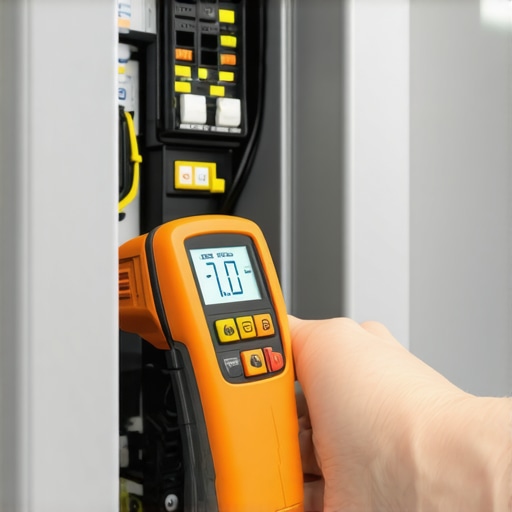
I do not just guess if my charging system is healthy; I verify it. After the leaf-in-the-plug incident, I became a bit of a data nerd about my garage setup. The single best investment I made for my peace of mind was a handheld infrared thermometer. It sounds like overkill until you realize that heat is the primary enemy of electrical longevity. Once a month, while the car is pulling its full 40 or 48 amps, I point that red laser at my circuit breaker. If I see temperatures climbing above 140°F, I know a connection is loosening or a breaker is failing. According to the International Association of Electrical Inspectors (IAEI), thermal cycling—the constant heating and cooling of wires during high-draw sessions—is what eventually leads to the mechanical failure of terminals. Catching a ‘hot spot’ early is the difference between a five-minute screw tightening and a three-thousand-dollar emergency panel replacement.
How do I keep my home charging station running for a decade?
Maintenance is not just about the wires; it is about the environment. If you have an outdoor setup, you are fighting a constant battle against oxidation and moisture. I recommend a simple routine of checking the holster for spider webs and using a specialized contact cleaner on the handle pins twice a year. You should look into 3 maintenance tasks that keep your outdoor charger running through winter to ensure the cold doesn’t crack your cable jacket. I have seen perfectly good units ruined because the owner let the cable sit in a puddle of salty slush for three months. Also, stay away from the ‘set it and forget it’ mentality with your firmware. Manufacturers frequently release patches that solve the exact ‘waiting for vehicle’ handshake bugs we discussed earlier. You can usually learn how to update your charger software without calling a technician right through the manufacturer’s portal.
Prepare Your Garage for the Bi-Directional Future
We are moving toward a world where your car does not just take power; it gives it back. Vehicle-to-Home (V2H) technology is the next big frontier, and your current troubleshooting efforts are actually preparing you for this shift. If your house cannot handle a steady intake of 11kW, it certainly won’t be able to handle your car powering your entire HVAC system during a blackout. This is why I am so adamant about upgrading your panel for better ev charging performance now. We are seeing a trend where ‘smart’ panels will become the standard, automatically balancing your dishwasher, dryer, and EV in real-time. If you’re already feeling the squeeze on your current service, remember that why a 100-amp service isnt always enough for two evs is a common hurdle for growing families. Planning for that second charger today prevents the ‘waiting’ light from becoming a permanent fixture in your life.
My final piece of advice? Stop treating your charger like a toaster and start treating it like a high-performance engine. It requires inspection, clean fuel (clean electricity), and occasional tuning. Avoid the the most common diy mistakes in home charger installations by double-checking your work against current 2025 standards. Tonight, I want you to go out to your garage while the car is charging and simply listen. If you hear a faint sizzling or a loud hum from the panel, that is your early warning system talking to you. Don’t ignore the signs that your electrical system is tired. Take ten minutes to verify your breaker temperatures or check for firmware updates right now—it is the easiest way to ensure you never wake up to a 4% battery again.
Why I Stopped Blaming My Car for Charging Fails
Over the years, I have learned that the charging handle is less of a ‘plug’ and more of a ‘conversation starter.’ If the car and the wall unit aren’t speaking the same language, nothing happens. My biggest lightbulb moment was realizing that troubleshooting ev charger issues is 90% about removing communication barriers. I used to think it was a hardware disaster, but it was often just a software update that hadn’t synced or a tiny bit of oxidation on the pins. I also learned that heat is the ultimate snitch; if your breaker is humming, it’s not working hard—it’s failing.
Another hard lesson? Never trust a DIY install without a second pair of expert eyes. I once thought I saved money by skipping a permit, only to find out my wire gauge was slightly off, causing a thermal throttle that I only caught by accident. You really need to how to verify code compliance for your ev charger installation before you rely on it for your daily commute. Understanding the difference between a minor glitch and a code violation is what keeps your garage from becoming a headline.
#IMAGE_PLACEHOLDER_E#
The Only Tools I Keep in My Glovebox
I don’t go anywhere without a few specifics that have saved me from being stranded or calling an expensive emergency technician. First, a high-quality electrical contact cleaner is essential for keeping those J1772 pins from getting grumpy in humid weather. Second, I always keep a digital copy of my specific unit’s manual on my phone; different manufacturers use different blink codes, and you don’t want to be guessing when you are at 2% battery. I also highly recommend looking into panel upgrade strategies to meet ev charging code requirements in 2025 if you plan on adding a second vehicle to your fleet soon.
For those of you who want to dive deeper into the technical side, the NFPA 70 (National Electrical Code) is the absolute source of truth. It might be dry reading, but understanding the common wire sizing error that causes voltage drops during charging will make you much more confident when inspecting your own setup. Trust the data and the physical specs, not the dashboard rumors you find on social media.
Take Control of Your Garage Power
You don’t have to be a victim of a pulsing blue light or a ‘Waiting for Vehicle’ message. By understanding the digital handshake and keeping your equipment maintained, you can ensure your home station is as reliable as a gas pump—actually, even more so. Remember that why your ev battery health depends on your home charger settings is a vital part of the long-term ownership experience. Don’t be afraid to open that app, check those torque settings, and take charge of your own infrastructure. You’ve done the hard part by switching to electric; now make sure the ‘fueling’ is the easiest part of your day.
Have you ever had your charger ‘ghost’ you right before a big trip or an early morning meeting? Let me know your own troubleshooting wins in the comments below!