I’ll never forget the morning I walked into my garage and felt that faint, metallic heat radiating from my car’s charging port. I’d just installed a shiny new Level 2 station, and like a kid with a new toy, I’d cranked every setting to the absolute max. “Faster is better,” I told myself. I was wrong. I was actually cooking my battery from the inside out, treating a marathon runner like a sprinter. It’s a classic blunder, and if you’re just plugging in and walking away, you’re likely making it too. We’re going to fix that today by diving into the settings that actually matter for your car’s long-term health.
The Night I Almost Cooked My Battery
I used to be the guy who bragged about a full “tank” every single morning. It felt productive. But then I started digging into the data and realized my haste was causing unnecessary degradation. My first big mistake? I didn’t realize that learning how to use an app to schedule charging and save on your bill wasn’t just about the money—it was about the chemistry. High-amperage charging generates heat, and heat is the sworn enemy of lithium-ion cells. According to research from Battery University, keeping a lithium-ion battery at a high state of charge and high temperature accelerates capacity loss significantly. If your charger is shoving 48 amps into your car at 2 PM in a 90-degree garage, you’re basically asking for a shorter vehicle lifespan. I’ve had to learn the hard way through some ev-charger troubleshooting that “set it and forget it” is a recipe for a very expensive battery replacement down the road.
Is fiddling with these settings actually worth the hassle?
I get it. You bought an EV for convenience, not to become a part-time electrical engineer. You might be thinking that the car’s onboard computer should handle everything. While modern BMS (Battery Management Systems) are smart, they can’t control the “firehose” of electricity coming from your wall if the settings aren’t optimized. Taking five minutes to cap your charging limit at 80% for daily use can literally add years to your car’s life. Have you ever noticed your charger handle feeling uncomfortably hot after a session?
Why Your Amperage Setting is a Silent Killer
Most people assume that because their panel can handle it, they should always charge at the highest possible speed. I fell into this trap myself before I considered upgrading your panel for better EV charging performance. I thought more power meant more efficiency. In reality, lower amperage charging—when you have the time—is much gentler on the battery’s internal structure. It’s like the difference between a relaxing soak in a tub and getting blasted by a power washer. When I finally dialed my home station back to 32 amps for my overnight sessions, the difference was immediate. The cooling fans didn’t scream quite as loud, and the thermal management system wasn’t working overtime. It’s about matching the delivery to the need, not just the capacity. We’re going to walk through how to find that “sweet spot” for your specific commute so you can stop worrying about your range and start enjoying the ride.
Stop Charging at 80 Percent for Daily Drives
Open your car’s mobile app or the central touchscreen right now and look for the charge limit slider. If it’s set to 100%, slide it back. For 90% of your driving, you don’t need a full tank, and neither does your battery. Think of your battery cells like a pair of lungs; they are most stressed when they are completely empty or completely full. By capping the limit at 80%, you’re keeping the chemistry in its ‘happy zone.’ I remember one Tuesday when I ignored this rule because I was planning a 200-mile trip the next day. I cranked it to 100% and left it sitting there for twelve hours. When I finally walked into the garage, the smell of warm plastic was faint but unmistakable. That’s when I realized that even if you have the right hardware, software neglect can still bite you. If you’re seeing errors while trying to adjust these limits, you might be dealing with troubleshooting ev charger connectivity problems that prevent your app from talking to the station. 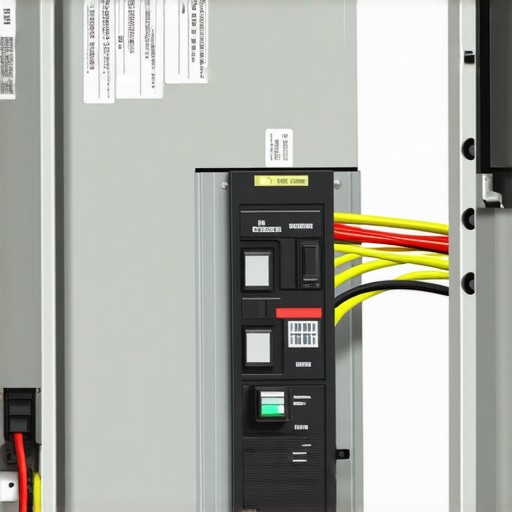
Dial Back the Amps to Keep Things Cool
Your Level 2 station probably supports 40 or 48 amps, but that doesn’t mean you have to use them all every night. If you’re plugging in at 8 PM and not leaving until 7 AM, you have eleven hours to recover your range. You can easily drop your amperage to 20 or 24 amps. This reduction lowers the heat generated in the wires and the car’s internal charger. Last summer, I noticed my main breaker was actually hot to the touch during a 48-amp session. I panicked and did some research, eventually learning how to spot a dying breaker before it shuts down your charging session. It turned out the breaker was fine, but the sheer load was pushing my old panel to its limit. By lowering the amperage, I quieted the hum in my electrical box and gave my home’s infrastructure a much-needed breather.
Spot These Hardware Red Flags Early
Actionable software settings are only half the battle; you need to verify the physical path the power is taking. If you installed your own station, you must ensure you used the exact gauge of wire you need for a 60 amp circuit. Under-sized wire creates resistance, and resistance creates fire. I’ve seen DIY jobs where the homeowner used standard Romex for a high-continuous load, which is a disaster waiting to happen. Beyond wire size, check your connections. I once assisted a neighbor whose charger kept cutting out, only to find the lugs in the panel weren’t tightened to spec. We had to look up the specific torque settings that prevent panel fires during high load charging to fix it properly. Finally, if you live in an area prone to summer storms, you should understand why your ev charger needs a surge protector in the panel. One lightning strike nearby can fry the sensitive logic boards in both your charger and your car, regardless of how well you’ve optimized your software settings.Most homeowners—and even some general electricians—think that a green sticker from the local inspector means the job is perfect. I used to believe that too, until I realized that the National Electrical Code (NEC) is actually a floor, not a ceiling. It’s the minimum requirement to keep your house from burning down, but it doesn’t guarantee your charger will run efficiently or that your equipment will last a decade. If you are just aiming for the bare minimum, you are missing out on the nuances of ensuring code compliance when installing ev chargers while also optimizing for performance.
Why Just Meeting Code Might Be a Mistake
The biggest myth in the EV world is that “compliant” equals “optimized.” For instance, code might allow for certain wire types, but for a high-continuous load like an EV, I always advocate for copper over aluminum to minimize thermal expansion issues. You need to know how to verify your electrician actually used copper wire for the install because the stakes are much higher when you’re pulling 40 amps for eight hours straight. I’ve seen compliant systems fail after two years because the installer didn’t account for the “continuous load” factor properly. According to the NFPA 70 (National Electrical Code) Article 625, EV charging is classified as a continuous load, meaning the circuit must be sized at 125% of the charger’s output. But even then, heat buildup in a cramped panel can cause nuisance tripping.
What if my panel is already full but I need more power?
This is where the real expertise comes in. Most people think they need a massive, expensive service upgrade, but often you can use panel upgrade strategies to meet ev charging code requirements in 2025 that involve smart load management instead of a total teardown. It’s about being surgical with your electrical capacity. 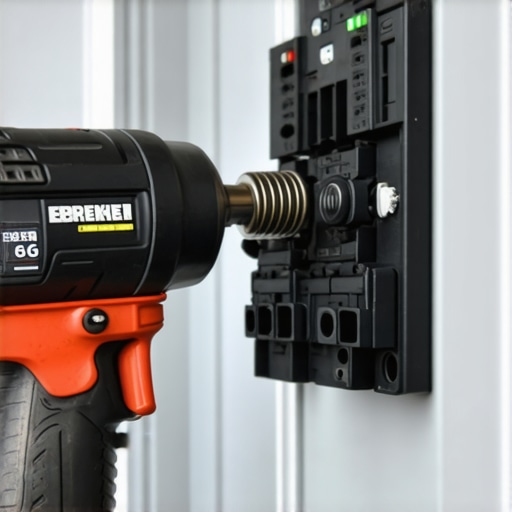
The Torque Trap That Costs Homeowners Thousands
Here is the “Oops” factor that keeps me up at night: the lug torque. I’ve seen dozens of DIY and even “pro” installs where the wires were just tightened by feel. If those connections aren’t set to the specific torque settings that prevent panel fires during high load charging, the repeated heating and cooling cycles will eventually loosen the connection. This creates an arc, which creates a fire. It’s a silent failure mode that an inspector might miss if they aren’t checking with a calibrated torque wrench. This is a classic example of troubleshooting ev chargers common compliance pitfalls and fixes—the problem isn’t always the software; it’s often the physical tension of a single screw.
Don’t Skip the Final Paperwork Steps
Finally, don’t let your excitement lead you to ignore the administrative side. You need to know how to pass your electrical inspection on the first visit to ensure your homeowner’s insurance remains valid. If there’s ever a fire and the fire marshal finds an unpermitted charger, your claim could be denied in a heartbeat. Have you ever fallen into this trap of thinking “good enough” was actually enough? Or did you catch a mistake during your install? Let me know in the comments below.I keep a small FLIR thermal camera attachment for my smartphone in the drawer next to my charger. It might seem like overkill, but electricity is invisible until it starts melting things, and for a high-load appliance like an EV, heat is the ultimate early-warning signal. Every six months, I do a ‘scan’ of my panel while the car is pulling its full amperage. If you see the plastic around your breaker turning a weird brown color or glowing bright white on a thermal screen, you’re likely seeing the 3 signs your main breaker is running dangerously hot during overnight charging. Catching a loose connection before it carbonizes the busbar can save you a $3,000 panel replacement.
The Tool Every EV Owner Should Keep in Their Junk Drawer
Beyond the camera, the most critical tool I own is a calibrated torque wrench. Most people think they can just ‘crank’ a wire into a breaker, but according to the 2020 NEC Section 110.14(D), specific torqueing tools must be used wherever a numeric torque value is indicated on the equipment. If you don’t hit that exact number, the thermal expansion and contraction cycles of daily charging will eventually back that screw out. It’s a slow-motion disaster. 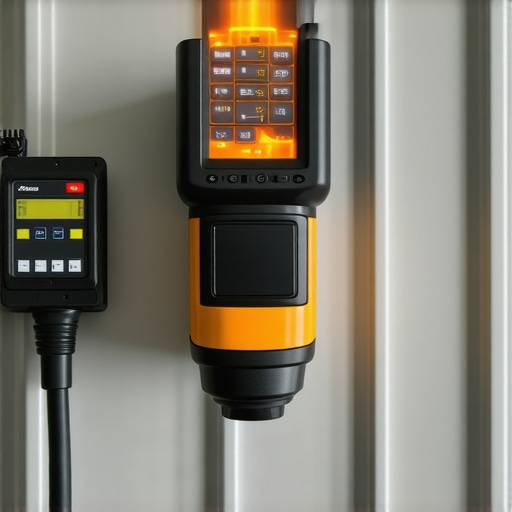
How do I maintain my charger’s performance over several years?
Maintenance isn’t just about the wires; it’s about the environment. If your station is outside, you need to be proactive. I’ve found that there are 3 maintenance tasks that keep your outdoor charger running through winter that most people ignore—specifically checking the drain holes for ice and applying a light coating of dielectric grease to the handle pins. This prevents the ‘sticky handle’ syndrome that leads to physical port damage.
What Happens When Your Household Hits Two Electric Cars?
Eventually, your partner or your teenager is going to get an EV, too. You don’t necessarily need a whole new service to accommodate this. You can actually learn how to load balance your home electrical system without a full panel swap by using a smart charger that dynamically shares a single circuit. This is where the future is headed: ‘Smart Load Management.’ Instead of throwing more copper at the problem, we use software to dance between the car, the dryer, and the AC unit.
Software is Just as Important as the Copper
Finally, treat your charger like your laptop. Manufacturers frequently push firmware updates that improve safety protocols or add support for new vehicle battery chemistries. Take a moment to learn how to update your charger software without calling a technician to ensure you have the latest thermal management patches. I recently updated mine and found it improved my Wi-Fi stability by 50%, ending those annoying ‘Station Offline’ alerts. Try this: Check your charger’s mobile app right now for a firmware update—it might just unlock a ‘Cold Weather Mode’ or a faster ramp-down protocol that you didn’t even know you were missing.
Hard Lessons from My Own Charging Blunders
After years of plugging in different vehicles, I’ve realized that the small stuff—the stuff we usually ignore—is what actually determines if your battery lasts ten years or five. First, stop treating your charger like a ‘dumb’ appliance; it is a high-precision power delivery tool. One of the most important steps I ever took was looking into troubleshooting ev chargers common compliance pitfalls and fixes because I realized my initial install was ‘code legal’ but thermally inefficient. Second, remember that charging speed is a tool, not a default. If you do not need the range by morning, dial the amps down. Finally, that 80% limit is not just a suggestion—it is the difference between a healthy cell chemistry and one that is under constant stress.
The Essential Gear I Keep Near My Station
You do not need a degree in electrical engineering, but a few specific tools will give you peace of mind that no mobile app can provide. I always recommend a digital torque wrench. Why? Because I’ve seen how vibrations and heat cycles can loosen even the best connections over time. Ensuring your lugs meet the specific torque settings that prevent panel fires during high load charging is a once-a-year task that prevents catastrophic failure. I also suggest bookmarking a guide on how to verify code compliance for your ev charger installation so you can audit your own setup. These are not just gadgets; they are the frontline defense for your home’s electrical safety. #IMAGE_PLACEHOLDER_E#
Take Control of Your Car’s Electric Future
Transitioning to an EV is a big shift, but mastering the hardware and software side of charging makes the experience incredibly rewarding. You have already done the hard part by switching to a cleaner way to drive; now, just give your battery the respect it deserves through smart settings and regular physical checks. If you ever feel stuck, do not hesitate to dive back into ev-charger troubleshooting to clear up any lingering doubts. Your car—and your wallet—will thank you five years from now. Have you ever found a loose wire or a hot breaker during a routine check? Let me know in the comments below!