I will never forget the smell. It was a Tuesday night, raining, and I had just finished installing what I thought was a perfect Level 2 charger setup. I skipped the boring math because I had a 200-amp panel, and I figured I had plenty of headroom. Ten minutes after I plugged in my car, a faint scent of burnt plastic wafted through the garage. My main breaker was running dangerously hot, and I was seconds away from a very expensive disaster. I had made the classic amateur mistake: I assumed capacity instead of calculating it. Today, I want to show you why that quick skip is the fastest way to drain your wallet and why a formal panel load calculation is your best friend when planning for an EV.
Your Main Breaker Won’t Forgive a Bad Guess
I have spent years tinkering with home projects, but this was my biggest wake-up call. I thought since I was not running the dryer and the AC at the same time, I was safe. I was wrong. When you add a continuous 40-amp or 48-amp load to an aging electrical system, you are not just plugging in another gadget; you are pushing your home to its absolute limit for hours at a time. If you have ever wondered why your main breaker hums when the car is charging, you are already seeing the warning signs I ignored. According to the National Fire Protection Association (NFPA), electrical malfunctions are a leading cause of home fire damage, often stemming from overloaded circuits that were never vetted for the actual demand. I learned the hard way that testing your house’s load before you buy the charger is much cheaper than replacing a melted bus bar or a fried panel later.
Is a Full Load Study Actually Necessary?
You might be thinking that your house is relatively new, so it should handle one extra charger without a problem. That is exactly what I told myself. But even modern homes have hidden loads like sump pumps, high-end kitchen appliances, or electric water heaters that eat up your headroom faster than you think. Skipping the calculation does more than just risk a fire; it usually leads to a failed inspection that forces you to redo the entire installation. Have you ever noticed your garage lights flickering or felt the panel cover get warm to the touch? I would love to hear about your experiences—have you faced these electrical gremlins after a new install? We are going to walk through how to avoid these disasters and ensure your home stays safe while you charge.
Stop Guessing and Start Calculating Your Real Capacity
Calculations are not just for math teachers; they are the difference between a charging car and a 911 call. Before you even look at a mounting bracket, you need to perform a formal load study. The National Electrical Code (NEC) Article 220 provides a specific formula to determine if your existing service can handle the extra weight. I remember the first time I actually sat down with my utility bills for a full twelve months. I had been guessing my peak usage for years, but the numbers showed that on hot July afternoons, my AC and pool pump were already pushing my 200-amp panel to 75% capacity. Adding a charger without checking would have been a disaster. You should load test your house before adding a second charger or even your first high-output unit to ensure you aren’t flying blind.
The 80 Percent Rule is Non Negotiable
Electric vehicle chargers are considered ‘continuous loads’ because they run for several hours at a time. Because of this, you cannot use 100% of a breaker’s rated capacity. If you want to charge at 40 amps, you need a 50-amp breaker. If you want 48 amps, you need a 60-amp breaker. This buffer prevents the heat buildup that causes breakers to trip or, worse, fail. Understanding the real reason your circuit breaker trips at 90 percent charge is vital for long-term safety. When I ignored this during a temporary setup, I found the breaker handle so hot I couldn’t touch it with my bare thumb. That is a sign of internal components degrading right in front of you.
Why Copper is the Only Choice for 50 Amp Circuits
When you are pulling significant current for eight hours straight, the material of your wire matters immensely. While aluminum is cheaper and great for main service lines, I always recommend copper for the final run to the charger. Copper is more conductive and less prone to the expansion and contraction issues that plague aluminum under high thermal stress. You need to verify the exact wire gauge you need for a 50-amp EV circuit—typically 6 AWG for most residential runs—to keep resistance low. I once saw a DIY install where someone used 10 AWG wire for a 40-amp charger because ‘it was what they had in the garage.’ Within two weeks, the insulation had turned brittle and started flaking off like dry skin. Always check the difference between copper and aluminum for EV wiring before you let a contractor talk you into the cheaper alternative.
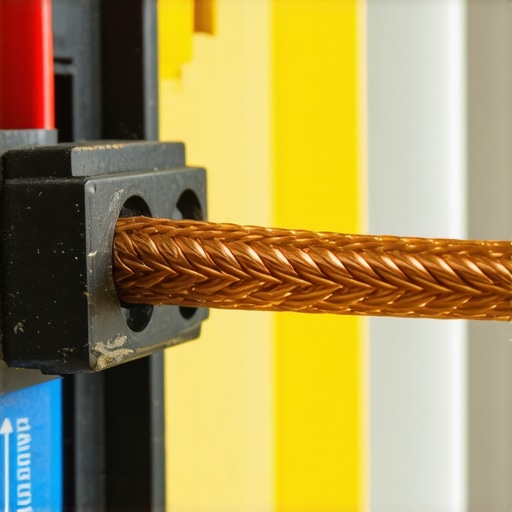
Tighten Those Lugs to the Exact Specs
One of the most overlooked steps in the entire process is the torque setting. Your charger’s manual and your breaker will have specific inch-pound requirements for the terminal screws. This is not the time to ‘hand-tighten until it feels right.’ Under-torqued connections create high resistance, while over-torqued connections can crush the wire and lead to hotspots. Utilizing the specific torque settings that prevent panel fires during high-load charging is a hallmark of a professional job. I bought a dedicated torque screwdriver just for my EV projects, and it was the best fifty bucks I ever spent. It turned out my ‘hand-tight’ was actually 15 inch-pounds under the manufacturer’s spec.
Skip the Service Upgrade with a Load Management Device
If your load calculation shows you are over the limit, don’t panic. You don’t always need a $3,000 service upgrade. Smart energy managers, or load-shedding devices, can monitor your home’s total intake. If you turn on the oven and the dryer at the same time, the device will temporarily pause or throttle the EV charger to keep the main breaker safe. You can use load shedding devices to avoid a full service upgrade while still getting the fast Level 2 speeds you need at night. This technology is a game-changer for older homes with 100-amp panels that otherwise couldn’t support modern electric mobility. Always consider panel upgrade strategies to meet EV charging code requirements in 2025 if you plan on adding a second vehicle down the road, but for a single-car household, load management is often the smarter, cheaper path.
Label Everything for the Next Person
Finally, clear communication inside your panel is a code requirement that many people treat as an afterthought. You must use the specific circuit labels required by the electrical inspector to ensure anyone working on the house later knows exactly which breaker kills the power to the garage. A piece of masking tape and a Sharpie won’t cut it. Use a proper label maker and place a directory on the inside of the panel door. It’s a small detail, but it’s the first thing an inspector looks for to see if the job was done by a pro or a panicked amateur.
Most DIYers and even some general contractors insist that a NEMA 14-50 outlet is the ‘gold standard’ for home charging because of its versatility. I’m here to tell you that’s a dangerous myth. While a plug-in unit is convenient, a high-output 48-amp charger is significantly safer and more reliable when it is hardwired directly into the panel. Over time, the repeated heating and cooling cycles of a 40-amp continuous draw can loosen the internal tension of a budget-grade outlet. I have seen the results firsthand: scorched plastic and blackened terminals. If your setup requires a plug, you absolutely must pick a NEMA 14-50 outlet that won’t melt under pressure, which usually means sourcing an industrial-grade unit rather than a cheap dryer-rated version.
Hardwire your charger or prepare for a meltdown
The ‘Oops’ factor often comes from assuming that once the hardware is in, the job is finished. I’ve seen homeowners fail an inspection months after the fact because they didn’t keep up with code compliance essentials for EV charger installations in 2025. Specifically, the latest NEC updates have shifted requirements for GFCI protection on outlets in garages, which leads to a classic headache: the ‘nuisance trip.’ According to data from the Electrical Safety Foundation International (ESFI), home electrical fires often involve older wiring systems or improper circuit protection being overtaxed by modern demands. If your charger keeps shutting down for no reason, you might be dealing with common compliance pitfalls and fixes that a standard multimeter won’t always catch.
The sneaky code rule your inspector won’t ignore in 2025
Many people believe that grounding is a simple ‘one-and-done’ task, but EV chargers are incredibly sensitive to ground-to-neutral voltage. If your garage was wired years ago, it might lack the specialized grounding necessary for modern vehicle software to communicate with the charging station. This can trigger a ‘check charger’ light on your dashboard that seems impossible to clear. Troubleshooting these ghosts in the machine is part of the expert tips for common issues that separate a hobbyist from a pro. Before you call it a day, you must verify code compliance for your EV charger installation through a professional audit to ensure your warranty remains valid.
Why does your GFCI trip even when the car is miles away?
This is one of the most sophisticated questions I get from readers. You would think that no car means no load, which should mean no trip. However, internal leakage current in the charger’s monitoring circuit can interact poorly with certain types of GFCI breakers. Knowing why your EV charger trips the GFCI even when not in use requires looking at the electrical noise and ‘bleeder’ resistors inside the unit. Have you ever fallen into this trap where a ‘simple’ install turned into a month-long troubleshooting saga? Let me know in the comments below, and we can figure out the solution together.
Ditch the Guesswork with a Budget Thermal Camera
I used to think my nose was the best diagnostic tool, but by the time you smell ozone or burnt plastic, the damage is already done. Now, I use a small thermal camera that plugs into my phone—it’s the single most important tool in my kit. Every six months, I pop the cover off my panel while the car is pulling its full 48 amps. If I see a glowing ‘white-hot’ spot on a terminal, I know a connection has vibrated loose or oxidized. This is a critical part of ensuring code compliance when installing EV chargers over the long haul. Most people install it and forget it, but heat is a silent killer of electrical components. Even a tiny gap in a terminal can lead to arcing that destroys your equipment before the breaker even thinks about tripping. 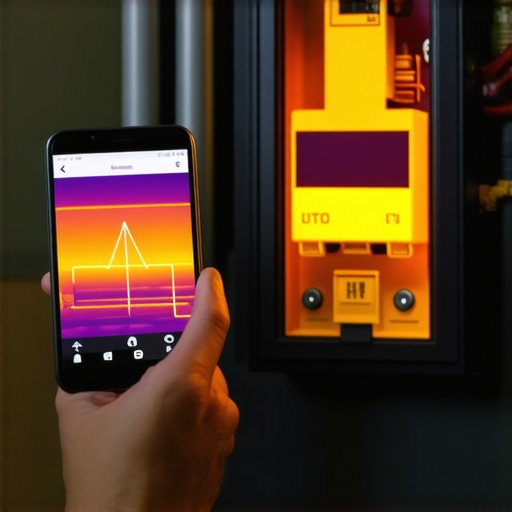
Prepare for the Multi-Car Garage Without Digging More Trenches
The trend I see coming—and it’s coming fast—is the two-EV household. If you are already upgrading your panel for better EV charging performance, do not just think about today’s Bolt or Tesla. Think about the electric truck or SUV you will buy in three years. Instead of running a second dedicated line later, which might involve tearing up your driveway, consider a subpanel in the garage now. You can learn how to install a second EV charger for a multi-car household by using units that support local load-balancing. This allows two chargers to communicate and how to balance multiple EVs on a single home circuit without ever exceeding your total capacity. It’s the ultimate ‘future-proof’ move that keeps your home safe while your fleet grows.
How can I prevent my charger from wearing out early?
Maintenance is simpler than you think but more important than most realize. First, always make sure you know how to update the firmware on your smart charging station. Manufacturers like Wallbox and ChargePoint frequently release patches that improve thermal management and fix troubleshooting EV charger connectivity problems. Second, keep that handle off the floor. Dirt and moisture inside the pins are the leading causes of port failure. If you are charging outside, there are 3 maintenance tasks that keep your outdoor charger running through winter, including checking for ice build-up in the latch mechanism. Technical documentation from the Schneider Electric Electrical Installation Guide emphasizes that periodic inspection of termination points for discoloration is the only way to prevent catastrophic failures in high-load residential environments. My advanced tip for you? Buy a high-quality torque screwdriver and re-verify your breaker connections after the first month of heavy use. Copper ‘creeps’ slightly under heat cycles, and that tiny bit of movement is all it takes to start a fire. Go check your terminal tightness today—it takes five minutes and could save your home.
The Lessons My Melted Panel Taught Me About Home Safety
Reflecting on my early mistakes, I realized that electricity is indifferent to our best intentions; it only respects physics. One major lightbulb moment was realizing that torque isn’t a suggestion, it’s a safety barrier. I now re-check my terminal screws every year because thermal expansion is real. I also learned that ensuring code compliance when installing EV chargers is the only way to protect your insurance policy and your family. If you haven’t looked at your breaker with a thermal lens yet, you’re missing the invisible warning signs of oxidation. If you run into weird software glitches, ev charger troubleshooting expert tips for common issues can save you from calling an electrician for a simple firmware fix or a reset protocol.
The Gear That Keeps My House From Burning Down
I don’t trust my gut anymore; I trust calibrated tools that provide objective data. My toolkit now includes a high-end torque screwdriver and a dedicated circuit analyzer to ensure every connection is solid. I also highly recommend keeping a copy of the latest NEC handbook nearby for quick reference on grounding and bonding. These resources help me when troubleshooting ev charger connectivity problems that might actually be ground-to-neutral voltage issues. I personally rely on the data from the Electrical Safety Foundation International to stay updated on emerging residential risks. Knowing how to verify code compliance for your ev charger installation is a skill that pays for itself the moment you avoid a red-tagged inspection from the city.
#IMAGE_PLACEHOLDER_FINAL#
Build a Garage That’s Ready for 2030 Today
Adding an EV is just the beginning of your home’s energy evolution into a modern power hub. As we move toward more sustainable living, your electrical panel becomes the brain of your entire house. Don’t be afraid to over-spec your wiring now to save thousands on labor costs later when you add more chargers. Whether you are upgrading your panel for better ev charging performance or just tidying up a basic install, do it with the next decade in mind. This technology is exciting, and with the right safety protocols, it’s incredibly rewarding to drive on sunshine. Have you ever found a loose wire or a hot breaker during a routine check? Let me know below.