I stood in my driveway last February, shivering in my pajamas, while my car sat dead as a doornail despite being plugged in all night. I’d spent good money on a professional installation, but that little red ‘error’ light didn’t care about my investment. When I finally cracked open the pedestal, I didn’t see a snapped wire or a blown fuse. Instead, I saw a tiny, creeping patch of turquoise fuzz on the copper terminals. It looked harmless, like a middle school science experiment, but it was enough to stop 40 amps of power dead in its tracks. Most of us assume that if it’s rated for the outdoors, it’s invincible. That mistake cost me a whole Saturday and a lot of frustration. Today, I’m going to show you how to hunt down these hidden electrical gremlins before they leave you stranded.
The Day the Weather Won Against My Charging Station
You’d be surprised how fast a little moisture turns a high-end setup into a paperweight. I learned the hard way that why commercial charger pedestals fail after the first heavy winter usually has nothing to do with the quality of the charger itself and everything to do with how the pedestal breathes. Corrosion is a silent killer because it increases resistance, which generates heat. If you aren’t careful, that heat eventually leads to the mistake that causes ev charger motherboards to fry during storms or even melting your expensive cables. Early in my DIY journey, I tried to ‘save time’ by skipping a proper gasket check, thinking the metal casing was enough—big mistake. Now, I make it a habit to check for moisture ingress every time the seasons shift.
Is a little bit of green fuzz actually dangerous?
Absolutely. According to the Electrical Safety Foundation International (ESFI), nearly 51,000 home fires each year involve electrical failure or malfunction, and environmental degradation is a massive contributing factor. When you see that green oxidation (verdigris), it’s a sign that your connection is no longer solid. If you’ve ever wondered how to fix a check charger warning on your cars dashboard, the answer might be hiding behind a slightly loose seal on your mounting post. We need to look at how to protect your outdoor ev charger from heavy rain and snow by looking deeper than the surface. Tell me, have you ever opened your outdoor electrical box and found something living—or growing—inside?Cleaning that green fuzz isn’t just about aesthetics; it’s about restoring the ‘highway’ for your electrons. Think of corrosion like a pile of debris on a freeway. Cars (electrons) can still get through, but they have to slow down, and they create a lot of friction and heat in the process. I once tried to just wipe it off with a dry rag, but that didn’t do squat. You need a stiff nylon brush and a bit of high-grade contact cleaner to get back to shiny copper. If you notice discoloration on the plastic housing while you’re cleaning, stop immediately. That’s usually the reason your ev charger smells like burnt plastic and indicates the internal components are already compromised.
Stop the Water Before It Starts the Fire
If you see moisture inside the housing, your gaskets are failing. Think of your charger pedestal like a submarine—one tiny leak in a seal will eventually sink the whole ship. I found a colony of spiders in mine once, and their webbing had actually trapped enough humidity to short the board during a humid morning. Learning the proper way to seal conduit openings against spiders and dust is the difference between a five-minute seasonal check and a $600 replacement. You should also verify that your wiring matches local standards, as why your ev circuit needs a dedicated neutral in some jurisdictions often comes down to preventing stray voltage from tracking back through your ground during wet weather.
Tighten Every Connection to Spec
Heat is your biggest enemy in an outdoor setup. Every time electricity flows, your wires expand slightly. When they cool, they contract. This ‘breathing’ can eventually loosen your terminal screws. A loose connection is a high-resistance connection, and high resistance equals dangerous heat levels. This is exactly why your main lugs might be loose after a year of charging. I once smelled a faint ozone scent in my garage and found a terminal screw so loose I could turn it with my fingernail. Now, I use a calibrated torque wrench every six months. Understanding why your charger needs a specific torque setting to pass inspection isn’t just for the city guy; it’s the only way to ensure the connection won’t vibrate itself into a fire hazard. 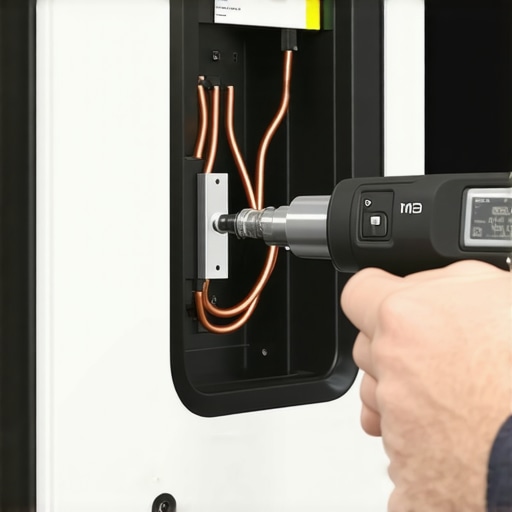
Balance the Load or Face the Consequences
You can’t just slap a 50-amp breaker onto a panel that’s already gasping for air and expect it to survive a heatwave. If your lights flicker when the car starts charging, you’re pushing the limits of your service. I learned that why your ev permit application requires a load calculation worksheet is primarily to protect your utility transformer and your own main breaker from premature failure. If you’re running a hot tub, an AC, and an EV at the same time, you’re essentially trying to fit a gallon of water into a pint glass. If the unit still won’t fire up after you’ve checked the load, you might need to how to diagnose a faulty internal relay in your charging station to see if the hardware itself gave up the ghost.
Know When to Upgrade Your Service
Sometimes, no amount of maintenance can save an undersized system. If your panel is from the 1980s, it simply wasn’t built for the continuous, multi-hour high-draw of an electric vehicle. You need to look into panel upgrades for ev chargers before you start seeing real signs of failure, like charred bus bars or tripped mains. In my case, I had to accept that my old 100-amp service just couldn’t hack it. Moving to a 200-amp service felt like a massive expense at the time, but it beat the anxiety of the mistake that causes ev charger motherboards to fry during storms because older, weaker breakers couldn’t handle the minor surges that modern units can normally shrug off.Most electricians will tell you that a 100-amp panel is a dealbreaker for a Level 2 charger. They’ll hand you a quote for a full service upgrade and tell you there’s no other way. But here’s the contrarian truth: you can often dodge that massive bill by being smarter about how you manage your juice. Instead of just adding more capacity, you should look into how to use load shedding devices to avoid a full service upgrade. These ‘smart’ controllers act as a traffic cop, pausing your car’s charging if the electric range or AC kicks on and resuming once the coast is clear. It’s a sophisticated way to achieve upgrading your panel for better ev charging performance without the utility company having to dig up your front yard. 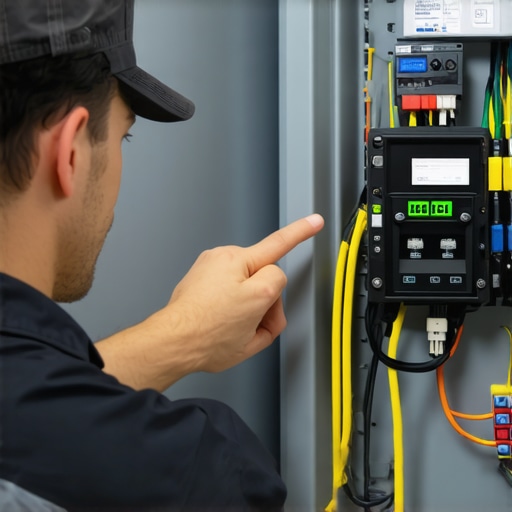
The GFCI Trap That Leaves Your Battery Empty at 6 AM
One of the biggest ‘oops’ factors I see—and I fell for this one too—is the double GFCI trap. Modern EV chargers, especially high-end ones, have built-in Ground Fault Circuit Interrupter (GFCI) protection. If your local inspector insists on a GFCI breaker in the panel as well, you’ve just created a recipe for why the gfci in your panel keeps nuisance tripping your charger. The two systems essentially ‘talk’ over each other, and you’ll wake up to a dead car because a tiny bit of harmless leakage current tripped the panel breaker before the charger could even react. Navigating these troubleshooting ev chargers common compliance pitfalls and fixes requires a bit of pushback. You need to know how to verify code compliance for your ev charger installation so you can explain to your installer why a hardwired connection often bypasses the need for that extra, problematic breaker.
How the 80% Rule Can Save (or Sink) Your Installation
The mistake most people make is calculating their load based on peak usage rather than continuous draw. In the electrical world, if a device runs for more than three hours, it’s a ‘continuous load.’ According to the National Electrical Code (NEC) Article 625.42(B), energy management systems can now be used to limit the load on a service, but you still must respect the 125% safety buffer. This means your 40-amp charger actually requires a 50-amp circuit. If you skip this, you’re not just breaking code—you’re inviting the breaker to heat up and trip prematurely. This is a core part of code compliance essentials for ev charger installations in 2025. I’ve seen DIYers try to use a standard outlet for their daily commute, not realizing that why you should never use a standard outlet for daily ev charging is mostly about these sustained thermal stresses. A cheap $5 outlet isn’t built to handle 10 hours of high-current flow without melting.
Can my current electrical setup handle a dual-charger system?
It depends on more than just your main breaker size. Even if you have physical space, you must account for the hidden cost of skipping a panel load calculation. If you’re planning for a multi-EV household, you should explore panel upgrade strategies to meet ev charging code requirements in 2025 that include dynamic power sharing. This allows two chargers to split a single circuit dynamically. If only one car is plugged in, it gets the full power; if two are plugged in, they share it. It’s a genius way to avoid a second dedicated line and a larger service upgrade. Have you ever been told you absolutely needed a massive upgrade, only to find a smarter workaround later? Let me know in the comments below.
I’ve realized that most people treat their EV charger like a toaster—plug it in and forget it exists. But a toaster doesn’t pull 11 kilowatts of power for eight hours straight while sitting in a damp garage. To keep my setup from melting down, I’ve invested in a few specific tools that most DIYers overlook. My absolute favorite is a digital torque screwdriver. It sounds overkill until you realize that why your charger needs a specific torque setting to pass inspection isn’t just about bureaucracy; it’s about preventing the thermal expansion that leads to arcing. I also keep a cheap infrared thermometer in my toolbox. Once a month, while the car is pulling its max current, I point it at the breaker. If I see a jump above 60°C (140°F), I know I’ve got a loose connection or a failing component before I ever smell smoke. This proactive approach is the core of ev charger troubleshooting expert tips for common issues.
How do I maintain my home charging station over time?
Maintenance isn’t just about tightening screws. Every season, I take a can of high-quality electronic contact cleaner and a lint-free cloth to the plug pins. Dust and road salt can build up, and that friction is exactly why your ev plug contacts look burnt and what to do next becomes a nightmare repair. You should also regularly check your app for software notifications. Learning how to update the firmware on your smart charging station is vital because manufacturers often push thermal management patches that protect the motherboard from overheating during summer heatwaves. If you neglect the digital side, you’re essentially running an outdated computer that handles enough juice to power your whole house. I also recommend a quick visual check of the cable jacket for any nicks or ‘kinking’ that happens from dragging it across the concrete. If you see internal wires, you need to learn how to replace a frayed cable without buying a new station before your next charge.
Don’t Let the Inspector Catch You Off Guard
When you start scaling—maybe adding a second car or a sub-panel—you enter the world of strict code compliance essentials for ev charger installations in 2025. The National Fire Protection Association (NFPA), specifically in the NFPA 70 (NEC) 2023 edition, Section 625.42, now explicitly allows for Energy Management Systems (EMS) to control the maximum load. This is a game-changer. It means you can often skip the $3,000 utility upgrade by using a system that balances the load between your car and your dryer. If you’re unsure if your current setup is legal, you must know how to verify code compliance for your ev charger installation. I’ve seen too many people get hit with ‘stop work’ orders because they didn’t realize why the city inspector failed your garage wiring over a missing dedicated neutral or a wrong-sized conduit.
What the Future of Home Charging Actually Looks Like
The trend is moving away from ‘dumb’ chargers toward Vehicle-to-Home (V2H) integration. In the next few years, your car won’t just take power; it will provide it during outages. This is why upgrading your panel for better ev charging performance now is a smart move—you’re preparing your home to be its own microgrid. If you’re struggling with a current setup, don’t just keep flipping the breaker. Dive into troubleshooting ev chargers common compliance pitfalls and fixes and identify the root cause. My best advice? Go buy a torque wrench today and check your terminal lugs. It’s the single most effective way to ensure your house stays standing while your car gets its fill. Go ahead, check those connections this weekend—you might be surprised what a half-turn of a screwdriver can prevent.
Hard Lessons from a Melted Terminal Block
Looking back on my first year of EV ownership, I realized that the biggest mistake isn’t doing the work yourself; it’s assuming the work is ‘done’ once the inspector leaves. Electricity is dynamic, and a high-draw device like a charger changes the thermal landscape of your home. First, never underestimate the power of vibration. Even if your car sits perfectly still, the 60Hz hum of electricity causes microscopic movements that loosen screws over time. Second, the ‘sniff test’ is a real diagnostic tool—if your garage smells like ozone or fishy plastic, something is arcing. Finally, I’ve learned that ensuring code compliance when installing ev chargers is actually the cheapest insurance policy you’ll ever buy. It’s not just about the law; it’s about sleeping soundly while your car gulps down power 20 feet from your bedroom.
The Gear That Keeps My Garage Safe
You don’t need a van full of tools to keep your system running, but you do need the right ones. I personally swear by a digital torque screwdriver for every seasonal check—it’s the only way to avoid the guessing game that leads to why your main lugs might be loose after a year of charging. I also recommend keeping a non-contact infrared thermometer handy. If your breaker is significantly hotter than the ones next to it during a charge, you’ve found a problem before it becomes a failure. For the digital side of things, keep your manufacturer’s app updated to ensure you have the latest ev charger troubleshooting expert tips for common issues built into your hardware’s logic. Lastly, if you’re feeling overwhelmed by the technical specs, don’t guess—take the time to how to find an electrician who actually understands ev codes so you can focus on driving rather than worrying about wire gauges.
Ready to Master Your Home Microgrid?
Transitioning to an electric vehicle is more than just a car purchase; it’s an upgrade to how your home handles energy. By staying proactive with your maintenance and understanding panel upgrade strategies to meet ev charging code requirements in 2025, you aren’t just following rules—you’re building a resilient, modern infrastructure for the future of transportation. Don’t let the technical jargon or the sight of a panel board intimidate you. Start with a simple visual check this weekend and build your confidence from there. You’ve got this. Have you ever discovered a loose wire or a hot breaker during a routine check, or did a ‘check charger’ light catch you by surprise? Let me know in the comments below!