I stood in my driveway last summer, staring at my brand-new Tesla and clutching a heavy-duty wall connector, feeling like I’d finally joined the future. Then I looked at the side of my house. My utility meter, a relic from the early 90s, looked less like a modern piece of infrastructure and more like a ticking clock. I’d done all the research on the car, but I’d completely ignored the gateway through which all that power had to flow. It’s a common trap: we get caught up in the shiny tech and forget that our homes weren’t exactly built with 48-amp continuous loads in mind. If you’re worried that your house might literally dim the lights in the next neighborhood over when you plug in, you aren’t alone. I’ve been there, staring at a spinning dial and wondering if my homeowner’s insurance was paid up. Today, we’re going to fix that anxiety with some hard facts and a little bit of neighborly inspection.
Your Utility Meter Is the Gateway You Can’t Ignore
When I first started messing around with home charging, I made a massive rookie mistake. I figured that since my main breaker said 100 Amps, I had 100 Amps of free-flowing energy to play with at any given time. I didn’t realize that why a 100-amp service isn’t always enough, especially when you factor in the air conditioner, the dryer, and the electric oven all fighting for a piece of the pie. Your utility meter is the first point of contact between the massive power grid and your personal life. If that meter isn’t rated for the total potential draw of your home plus the new charger, you’re looking at more than just a tripped breaker; you’re looking at potential equipment failure or a call from the utility company asking why you’re melting their equipment. Before you even think about panel upgrades for ev chargers, you need to verify what that grey box is actually capable of handling. I remember the panic of seeing my lights flicker for the first time; don’t let that be your introduction to EV ownership.
Is Checking the Meter Actually Worth the Hassle?
You might be thinking, ‘Hey, if the car charges and nothing catches fire in the first ten minutes, I’m probably fine, right?’ Well, not exactly. I learned the hard way that the hidden cost of skipping a panel load calculation can involve expensive emergency electrician visits at 2 AM when the busbars start to complain. According to the National Fire Protection Association (NFPA), electrical malfunctions are a leading cause of home fires, often stemming from overloaded circuits that were never designed for the grueling, multi-hour draw of a Level 2 charger. By taking ten minutes to look at the CL (Class) rating on your meter—usually CL200 for modern 200-amp services or CL100 for older ones—you can avoid a catastrophe that your wallet isn’t ready for. Today, I’m going to walk you through the physical signs of an overtaxed meter and how to load test your house without needing a degree in electrical engineering or a closet full of expensive sensors. Have you ever noticed your meter glass feeling hot to the touch or heard a faint, rhythmic humming sound when your heavy appliances are running? If so, have you ever actually checked if your service can handle that extra 40 or 50 amps? Let’s dive into what those confusing numbers on the faceplate actually mean for your EV dreams and how to spot a problem before the smoke does the talking for you.
Decode the Numbers on That Grey Box
The first thing you need to do is get up close and personal with your utility meter. Look for the ‘CL’ rating on the faceplate. This ‘Class’ rating tells you the maximum amperage the meter is designed to handle continuously. A CL200 meter is the gold standard for modern homes, comfortably supporting a 200-amp service. If you see CL100, you are likely working with an older 100-amp service, and you need to be extremely careful. I once ignored a rhythmic humming sound coming from my meter box during a heatwave. I figured it was just the old hardware working hard. Two weeks later, I discovered that why your breaker gets hot to the touch during charging isn’t just a quirk; it’s a warning sign of impending failure. My meter wasn’t just humming; it was vibrating because the internal components were struggling to stay cool under the load of my new charger. 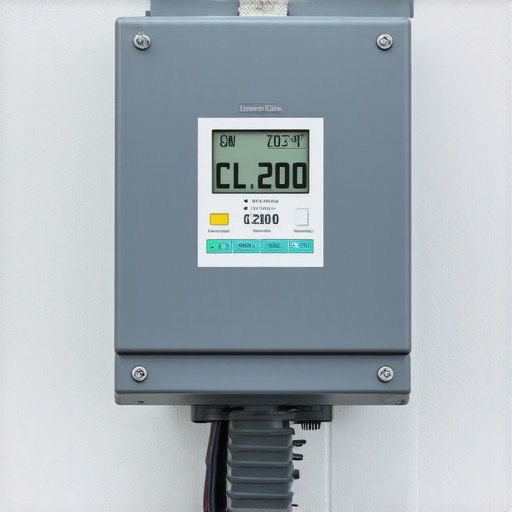
Check for These Red Flags Before You Plug In
Physical inspection is your best friend. Look for any discoloration on the meter lugs or the wires entering the top of the box. If you see blackening or signs of melting plastic, stop immediately. This is often caused by loose connections, which is why professionals emphasize the specific torque settings that prevent panel fires during high load charging. A loose lug creates resistance, and resistance creates heat—lots of it. I’ll never forget the night I decided to ‘stress test’ my setup by running the oven and the dryer while my car was ramping up. I walked outside with an infrared thermometer and the meter glass was reading 135 degrees Fahrenheit. It wasn’t just warm; it was cooking. That was the moment I realized why a 100-amp service isn’t always enough for a modern, electrified lifestyle.
Why a Quick Load Calculation Saves Your Sanity
Before you commit to a high-speed Level 2 install, you must perform a load calculation. This isn’t just about adding up the numbers on your breakers; it’s about understanding the ‘demand’—the actual amount of power your home uses at peak times. If you skip this, you are effectively gambling with your home’s electrical integrity. I recommend learning how to load test your house before adding a second charger or even your first one. Most people realize the hidden cost of skipping a panel load calculation only after their main service fuse blows on a Sunday night. By following code compliance essentials for ev charger installations in 2025, you ensure that your meter, your panel, and your car can all coexist without triggering a blackout in your own living room. Always how to verify code compliance for your ev charger installation to stay on the right side of your insurance policy and your local utility provider’s regulations.Most homeowners think that if they have a 200-amp panel, they’re invincible. But here’s the contrarian truth: a 200-amp service with poor balancing is actually more dangerous than a 100-amp service that’s been professionally managed. I’ve seen brand-new panels turn into expensive paperweights because someone assumed ‘more room’ meant they didn’t need to worry about ensuring code compliance when installing ev chargers. The real nuance that most people miss is the ‘continuous load’ factor. According to the National Electrical Code (NEC) Article 625, EV charging is classified as a continuous load, meaning it can run for three hours or more at its maximum draw. This requires a 125% safety buffer on your circuit. If you’re pulling 48 amps, you need a 60-amp breaker. If you skimp here, you’re not just risking a trip; you’re degrading the physical integrity of your busbars every single night through thermal stress.
Why Does My Charger Keep Tripping the GFCI Even When It’s Not Charging?
This is a sophisticated headache that drives even experienced DIYers crazy. Many modern EVSEs (Electric Vehicle Supply Equipment) have internal GFCI protection built into their motherboards. When you pair that with a GFCI breaker in your panel—which is often required by the latest code compliance essentials for ev charger installations in 2025—the two systems can actually ‘fight’ each other. This results in ‘nuisance tripping’ where the breaker pops for no apparent reason. Understanding why the gfci in your panel keeps nuisance tripping your charger is the difference between a reliable morning commute and waking up to a dead battery. The ‘oops’ factor I see most often involves the lugs. I cannot stress enough that the specific torque settings that prevent panel fires during high load charging aren’t suggestions. If you don’t use a calibrated torque screwdriver, those thermal cycles will eventually loosen the connection through a process called ‘creep.’ I once found a lug that was so loose it had started to arc, melting the insulation back six inches before the breaker even realized there was a fault. 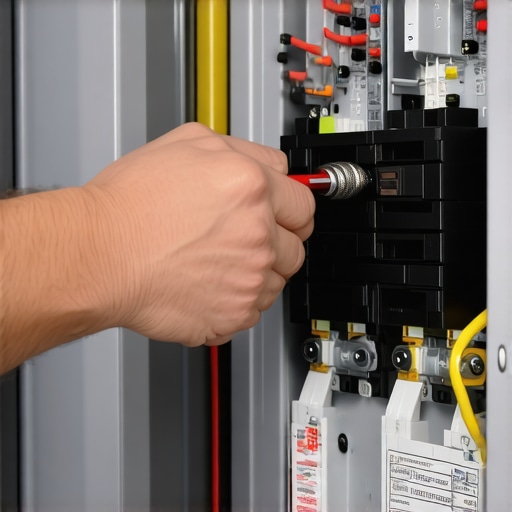 Before you rush into upgrading your panel for better ev charging performance, look at your existing configuration and consider how to add an ev charger without a 200 amp panel upgrade by using smart load management devices. Also, pay attention to your wire materials. Many people assume aluminum is ‘cheap,’ but if it’s sized correctly and the terminations are rated for it, it’s a perfectly viable option. However, you must how to verify your electrician actually used copper wire for the install if that’s what you paid for, as mixed metals can cause oxidation nightmares. Have you ever fallen into the trap of thinking a bigger panel would solve all your flickering light issues? Let me know in the comments. If you’re still hitting walls, check out these ev charger troubleshooting expert tips for common issues before you call for a full service replacement. Sometimes the fix is a fifty-dollar load shedder, not a four-thousand-dollar utility upgrade.
I’m a bit of a gadget nerd, but when I bought a FLIR thermal imaging attachment for my smartphone, my neighbors thought I’d finally gone off the deep end. That was until I showed one of them the ‘glow’ coming from my main breaker while the car was charging. It wasn’t on fire—not yet—but it was significantly hotter than the surrounding circuits. This tool is now my first line of defense. If you’re serious about DIY safety, a thermal camera and a calibrated torque screwdriver are non-negotiable. These aren’t just for pros; they are for anyone who doesn’t want to wake up to a service call for troubleshooting ev chargers common compliance pitfalls and fixes. I make it a habit to scan my panel every six months while the car is pulling its full load. If I see a lug that’s 20 degrees hotter than its neighbor, I know exactly where the resistance is building. Often, it’s just a matter of re-torquing the connection to the manufacturer’s exact specification, which is a vital part of ensuring code compliance when installing ev chargers.
How Do I Keep My Charging Setup Safe for the Next Decade?
The ‘set it and forget it’ mentality is a dangerous game with high-amperage equipment. Think of your charger as a high-performance appliance that works harder than your HVAC and water heater combined. I’ve found that the biggest long-term failure point isn’t the wires themselves; it’s the software and the environmental wear and tear. You need to know how to update the firmware on your smart charging station regularly. Manufacturers push these updates to fix bugs that could lead to overheating or communication errors that result in why your smart charger app is giving you wrong data. Furthermore, if your unit is outside, you absolutely must follow these 3 maintenance tasks that keep your outdoor charger running through winter to prevent moisture ingress and terminal corrosion.
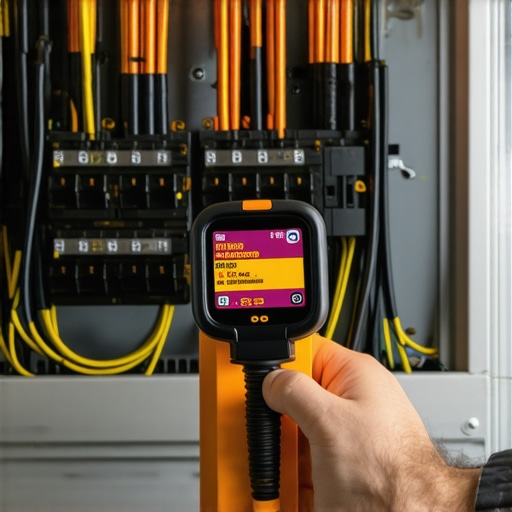
The International Association of Electrical Inspectors (IAEI) suggests that high-continuous-load equipment should undergo a visual and thermal inspection annually to ensure the integrity of the terminations hasn’t been compromised by constant thermal expansion and contraction. If you aren’t comfortable opening your panel, you should definitely learn how to find an electrician who actually understands ev codes to perform a preventative maintenance check every year or two. Looking ahead, the trend is moving toward ‘Smart Service Panels’ becoming the standard. These panels allow you to prioritize loads digitally, which might eventually eliminate the need for massive upgrading your panel for better ev charging performance because the panel will automatically manage the load for you. It’s the ultimate solution for how to verify code compliance for your ev charger installation in older homes. For now, my best advice is to stop guessing. Go out to your garage tonight, plug in your car, and after 30 minutes, just listen. If you hear buzzing or smell something like ‘hot electronics,’ grab a thermal camera or call a pro to check those torque settings immediately.
What the Utility Company Won’t Tell You About Your Old Service
After years of tinkering with home setups, I’ve realized that the nameplate on your meter is only half the story. Here are the lightbulb moments that saved my garage from a very expensive meltdown:
- The 80% Rule is Non-Negotiable: Many people assume they can run their service at 100% capacity. In reality, for a continuous load like an EV, you should never exceed 80% of your breaker’s rating. If you’re pushing the limits, you need to know how to use load shedding devices to avoid a full service upgrade.
- Expansion and Contraction are Real: Metal moves when it gets hot. I learned that ignoring the specific torque settings that prevent panel fires during high load charging is the number one cause of long-term failure. A connection that felt tight in June might be dangerously loose by January.
- Balance Your Phases: If all your heavy appliances are on one side of your panel, you’re creating an imbalance that stresses your utility meter. Learning how to balance multiple evs on a single home circuit or even just balancing your car against your AC unit is vital for system longevity.
My Personal Toolkit for a Bulletproof Charging Setup
I don’t go near a high-voltage panel without these specific items. They transitioned me from a nervous hobbyist to a confident homeowner:
- FLIR Thermal Imaging Camera: This is my most trusted tool. It allows me to see heat building up in a breaker long before a failure occurs. It’s the ultimate way to stay on top of troubleshooting ev chargers common compliance pitfalls and fixes.
- Calibrated Torque Screwdriver: Don’t guess. Using a tool set to the exact inch-pounds required by the manufacturer ensures your lugs won’t arc.
- The NEC Handbook: I keep a copy of the National Electrical Code nearby to reference code compliance essentials for ev charger installations in 2025. It’s the only way to be sure your insurance company will honor a claim if something goes wrong.
- Smart Load Manager: If you are struggling with a smaller service, a load manager is a lifesaver. It’s a great alternative to upgrading your panel for better ev charging performance.
Your Journey to Stress-Free Charging Starts Here
Don’t let the technical details overwhelm you. Taking the time to inspect your meter and verify your load isn’t just about avoiding a fire; it’s about the peace of mind that comes with knowing your home is running efficiently. By learning how to verify code compliance for your ev charger installation, you’re taking control of your home’s most powerful appliance. You’ve done the hard work of switching to electric; now make sure the foundation is solid. Have you ever walked into your garage and noticed a strange humming or a faint smell of hot plastic while your car was plugged in? Let me know your experience in the comments below!