I remember standing in my garage at 11 PM, headlamp strapped to my forehead, squinting at an electrical panel that looked like a toddler had been given a Sharpie and total creative freedom. I had just finished what I thought was a clean installation, but when it came time to actually flip the switch, I realized I had no idea which 50-amp breaker was for the car and which one was for the double oven. In my excitement to get my new Tesla charging, I had skipped the most ‘boring’ part of the job. It’s a classic rookie move that I still kick myself for today. If you have ever felt that sudden surge of panic after realizing you have no idea how to kill the power to a high-voltage line, you are in the right place. Today, I am going to walk you through why slapping a piece of masking tape on your panel isn’t just lazy—it’s a safety hazard. We are going to fix your panel directory so it is clear, compliant, and professional.
Stop Guessing Which Breaker Powers Your Car
The reality is that EV chargers aren’t like your toaster or a bedside lamp. They represent a massive, continuous load on your home’s electrical system. Because of this, panel upgrades for EV chargers often involve high-amperage breakers that need to be instantly identifiable in an emergency. If a component starts to overheat or you smell that tell-tale scent of ozone, you don’t want to be hunting through a list of ‘Spare 1’ and ‘Spare 2.’ Beyond just the convenience, there is the law to consider. According to the National Fire Protection Association’s NEC 408.4(A), every circuit must be distinguished from all others with a clear, evident purpose. This is often why the city inspector failed your garage wiring during the final walkthrough. They aren’t just being picky; they are ensuring that a firefighter or a future homeowner can safely navigate your home’s energy grid.
Is a piece of masking tape and a Sharpie actually enough?
To be honest, no. While it might work for a week, heat and humidity in a garage will eventually turn that tape into a sticky, unreadable mess. When you are dealing with code compliance essentials for EV charger installations, the labeling needs to be permanent and legible. Have you ever flipped the ‘wrong’ breaker and accidentally reset every clock in your kitchen or, worse, shut off your sump pump? I want to hear about your most frustrating panel mishaps. Drop a comment below and let’s talk about how to make your setup bulletproof.
Mapping Your Panel Without Losing Your Mind
Mapping out your electrical panel is like playing a high-stakes game of Marco Polo. Last year, I spent two hours sprinting between my garage and the basement, shouting to my wife to see if the lights flickered, only to realize that the breaker labeled ‘Bedroom 2’ actually controlled the entire outdoor HVAC unit. It was a chaotic mess that wasted half a Saturday. To avoid this, I highly recommend using a digital circuit breaker finder. You plug the transmitter into your EV outlet, and the receiver identifies the exact breaker at the panel. This isn’t just about saving time; it’s about precision. Knowing exactly where your power is coming from allows you to ensure that the specific wire gauge you need for a 50-amp ev circuit is correctly seated and protected by the right hardware.
Labels Should Last as Long as the House
Once you have identified the winner, ditch the Sharpie and the masking tape. Professionalism is the goal here. I use an industrial label maker with heat-resistant adhesive tape because the inside of an electrical panel can get surprisingly warm during a heavy charging session. If your panel is crowded, you might need to figure out how to calculate the exact circuit load for a dual head charger before you even think about printing a label. An organized directory is a sign of a healthy electrical system, and it makes life significantly easier for the next electrician who works on your home. 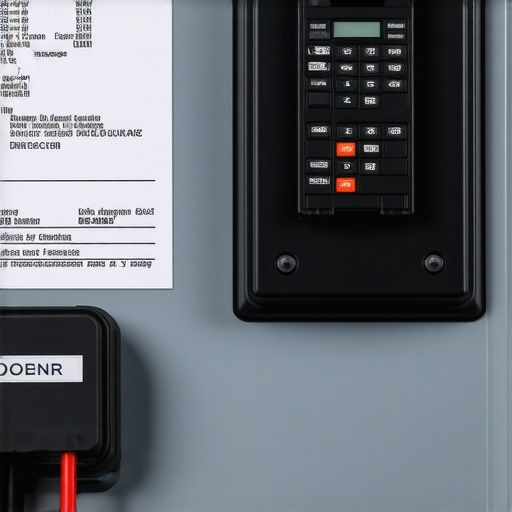
Why Torque Matters More Than You Think
Most DIYers tighten their breaker lugs until they feel ‘snug.’ In the world of high-voltage EV charging, ‘snug’ is a dangerous term. Over time, the repeated thermal expansion and contraction of the wires can cause connections to back out. This is why your main lugs might be loose after a year of charging, leading to arcing or even a fire. You must use a calibrated torque screwdriver to meet the manufacturer’s specifications. It is exactly why your charger needs a specific torque setting to pass inspection. An inspector won’t just look at the label; they will often check the tightness of the terminals to ensure the installation is truly permanent.
Give Your Panel Some Breathing Room
If your main service panel looks like a game of Tetris gone wrong, do not try to jam a massive 60-amp breaker into a tiny gap. Overcrowding leads to heat buildup, which can prematurely trip breakers. If you are out of physical space, it is worth looking into how to use load shedding devices to avoid a full service upgrade. These ‘smart’ controllers manage the power flow, prioritize your home’s essentials, and only feed the EV charger when there is enough capacity. This approach keeps your panel cool, your labels accurate, and your home within its safe operating limits without the five-figure cost of a service overhaul.L e t ’ s d i g d e e p e r i n t o t h e s t u f f m o s t ‘ h o w – t o ‘ g u i d e s g l o s s o v e r . P e o p l e o f t e n a s s u m e t h a t i f t h e i r p a n e l h a s a n e m p t y s l o t a n d t h e m a t h w o r k s o u t , t h e y ’ r e g o l d e n . I n m y e x p e r i e n c e , t h e m a t h o n t h e s t i c k e r i s o n l y h a l f t h e s t o r y . T h e b i g g e s t m i s c o n c e p t i o n I s e e i s t h e ‘ l o a d i s l o a d ‘ f a l l a c y . A 4 0 – a m p E V d r a w i s n o t t h e s a m e a s a 4 0 – a m p o v e n d r a w . W h i l e a n o v e n c y c l e s o n a n d o f f , a n E V i s a r e l e n t l e s s , c o n t i n u o u s l o a d t h a t c a n r u n f o r 1 0 h o u r s s t r a i g h t . T h i s c r e a t e s a t h e r m a l s o a k t h a t m o s t r e s i d e n t i a l p a n e l s w e r e n ‘ t d e s i g n e d f o r w i t h o u t a b i t o r b r e a t h i n g r o o m . I f y o u d o n ‘ t a c c o u n t f o r t h i s , y o u ‘ l l f i n d y o u r s e l f < a h r e f = " h t t p s : / / b r i g h t s p a r k z e l e c t r i c . c o m / u p g r a d i n g - y o u r - p a n e l - f o r - b e t t e r - e v - c h a r g i n g - p e r f o r m a n c e – " > u p g r a d i n g y o u r p a n e l f o r b e t t e r E V c h a r g i n g p e r f o r m a n c e < / a > m u c h s o o n e r t h a n y o u p l a n n e d b e c a u s e o f h e a t – d a m a g e d b u s b a r s . < h 3 > W h y d o e s y o u r 5 0 – a m p b r e a k e r t r i p a t 4 0 a m p s o f l o a d ? < / h 3 > I t ’ s n o t a g h o s t i n t h e m a c h i n e ; i t ’ s p h y s i c s . A c c o r d i n g t o t h e < a h r e f = " h t t p s : / / w w w . n f p a . o r g / c o d e s - a n d - s t a n d a r d s / a l l - c o d e s - a n d - s t a n d a r d s / l i s t - o f - c o d e s - a n d - s t a n d a r d s / d e t a i l ? c o d e = 7 0 " > N a t i o n a l E l e c t r i c a l C o d e ( N E C ) A r t i c l e 6 2 5 . 4 1 < / a > , E V c h a r g i n g i s c l a s s i f i e d a s a c o n t i n u o u s l o a d . T h i s m e a n s y o u r o v e r c u r r e n t p r o t e c t i o n — t h e b r e a k e r — m u s t b e s i z e d a t 1 2 5 % o f t h e l o a d . I f y o u a r e p u l l i n g 4 0 a m p s , y o u a c t u a l l y n e e d a 5 0 – a m p b r e a k e r j u s t t o s a t i s f y t h e b a s i c s a f e t y m a r g i n . H o w e v e r , t h e ‘ t r a p ‘ i s i g n o r i n g a m b i e n t t e m p e r a t u r e . I f y o u r g a r a g e g e t s t o 1 0 0 d e g r e e s i n t h e s u m m e r , t h a t b r e a k e r m i g h t t r i p e v e n i f y o u a r e t e c h n i c a l l y u n d e r t h a t 8 0 % r u l e . T h i s i s o f t e n t h e < a h r e f = " h t t p s : / / b r i g h t s p a r k z e l e c t r i c . c o m / t h e - r e a s o n - y o u r - c h a r g i n g - s p e e d - d r o p s - w h e n - y o u r - a c - k i c k s - o n " > r e a s o n y o u r c h a r g i n g s p e e d d r o p s w h e n y o u r A C k i c k s o n < / a > ; t h e p a n e l i s s t r u g g l i n g w i t h a c u m u l a t i v e h e a t l o a d t h a t f o r c e s t h e c h a r g e r t o t h r o t t l e b a c k . # I M A G E _ P L A C E H O L D E R _ C # < h 2 > T h e H i d d e n D a n g e r o f M i x e d W i r e R a t i n g s < / h 2 > A n o t h e r n u a n c e t h a t s e p a r a t e s t h e p r o s f r o m t h e w e e k e n d w a r r i o r s i s w i r e i n s u l a t i o n r a t i n g . M o s t D I Y e r s g r a b s t a n d a r d N M – B ( R o m e x ) b e c a u s e i t ’ s e a s y t o w o r k w i t h , b u t i t s 6 0 & d e g ; C h e a t r a t i n g i s o f t e n i n s u f f i c i e n t f o r t h e h i g h – h e a t e n v i r o n m e n t o f a c r a m p e d E V c i r c u i t . I a l w a y s a d v o c a t e f o r T H H N i n c o n d u i t f o r t h e s e r u n s . I f y o u u s e t h e w r o n g m a t e r i a l , y o u m i g h t s e e t h e i n s u l a t i n g m a t e r i a l b e c o m e b r i t t l e o v e r j u s t a f e w y e a r s o f h e a v y u s e . I t i s a s u b t l e d e t a i l , b u t i t i s e x a c t l y t h e k i n d o f t h i n g t h a t c a u s e s a ‘ m y s t e r y ‘ f a i l u r e l a t e r . < h 2 > S t o p F i g h t i n g Y o u r G F C I B r e a k e r < / h 2 > H e r e i s t h e u l t i m a t e ‘ o o p s ‘ f a c t o r t h a t d r i v e s p e o p l e c r a z y : i n s t a l l i n g a G F C I b r e a k e r f o r a c h a r g e r t h a t a l r e a d y h a s h i g h – e n d i n t e r n a l G F C I p r o t e c t i o n . T h i s c r e a t e s a ‘ b l i n d ‘ r a c e b e t w e e n t h e t w o s e n s o r s . W h e n t h e c h a r g e r p e r f o r m s i t s i n t e r n a l s t a r t u p s e l f – t e s t , i t c a n l e a k a t i n y a m o u n t o f c u r r e n t t o g r o u n d — b y d e s i g n — w h i c h c a n t r i p a s e n s i t i v e G F C I b r e a k e r i n t h e p a n e l . S u d d e n l y , y o u h a v e a n e m p t y b a t t e r y i n t h e m o r n i n g a n d n o i d e a w h y . U n d e r s t a n d i n g < a h r e f = " h t t p s : / / b r i g h t s p a r k z e l e c t r i c . c o m / w h y - t h e - g f c i - i n - y o u r - p a n e l - k e e p s - n u i s a n c e - t r i p p i n g - y o u r - c h a r g e r " > w h y t h e G F C I i n y o u r p a n e l k e e p s n u i s a n c e t r i p p i n g y o u r c h a r g e r < / a > i s t h e d i f f e r e n c e b e t w e e n a r e l i a b l e s e t u p a n d a c o n s t a n t h e a d a c h e . I n m a n y j u r i s d i c t i o n s , t h e c o d e r e q u i r e s t h a t G F C I b r e a k e r f o r o u t l e t s , s o y o u h a v e t o b e v e r y s p e c i f i c a b o u t y o u r c h o i c e o f h a r d w a r o r c o n s i d e r h a r d w i r i n g t h e u n i t t o p o t e n t i a l l y b y p a s s t h i s c o n f l i c t . B e f o r e y o u c l o s e t h a t p a n e l d o o r , y o u m u s t l e a r n < a h r e f = " h t t p s : / / b r i g h t s p a r k z e l e c t r i c . c o m / h o w - t o - v e r i f y - c o d e - c o m p l i a n c e - f o r - y o u r - e v - c h a r g e r - i n s t a l l a t i o n " > h o w t o v e r i f y c o d e c o m p l i a n c e f o r y o u r e v c h a r g e r i n s t a l l a t i o n < / a > b y c h e c k i n g l o c a l a m e n d m e n t s , a s s o m e c i t i e s a r e s t r i c t e r a b o u t ‘ n u i s a n c e t r i p ‘ m i t i g a t i o n t h a n o t h e r s . H a v e y o u r u n i n t o t h i s t r a p o f ‘ d o u b l e p r o t e c t i o n ‘ c a u s i n g m o r e h a r m t h a n g o o d ? L e t m e k n o w i n t h e c o m m e n t s . W e a r e a l l a b o u t a v o i d i n g t h o s e < a h r e f = " h t t p s : / / b r i g h t s p a r k z e l e c t r i c . c o m / t r o u b l e s h o o t i n g - e v - c h a r g e r s - c o m m o n - c o m p l i a n c e - p i t f a l l s - a n d - f i x e s " > t r o u b l e s h o o t i n g e v c h a r g e r s c o m m o n c o m p l i a n c e p i t f a l l s a n d f i x e s < / a > t o g e t h e r s o y o u r h o m e s t a y s s a f e . ” , ” image “: { ” imagePrompt “: ” A c l o s e – u p o f a t h e r m a l c a m e r a v i e w o f a n e l e c t r i c a l c i r c u i t b r e a k e r s h o w i n g h e a t s i g n a t u r e s d u r i n g a n E V c h a r g i n g s e s s i o n . “, ” imageTitle “: ” T h e r m a l I m a g i n g o f a n E V C i r c u i t B r e a k e r “, ” imageAlt “: ” C l o s e – u p t h e r m a l s c a n o f a n e l e c t r i c a l p a n e l s h o w i n g h e a t o n a h i g h – a m p e r a g e b r e a k e r . ” } , ” categoryId “: 0 , ” postTime “: ” ” } 1
“`If you think you are done once the city inspector signs off on your permit, think again. I make it a habit every six months to pop the cover off my panel—safely, of course—and just look for signs of stress. This isn’t just about being paranoid; it is about protecting a significant investment in your vehicle and your home’s infrastructure. One tool I swear by is a compact thermal imager. You do not need a professional-grade rig; even a simple smartphone attachment can show you if a breaker is running significantly hotter than its neighbors. If I see a bright purple or white hotspot on the terminal, I know I need to check if why your main lugs might be loose after a year of charging. Catching these heat signatures early prevents a nuisance trip from turning into a melted busbar.
How do I maintain my EV charging circuit over time?
Maintenance isn’t just about the wires; it is about the brains of the operation too. Most modern chargers are essentially high-powered computers. I set a calendar reminder to check for software updates because knowing how to update the firmware on your smart charging station can fix bugs that cause thermal throttling or connectivity drops. Beyond the digital side, I recommend a physical ‘tug test’ on the charging handle and cable. Look for cracks or stiffness in the jacket. If you live in a place with harsh winters, you will eventually need to know how to replace a frayed cable without buying a new station to keep things safe. According to the NFPA 70B Standard for Electrical Equipment Maintenance, regular inspections of terminations are critical for systems under continuous heavy load—a category our EV chargers definitely fall into. 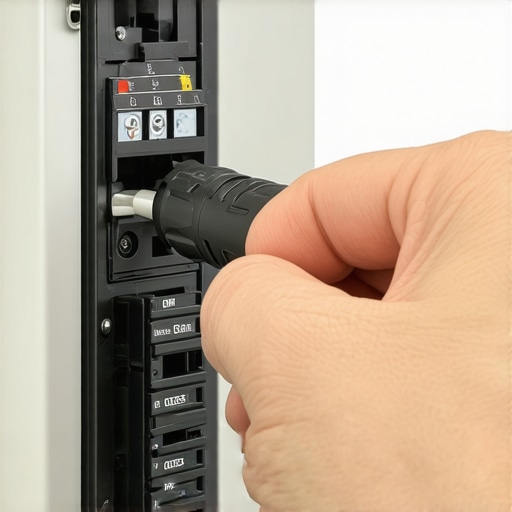
Pro-Grade Tools That Save You a Fortune
I have wasted plenty of money on gimmicky electrical testers over the years, but three things stay in my bag: a calibrated torque screwdriver, a high-quality multimeter, and a can of electrical contact cleaner. When I am troubleshooting ev chargers common compliance pitfalls and fixes, having the right torque setting is the difference between a job that lasts twenty years and one that fails in two. I personally use the Wiha iTorque because it is precise and prevents the ‘one-more-quarter-turn’ mistake that strips out expensive breaker lugs. Keeping the essential spare parts to keep for your home charging unit like a spare J1772 holster or a heavy-duty mounting bracket can also save you a weekend of headaches when a plastic part inevitably snaps under pressure.
Future-Proof Your Garage for Bidirectional Power
Looking ahead, we are moving toward a world where your car doesn’t just take power—it gives it back. Bidirectional charging (V2H) is the next frontier for home energy independence. If you are planning for this, you need to consider panel upgrade strategies to meet ev charging code requirements in 2025. The panels we install today will eventually need to act as gateways for your home to run off your car battery during a blackout. If your wiring is messy or your labels are faded now, imagine the nightmare of trying to integrate a complex bidirectional system later. I want you to try this one advanced tip: Next time your car is mid-charge (after about an hour), carefully feel the face of the breaker with the panel door closed. It should be warm, but if it feels painfully hot to the touch, you have a resistance issue that needs immediate attention. If you are seeing weird behavior, start by learning how to diagnose a faulty internal relay in your charging station before calling in the expensive professionals.
The Hardest Lesson I Learned About Your Panel’s True Capacity
If I could go back and talk to my younger self, I would tell him that an electrical panel isn’t just a box of switches; it is a living, breathing ecosystem that hates excess heat. The biggest mistake most people make is assuming that because a breaker doesn’t trip immediately, the system is perfectly safe. In reality, the hidden cost of skipping a panel load calculation often shows up months later in the form of brittle wire insulation or a dead motherboard. Don’t trust the previous homeowner’s labels. I once found a 50-amp circuit labeled ‘Lights’ that was actually feeding a whole-house fan and half the garage—a recipe for disaster once I added an EV load. Always verify the circuit yourself or hire a professional for ensuring code compliance when installing ev chargers. It is better to find a flaw today than to have it find you during a midnight charging session.
The Three Tools I Use to Prevent Electrical Fires
I have tested dozens of gadgets, but these are the ones that actually stay in my toolbox because they provide genuine peace of mind. First, a compact thermal imaging camera is a game-changer for ev charger troubleshooting expert tips for common issues. It lets you see high-resistance heat before it becomes a fire. Second, never underestimate the power of the NFPA 70 (NEC) handbook. It might be dry reading, but it is the ultimate source of truth for safe installations. Finally, a calibrated torque screwdriver is the only way to be 100% sure your connections won’t vibrate loose over time. If you aren’t sure where to start your safety audit, check out how to verify code compliance for your ev charger installation to see what specific standards your local inspector will be looking for. #IMAGE_PLACEHOLDER_E#
Build a Garage That Powers the Next Decade
Getting your EV charging setup right is more than just a weekend project; it is a long-term investment in your home’s infrastructure. When you take the time to organize your panel, calculate your loads correctly, and use the right hardware, you are doing more than just charging a car—you are creating a safe, high-tech hub for your life. There is a deep satisfaction in knowing your installation is bulletproof and that the real reason your home value increases with a pro ev setup is because you didn’t cut corners. You have got this. Take it one wire at a time, follow the local code, and enjoy the convenience of waking up to a full ‘tank’ every single morning. Have you ever found a label in your panel that made absolutely no sense or discovered a ‘mystery breaker’ that seemed to do nothing? Let me know in the comments below!