I was staring at my fleet’s energy dashboard last October when I felt my stomach drop. We had just added three new electric delivery vans, and the bill sitting on my desk was three times higher than the previous month. It didn’t make sense. We weren’t driving more miles. The vans weren’t broken. But the numbers didn’t lie. I felt like I was being robbed by my own infrastructure. If you’ve looked at your monthly statement and wondered the real reason your electricity bill doubled after getting an EV, you aren’t alone. It’s a gut-punch that keeps many fleet managers awake at night. I remember sitting in my office, scrolling through lines of data, trying to figure out why the midnight charge cycle was costing us more than the peak afternoon shift. It was a stressful puzzle, but it led me to a realization that changed everything about how we operate.
Stop Letting Your Utility Bill Run the Business
For a long time, I operated on a ‘plug it in and forget it’ philosophy. I figured as long as the vans were full by 6:00 AM, I was winning. I was wrong. Dead wrong. By ignoring when and how the power was being drawn, I was walking right into the ‘demand charge’ trap set by the utility company. According to research by the Rocky Mountain Institute, demand charges can account for over 50% of a commercial fleet’s electricity costs if they aren’t managed properly. Today, I’m going to show you how to claw that money back and take control of your charging cycles. I remember one Tuesday morning specifically. I walked into the shop and smelled something… fishy. Not like a seafood market, but that sharp, chemical ozone smell. I realized our main breaker was screaming for mercy. If you’ve ever wondered why your electrical panel smells like fish, you know the panic. It turns out I had ignored the the forgotten torque test that prevents panel fires during our DIY expansion. I was trying to save a buck, but I nearly burned the fleet down. That was the day I stopped being a ‘handyman’ and started being a manager who respects the electrical code.
My first big mistake was the most common one: I assumed our existing infrastructure could handle a 100% duty cycle. I didn’t realize that why thinner wire is costing you miles every night wasn’t just a residential problem—it affects commercial scale even more because of the heat generated during constant loads. I had to learn the hard way about how to load balance your fleet without tripping the main feed. It’s about more than just keeping the lights on; it’s about efficiency and keeping your hardware from degrading prematurely. Have you ever had that ‘oh no’ moment when opening a utility bill after adding a new EV to your lineup?
Is expensive load management software actually worth the upfront cost?
I used to be a skeptic. I thought I could just manually stagger the drivers’ schedules. But human error is a beast. One guy forgets to plug in until late, or another plugs in early during a heatwave, and suddenly your ‘system’ collapses. I learned that why your commercial garage needs load management software is less about the gadgets and more about the peace of mind that you won’t hit a peak-rate ceiling. It’s the difference between a sustainable business model and a money pit. Before you start ripping out wires, you should check into the hidden rebates that pay for your commercial fleet upgrade. I missed out on thousands of dollars because I didn’t do the paperwork first. Don’t be like me; get your strategy in place before the next billing cycle hits.
Upgrade the Foundation Before You Add the Load
The biggest mistake I made initially was treating our electrical panel like a bottomless bucket of power. It isn’t. When you’re pulling high amperage for hours on end, you’ll quickly discover 5 signs your old electrical panel is a charging bottleneck. Before you even think about installing a bank of Level 2 chargers, you need to audit your service capacity. I learned this the hard way during a rainy Tuesday when we tried to charge five vans simultaneously. The smell of hot metal filled the utility room, and the main breaker felt like a toaster. That’s when I realized that panel upgrades for ev chargers what you need to know is the starting line, not an optional upgrade. If your equipment is aging, you should also consider why your main service panel needs a surge protector for your ev setup to avoid a single lightning strike or utility surge wiping out your entire fleet investment.
Check for These Red Flags in Your Main Service Panel
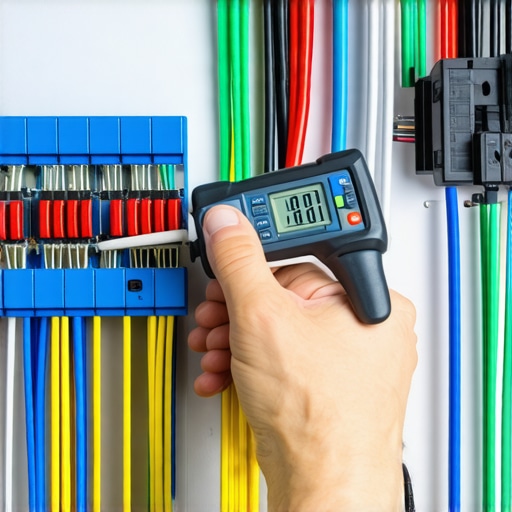
One afternoon, I noticed the lights in our front office flickering every time a van started its charge cycle. I initially ignored it, but then I remembered the the forgotten torque test that prevents panel fires. I grabbed my tools and found that one of the main lugs had backed out slightly due to thermal expansion and contraction. It’s one of the 3 signs your main lug is loose and causing power flickers that most people miss until it’s too late. I highly recommend investing in a professional-grade tool because the specific torque wrench settings for a wall connector and panel lugs are non-negotiable for safety. If you find yourself constantly resetting breakers, you need to look at 5 signs your main breaker is overwhelmed by a new level 2 charger before you suffer a total site blackout.
Master the Art of Load Balancing
You don’t need a massive new service drop if you learn how to load balance your fleet without tripping the main feed. Think of your electrical service like a water pipe; you can’t have every faucet on full blast at the same time without the pressure dropping. Software-based load management allows you to ‘pool’ your available power. When I first implemented this, I watched our peak demand drop by 40% overnight without changing a single delivery route. This is also a key component of ensuring code compliance when installing ev chargers in commercial settings where the local inspector will want to see that you aren’t oversubscribing your branch circuits.
Don’t Let the Inspector Shut You Down
Navigating the permit process was a nightmare until I understood code compliance essentials for ev charger installations in 2025. I once had an entire project stalled because I didn’t realize why your local inspector cares about conduit bending radius. If you pull your own wire and it’s too tight around a corner, you damage the insulation, leading to heat buildup. It’s these ‘small’ details that separate a pro job from a dangerous DIY mess. Always verify your work against the how to verify code compliance for your ev charger installation checklist. I also learned that 4 signs your electrician used the wrong gauge wire can often be spotted just by checking the temperature of the conduit after an hour of charging. If it’s hot to the touch, you have a problem that is costing you money in resistive losses and shortening your hardware’s life.
One of the most common myths I hear from fellow fleet managers is that a subpanel is the magic ‘get out of jail free’ card for an aging electrical system. Everyone tells you that if you’re out of space, just slap a subpanel on the wall and keep moving. In my experience, this is often a dangerous half-truth. If your main busbar is already operating at its thermal limit, adding a subpanel doesn’t reduce the load; it just concentrates the heat. Before you commit to that path, you need to understand upgrading your panel for better ev charging performance is about more than just physical space for breakers—it’s about the total amperage your service can safely pull for eight hours straight. According to the National Electrical Code (NEC) Article 625, EV charging is classified as a ‘continuous load,’ meaning you can only utilize 80% of a circuit’s rated capacity. If you ignore this ‘80% rule,’ you aren’t just flirting with a tripped breaker; you’re actively degrading your equipment every single night.
Can you really squeeze a Level 2 charger onto a 60-amp service?
It’s the question I get asked most by small business owners looking to dip their toes into electrification. The short answer is yes, but the long answer involves a lot of math and a few ‘hacks’ that most contractors won’t mention. You have to look into how to squeeze a level 2 charger onto a 60-amp service using energy management systems that throttle the charger when the building’s HVAC or other heavy machinery kicks in. I’ve seen people try to DIY this and end up with the neutral wire trap that spikes your home utility bill because they didn’t understand how unbalanced loads affect their meter readings. It’s a sophisticated dance between available capacity and peak demand that requires more than just a screwdriver and a dream.
Another ‘trap’ I fell into early on was the assumption that a smart charger would solve all my communication problems. I thought ‘smart’ meant ‘self-healing.’ I was wrong. I spent three weeks wondering why your smart charger lost its wi-fi connection again, only to realize that the metal enclosure of my industrial-grade panel was acting like a Faraday cage, killing the signal. If you’re dealing with intermittent connectivity, it might not be the software; it could be the hardware’s physical location. This is where ev charger troubleshooting expert tips for common issues become invaluable. I’ve even seen cases where a ‘dead’ charger was actually just a victim of how to diagnose a faulty internal relay in your charging station, a fix that takes ten minutes but looks like a total system failure to the untrained eye.
Ultimately, the secret to a professional-grade fleet setup isn’t buying the most expensive hardware; it’s the precision of the installation. I learned the hard way that the grounding trick that fixes intermittent charging errors is often the difference between a van that’s ready at dawn and one that’s stuck at 10% battery. If you aren’t checking your ground-to-neutral voltage under load, you aren’t really troubleshooting. Always take the time for how to verify code compliance for your ev charger installation before the inspector rings the doorbell. Have you ever fallen into this ‘smart’ hardware trap or had a ‘minor’ code detail stall your whole project? Let me know in the comments.
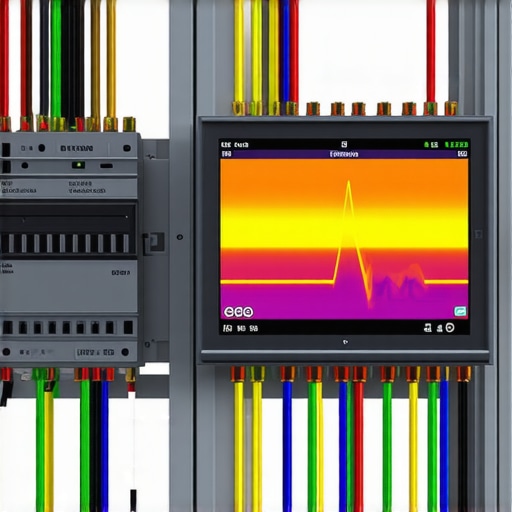
I didn’t realize that keeping a fleet charged is an endurance sport, not a sprint. Once the permit is signed and the wires are tucked away, the real work of prevention begins. I started carrying a Fluke thermal imager in my truck. At first, my drivers thought I was playing with a toy, but they stopped laughing when I showed them a glowing red breaker that was minutes away from a meltdown. According to technical documentation from Fluke, thermal anomalies are the primary indicator of high-resistance connections that lead to equipment failure. I make it a habit to scan every terminal once a quarter. This is especially critical if you are worried about how to spot corrosion inside your outdoor charging pedestal before it eats through your expensive hardware.
Why I Trust My Thermal Camera More Than My Ears
I used to listen for humming or buzzing, but by the time you hear it, the damage is often done. Now, I use a rigorous maintenance schedule that includes re-torquing every connection. People often overlook the specific torque wrench settings for a wall connector, assuming that ‘hand-tight’ is good enough. It isn’t. Thermal cycling—the constant heating and cooling of wires—loosens those screws over time. If you don’t stay on top of it, you’ll eventually find yourself needing troubleshooting ev chargers common compliance pitfalls and fixes because a loose wire arched and fried a control board. 
How do I maintain my charging infrastructure over time?
Long-term reliability depends on your environment. If you’re near the coast, you need to be aware of the real lifespan of a level 2 charger in coastal salt air, which is significantly shorter than in a dry garage. Every six months, I inspect the actual handles and cables. If you see cracks or excessive wear, knowing how to replace a frayed cable without buying a new station can save you hundreds of dollars in replacement costs. We also keep a log of every ‘nuisance trip’ to see if our panel upgrade strategies to meet ev charging code requirements in 2025 are actually holding up under the increased summer heat loads.
Prepare for the Bi-directional Charging Wave
Looking ahead, the next big shift isn’t just about pulling power from the grid—it’s about pushing it back. Vehicle-to-Grid (V2G) technology is going to turn our fleets into giant batteries that can power the shop during peak pricing. This means your infrastructure needs to be ready for two-way traffic. If you’re upgrading now, ensure your setup is future-proofed. I strongly recommend you grab a thermal camera and scan your main lugs tonight while the fleet is charging; you might be surprised at what’s heating up behind the panel cover. It’s better to find a hot spot today than a fire tomorrow.
What I Discovered After Five Near-Melted Breakers
Electrifying a fleet isn’t a set-it-and-forget-it project. I learned that the hard way. Here are the biggest shifts in my thinking that saved our operations: First, I realized that heat is your greatest enemy. Every connection in your panel expands and contracts with every charge cycle. If you aren’t checking for 3 small mistakes that turn your garage panel into a fire hazard, you’re essentially waiting for a disaster. Second, don’t trust your eyes—trust your data. Use a thermal camera to see what is happening behind the cover. Finally, always have a plan for failure. Knowing ev charger troubleshooting expert tips for common issues before you are in a crisis is what separates a professional manager from someone just winging it.
The Gear That Actually Keeps My Vans on the Road
I don’t leave my electrical health to chance anymore. My toolkit always includes a high-precision torque wrench to ensure how to verify code compliance for your ev charger installation remains solid over time. I also swear by thermal imaging tools. If you’re wondering how to tell if your panel is actually a fire hazard, a thermal scan is the only objective answer. Additionally, stay connected with your local utility’s commercial incentive programs; they often offer monitoring software that complements your load management, helping you avoid the massive demand charges that can sink a budget.
Taking Your First Real Step Toward a Future-Proof Fleet
The journey to a fully electric fleet is full of learning curves, but it is one of the most rewarding transitions a business can make. By focusing on ensuring code compliance when installing ev chargers and staying ahead of routine maintenance, you aren’t just saving money—you’re building a resilient, modern infrastructure that will serve your company for decades. Don’t let a fear of the unknown stop you from cleaning up your panel and getting your power under control. Have you ever experienced a sudden phantom power drop or a mystery trip during a heavy charging session? Let me know in the comments below!