I was sitting in my shop three years ago, nursing a lukewarm coffee and staring at the $2,500 hole in my bank account where my ‘revenue-generating’ EV charger used to be. I thought I was being a visionary. Instead, I was just the guy paying for a stranger’s commute. It was a gut punch. I realized then that I’d made every rookie mistake in the book, from picking the wrong hardware to completely ignoring the psychology of the driver. If you’re currently watching your commercial station sit idle while your utility bill creeps up, I’ve been in your shoes. We aren’t just talking about plugging in a car; we’re talking about optimizing an asset. I’m going to show you how to turn that slow trickle of income into a steady stream by focusing on the ‘why’ and ‘how’ of high-turnover charging.
We’re tackling the hidden bottlenecks today, from technical speed fixes to the financial incentives you probably walked right past. Have you ever felt like your charger was more of a burden than a benefit? Reach out via our contact page; I’d love to hear about your experience. One big thing I learned early on—and it was a painful lesson—was that the true cost of running a commercial charger at a retail shop involves way more than just the electricity. I initially bought a bargain-bin unit that failed three months in, and honestly, those 3 hidden costs of cheap internet bought chargers nearly sank the whole project before it even got off the ground.
Stop Treating Your Charger Like a Charity Case
When I first started, I thought providing a ‘perk’ was the ultimate goal. Wrong. The goal is reliability and turnover. If your charger is slow, customers park there for four hours, buy one coffee, and block your next five paying users. I didn’t understand why your level 2 charger takes twice as long as the box promised until I actually looked at the circuit load. Efficiency is king. A report by the International Council on Clean Transportation (ICCT) highlights that commercial charging utilization rates can surge by over 40% when operators prioritize high-uptime hardware over the cheapest possible installation. You have to invest in the right infrastructure to actually see a return. I almost missed out on the tax credits for chargers that most small businesses miss, which was the only reason I stayed afloat during that first year. You need a strategy that rewards both you and the driver, not just one or the other.
Is This Really Going to Pay for Itself?
I get the skepticism. I really do. You’re worried about the maintenance, the potential for hardware failure, and those fluctuating power costs. But the secret to doubling that revenue isn’t just about hiking up the price per kilowatt-hour; it’s about the ecosystem you build around the plug. If you provide a reliable, fast experience, you become a destination, not just a pit stop. Let’s get into the nuts and bolts of how we actually make that happen.
Get Your Panel Ready for the Heavy Lifting
The biggest mistake I see shop owners make is treating their electrical panel like an infinite bucket of water. It’s not. It’s a finite resource, and if you try to pull too much, the bucket breaks. I once tried to help a buddy squeeze a 48-amp charger onto an old 60-amp residential service at his small boutique. Every time a Tesla plugged in, the LED lights in his showroom flickered like a low-budget horror movie. We had to backtrack and figure out how to squeeze a level 2 charger onto a 60-amp service without burning the place down. Before you even buy the hardware, you must understand why your ev permit application requires a load calculation worksheet. If you skip this, you aren’t just risking a fine; you’re risking a catastrophic failure during peak business hours.
Don’t Let Voltage Drop Kill Your Profit
Think of electricity like water moving through a hose. If the hose is too long and too thin, you only get a trickle at the end. In the EV world, this translates to heat and wasted money. I’ve walked onto job sites where the installer used standard residential wire for a 100-foot commercial run, and the charger was thermal-throttling itself to half speed. Using the specific wire gauge that prevents voltage drop over long runs is the difference between a happy customer who leaves in an hour and an angry one who sits in your lot for three. 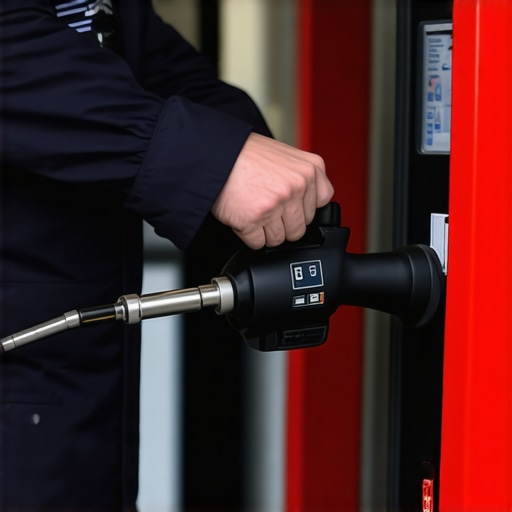
The Inspection Checklist Most People Fail
I’ve seen grown men cry when an inspector fails their installation over a screw. It sounds ridiculous, but there is a very real reason why your charger needs a specific torque setting to pass inspection. Electrical connections in an EV circuit expand and contract because of the massive, sustained heat. If those lugs aren’t tightened to the exact inch-pound, they wiggle loose over six months. That’s how you end up with why your ev plug contacts look burnt and what to do next. I always tell my team that the forgotten torque test that prevents panel fires is the most important ten minutes of the entire install. It’s about more than code; it’s about making sure your investment doesn’t literally go up in smoke while you’re sleeping.
Stop the Connectivity Bleed
If your charger is ‘smart’ but it can’t talk to the internet, it’s just a very expensive wall ornament. I spent three hours in the rain last November trying to figure out why your smart charger lost its wi-fi connection again at a local gym. The culprit? Metal siding on the building was acting like a Faraday cage. We had to pivot to a hardwired ethernet connection to keep the billing software running. If the charger can’t ‘phone home’ to authorize a credit card, you are giving away free electricity. It pays to understand how to fix an ev charger that wont connect to your home wi-fi or, better yet, how to avoid the wireless trap entirely with better placement and conduit routing.
Most people think that if the green light is on, the job is done. But after three years of troubleshooting these units, I’ve realized that ‘functional’ and ‘compliant’ are two very different things. Everyone tells you to just ‘hire a pro,’ but here is the contrarian truth: even experienced residential electricians often stumble when it comes to code compliance essentials for ev charger installations in 2025. Why? Because an EV is a ‘continuous load’—it’s like running your hair dryer, oven, and clothes dryer at full blast for eight hours straight. Standard residential logic doesn’t always account for that level of thermal stress. Have you ever fallen into this trap where you thought you were safe only to find a scorched breaker later? Let me know in the comments.
Why Your Electrician’s Old Habits Could Cost You an Inspection
The ‘oops’ factor I see most often isn’t a lack of skill; it’s a lack of specificity. I’ve seen guys use standard residential breakers that aren’t rated for the 80% continuous duty cycle required by the National Electrical Code (NEC). If you put a 40-amp load on a 40-amp breaker, it will eventually trip or, worse, melt the busbar. You have to understand why your electrician recommends a 60-amp circuit for a 48-amp charger. It’s not a copper upsell; it’s physics. According to a study by the National Fire Protection Association (NFPA), electrical failure or malfunction remains a top cause of home fires, and the sustained heat from an EV charger is the ultimate stress test for an aging system. This is why troubleshooting ev chargers common compliance pitfalls and fixes usually starts at the panel, not the plug.
Does Your Panel Actually Have the Guts for an Overnight Charge?
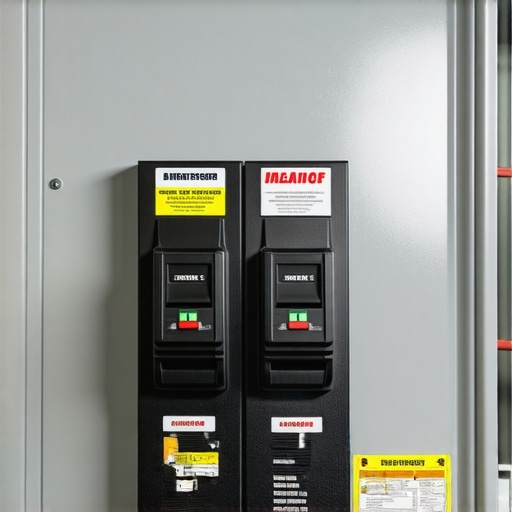
We often focus on the charger itself, but the real bottleneck is the panel’s ability to dissipate heat. I’ve walked into garages where the owner spent $1,000 on a smart unit but ignored the fact that their main lugs were original to the 1980s. You need to know panel upgrades for ev chargers what you need to know before you start adding heavy loads. One common mistake is skipping the ground rod check. I’ve seen installations fail because the house didn’t have an adequate grounding system, which causes the grounding trick that fixes intermittent charging errors to be the only way to get the car to actually accept a charge. If you’re seeing weird error codes, don’t blame the car yet. It’s likely a panel upgrade strategy to meet ev charging code requirements in 2025 that was ignored. If you’re struggling with a setup that just won’t pass muster, reach out via our contact page and we can walk through the nuances.
But even with a perfect panel, the real devil is in the details you cannot see with the naked eye. I carry an infrared thermometer in my pocket like a gunslinger when I’m checking on my units. Why? Because heat is the silent killer of your return on investment. If I see a breaker hitting 140°F, I know we have a resistance problem before a customer ever complains about a slow charge. Staying on top of how to verify code compliance for your ev charger installation isn’t just a one-time event; it is an ongoing process of ensuring your hardware doesn’t degrade under the massive thermal stress of daily use.
The Tools That Prevent Costly 2 AM Emergency Calls
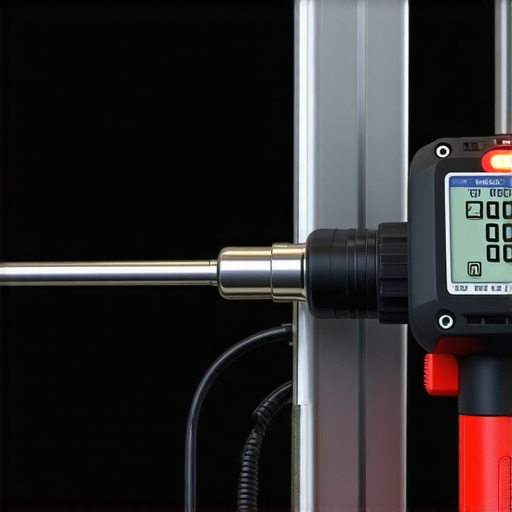
If you are using a standard hardware-store screwdriver to tighten your charger’s terminals, you are playing Russian roulette with your business. I learned this the hard way after a terminal melted on one of my high-traffic units, costing me three weeks of downtime. You absolutely must use the specific torque wrench settings for a wall connector or whatever unit you’ve installed. According to the National Electrical Code (NEC) Section 110.14(D), using a calibrated torque tool is a mandatory requirement whenever a manufacturer specifies a torque value. It is not a suggestion; it is a safety standard designed to prevent the exact kind of thermal runaway that burns down buildings.
How do I maintain my charging gear over the long haul?
I recommend a simple six-month checkup. It takes twenty minutes and can save you thousands. First, kill the power and open the service panel to look for 3 signs your main lug is loose and causing power flickers. Second, inspect the charging handle for any signs of pitting or discoloration on the pins. If you’ve mounted your equipment outside, you need to know how to spot corrosion inside your outdoor charging pedestal before it reaches the motherboard. Dust, moisture, and even small insects can create bridges between high-voltage components, leading to a catastrophic short circuit. It is much cheaper to spray some electronics cleaner and tighten a lug than it is to replace a $1,200 station. I also suggest upgrading your panel for better ev charging performance if you notice your current breakers are consistently running hot to the touch.
Prepare Your Shop for the Bi-Directional Future
I suspect we are moving toward a world where your charger won’t just be an expense; it will be a bridge. Bi-directional charging (V2G) is the next frontier, where your customers’ cars could actually help power your shop during peak demand periods. But you won’t be able to participate in that ecosystem if your current wiring is substandard. If you are still seeing error codes that don’t make sense, double-check the grounding trick that fixes intermittent charging errors. My advanced tip for you today: Buy a cheap non-contact infrared thermometer and scan your breakers while a car is charging at full speed. If one breaker is significantly hotter than the others, you’ve found your next point of failure. Don’t wait for the smell of burning plastic to take action—tighten those connections today.
Realities I Learned the Hard Way in the Electrical Trenches
After three years of managing chargers, I’ve realized that a ‘set it and forget it’ mentality is the quickest way to lose money. First, reliability isn’t a setting; it’s a habit. If you aren’t checking your terminals, you are waiting for a failure. Second, continuous loads reveal every hidden weakness in your infrastructure. What works for a coffee maker will fail under the eight-hour stress of an EV. Finally, keeping a digital log of your maintenance and ensuring code compliance when installing ev chargers from day one makes a huge difference when it comes time to sell your property or pass a surprise fire marshal walk-through. I’ve found that ev charger troubleshooting expert tips for common issues often boil down to simple physical connections rather than complex software bugs.
Tools That Save My Sanity During Maintenance Checks
I don’t go anywhere without my ‘Charging Survival Kit.’ If you’re serious about uptime, you need a high-quality Infrared Thermometer (I use a Fluke) to spot hot spots before they melt. A calibrated torque wrench is non-negotiable for keeping those high-vibration connections tight. I also highly recommend keeping a physical copy of the NFPA 70 Handbook nearby; it’s the gold standard for navigating the complex world of electrical safety. Investing in these tools is a small price to pay compared to the thousands you’d lose in downtime. Plus, a professional setup is the real reason your home value increases with a pro ev setup, and the same logic applies to your commercial storefront.
#IMAGE_PLACEHOLDER_E#
Taking the First Step Toward a Future-Proof Shop
Transitioning your business to include EV charging is more than just a technical upgrade; it’s a commitment to the next generation of commerce. It can feel overwhelming at first, but remember that every major infrastructure shift has its growing pains. By focusing on quality hardware, strict code compliance, and proactive maintenance, you’re not just installing a plug—you’re building a destination that will serve your community for a decade. Don’t let the fear of a technical glitch stop you from capturing this market. You have the tools, the strategy, and the mindset to make this work. Have you ever run into a weird error code or a panel issue that felt impossible to solve? Let me know in the comments below, and let’s figure it out together.