I remember the night I finally got my Level 2 charger bolted to the garage wall. I felt like a genius. I’d handled the wiring, survived the city inspection, and was ready to see those sweet, sweet data charts. But then, I opened the app. A spinning circle. A login screen. And then, the kicker: a “Pro” tier subscription prompt just to see my historical energy usage. I felt like I’d been invited to a party only to find out there was a cover charge to use the bathroom. It’s a bitter pill to swallow when you’ve already dropped hundreds—if not thousands—on the hardware. But after years of tinkering with these units and helping neighbors through the same headache, I’ve realized that the “cloud” isn’t just a buzzword; it’s the glue holding your smart charging experience together. Today, we’re going to pull back the curtain on why these subscriptions exist and how to tell if you’re actually getting your money’s worth or just being taken for a ride.
Your Charger is Basically a Very Heavy Smartphone
Most of us think of an EV charger as a glorified extension cord. In reality, modern units are sophisticated computers that happen to move a lot of electricity. When you look at why your smart charger app is giving you wrong data, it’s usually not the copper wires that are failing; it’s the communication between your garage and a server halfway across the country. These manufacturers have to pay for that server space every single second your charger is plugged in. I made the mistake of buying a “dumb” charger early on, thinking I was saving money, but I quickly realized I had no way to how to update the firmware on your smart charging station to fix bugs that were draining my battery. According to a recent report by the Alternative Fuels Data Center, software reliability is now the number one factor in charging uptime. Without that cloud connection—and the subscription that pays for it—your charger is basically stuck in time, unable to learn new tricks or defend itself against software glitches. Have you ever been locked out of your own charger’s data because of a server error?
Is a monthly fee really worth the hassle?
I get the skepticism. We are all “subscribed” to death these days. But if you’ve ever dealt with troubleshooting EV charger connectivity problems, you know that having a dedicated support team and a live server can be the difference between a full battery and a cold walk to work. The subscription often covers the cellular data or the complex cloud computing required for “load balancing,” which is essential if you ever want to how to balance multiple EVs on a single home circuit. Sometimes, you might even find why your smart charger isn’t saving you money on your bill is simply because you haven’t unlocked the premium scheduling features that sync with your utility’s peak rates. It is a common frustration, and usually, it points right back to the cloud. We’re going to dive into how to choose a plan that actually saves you more in electricity costs than the subscription itself.I once spent three hours on a Saturday morning sitting on a milk crate in a neighbor’s damp garage, trying to figure out why his brand-new charger wouldn’t let him start a session. He’d paid for the ‘Gold’ subscription, but the unit was bricked because it hadn’t received a heartbeat signal from the server in 48 hours. We eventually found out his Wi-Fi router was just too far away. The irony was thick: he was paying $10 a month for the privilege of not being able to charge his car. This is why the first thing I tell anyone is to audit their connectivity before they ever sign a digital contract. 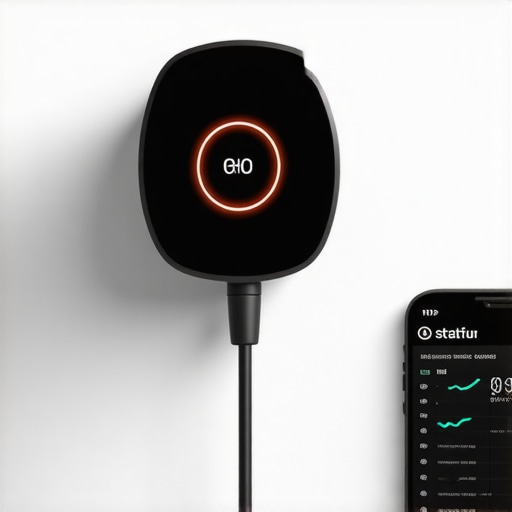
Stop Paying for Data You’ll Never Use
Most ‘Pro’ tiers are designed for fleet managers, not families. If you just want to wake up to a full battery, you probably don’t need a $15-a-month subscription that tracks carbon offset metrics or allows for 50 different user profiles. Before you click ‘Agree,’ check if the basic, free version of the app allows for scheduling. Scheduling is the holy grail of EV ownership because it allows you to charge during off-peak hours. If the manufacturer locks that behind a paywall, look elsewhere or check why your electric utility might give you a free smart charger. Many utilities actually provide the hardware and the software subscription for free in exchange for being allowed to throttle your charging during a grid emergency. When we talk about ‘load balancing,’ we aren’t just using a buzzword. It’s the difference between your lights flickering and your car charging at full speed. This requires the charger to ‘talk’ to other appliances or a smart meter. If you’re paying for this feature, you need to ensure your home network is up to the task. I often recommend installing a dedicated Wi-Fi extender in the garage. A weak signal causes ‘packet loss,’ which the charger interprets as a lost server connection, often triggering a ‘safe mode’ that drops your charging speed to 10 or 12 amps. You might think your subscription is a scam, but it’s actually your router failing to keep up with the data demand.
Paperwork That Actually Protects Your House
One of the biggest ‘hidden’ steps in this process is the paperwork. I remember a DIYer who skipped his load calc and just threw a 50-amp breaker into a crowded panel. Two weeks later, his main breaker tripped every time the dryer and the car ran at the same time. This is why your ev permit application requires a load calculation worksheet. If you want to use the ‘Smart Load Balancing’ features often found in premium subscriptions, the cloud needs to know exactly what your panel can handle. Without that data, the ‘smart’ charger is just guessing, which is a recipe for a dark house and a dead car.
Hardware Reliability Starts with a Clean Install
No amount of software can fix a melting wire. I’ve seen people blame their ‘smart’ app for slow speeds when the real culprit was a voltage drop from using the wrong wire. This is why your electrician recommends a 60-amp circuit for a 48-amp charger. It’s about thermal management. If your hardware is straining, the sensors will tell the cloud to throttle your speed. You’ll see a notification on your phone and think the app is broken, but the app is actually saving your house from a fire. Before worrying about the software tier, ensure you are ensuring code compliance when installing ev chargers. A solid installation means the data being sent to the cloud is accurate and your unit isn’t constantly rebooting due to heat-related errors. If your subscription includes over-the-air updates, make sure you know how to update the firmware on your smart charging station manually if the auto-update fails. It’s like updating your phone; sometimes a patch goes sideways, and you need to be the one to kickstart it back to life.
Let’s dig deeper into the actual electrical guts of your home. A common belief pushed by many contractors is that you absolutely need a 200-amp service upgrade before even thinking about a Level 2 charger. I’m here to tell you that’s often a $3,000 misunderstanding. While raw capacity is great, the industry is shifting toward intelligence over sheer size. You can often learn how to add an ev charger without a 200 amp panel upgrade by using energy management systems or load shedders. These devices pause your car charging for the twenty minutes you’re running the clothes dryer, saving you from a massive utility bill and an even bigger electrician invoice. Everyone says ‘bigger is better,’ but in my experience, ‘smarter is cheaper’ works better for the average suburban garage.
Does your electrician actually use a torque wrench?
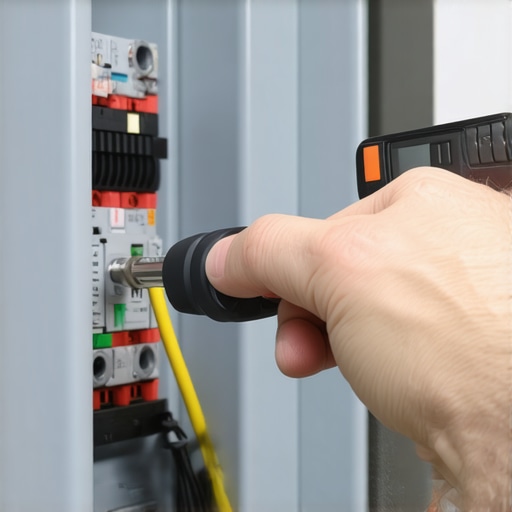
This is the ‘Oops’ factor that most people miss until they smell burning plastic. EV charging isn’t like plugging in a toaster; it is a continuous load that runs for hours. According to the Electrical Safety Foundation International (ESFI), improper termination at the breaker is a primary cause of heat-related failures in high-draw residential circuits. If your installer tightened your lugs ‘by feel’ rather than using a calibrated tool, you’re at risk. This is exactly why your charger needs a specific torque setting to pass inspection. A loose connection creates resistance, resistance creates heat, and heat eventually melts your expensive hardware. I’ve seen $600 chargers ruined because of a quarter-turn of a screw that wasn’t quite right.
The Neutral Wire Mystery That Trips Up DIYers
Another nuance that catches people off guard is the wiring configuration. You might think 240V is just two hot wires and a ground, but many modern smart units have internal electronics that require a steady 120V reference. This is why your new charger requires a neutral wire even for 240v. If you skip this, or if you assume your old welder outlet is ‘close enough,’ you’ll likely end up with a bricked unit or a persistent error code. It’s also worth noting why your ev circuit needs a dedicated neutral in some jurisdictions due to local code updates designed to prevent stray current. Even the choice of parts matters more than you think; there is a massive difference between a 40 and a 400 circuit breaker in terms of build quality and heat dissipation.
Why does my GFCI keep tripping for no reason?
If you have a plug-in charger, you probably have a GFCI breaker in your panel to meet code. However, the charger itself has internal GFCI protection. When these two ‘smart’ devices talk to each other, they often conflict, leading to what we call nuisance tripping. This is why the gfci in your panel keeps nuisance tripping your charger, and it’s the number one reason I recommend hardwiring your unit whenever possible. Hardwiring removes the need for that extra breaker in many jurisdictions and provides a much more stable connection. Before you buy any parts, make sure you know how to verify code compliance for your ev charger installation to avoid these technical headaches. Have you ever fallen into this trap? Let me know in the comments. We’re all learning this new electric frontier together.
I’ve learned the hard way that ‘set it and forget it’ is a lie in the world of high-voltage residential gear. High-amperage continuous loads create a phenomenon called thermal cycling. Every time your car starts charging, the wires heat up and expand; when it stops, they cool down and contract. Over a few years, this microscopic dance can actually loosen your connections. It is exactly why your main lugs might be loose after a year of charging, and it is the silent killer of many home charging setups. If you don’t stay on top of it, that slight wiggle turns into resistance, and resistance turns into a very expensive repair bill.
Stop the slow burn before it starts
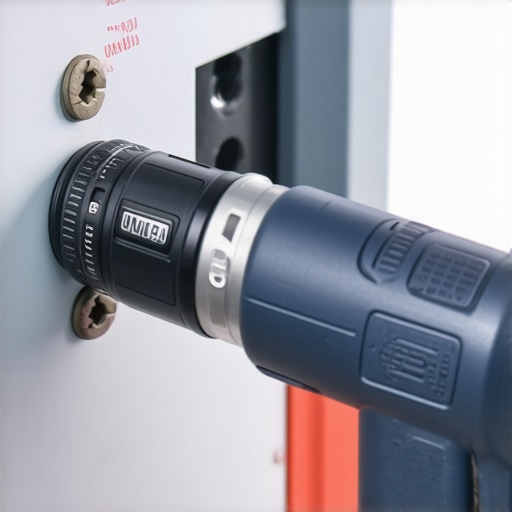
One tool I never step into a garage without is a calibrated torque screwdriver. While many DIYers think they can feel the right tightness, the National Electrical Code (NEC) specifically mandates in Section 110.14(D) that you must use a torque tool for any terminal where a value is provided by the manufacturer. This isn’t just bureaucratic red tape; it is about preventing arcing. I personally use a Wera 7400 series torque driver because it clicks once you hit the exact inch-pounds required for those breaker terminals. This is why your charger needs a specific torque setting to pass inspection. Beyond the screws, keep an eye on the material. If you or your installer used the wrong metals, you might be dealing with galvanic corrosion, so understanding the difference between copper and aluminum for ev wiring is vital for long-term safety. I’ve seen aluminum wires oxidize and crumble because someone didn’t use an anti-oxidant paste during the install.
How do I keep my charging setup running for the next decade?
Maintenance for an EV charger is less about the box and more about the environment. If your charger is in a garage that hits 100 degrees in the summer, you need to be aware that why some ev chargers work better with cold weather than others often comes down to internal cooling fans or heat-sink quality. At least twice a year, I recommend doing a visual ‘sniff test.’ If you smell anything remotely like ozone or burnt fish, kill the breaker immediately. Check the pins on your charging handle; if they look discolored, you need to know why your ev plug contacts look burnt and what to do next. Usually, it means dirt or moisture has gotten into the port, creating a micro-arc every time you plug in. I also tell everyone to invest in whole-home protection. Since your charger is a direct line to your car’s expensive inverter, why your main service panel needs a surge protector for your ev becomes obvious the first time a lightning strike hits a nearby transformer.
The 2025 strategy for multi-car homes
Looking ahead, we are moving away from the ‘one car, one charger’ mindset. As families add a second EV, the grid is going to get crowded. You don’t necessarily need to rip out your walls for a new service; instead, look into upgrading your panel for better ev charging performance through smart load management. We are already seeing panel upgrade strategies to meet ev charging code requirements in 2025 that focus on software-based sharing rather than bigger copper pipes. If you want to stay ahead of the curve, ensure you know how to update the firmware on your smart charging station, as many manufacturers are rolling out these load-sharing features via over-the-air updates. My pro tip? Every twelve months, take five minutes to open your panel and check for any signs of heat discoloration on the EV breaker. It’s the cheapest insurance policy you’ll ever own.
Hard-Won Truths from My Years Debugging Garage Wiring
One realization that hit me after dozens of installs is that your charger’s software is only as good as the copper behind it. I’ve seen homeowners get frustrated with cloud apps when the real issue was a lack of proper grounding or a loose terminal. If you find yourself needing ev charger troubleshooting expert tips for common issues, start by looking at your panel, not just your phone. I also learned that a ‘subscription’ is often just a way to pay for the cellular modem inside the unit, which can be a lifesaver if your home Wi-Fi doesn’t reach the driveway. Don’t dismiss a fee immediately if it provides a more stable connection than your home router can manage; sometimes the convenience of a robust cellular link outweighs the monthly five bucks.
Resources for Navigating the Electrical Maze
When you’re ready to move past the research phase, I highly suggest bookmarking the latest panel upgrades for ev chargers what you need to know guide to avoid overspending on capacity you don’t need. I also swear by a high-quality digital torque wrench; it’s the only way to be 100% sure you are how to verify code compliance for your ev charger installation. Finally, take the time to learn how to find an electrician who actually understands ev codes. A general residential electrician might be great with lighting, but high-amperage EV circuits require a specific level of precision and familiarity with continuous load heat management.
#IMAGE_PLACE_HOLDER_E#
Ready to Power Up Your Life
Switching to an electric vehicle is a major milestone, and while the technical details of subscriptions and load management can seem daunting, you’re now equipped to make a choice that fits your budget and your house. Taking control of your home’s energy isn’t just about saving money; it’s about building a more resilient, modern lifestyle that is prepared for the next decade of transport. Don’t let the fear of a the permit error that stops home charger installs in their tracks slow your momentum. You have the knowledge now to handle the paperwork, the hardware, and the software like a pro. Have you ever felt that a ‘smart’ feature was actually making your life more complicated rather than simpler? Let me know your thoughts in the comments below!