There I was, standing in my dark basement in socks, holding a heavy basket of soaking wet towels while my wife shouted from upstairs to ask if the Wi-Fi was down. I had just plugged in the Tesla and started the dryer at the same time—a classic ‘efficiency’ move that ended with a resounding click from the service panel. It was embarrassing. I felt like I was living in a 1920s cottage rather than a modern home. If you have ever had to choose between a full battery and dry jeans, you know exactly the frustration I am talking about. Today, I am going to show you exactly how to end this electrical tug-of-war without necessarily spending five figures on a massive utility overhaul. We are going to dive into load management, the magic of smart switching, and how to finally make your appliances play nice together.
When Your House Decides It Can Only Handle One Chore at a Time
Most of us have panels that were never designed for the massive, continuous draw of an electric vehicle. When you layer that on top of a 5,000-watt clothes dryer, you are basically asking your main breaker to perform a miracle. Early on, I made the boneheaded mistake of thinking I could just ‘upsize’ the breaker to stop the tripping—never do this. It is a one-way ticket to melting your wires and risking a house fire. Instead, the real secret lies in calculating your exact circuit load so you actually know what your copper can handle. According to the National Fire Protection Association (NFPA), residential electrical fires account for billions in property damage annually, often due to overloaded circuits or DIY ‘fixes’ that bypass safety standards.
Is This Going to Cost Me a Fortune?
You might be worried that the only fix is a full service upgrade, but there are actually clever ways to add an EV charger without a 200-amp panel upgrade. One of the most effective tools I have found is a smart load-shedding switch. It basically acts as a traffic cop; when your dryer starts, it temporarily pauses the EV charge, then flips it back on once the cycle is done. It is a lifesaver for older homes. Have you ever had to run out to the garage in your pajamas just to flip a breaker back on? Tell me your most frustrating ‘blackout’ story in the comments below. We are going to look at the specific hardware that makes this happen so you can stop living in fear of your laundry room.
Stop Guessing and Start Calculating Your Load
Think of your electrical panel like a pizza. You only have eight slices (amps) to give away. If you try to hand out ten slices, someone is going empty-handed, and in your house, that means the lights go out. Before you even touch a screwdriver, you need to fill out a load calculation worksheet. This isn’t just bureaucratic red tape; it is the only way to prove to the city—and yourself—that you aren’t about to melt your busbars. When I first did this, I realized my HVAC was hogging way more ‘slices’ than I estimated. I had to learn how to squeeze a level 2 charger onto a 60 amp service by prioritizing my appliances.
Why Your Electrician Insists on a 60-Amp Circuit
You might wonder why, if your car only draws 48 amps, you need a 60-amp breaker. This is the 125% rule. EV charging is a ‘continuous load,’ meaning it runs for hours at a time. If you run a breaker at its limit for that long, it gets hot. I once ignored this and ended up with a breaker that literally discolored from heat. That is why your electrician recommends a 60-amp circuit for a 48-amp charger. It provides a safety buffer so your garage doesn’t smell like toasted plastic at 3 AM. Before closing the box, you must verify code compliance for your EV charger installation to avoid a costly re-inspection.
Dynamic Load Balancing is the Ultimate Traffic Cop
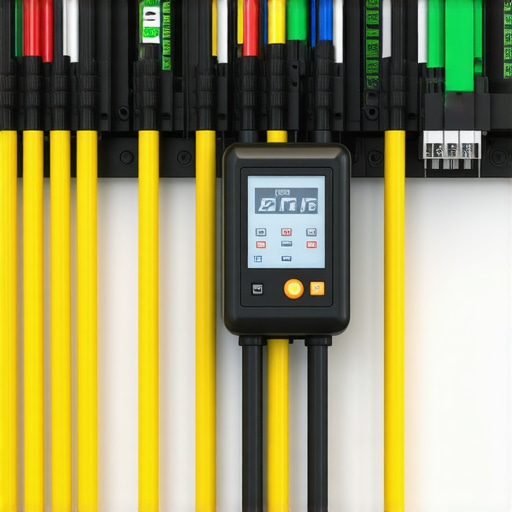
If your math says you are out of room, don’t panic. You don’t necessarily need a $5,000 service upgrade. This is where how smart chargers use dynamic balancing comes in. Imagine a traffic cop standing at your main breaker. When the dryer and AC are both blasting, the cop tells the EV charger to slow down or stop. Once the dryer finishes, the cop waves the electricity through to the car again. It is a brilliant way to balance multiple EVs on a single home circuit without ever tripping the main.
Fix the Grounding Fail That Ruins Your Morning
One of the most common ‘how-to’ mistakes happens during the physical wiring. I spent three hours one Saturday morning staring at a blinking red light on my charger. I had everything tight, but I kept getting a ground fault error. It turns out, I had a loose connection at the grounding rod. Learning how to fix the grounding fail is essential because EV chargers are incredibly sensitive to electrical ‘noise.’ If your ground isn’t perfect, the car will refuse to take a sip of power. This is one of those troubleshooting expert tips that separates the pros from the frustrated weekend warriors.
The Right Way to Label and Organize
Once you have got the wires pulled, don’t just shove them in. Proper organization prevents arc faults and makes future troubleshooting a breeze. Use the right way to label your electrical panel so the next person knows exactly which breaker kills the charger. And please, use a torque wrench. Using specific torque settings ensures that the vibrations from the current do not loosen the lugs over time, which is a leading cause of electrical fires.
The 200-Amp Myth That Costs Homeowners Thousands
Most contractors will tell you that a Level 2 charger necessitates an immediate, expensive jump to a 200-amp service. In my experience, that is often overkill. While panel upgrades for EV chargers are sometimes necessary, many homeowners can save thousands by utilizing energy management systems instead. The real danger isn’t necessarily a lack of total capacity; it is an aged system that cannot handle a sustained, heavy draw. You should check how to tell if your panel is actually a fire hazard before assuming a bigger box is the only solution. According to the Electrical Safety Foundation International (ESFI), the rise in residential EV charging has highlighted that ‘nuisance’ tripping is often a symptom of underlying wiring quality rather than just a capacity issue.
Why Does Your Charger Trip When the House is Quiet?
It is maddening. You wake up to a car that isn’t charged, even though no other appliances were running. This is usually caused by a conflict between the GFCI protection in your car and the GFCI breaker in your panel. In the electrical world, we call this ‘GFCI on GFCI’ conflict. Understanding why the GFCI in your panel keeps nuisance tripping your charger is the difference between a reliable morning commute and a dead battery. Most people assume the charger is broken, but it is actually a sensitivity issue that requires a specific wiring nuance to fix properly.
Avoid the Ghost in the Machine to Save Your Gear
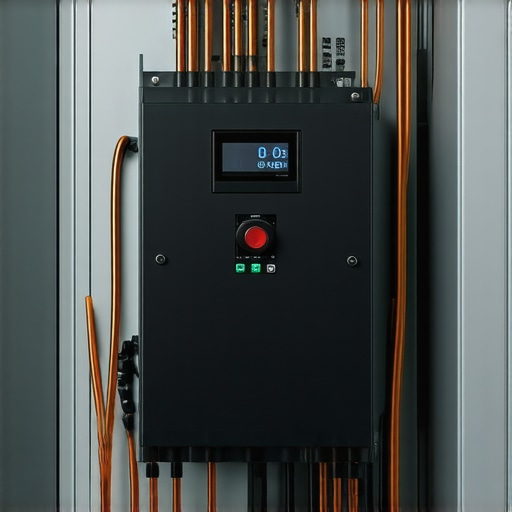
The most dangerous ‘trap’ for DIYers and even some green electricians is the loose neutral. A loose neutral wire can cause voltage to fluctuate wildly, potentially frying the delicate electronics in your vehicle’s onboard charger. This isn’t just about a failed charge; it is about an $80,000 car becoming a very expensive paperweight. Learning how to detect a loose neutral wire early on is your best defense against catastrophic failure. Have you ever fallen into this trap where you paid for an upgrade you didn’t actually need, or dealt with a charger that seemed to have a mind of its own? Let me know in the comments below.
Stop Ignoring the Slow Creep of Thermal Stress
You wouldn’t drive your car for three years without an oil change, yet most people think an EV charger is a ‘set it and forget it’ appliance. Because your charger pulls a massive amount of current for hours on end, the copper wires inside your panel actually expand and contract with the heat. Over time, this can lead to what electricians call ‘creep.’ I’ve personally opened panels a year after installation only to find that the lugs had backed off just enough to cause arcing. This is exactly why your main lugs might be loose after a year of charging, and catching it early is the difference between a quick tighten and a melted busbar. According to the National Electrical Manufacturers Association (NEMA) in their Standard WD 6-2021, maintaining proper torque on high-draw terminals is non-negotiable for long-term device integrity. If you want to keep things running smoothly, you should be upgrading your panel for better ev charging performance by ensuring all connections are seated perfectly during your annual home safety check.
How do I maintain my home charging setup over time?
Maintenance is mostly about observation and keeping things clean. Every few months, I take a look at the actual charging port on my car and the pins on the handle. If you see any black soot or ‘pitting,’ you’ve got a high-resistance connection that needs to be addressed before it fries your car’s charge port. I also recommend keeping a small kit of the essential spare parts to keep for your home charging unit, such as a replacement holster or a spare cable if your model allows for easy swaps. Dust and spiders are surprisingly common culprits for charger failure, so make sure you aren’t letting debris build up inside the plug head. If you ever notice the unit making a weird clicking sound, you might need to learn how to diagnose a faulty internal relay in your charging station before the hardware fails entirely.
The One Tool Every EV Owner Should Secretly Own
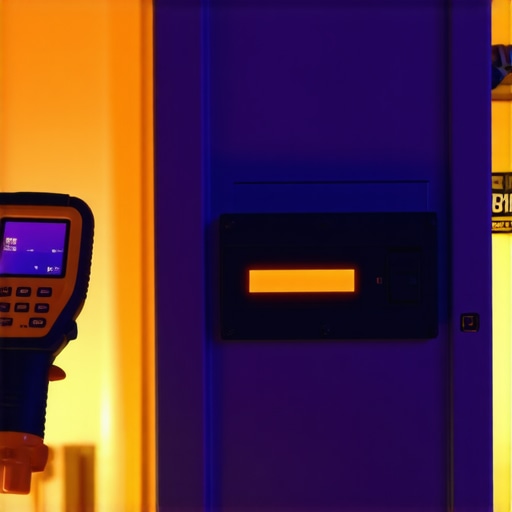
If you want to feel like a true pro, get yourself a basic thermal imaging camera. You don’t need a $2,000 FLIR; even a smartphone attachment works wonders. Once a month, while the car is at its peak charging rate, I scan the breaker and the wall unit. If I see a bright white ‘hot spot’ compared to the rest of the panel, I know I have a loose connection or a failing breaker that needs immediate attention. This proactive approach is the gold standard for ev charger troubleshooting expert tips because it lets you see danger before you can smell it. Looking forward, I predict that within the next few years, smart panels will have this thermal monitoring built-in as standard equipment, especially as we move toward bidirectional charging where your car powers your house during peak hours. Until then, you have to be your own first line of defense. I highly suggest you verify code compliance for your ev charger installation one last time to ensure no shortcuts were taken that could lead to these thermal issues. Try this today: Grab a flashlight and look for any discoloration on the plastic casing of your charger or the breaker in your panel. If it looks toasted, call a pro immediately.
The Expensive Lesson I Learned After Three Inspections
The biggest lightbulb moment for me wasn’t about the wires—it was about the mindset. Most people view their electrical panel as a static bucket of power, but in the world of high-load appliances, it is a dynamic ecosystem. I spent weeks worrying about raw capacity before realizing that information gain is the real currency. By understanding the hidden cost of skipping a panel load calculation, you realize that the grid doesn’t need to be bigger; it just needs to be smarter. I also learned that software is often as important as hardware. If your car isn’t charging, don’t immediately blame the breaker—try troubleshooting ev charger connectivity problems first, as a dropped Wi-Fi signal can mimic a hardware failure in many smart units. Finally, remember that code isn’t just a hurdle; it’s a manual for not burning your house down.
Tools That Saved My Sanity and My Service Panel
If you are serious about maintaining this setup, a standard toolbox isn’t enough. I personally trust three specific items to keep my garage safe. First, a high-quality torque wrench is non-negotiable for those 60-amp terminals. Second, I highly recommend installing a whole-home surge protector; why your main service panel needs a surge protector for your ev becomes obvious the first time a lightning strike hits a nearby transformer and your neighbor’s charger fries while yours stays safe. Lastly, keep a kit of the essential spare parts to keep for your home charging unit in a drawer nearby. Having a spare holster or a set of mounting screws might seem like overkill until you’re staring at a broken plastic bracket on a Sunday evening with a dead battery.
Step Into the Driver’s Seat of Your Home Grid
You have now moved far beyond the ‘plug and pray’ method of home charging. By mastering load balancing and verifying your thermal connections, you’ve built a system that is safer and more efficient than 90% of the DIY installs out there. The future of home energy is about control, and you are officially in the driver’s seat. As you move forward, keep an eye on panel upgrade strategies to meet ev charging code requirements in 2025 to stay ahead of the curve. Taking the time for ensuring code compliance when installing ev chargers today ensures that your home remains a safe, high-value asset for years to come. What was the most unexpected hurdle you faced during your own charger installation journey? Let me know in the comments below—I’d love to hear how you handled your service panel puzzles!