I remember standing in my garage last summer, sweat dripping off my forehead, staring at a breaker panel that was buzzing like a disturbed hornet’s nest. I’d just finished installing a shiny new dual-head charger, thinking I was a genius for saving space and money. Both cars were plugged in, the LEDs were glowing blue, and then—click. Darkness. Not just in the garage, but half the house went dark. I had made the classic rookie mistake of assuming my existing service was a bottomless pit of power. It turns out, figuring out the math for two cars pulling juice simultaneously is a lot more nuanced than just adding two numbers together. You can’t just wing it when you’re dealing with continuous loads that run for eight hours straight while you sleep. Have you ever had that sinking feeling when your brand-new tech causes an old-school electrical failure? Today, I am going to show you exactly how to crunch those numbers so you don’t end up with a tripped breaker or, worse, a melted subpanel.
Why Two Cars on One Circuit Changes the Math Completely
When I first started messing with EV setups, I didn’t realize that why a 100-amp service isn’t always enough for two EVs. Most people think if they have a 50-amp breaker, they can just split it. But the National Electrical Code (NEC) is very specific about “continuous loads.” According to NEC Section 625.41, EV charging is considered a continuous load, meaning you have to size your circuit at 125% of the charger’s output. If you’re trying to run two heads at 40 amps each, you aren’t looking at an 80-amp draw; you’re looking at a 100-amp requirement. I learned the hard way that the hidden cost of skipping a panel load calculation often results in expensive emergency repairs. We need to look at your “peak demand,” which is why you might notice the reason your charging speed drops when your AC kicks on. If your house is already pulling 120 amps for the stove, dryer, and HVAC, adding another 80 amps for the cars is going to push you over the edge.
Do You Really Need All That Extra Power?
Some of my neighbors ask if a dual-head setup is actually worth the hassle versus just swapping a single plug. Honestly, it depends on your commute, but doing the math upfront is the only way to sleep soundly. If you don’t want to blow a fuse, you have to understand how smart chargers use dynamic balancing to prevent blown fuses. This technology was a lifesaver for me because it allows the charger to talk to the panel and throttle down when the house gets thirsty. Before you buy any hardware, remember that why your EV permit application requires a load calculation worksheet is to protect your home from fire hazards. We’re going to break down the specific formula for your total dwelling load next, so grab a calculator and your last utility bill.
Calculate Your Real Capacity Before You Buy
Before you even look at a catalog for dual-head units, you need to conduct a literal home energy audit. I once helped a friend install what he thought was a simple dual-port setup in his 1950s ranch house. Everything looked fine on paper until we actually opened the main panel and noticed signs of arcing. We quickly realized that why your main lugs might be loose after a year of charging is a genuine safety concern; the heat from pulling 40+ amps for eight hours straight causes metal expansion that can literally unscrew your connections over time. You must learn how to tell if your utility meter can handle the extra load by checking the nameplate rating. If your meter is rated for 100 amps and your dual-head charger is pulling 80, you are operating in a danger zone. Most residential codes require you to stay within 80% of your total service capacity for continuous loads. If you skip this math, you aren’t just risking a trip to the breaker box; you’re risking a house fire.
Smart Load Balancing Saves Your Panel
If your math shows that your panel is at its limit, you don’t necessarily need to shell out $5,000 for a utility company service upgrade. The magic solution is dynamic power management. I started using this in my own garage after that initial failure I mentioned earlier. You need to look for chargers that support “power sharing” or “load balancing.” This technology acts like a traffic cop for your electricity. When both cars are plugged in and bone-dry, the charger splits the available amperage 50/50. As one car reaches a higher state of charge and its intake slows down, the charger automatically funnels the extra juice to the second car. Learning how smart chargers use dynamic balancing to prevent blown fuses is the difference between a functional garage and a dark house. It is the most cost-effective way of how to balance multiple EVs on a single home circuit without tearing out your drywall to run new heavy-gauge lines. 
The Non-Negotiable Rules for Wiring Two Cars
When you get into the actual physical installation, the materials you choose are more important than the brand of the charger. I’ve seen too many DIYers try to save fifty bucks by using thinner wire or inferior alloys. You must understand the difference between copper and aluminum for EV wiring. For a dual-head setup, copper is essentially mandatory because of its superior thermal properties and lower expansion rate. You also need to calculate the specific wire gauge that prevents voltage drop over long runs. If your charger is at the far end of the garage, a 6-gauge wire might not be enough; you might need to jump to 4-gauge to ensure the voltage doesn’t sag, which causes the charger to error out. This is exactly why your electrician recommends a 60-amp circuit for a 48-amp charger. Furthermore, don’t be surprised when you see an extra wire in the bundle; why your new charger requires a neutral wire even for 240v is often down to the smart logic boards inside the unit that require a 120v return for their own power. Finally, always double-check the local requirements to how to verify code compliance for your ev charger installation because an unpermitted dual-charger install can void your homeowners insurance if a claim ever arises.Let’s dig deeper into what actually happens behind the drywall, because the biggest myth I see in the industry is that a 200-amp service is a magical shield against electrical issues. Many homeowners assume that if they have the capacity, they are safe, but it is actually about the distribution and thermal management of your busbar. You can often learn how to add an ev charger without a 200-amp panel upgrade by focusing on intelligent load management rather than just raw amperage. According to a study by the Electric Power Research Institute (EPRI), the primary cause of residential electrical failures isn’t momentary surges, but the sustained thermal degradation of connections caused by continuous, high-draw appliances like EVs.
Stop Obsessing Over Your 200-Amp Main Panel
If you are looking for ev charger troubleshooting expert tips for common issues, start by looking at your breaker’s heat profile. In my experience, people focus too much on the total number on their main breaker and ignore the ‘neighboring’ loads. If you have your EV breaker right next to your electric dryer breaker, you are creating a localized ‘hot spot’ on the busbar that can lead to premature failure. I always recommend staggering these high-draw breakers to allow for better heat dissipation. It’s a nuance that many general electricians overlook but is vital for ensuring code compliance when installing ev chargers in a way that actually lasts.
The Industrial Outlet Trap That Could Burn Your Garage
One of the most dangerous ‘traps’ I see is the use of ‘residential-grade’ NEMA 14-50 outlets. Just because it fits the plug doesn’t mean it can handle the heat. Many DIYers buy the $10 version from a big-box store, but those are designed for ranges that cycle on and off. An EV pulls max power for hours. You must learn how to pick a nema 14-50 outlet that wont melt under pressure—usually by looking for industrial-grade versions with heavy-duty brass contacts. Have you ever fallen into this trap? Let me know in the comments. 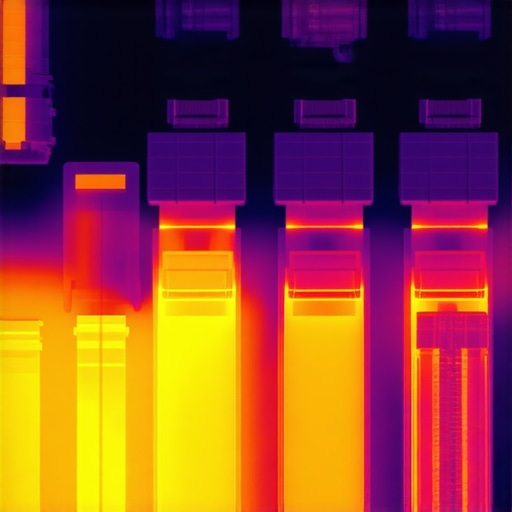
Why the Last 10% of Your Charge Trips the Breaker
This is a question I get from advanced users all the time. It seems counterintuitive: why would the breaker trip when the car is almost full? Usually, it’s the real reason your circuit breaker trips at 90 percent charge—thermal saturation. By the time your car is at 90%, that breaker has been baking at 100% capacity for six hours. If the ambient temperature in your garage is high, the internal bi-metal strip in the breaker reaches its trip point. Furthermore, you might find why the gfci in your panel keeps nuisance tripping your charger is often due to the charger’s own internal self-test conflicting with a GFCI breaker. For a dual-head setup, this complexity doubles, making precision wiring and high-quality components non-negotiable.After dealing with those thermal trips I mentioned earlier, I realized that installing the hardware is only half the battle. Maintenance is where most people fail because they treat an EV charger like a ‘set it and forget it’ appliance. I personally use a digital infrared thermometer to ‘shoot’ my breakers once a month while both cars are pulling full power. If one breaker is reading twenty degrees hotter than its neighbor, I know I have a loose connection or a failing component before it ever smells like smoke. This is one of those ev charger troubleshooting expert tips for common issues that can save you a thousand-dollar emergency service call.
How do I maintain my charging setup over the long haul?
Beyond the physical wires, you have to treat your charger like the high-powered computer it actually is. These smart units run on complex firmware that can occasionally get buggy or lose sync with the cloud. I have seen chargers refuse to communicate with the car simply because the internal clock drifted out of sync with the local network. You must learn how to update the firmware on your smart charging station to ensure you are getting the latest safety patches and power-management algorithms. If your app is acting up or giving you strange readings, usually troubleshooting ev charger connectivity problems starts with a simple power cycle of your home router followed by the charging unit itself. 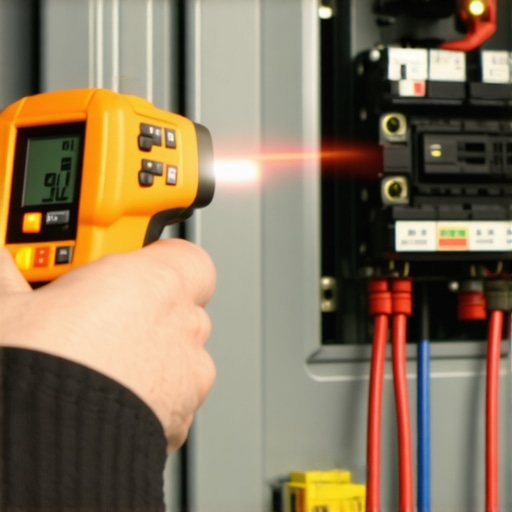 One of my biggest regrets when I first started was not installing a dedicated protection layer at the source. High-amperage draws make your home electrical system more susceptible to grid noise and surges. I now tell everyone that why your ev charger needs a surge protector in the panel is about protecting the car’s expensive onboard inverter as much as the wall unit. As you look toward the future, you might want to scale your capacity. If you are planning for a third car or perhaps a heavy workshop, why your garage needs a sub-panel for multiple chargers becomes obvious. It centralizes the load and makes ensuring code compliance when installing ev chargers much easier because you aren’t crowding your main house panel with massive wires. For those stuck with a 100-amp service, don’t lose hope. You can learn how to use load shedding devices to avoid a full service upgrade. These devices automatically pause the charger if your stove or HVAC pulls too much current. I predict that in the next few years, bidirectional charging (V2H) will make these calculations even more complex as our cars start feeding power back into our homes during peak hours. If you’re feeling overwhelmed by the math, check out panel upgrades for ev chargers what you need to know to see if your current setup is a dead end or a bridge to the future. I highly recommend you grab a torque wrench—specifically one that measures in inch-pounds—and check your terminal screws this weekend. According to NEC Section 110.14(D), these connections must be verified to the manufacturer’s torque specifications to prevent high-resistance heating. It is the single best thing you can do for your home’s safety today.
What I Discovered After Testing Five Different Dual-Charging Configurations
Reflecting on my journey from that first blown breaker to a perfectly balanced garage, a few things stand out that aren’t in the manual. First, heat management is an ongoing process, not a one-time check. I’ve learned that how to prep your homes electrical for a future ev purchase often means leaving more room in your panel than you think you need—not just for the breaker, but for airflow. I also realized that how to find an electrician who actually understands ev codes is the most critical step; many pros are great at lighting but aren’t used to the 100% duty cycle of an EV. Lastly, never underestimate the power of a tight connection. Even the best hardware fails if the torque isn’t perfect, which is why ensuring code compliance when installing ev chargers is really about the tiny details like terminal tension.
The Essential Hardware for a Bulletproof Electrical Setup
If you want to maintain your system like a pro, there are a few things I keep in my own toolkit. I highly recommend an infrared thermal gun to check for hot spots on your breakers once a season. You should also be very selective about your components; I’ve documented the specific breaker brands that are known to overheat with evs so you can avoid the weak links. For those using plug-in models, don’t settle for anything less than a Hubbell or Bryant outlet, as knowing how to pick a nema 14-50 outlet that wont melt under pressure is your first line of defense against a garage fire. These tools aren’t just gadgets—they are the key to a stress-free morning with two fully charged cars.
Confidence Behind the Charging Cord
Transitioning to a multi-EV household is a huge milestone, and while the math might seem daunting at first, getting it right is incredibly rewarding. You’ve done the hard work of researching capacities and wire gauges, and now you have the blueprint to keep your home safe and your cars ready for the road. If your current service is still feeling a bit tight, don’t forget to look into panel upgrades for ev chargers what you need to know to ensure your home can keep up with your lifestyle. The future is electric, and you are now well-equipped to lead the charge with a safe, compliant, and efficient panel upgrade for EV chargers setup. Have you noticed your breaker panel getting unusually warm during a dual-charging session? Let me know your experiences in the comments below!