I remember staring at my brand new EV in the driveway, feeling like I’d finally made it. Then came the charging cable. I went the “easy” route—a plug-in station I could just slap on the wall because I didn’t want to wait for an electrician to do a full install. Three weeks later, I touched the plug while unplugging for work and nearly yelped. It was hot. Not “warm summer day” hot, but “I’m about to melt your house down” hot. I had made the classic mistake of thinking a cheap outlet from a big-box store could handle the stress of an electric vehicle. [image_placeholder]
That Smell of Burning Plastic Wasn’t My Lunch
I learned the hard way that the real difference between hardwired and plug-in charging stations isn’t just about how it looks on your wall. It’s about thermal management. When I finally pulled that plug out, I saw the tell-tale signs: the plastic around the prongs was slightly discolored and brittle. If you’ve ever wondered why your ev plug contacts look burnt, it’s usually because of high resistance at the connection point. Most standard residential outlets aren’t built for a “continuous load”—which the National Fire Protection Association (NFPA) defines as any load running for three hours or more at maximum capacity. An EV charger is basically the ultimate marathon runner of your home’s electrical system.
Is Hardwiring Actually Worth the Extra Electrician Bill?
You might be thinking, “Hey, a plug is flexible! I can take it with me if I move.” That’s what I told myself too. But the reality is that ensuring code compliance when installing ev chargers often requires expensive GFCI breakers for plug-in units that like to trip for no reason, whereas hardwired units are often more stable and can actually deliver more power. I once ignored the 3 hidden costs of diy ev charger wiring and ended up paying double to have a pro come out and fix my scorched wall. Today, I’m going to break down exactly why hardwiring is the “pro move” and when a plug-in actually makes sense. Have you ever felt your charging cable getting uncomfortably warm during a session? Drop a comment below; I want to know if I’m the only one who learned this the sweaty-palm way.
Run the numbers before you pull the wire
Think of your electrical panel like a water pipe. If you try to shove a fire hose’s worth of water through a kitchen faucet pipe, things are going to burst. I once helped a neighbor install a high-end charger in his 1970s split-level home. We thought we were golden because he had a few empty slots in his box, but the second he turned on the AC while the car was charging, the whole house went dark. We had skipped the most important step: checking why your ev permit application requires a load calculation worksheet. Your panel has a finite limit, and an EV is a hungry beast. Before you even buy the hardware, you need to identify if you’re dealing with 5 signs your old electrical panel is a charging bottleneck. If your main breaker is only rated for 100 amps, adding a 50-amp charger without a plan is a recipe for a midnight trip to the garage in your underwear to reset the main.
Avoid the heat by sizing your wire right
When you go the hardwired route, you aren’t just choosing a permanent spot on the wall; you’re choosing a direct line of communication between your car and your grid. This is where people get cheap, and it’s where they get in trouble. Using a wire that is too thin for the distance between your panel and your garage creates resistance. Resistance creates heat. I’ve seen DIY jobs where the owner used 10-gauge wire for a 40-amp circuit because it was cheaper, only to find the insulation literally melting off six months later. You have to use the specific wire gauge that prevents voltage drop over long runs. If that run is over 50 feet, you might even need to upsize the wire further just to keep the efficiency high and the temperatures low. 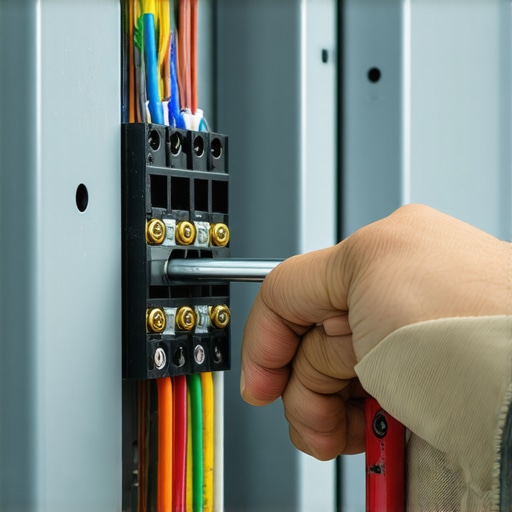
The two-minute test that saves your garage from a meltdown
Here is the professional secret that most weekend warriors ignore: the torque wrench. Most people just tighten the screws on the breaker until they feel ‘snug.’ That’s not good enough for a machine that pulls massive current for eight hours straight. Over time, those cycles of heating up and cooling down cause the metal to expand and contract. If the connection isn’t perfectly torqued, it wiggles loose. A loose wire is a spark waiting to happen. I always tell people to look into the forgotten torque test that prevents panel fires. In fact, an inspector will fail you instantly if they don’t see you using a calibrated tool because they know why your charger needs a specific torque setting to pass inspection. Hardwiring allows you to bypass the weak point of a plug-and-socket connection, but only if that internal terminal is locked down to the exact inch-pound the manufacturer specifies.
Navigation through the GFCI trap
If you do insist on a plug-in unit, you need to be ready for the ‘nuisance trip.’ Modern building codes often require a GFCI breaker for any outlet in a garage. The problem? Many EV chargers have their own internal GFCI protection. When you stack two of them on the same line, they ‘talk’ to each other in a way that causes the breaker to pop for no reason at 2 AM. This is a massive headache for ensuring code compliance when installing ev chargers. Hardwired units generally don’t require that external GFCI breaker in many jurisdictions, which actually makes the installation simpler and much more reliable in the long run.Most homeowners are told that a 200-amp service is the absolute minimum requirement for a modern home with an EV. I’m going to challenge that common belief. While more headroom is always better, the knee-jerk reaction to rip out your entire panel the second you buy an electric car is often unnecessary and expensive. By utilizing modern how smart chargers use dynamic balancing to prevent blown fuses, you can often stay within your existing service limits. These systems act like a digital traffic cop, slowing your car’s charge rate temporarily when you turn on the electric oven or dryer. It’s a sophisticated way of panel upgrade strategies to meet ev charging code requirements in 2025 without the five-figure price tag of a utility service upgrade.
The grounding mistake that fails most inspections
The most common ‘oops’ factor I see during inspections isn’t actually the wire gauge or the breaker—it’s the grounding system. Many DIYers and even some general electricians assume the existing home ground is sufficient. However, an inspector might drop a bombshell and explain why your panel upgrade might require a new ground rod to meet the specific resistance levels required for high-draw appliances. If your home was built before the mid-90s, your grounding system might rely on a water pipe that has since been partially replaced with PEX plastic, effectively breaking your safety path. This is exactly how to fix the grounding fail that ruins ev permits: by ensuring a continuous, low-impedance path back to the earth that can handle the specific demands of a 40-amp or 50-amp continuous load. 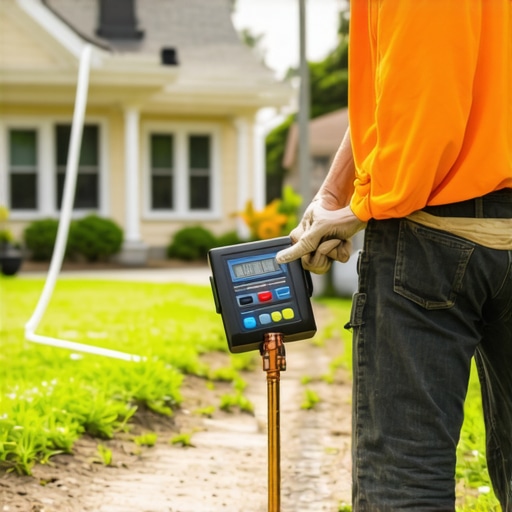
Why does your charger report a ground fault when the wire looks fine?
This is the advanced nuance that drives people crazy. You’ve wired everything perfectly, but the charger shows a red light. According to the National Electrical Code (NEC) 2023, specifically Article 625, charging systems are incredibly sensitive to ‘stray voltage.’ If you have a ‘bootleg ground’ or a neutral wire that is touching a ground wire somewhere else in your house, the charger’s internal safety check will fail. You might need to investigate why your ev circuit needs a dedicated neutral in some jurisdictions to prevent these phantom errors. It’s not just about the charger; it’s about the health of your entire home’s electrical ecosystem. If you are struggling with a unit that won’t start, checking ev charger troubleshooting expert tips for common issues can save you hours of head-scratching. Have you ever fallen into this trap where everything looked right on paper but the inspector still said no? Let me know in the comments; I’ve likely seen the exact same issue and can help you navigate the fix.
Stop guessing and buy a thermal camera
After a few years of high-current charging, even the best installs can develop microscopic points of failure. I personally started carrying a FLIR ONE thermal camera in my glovebox. Why? Because your eyes can’t see the molecular vibration of a loose wire, but infrared can. Last winter, I scanned my panel and found one breaker running 20 degrees hotter than the rest. It turned out to be exactly why your main lugs might be loose after a year of charging—thermal cycling had backed the screw out just a hair. If you want to get serious about ev charger troubleshooting expert tips for common issues, you need tools that show you the invisible. Catching a hot spot before it becomes a charred mess is the difference between a five-minute fix and a $3,000 panel replacement. 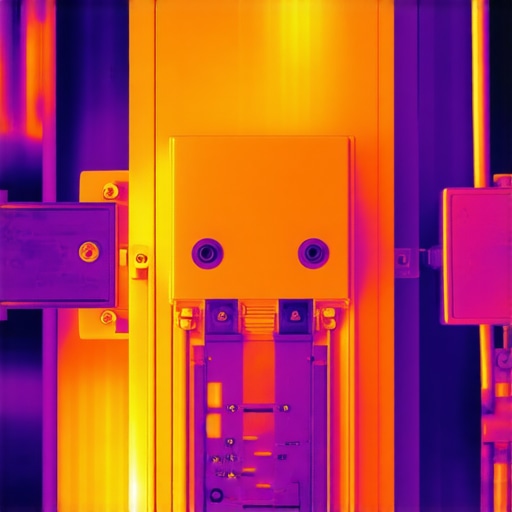
How do I keep my charging setup running forever?
Maintenance isn’t just about the wires; it’s about the physical wear and tear of a 20-pound cable hitting the concrete every morning. I recommend a monthly ‘stress test’ of your hardware. First, check the handle contacts for any green oxidation or black soot. If you see it, don’t ignore it—you’re looking at why your ev plug contacts look burnt. Second, check the mechanical click. If the latch is sticky, use a tiny bit of non-conductive silicone spray. This prevents those annoying mornings where you find the car didn’t charge because of 3 things to check if your charger wont click into place. In colder climates, I’ve found that how to keep your charging cable from freezing to the driveway is as simple as using a wall-mounted holster rather than letting the cord coil on the ground.
The future is two-way traffic
We are rapidly moving toward a world where your car isn’t just a consumer of energy, but a battery for your home. This is known as Vehicle-to-Home (V2H) or Vehicle-to-Grid (V2G) technology. According to the technical specifications in the SAE J1772 standard, the pilot signal used for communication is already capable of handling these complex handshakes. When you are upgrading your panel for better ev charging performance today, you are actually laying the groundwork for your car to power your refrigerator during a blackout tomorrow. This trend is only going to accelerate, making how to verify code compliance for your ev charger installation even more critical, as your wiring will eventually handle current flowing in both directions. If you haven’t yet, I strongly encourage you to grab a torque wrench and verify your breaker terminals one last time—it’s the single most effective way to ensure your ‘power plant on wheels’ stays safe for the next decade.
What I Learned After My First Near-Melted Breaker
If there is one thing I’ve realized after years of tinkering with garage wiring, it’s that electricity is incredibly patient. It will wait months for a loose connection to finally reach its breaking point. I used to think that as long as the car was charging, everything was fine. But after seeing how thermal expansion works, I now know that troubleshooting ev chargers common compliance pitfalls and fixes is a proactive game, not a reactive one. The biggest ‘lightbulb moment’ for me was realizing that your home’s electrical system isn’t static; it breathes and moves under heavy load. I also learned that local inspectors aren’t the enemy—they are the final safety check against a catastrophe. When I stopped trying to hide my DIY work and started focusing on how to verify code compliance for your ev charger installation, my anxiety about the garage catching fire disappeared. It’s better to spend an extra $200 on a permit today than to deal with a denied insurance claim tomorrow.
[image_placeholder]
The Three Tools I Won’t Start an Electrical Project Without
You don’t need a truck full of gear, but you do need precision. First, I cannot recommend a quality torque wrench enough. You specifically need to know the specific torque wrench settings for a wall connector to ensure the connection is tight enough to prevent arcing but not so tight it crushes the wire. Second, a thermal camera—even a cheap smartphone attachment—is a game-changer for spotting hot spots before they smell like smoke. Finally, always keep a copy of your local code amendments handy; knowing panel upgrades for ev chargers what you need to know is essential when dealing with 2025 regulations. I trust these tools because they take the guesswork out of a high-stakes environment where a single loose screw can lead to a house fire.
Building a Home That Powers Your Future
Setting up your charging station isn’t just about getting from point A to point B; it’s about modernizing your sanctuary. When you take the time to focus on safety and code compliance, you’re creating a reliable hub for your family’s transportation. An EV charger installation done right is a badge of honor for any homeowner. Don’t be afraid to take it slow, do the research, and call in a pro when the math gets fuzzy. You’re building a smarter, cleaner future, one circuit at a time. Have you run into any weird issues with your local inspector or a specific breaker tripping? Let me know in the comments below—I’d love to help you figure it out!