The smell of ozone is something you never forget. It was a Tuesday evening, about three hours into a charging session, when I walked into my garage and realized my “convenient” plug-in setup was literally cooking itself. I’d gone the plug-in route because, frankly, I liked the idea of being able to take the charger with me if we ever moved. But that “flexibility” nearly cost me a subpanel and a whole lot of sleep. I’d made the classic rookie error: I treated my EV like a toaster or a clothes dryer. I assumed that because the plug fit the outlet, everything was golden. It wasn’t.
The Real Reason Your Plug-In Charger Might Melt
Choosing between a hardwired or plug-in station isn’t just about how it looks on your wall; it’s about the critical difference between hardwired and plug-in chargers in terms of long-term reliability. If you’re like me, you probably want the fastest charge possible without having to worry about your house burning down. I’m here to tell you that while the plug-in option looks easier on paper, it’s not always the smartest move for every garage. The problem often starts with the outlet itself. Most people don’t realize that standard NEMA 14-50 outlets aren’t necessarily “industrial grade.” When you pull a continuous load for ten hours straight, the heat buildup is immense. I learned the hard way that ensuring code compliance when installing EV chargers isn’t just a legal hoop—it’s a safety net. After that melting incident, I had to rethink everything about my panel upgrades for EV chargers. My specific mistake? I skipped the forgotten torque test that prevents panel fires. I hand-tightened the lugs on the outlet and called it a day. Big mistake. Loose connections create resistance, and resistance creates heat. Fast.
Is the plug-in convenience actually worth the risk?
Skepticism is healthy here. You might be thinking, “Hey, my dryer has been plugged in for twenty years and it’s fine!” But here is the kicker: a dryer cycles on and off, and it rarely runs for eight hours straight. An EV is a massive, unrelenting straw sucking power from your grid at maximum capacity. According to the National Electrical Code (NEC) Article 625, EV charging is considered a continuous load, meaning the circuit must be sized at 125% of the load. Most consumer-grade outlets just aren’t built for that kind of abuse night after night. Today, I’m going to help you decide which path fits your home’s unique footprint. We’ll look at why you might need a panel upgrade for better performance and how to avoid the nuisance tripping that plagues so many DIY installs. We will also dive into the 3 hidden costs of DIY EV charger wiring that most people ignore until they see the repair bill. Have you ever felt your charger handle or the outlet faceplate getting surprisingly hot during a session? I’d love to hear about it—if your setup is running hot, you need to act before things get crispy. Let’s break down the technical differences so you can make a choice that lets you sleep at night while your car juicing up.
Stop the Fire Before it Starts: Testing Your Panel’s Limits
Before you even touch a screwdriver, you have to look at the numbers. Most residential panels are like an old suitcase; you can only stuff so much inside before the zipper bursts. I’ve seen homeowners try to add a 50-amp charger to a 100-amp service that’s already powering an AC, an electric range, and a pool pump. It’s a recipe for disaster. You need to know how to read the load calculation your electrician sent you. If that math doesn’t add up, you are looking at 5 signs your old electrical panel is a charging bottleneck. I remember helping my neighbor, Dave, who thought he could just swap a 20A breaker for a 50A without changing the wires. He almost turned his garage into a Roman candle because he didn’t realize that 3 small mistakes that turn your garage panel into a fire hazard can happen in seconds. We caught the smell of melting plastic just in time. If your panel is maxed out, you should investigate panel upgrade strategies to meet EV charging code requirements in 2025. It’s better to spend the money on the infrastructure now than on a fire restoration crew later.
Why Thinner Wire is a Silent Performance Killer
Think of your wiring like a garden hose. If you want a fire-hose volume of water through a straw, the pressure—or in this case, the heat—is going to destroy the delivery system. For a 50-amp circuit, you cannot compromise. You need to ensure you are using the specific conduit size needed for a 50-amp circuit to allow for heat dissipation. Many DIYers reach for whatever Romex is cheapest, but that’s how you end up with 4 signs your electrician used the wrong gauge wire. If the wire is too thin, the resistance causes a voltage drop, which means your car charges slower and your walls get warmer. I’ve gone into garages where the conduit was actually painful to touch after a few hours of charging. That’s not just inefficient; it’s a ticking time bomb.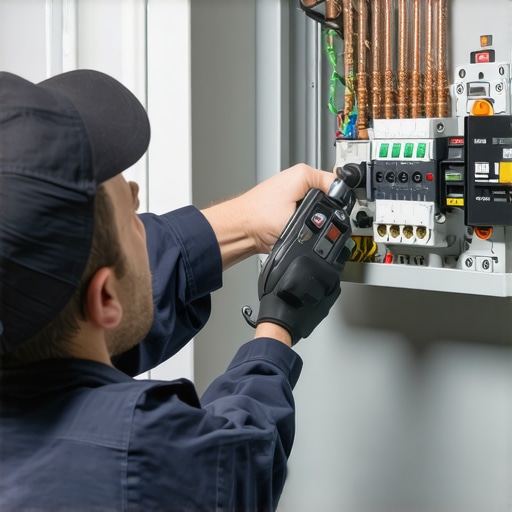
The Five-Minute Check That Saves Your Garage
The absolute most critical step, and the one that nearly cost me my house, is the torque setting. Most people think “hand-tight” is enough. In the world of high-voltage continuous loads, “hand-tight” is synonymous with “loose.” You must use a calibrated torque wrench. I cannot stress this enough. Refer to the forgotten torque test that prevents panel fires before you close that panel door. Every manufacturer provides the specific torque wrench settings for a wall connector for a reason. If those lugs aren’t torqued to the exact inch-pound specification, the metal will expand and contract as it heats up, eventually loosening the connection further until it arcs. Finally, don’t overlook the grounding. I’ve seen beautiful installs fail inspection because the contractor didn’t know how to fix the grounding fail that ruins EV permits. A solid ground is your only path for stray current to exit safely without going through you or your car’s sensitive electronics.
Why Your Smart Charger Can’t Fix a Dumb Panel
We often hear that buying a ‘smart’ charger solves all our power management woes, but that’s a dangerous oversimplification. People assume that because a charger can be software-limited, they can ignore the physical limits of their service. In my experience, relying on software to prevent a house fire is a gamble you don’t want to take. If you’re noticing your lights dimming when the car kicks in, you are seeing 5 signs your main breaker is overwhelmed by a new level 2 charger. Even the most expensive wall connector cannot compensate for a panel that is physically at its limit. While you might try to get faster charging without a new panel by down-rating the breaker, you’re often just masking a larger infrastructure problem. The reality is that upgrading your panel for better performance is usually the only way to ensure the long-term health of your home’s electrical system. According to the Electrical Safety Foundation International (ESFI), residential electrical systems are often the weakest link in the EV transition, with improper load calculations leading to a significant percentage of preventable home fires. Have you ever fallen into the trap of thinking software could fix a hardware problem? Let me know in the comments. 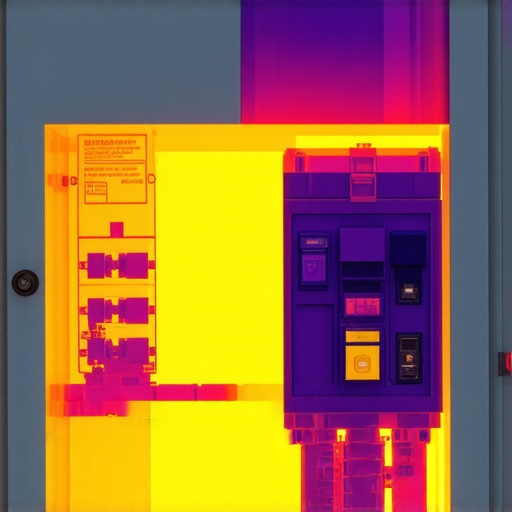
The Neutral Wire Trap That Kills Motherboards
One of the most nuanced mistakes I see, even from seasoned pros, is mishandling the neutral wire. In a standard Level 2 setup, many people think the neutral is just an extra wire because the charger technically only needs two hots and a ground to function. But that is where the neutral wire error that fries car motherboards comes into play. If your installation involves a 14-50 plug, that neutral is vital for the onboard electronics of many chargers and even some vehicle systems. A loose neutral can cause voltage spikes that will toast your car’s sensitive components in a heartbeat. I’ve seen homeowners deal with the neutral wire trap that spikes your home utility bill and destroy their charging hardware simultaneously. It is a silent killer because the charger might seem to work fine for months until a surge hits. Always use expert tips for common issues to verify that every connection in your junction box is tight and correctly identified.
How do you squeeze a Level 2 charger onto a 60-amp service?
For readers in older homes, the 60-amp or 100-amp service limit feels like an impossible barrier. However, you can technically learn how to squeeze a level 2 charger onto a 60-amp service by using dedicated load management hardware—not just software. This involves a physical device that monitors your total home draw and cuts power to the EV if the oven and AC kick on at the same time. This is a far cry from the ‘plug and play’ mentality, and it requires you to verify code compliance for your EV charger installation with a fine-toothed comb. Without this hardware, you are inviting nuisance tripping every time you try to dry a load of laundry while charging. Before you commit to an install in a restricted panel, make sure you understand panel upgrade strategies to meet EV charging code requirements in 2025 to see if a simple subpanel or a full service upgrade is actually your safest path forward.
Why an Infrared Camera is My Favorite Garage Tool
Even after the wires are pulled and the permits are signed, your job isn’t done. I’ve started carrying a Klein Tools non-contact infrared thermometer in my glove box. Why? Because it’s the only way to see if your breaker is running too hot before it actually trips. I usually aim it at the breaker face and the charging handle mid-session. If I see anything over 140°F, I know I’ve got a loose connection or a failing component. This is one of the most effective ev charger troubleshooting expert tips for common issues I can give you. When you’re dealing with 48 amps of continuous flow, heat is your only real enemy. A breaker that feels slightly warm is normal, but one that smells like ozone or burns to the touch is a sign that your panel is struggling to keep up with the demand.
How can I make my charging setup last for a decade?
The secret to longevity isn’t just a high-end unit; it’s preventative maintenance. At least once a year, you should shut off the main power and open the panel to check for signs of heat. Look for discolored insulation or pitting on the breaker contacts. If you’re near the ocean, you need to know how to spot corrosion inside your outdoor charging pedestal because salt air is a silent killer for copper. I’ve seen chargers in Florida fail in three years, while the same model in Arizona lasts ten. Understanding the real lifespan of a level 2 charger in coastal salt air means you might need to apply dielectric grease to your connectors every six months to prevent oxidation from ruining your charge rate. 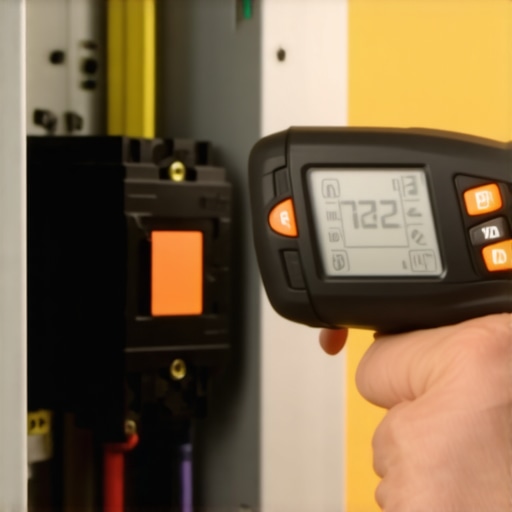
Your Car is About to Power Your Entire House
The next big shift isn’t just about faster charging—it’s about bi-directional power. According to the NFPA 70B Standard for Electrical Equipment Maintenance, the shift toward more complex residential power systems requires more rigorous inspection cycles than the ‘set it and forget it’ panels of the 1990s. We are moving toward a world where you will learn how to use your ev as a backup home battery safely. This turns your car from a power drain into a resource, but it also doubles the mechanical stress on your panel’s lugs as power flows both ways. Don’t forget the basics, like the right way to label your electrical panel for ev circuits. If there’s an emergency, you don’t want to be hunting for the right switch in a dark garage. You should also spend five minutes troubleshooting ev charger connectivity problems because smart chargers that lose their Wi-Fi often fail to update their firmware, which can lead to safety-critical software bugs. My advanced tip for today: go buy a calibrated torque screwdriver. Don’t trust your ‘feel’ for tightness. Go back and how to verify code compliance for your ev charger installation by ensuring every lug is set to the manufacturer’s exact spec. Grab your charger’s manual—like the Tesla Gen 3 Wall Connector guide—and check if you’re at the required 4.5 N-m (40 lb-in). A lot of guys think they can just ‘crank it down,’ but that actually deforms the aluminum lugs. Do this check this weekend; it is the single best thing you can do to prevent a house fire.
What Most Pros Won’t Mention Until Your Breaker Trips
Looking back at my garage mishap, there are a few lightbulb moments that changed how I approach electrical work forever. First, never assume a new panel is a perfect panel. Even with panel upgrades for EV chargers, human error during installation—like a loose lug—can still cause a failure. Second, your eyes are your best tool, but your nose is a close second. If you smell fish, ozone, or burning plastic, shut the main breaker off immediately. It’s often one of the 5 signs your old electrical panel is a charging bottleneck or a loose connection finally giving up. Lastly, always keep your permits. I’ve seen homeowners struggle to sell their houses because they couldn’t prove your electrical panel is code compliant for resale. It’s not just about safety; it’s about protecting your investment.
The Essential Gear for a Bulletproof Home Charging Setup
If you’re serious about doing this right, stop guessing and start measuring. I trust a calibrated torque wrench more than my own strength now—specifically those from industrial-grade brands like CDI. If you are handling code compliance essentials for EV charger installations in 2025, a torque screwdriver is non-negotiable. I also recommend having the NFPA 70 handbook on hand; it is the ultimate authority on safe wiring practices. For daily peace of mind, a simple Klein Tools infrared thermometer is the best investment you can make to monitor for heat spikes. If you run into issues, don’t hesitate to check out ev charger troubleshooting expert tips for common issues to narrow down the problem before calling in a professional.
Build a Charging System That Outlasts Your Car
Transitioning to an EV is one of the most exciting upgrades you can make for your home, but it requires a shift in how we think about our electrical infrastructure. By prioritizing ensuring code compliance when installing EV chargers, you aren’t just following rules—you’re building a foundation for the next twenty years of transportation. Whether you are performing troubleshooting ev charger connectivity problems or planning upgrading your panel for better performance, take it slow and do it right the first time. Your car, your home, and your family’s safety are worth the extra effort. Have you noticed any weird smells or excessive heat coming from your panel since installing your charger? Let me know in the comments below so we can help each other stay safe!