It was 2 AM, and I was just about to head to bed when I caught a whiff of something that smelled like… burnt fish? I ran to the garage, heart pounding, and touched the metal cover of my electrical panel. It was warm. Too warm. I realized then that my brand-new EV charger, the one I’d been so proud of installing, was pushing my old panel to its absolute breaking point because of a single loose screw. I had spent hours researching the car, the battery, and the charging speeds, but I’d neglected the most important link in the chain: the actual hardware distributing all that power. If I hadn’t walked out there when I did, I’m not sure I’d be writing this today. That wake-up call is why I’m so passionate about helping you avoid the same close calls.
Stop Your Panel from Melting Under the Pressure
We often think of our electrical panels as static boxes that just work forever. But adding an EV charger is like asking a marathon runner to sprint while carrying a refrigerator. It’s a massive, continuous load that most older systems weren’t designed for. Today, I’m going to walk you through the three tiny oversights that turn a standard setup into a ticking time bomb. We aren’t just talking about a tripped breaker; we’re talking about catastrophic failure. If you’ve ever wondered why your electrical panel smells like fish, you’re already in the danger zone. I made these mistakes early on so you don’t have to, and honestly, the fix is usually simpler than you think.
Is a little bit of heat really a dealbreaker?
Many homeowners assume that if the lights aren’t flickering and the car is charging, everything is fine. That’s a dangerous gamble. According to the National Fire Protection Association, electrical failures or malfunctions are a leading cause of home fires, often stemming from issues that aren’t visible from the outside. A small amount of resistance at a terminal can create a localized hot spot that exceeds 400 degrees Fahrenheit without ever tripping a breaker. This is exactly why the forgotten torque test that prevents panel fires is the most critical step in any installation. If those lugs aren’t tightened to the exact manufacturer specifications, you’re essentially inviting a fire to start inside your walls. Have you ever checked the temperature of your panel door during a heavy charging session? It’s a simple check that could save your home.
The High Cost of Overlooking Small Details
The transition to electric driving is exciting, but our homes have to keep up. I remember thinking that as long as I had a 200-amp service, I was invincible. I was wrong. It’s not just about capacity; it’s about the integrity of every single connection. When you start pulling 40 or 50 amps for eight hours straight, every tiny flaw is magnified. From using the wrong gauge wire to failing to detect a loose neutral wire, the margin for error is razor-thin. We’re going to dive into how to tell if your panel is actually a fire hazard before the smoke starts appearing. Trust me, a little bit of proactive maintenance is a lot cheaper than a visit from the fire department.
Grab a torque wrench or risk a meltdown
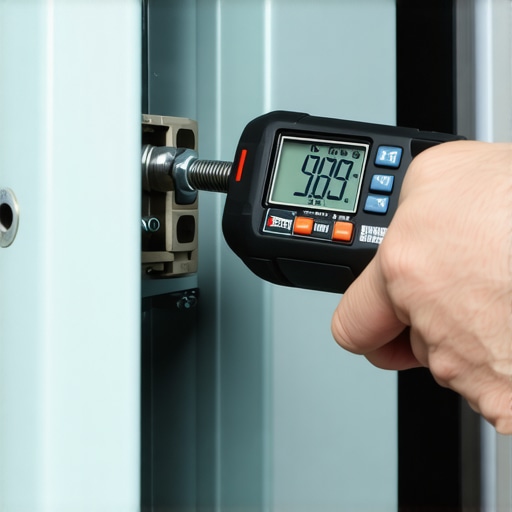
You cannot simply ‘hand-tighten’ the lugs on an EV circuit and expect them to survive. When you pull 48 amps for eight hours straight, the thermal expansion and contraction are relentless. If a connection is even slightly loose, it creates resistance, which creates heat, which eventually turns into a fire. I once helped a neighbor who swore his DIY job was perfect. He used a standard screwdriver to ‘crank’ the lugs. Three months later, we pulled the panel cover and saw the insulation on the wire was literally bubbling. We got a proper wrench, followed the specific torque wrench settings for a wall connector, and fixed it before the house caught fire. This isn’t a suggestion; it is a safety requirement. Many installers skip this because it takes an extra five minutes, but that is exactly why your charger needs a specific torque setting to pass inspection and stay safe over years of use.
Size your wire for the long haul
Electricity is like water flowing through a pipe. If you try to shove a massive amount of water through a tiny straw, the pressure builds up and the straw bursts. In the electrical world, that ‘burst’ is heat. I have seen far too many people try to save fifty bucks by using a smaller wire size than recommended. Not only does this violate code compliance essentials for EV charger installations, but it also physically damages your equipment. If you notice your charging speed is lower than advertised, why thinner wire is costing you miles every night becomes painfully obvious. Always check for signs your electrician used the wrong gauge wire, like excessive heat at the breaker or a humming sound that gets louder as the charge progresses.
Keep the elements out of your electronics
If your charger is outdoors, the installation needs to be a fortress. Moisture and pests are the silent killers of high-voltage hardware. I once opened a pedestal mount only to find a massive spider nest had shorted out the main board. It was a mess that could have been avoided with a ten-cent dab of sealant. Using the proper way to seal conduit openings against spiders and dust is a small step that protects a thousand-dollar investment. Furthermore, you need to ensure you are using the specific conduit size needed for a 50-amp circuit to allow for proper airflow and heat dissipation. If the wires are packed too tightly, they can’t shed the heat they generate, leading to premature insulation failure. If you are struggling with a complex layout, learning how to use a liquid-tight conduit for outdoor charger exposed runs can save you from a lot of future troubleshooting and potential short circuits.
Ensure your ground is actually grounding
Grounding is your safety net, yet it is the part of the install most likely to fail an inspection. A poor ground connection can cause intermittent charging errors that drive you crazy because they seem to happen for no reason. I spent an entire weekend once chasing a ‘ground fault’ error only to realize the installer hadn’t scraped the paint off the mounting surface, preventing a clean metal-to-metal bond. Knowing how to fix the grounding fail that ruins EV permits is essential before you call the city for your final sign-off. If you are working with an older home, why your panel upgrade might require a new ground rod is something you need to account for in your budget and your labor time. Without a solid path to earth, your charger’s sensitive electronics are sitting ducks for the next lightning storm or utility surge.
Let’s dig deeper. Everyone thinks that if the car is drawing power, the job is done. But the most common mistake I see is a misunderstanding of ‘continuous load’ ratings. Conventional wisdom says if you have a 50-amp charger, a 50-amp breaker is fine. This is a dangerous myth that leads to nuisance trips and premature equipment failure. In my experience, treating your charger like any other appliance is the fastest way to fry your investment. We need to look at the math that professionals use to ensure your home doesn’t become a cautionary tale.
Don’t Buy a 50-Amp Breaker for a 50-Amp Charger
The biggest trap in the industry is ignoring the 125% rule. According to the National Electrical Code (NEC) Article 625, EV charging is a continuous load, meaning it runs at full capacity for more than three hours. This generates significant heat soak. If you try to pull 48 amps through a 50-amp breaker, that breaker will eventually trip—not because of a short circuit, but because the internal thermal elements are literally overheating. You actually need a 60-amp breaker for a 48-amp load to stay within the safety margin. This is why ensuring code compliance when installing EV chargers is about more than just passing an inspection; it is about physical safety. If you ignore this, you’ll start seeing 5 signs your main breaker is overwhelmed by a new level 2 charger, including that distinct ‘hot electronics’ smell.
Why does your smart charger keep losing its connection?
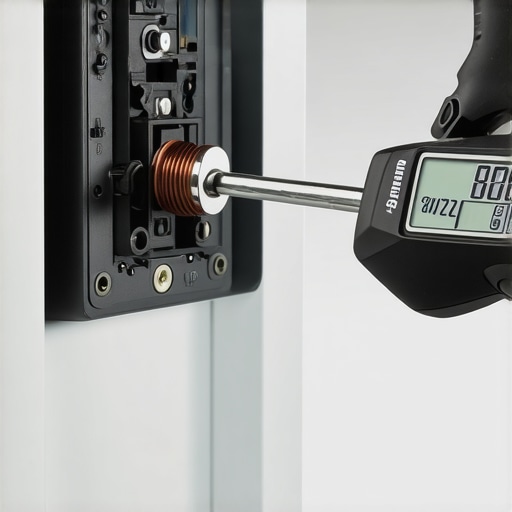
It’s incredibly frustrating when your app says your car is ready, but you walk out to an empty battery. Often, people blame their ISP, but the culprit is usually electrical interference within the panel itself. High-voltage lines running parallel to sensitive data cables can cause electromagnetic interference that knocks your unit offline. While why your smart charger lost its wi-fi connection again might seem like a software glitch, it often points back to how the conduit was routed. When troubleshooting EV chargers common compliance pitfalls and fixes, I always check the physical separation of wires first. A simple shield or a slightly different path for your conduit can solve a ‘software’ problem that no amount of rebooting will fix.
Stop Blaming the Software for a Bad Installation
I’ve seen homeowners spend hundreds on ‘better’ chargers when the real issue was a voltage drop caused by undersized wire. If your charger is more than 50 feet from your panel, you cannot just use the minimum wire size. The resistance builds up, the voltage drops, and the car’s onboard computer will throttle the charging speed to protect itself. This is why your level 2 charger takes twice as long as the box promised. If you are serious about performance, upgrading your panel for better EV charging performance is often more effective than buying the most expensive charger on the market. Always refer to EV charger troubleshooting expert tips for common issues before you start replacing parts. Have you ever fallen into this trap of assuming it was a software bug when it was actually a hardware bottleneck? Let me know in the comments. Before you finalize anything, make sure you know how to verify code compliance for your EV charger installation to protect your home’s resale value and your family’s safety.
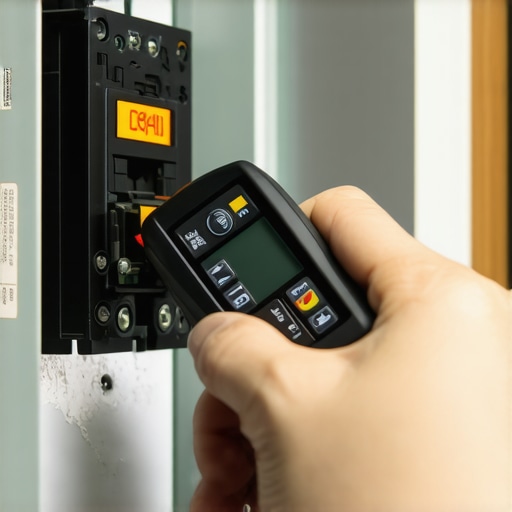
I’ve learned the hard way that ‘set it and forget it’ is a recipe for a service call three years down the line. If you want to avoid troubleshooting EV chargers common compliance pitfalls and fixes on a rainy Tuesday morning, you need to be proactive. My favorite tool isn’t even a screwdriver; it’s a non-contact infrared (IR) thermometer. Once every six months, I open my panel while the car is pulling a full 48 amps and scan the breakers. If I see one breaker significantly hotter than its neighbors, I know a connection is loosening. This is the next level of the forgotten torque test that prevents panel fires. Metal expands when it gets hot and contracts when it cools; over hundreds of charging cycles, that movement can literally unscrew your lugs. I’ve seen it happen, and I’ve seen the charred plastic it leaves behind.
Stop guessing and start measuring with thermal imaging
According to the IEEE 1159 Recommended Practice for Monitoring Electric Power Quality, continuous high-load devices like EV chargers are prone to thermal cycling that can degrade connection integrity faster than standard appliances. I don’t just trust my eyes anymore. I look for localized heat signatures that indicate high resistance. If you aren’t comfortable opening your panel, you can still look for EV charger troubleshooting expert tips for common issues, like discolored plastic around the charger handle or a cable that feels unusually stiff. This proactive approach is how you ensure how to verify code compliance for your EV charger installation remains valid for the life of your home. A single loose wire can eventually lead to a total meltdown of the charger’s motherboard.
Think about your second EV before you buy it
The trend is clear: most households won’t stop at one electric car. If you are currently looking at panel upgrades for EV chargers what you need to know, please do yourself a favor and overbuild. I always recommend installing a subpanel in the garage rather than a single dedicated circuit. Understanding why your garage needs a subpanel for that second EV will save you thousands in labor costs later. It allows you to add a second charger or high-power shop tools without ever touching your main panel again. Looking forward, the next five years will bring vehicle-to-home (V2H) technology into the mainstream. Your panel won’t just be feeding your car; your car will be feeding your house during peak hours. If your current setup isn’t robust, it won’t handle that bidirectional flow.
How do I keep my charging station healthy for the next ten years?
Maintenance isn’t just about the wires; it’s about the physical hardware exposed to the elements. If your unit is outside, you must learn how to spot corrosion inside your outdoor charging pedestal before it reaches the sensitive electronics. I personally use a dielectric grease on the plug contacts once a year to prevent oxidation. If you notice the charger behaving erratically, you might need to learn how to diagnose a faulty internal relay in your charging station. Most high-quality units allow for component replacement. Instead of tossing a $600 unit because the cable is worn, knowing how to replace a frayed cable without buying a new station can save you a fortune. My advanced tip for you: Go to your panel right now, safely remove the cover, and use a non-contact IR thermometer to check the temperature of your EV breaker while it’s charging; if it’s over 60°C (140°F), call an electrician immediately to check the torque settings.
The Expensive Lesson I Learned from One Loose Screw
Looking back at my 2 AM scare, the biggest takeaway wasn’t just about hardware; it was about the intensity of “continuous load.” Unlike a toaster, your car is a relentless draw of power, and this makes ensuring code compliance when installing EV chargers a non-negotiable safety step rather than just a hurdle for inspection. I learned the hard way that thermal expansion is a physical reality—metal moves as it heats, and those movements can slowly back out a lug that wasn’t properly torqued. If I could give my past self one piece of advice, it would be to never trust a connection that hasn’t been verified with a calibrated tool.
Tools That Keep My Panel Cool and My Mind at Ease
I’ve narrowed my safety routine down to three specific resources that I believe every EV owner should understand. First, I always keep a copy of the latest NEC guidelines to stay updated on panel upgrades for EV chargers what you need to know. Second, a reliable torque wrench is the only way to perform the forgotten torque test that prevents panel fires with actual precision. Finally, I use a simple infrared thermal scanner once a month to check for hot spots. These aren’t just gadgets; they are the barrier between a functioning garage and a hazardous one. I trust these tools because they remove the guesswork from high-voltage maintenance.
#IMAGE_PLACE_HOLDER_E#
Take Charge of Your Home’s Electrical Safety
Stepping into the world of electric mobility is exciting, but your home’s infrastructure needs to be ready for the long haul. By staying proactive and learning how to verify code compliance for your EV charger installation, you’re ensuring that your transition to green energy is as safe as it is convenient. You now have the insider knowledge to spot red flags before they become emergencies. Don’t be afraid to audit your own panel or ask your contractor for specific torque specs—your peace of mind is worth the extra five minutes of effort.
Have you ever checked your breaker temperatures during a charging session, or did your installer mention torque settings to you? Let me know in the comments below!