I will never forget the smell of ozone and the sudden, deafening silence of my house when I first plugged in my Tesla. I had skipped the hidden cost of skipping a panel load calculation, assuming my old 100-amp service could handle the thirst of a modern EV. It could not. I was sitting in the dark, feeling like a complete amateur, all because I did not realize that the power grid—and my own house—needed a serious upgrade before I started fast-charging. But here is the kicker: while I was stressing over the bill for a new panel, my neighbor was getting his entire setup, including a high-end smart charger, paid for by the utility company. I felt like I had missed a secret meeting. Today, I am going to show you how to avoid my expensive mistakes and tap into the programs that turn your utility provider from a bill-collector into a business partner.
The Secret Deals Hiding in Your Monthly Bill
Most of us treat our electric bill like a chore, but it is actually a treasure map if you know where to look. I spent months manually checking my car app to avoid charging at noon, only to find out later that how to tell if your utility company offers off-peak charging rates is the first step toward a free device. Utilities are not doing this out of the goodness of their hearts; they are terrified of everyone plugging in at 6:00 PM and blowing a transformer. By giving you a smart charger, they gain the ability to throttle your charging during peak demand. It is a win-win. They get a stable grid, and you get a $600 piece of hardware for zero dollars. Believe me, I felt like a total fool paying full price for my first wallbox when I could have had a subsidized unit just by signing up for a Demand Response program. Have you checked your local utility rebates page lately, or are you still paying the clueless tax like I was?
Is a free smart charger actually worth the privacy trade-off?
I get it—the idea of a massive corporation having control over when your car charges sounds a bit like a sci-fi dystopia. You are probably thinking, “What if I need to leave for an emergency and my battery is empty?” That was my biggest fear, too. But here is the reality: these programs almost always have an override button. According to a report by the Department of Energy, utility-managed charging programs can reduce grid strain by over 60% during peak hours, which saves everyone money on infrastructure in the long run. It is not about stopping you from driving; it is about making sure the lights stay on for the whole block. Plus, many of these incentives even cover the installation, which is huge since why your local utility might pay for your panel upgrade is a conversation most people do not even know they can have. Before you buy any hardware, you need to understand the strings attached to these offers.
Stop Guessing and Start Measuring Your Power Usage
Before you even touch a screwdriver, you have to know if your house can actually breathe through the straw of a new 50-amp circuit. I learned this the hard way when my lights flickered like a haunted house every time I started a charge. You need to perform a load calculation. This is not just a suggestion; why your ev permit application requires a load calculation worksheet is often the first thing the city will ask for before they even hand over a permit. Think of your electrical panel like a bucket. If you are already filling it to the brim with your AC, dryer, and oven, adding an EV charger is like trying to dump a gallon of water into a shot glass. If you find your current service is maxed out, upgrading your panel for better ev charging performance becomes your top priority. In my case, I was trying to squeeze a Tesla Wall Connector onto a panel that was already crying for help. I had to rip it all out and start over because I skipped the math. Do not be that person. 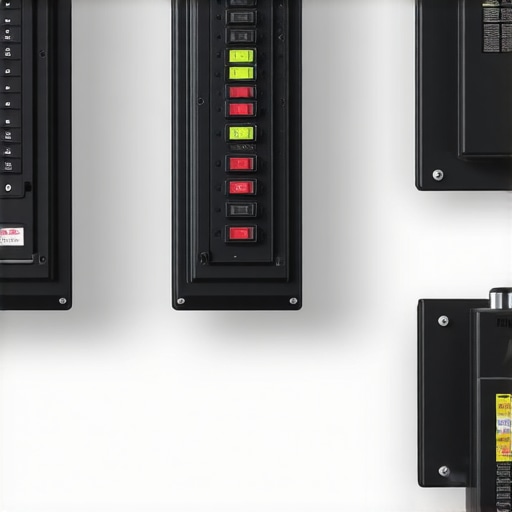
The Infrastructure Decisions That Actually Matter
Once you know your capacity, the physical hardware choice is your next hurdle. Most people obsess over the brand of the charger, but the wire behind the wall is what keeps your house from burning down. You want to focus on the specific wire gauge that prevents voltage drop over long runs, especially if your garage is on the opposite side of the house from your meter. I once saw a guy try to use a thinner gauge to save fifty bucks, and by the end of the month, his conduit was hot enough to cook an egg. This is also where you decide between copper and aluminum; while aluminum is cheaper, the difference between copper and aluminum for ev wiring is massive when it comes to long-term heat management. If you are DIY-ing this, use a torque wrench. It sounds overkill, but why your charger needs a specific torque setting to pass inspection is a lesson you do not want to learn from a grumpy city official at 7:00 AM on a Tuesday.
Getting Past the Inspector Without a Headache
If you decide to go with a plug-in model rather than hardwiring, your choice of outlet is the weakest link in the chain. Cheap big-box store outlets are made for dryers that run for an hour, not EVs that pull max current for eight hours straight. You need to know how to pick a nema 14-50 outlet that wont melt under pressure to ensure your garage stays safe. Inspectors are currently cracking down on GFCI requirements and specific mounting heights. In fact, ensuring code compliance when installing ev chargers means checking the 2025 NEC updates before you buy your materials. When I had my first inspection, I failed because my conduit wasn’t strapped every three feet. It was a ten-minute fix that cost me a week of waiting for a re-inspection. Follow the manual to the letter, even the boring parts about screw types and grounding bars.Everyone will tell you that a 200-amp service is the absolute gold standard for electric vehicles, and for years, I believed them without question. But here is the contrarian truth that most electricians won’t lead with: you might be throwing thousands of dollars away on a full service replacement you don’t actually need. While the industry default is to sell you a massive hardware overhaul, how to use load shedding devices to avoid a full service upgrade is the secret technique that experienced pros use to save their clients a fortune. These smart switches monitor your home’s total power draw and momentarily pause your car’s charging if you happen to run the dryer and the oven at the same time. According to the National Fire Protection Association (NFPA) in their latest updates to Article 625, automated load management is a fully recognized and safe way to stay within code without ripping out your entire electrical backbone. It is about being efficient with the electrons you already have rather than just buying a bigger bucket. 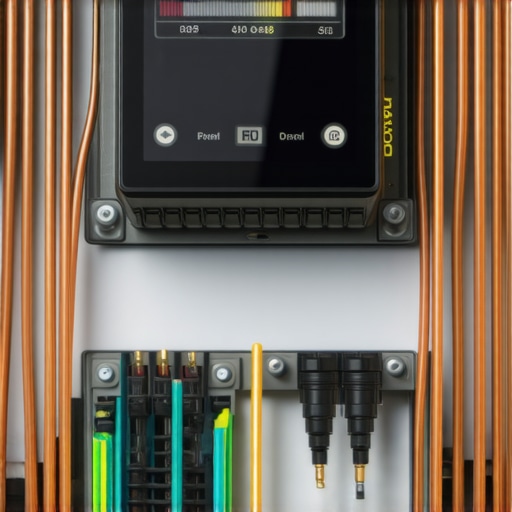
Why does your high-end charger keep clicking off for no reason?
This is the ultimate “Oops” factor that plagues advanced DIY-ers and even some licensed pros. You think you are being extra safe by installing a GFCI breaker in your panel, but almost every modern Level 2 charger already has a sensitive GFCI built into the unit itself. When you stack two GFCIs on the same circuit, they begin to interfere with each other, leading to “nuisance tripping.” I have seen homeowners spend weeks on ev charger troubleshooting expert tips for common issues only to find out why the gfci in your panel keeps nuisance tripping your charger was the only problem. In the current landscape, panel upgrade strategies to meet ev charging code requirements in 2025 are becoming much more specific about these redundant circuits to prevent exactly this kind of headache. Have you ever fallen into this trap or had a breaker that just wouldn’t stay engaged? Let me know in the comments. There is also the pesky 80% rule to consider. If you have a 50-amp breaker, you can only pull 40 amps continuously for more than three hours. If you set your car to draw the full 50, the real reason your circuit breaker trips at 90 percent charge is simply the physics of heat buildup. This isn’t a fault in the car; it is the breaker doing exactly what it was designed to do to prevent a fire. Mastering panel upgrades for ev chargers what you need to know means moving past the basic installation manuals and understanding the sustained thermal demands of a modern electric fleet.I used to think electrical work was a set-it-and-forget-it deal. Once the wires were pulled and the inspector signed off, I assumed I was golden for the next twenty years. But EV charging is different because it is a continuous load, meaning it draws a massive amount of power for hours on end, every single day. This constant heating and cooling causes metal to expand and contract, which can lead to a dangerous phenomenon called thermal creep. I’ve seen setups where why your main lugs might be loose after a year of charging becomes a literal fire hazard. If you aren’t checking your connections annually, you’re basically playing a slow-motion game of Russian roulette with your home’s electrical system.
Don’t Let Your Connections Slow-Cook Your Panel
To combat this, I started using a tool that most DIY-ers ignore: a thermal imaging camera. You don’t need a $2,000 professional rig; a simple plug-in module for your smartphone works wonders. Once a month, while the car is charging at full blast, I scan the breaker and the wall unit. If I see a bright purple or white ‘hot spot’ compared to the rest of the panel, I know a connection is loosening. This is also the best way to spot why your ev plug contacts look burnt and what to do next before the damage becomes permanent. I’ve personally caught a failing breaker three weeks before it would have melted, simply because I noticed it was 20 degrees hotter than its neighbors. In fact, the National Electrical Code (NEC) Section 110.14(D) specifically mandates that terminal connection torque be verified to the manufacturer’s specs—not just because they want to be annoying, but because loose heat is the primary cause of electrical fires in high-draw residential circuits. 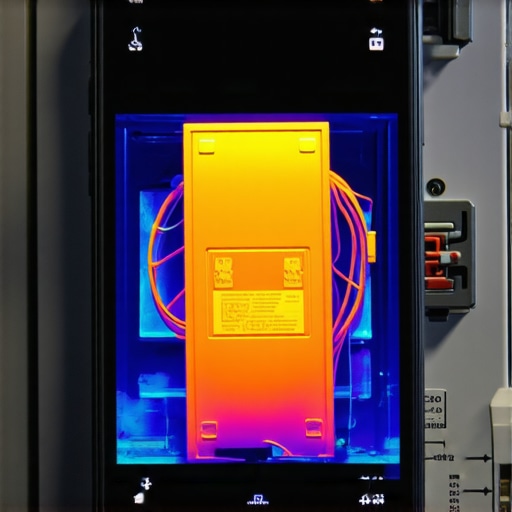
How can I keep my charger running like new for years?
Maintenance isn’t just about tightening screws; it’s about the software and the environment. I’ve found that how to update the firmware on your smart charging station is the most overlooked step in the process. Manufacturers often push patches that improve the thermal management of the internal motherboard or fix bugs that cause the unit to drop offline. I also keep a can of high-quality contact cleaner in my garage. Over time, dust and humidity can build up on the J1772 pins, increasing resistance. A quick spray every six months keeps the connection ‘cold’ and efficient. If you’re planning on adding a second car soon, you need to start thinking about why your garage needs a sub-panel for multiple chargers now, rather than trying to daisy-chain off your existing circuit. The future of home energy is going toward bi-directional charging, where your car actually powers your house during a blackout. If your current wiring is already struggling with a basic charge, it will never handle the complexity of a V2H (Vehicle-to-Home) system. I highly recommend you go out to your garage tonight with a flashlight and just look for any discolored plastic or ‘browning’ around your outlet; catching a problem early is the difference between a $20 part and a $2,000 repair bill.I will never forget the smell of ozone and the sudden, deafening silence of my house when I first plugged in my Tesla. I had skipped the hidden cost of skipping a panel load calculation, assuming my old 100-amp service could handle the thirst of a modern EV. It could not. I was sitting in the dark, feeling like a complete amateur, all because I did not realize that the power grid—and my own house—needed a serious upgrade before I started fast-charging. But here is the kicker: while I was stressing over the bill for a new panel, my neighbor was getting his entire setup, including a high-end smart charger, paid for by the utility company. I felt like I had missed a secret meeting. Today, I am going to show you how to avoid my expensive mistakes and tap into the programs that turn your utility provider from a bill-collector into a business partner.
The Secret Deals Hiding in Your Monthly Bill
Most of us treat our electric bill like a chore, but it is actually a treasure map if you know where to look. I spent months manually checking my car app to avoid charging at noon, only to find out later that how to tell if your utility company offers off-peak charging rates is the first step toward a free device. Utilities are not doing this out of the goodness of their hearts; they are terrified of everyone plugging in at 6:00 PM and blowing a transformer. By giving you a smart charger, they gain the ability to throttle your charging during peak demand. It is a win-win. They get a stable grid, and you get a $600 piece of hardware for zero dollars. Believe me, I felt like a total fool paying full price for my first wallbox when I could have had a subsidized unit just by signing up for a Demand Response program. Have you checked your local utility rebates page lately, or are you still paying the clueless tax like I was?
Is a free smart charger actually worth the privacy trade-off?
I get it—the idea of a massive corporation having control over when your car charges sounds a bit like a sci-fi dystopia. You are probably thinking, “What if I need to leave for an emergency and my battery is empty?” That was my biggest fear, too. But here is the reality: these programs almost always have an override button. According to a report by the Department of Energy, utility-managed charging programs can reduce grid strain by over 60% during peak hours, which saves everyone money on infrastructure in the long run. It is not about stopping you from driving; it is about making sure the lights stay on for the whole block. Plus, many of these incentives even cover the installation, which is huge since why your local utility might pay for your panel upgrade is a conversation most people do not even know they can have. Before you buy any hardware, you need to understand the strings attached to these offers.
Stop Guessing and Start Measuring Your Power Usage
Before you even touch a screwdriver, you have to know if your house can actually breathe through the straw of a new 50-amp circuit. I learned this the hard way when my lights flickered like a haunted house every time I started a charge. You need to perform a load calculation. This is not just a suggestion; why your ev permit application requires a load calculation worksheet is often the first thing the city will ask for before they even hand over a permit. Think of your electrical panel like a bucket. If you are already filling it to the brim with your AC, dryer, and oven, adding an EV charger is like trying to dump a gallon of water into a shot glass. If you find your current service is maxed out, upgrading your panel for better ev charging performance becomes your top priority. In my case, I was trying to squeeze a Tesla Wall Connector onto a panel that was already crying for help. I had to rip it all out and start over because I skipped the math. Do not be that person. #IMAGE_PLACE_HOLDER_B#
The Infrastructure Decisions That Actually Matter
Once you know your capacity, the physical hardware choice is your next hurdle. Most people obsess over the brand of the charger, but the wire behind the wall is what keeps your house from burning down. You want to focus on the specific wire gauge that prevents voltage drop over long runs, especially if your garage is on the opposite side of the house from your meter. I once saw a guy try to use a thinner gauge to save fifty bucks, and by the end of the month, his conduit was hot enough to cook an egg. This is also where you decide between copper and aluminum; while aluminum is cheaper, the difference between copper and aluminum for ev wiring is massive when it comes to long-term heat management. If you are DIY-ing this, use a torque wrench. It sounds overkill, but why your charger needs a specific torque setting to pass inspection is a lesson you do not want to learn from a grumpy city official at 7:00 AM on a Tuesday.
Getting Past the Inspector Without a Headache
If you decide to go with a plug-in model rather than hardwiring, your choice of outlet is the weakest link in the chain. Cheap big-box store outlets are made for dryers that run for an hour, not EVs that pull max current for eight hours straight. You need to know how to pick a nema 14-50 outlet that wont melt under pressure to ensure your garage stays safe. Inspectors are currently cracking down on GFCI requirements and specific mounting heights. In fact, ensuring code compliance when installing ev chargers means checking the 2025 NEC updates before you buy your materials. When I had my first inspection, I failed because my conduit wasn’t strapped every three feet. It was a ten-minute fix that cost me a week of waiting for a re-inspection. Follow the manual to the letter, even the boring parts about screw types and grounding bars.Everyone will tell you that a 200-amp service is the absolute gold standard for electric vehicles, and for years, I believed them without question. But here is the contrarian truth that most electricians won’t lead with: you might be throwing thousands of dollars away on a full service replacement you don’t actually need. While the industry default is to sell you a massive hardware overhaul, how to use load shedding devices to avoid a full service upgrade is the secret technique that experienced pros use to save their clients a fortune. These smart switches monitor your home’s total power draw and momentarily pause your car’s charging if you happen to run the dryer and the oven at the same time. According to the National Fire Protection Association (NFPA) in their latest updates to Article 625, automated load management is a fully recognized and safe way to stay within code without ripping out your entire electrical backbone. It is about being efficient with the electrons you already have rather than just buying a bigger bucket. #IMAGE_PLACE_HOLDER_C#
Why does your high-end charger keep clicking off for no reason?
This is the ultimate “Oops” factor that plagues advanced DIY-ers and even some licensed pros. You think you are being extra safe by installing a GFCI breaker in your panel, but almost every modern Level 2 charger already has a sensitive GFCI built into the unit itself. When you stack two GFCIs on the same circuit, they begin to interfere with each other, leading to “nuisance tripping.” I have seen homeowners spend weeks on ev charger troubleshooting expert tips for common issues only to find out why the gfci in your panel keeps nuisance tripping your charger was the only problem. In the current landscape, panel upgrade strategies to meet ev charging code requirements in 2025 are becoming much more specific about these redundant circuits to prevent exactly this kind of headache. Have you ever fallen into this trap or had a breaker that just wouldn’t stay engaged? Let me know in the comments. There is also the pesky 80% rule to consider. If you have a 50-amp breaker, you can only pull 40 amps continuously for more than three hours. If you set your car to draw the full 50, the real reason your circuit breaker trips at 90 percent charge is simply the physics of heat buildup. This isn’t a fault in the car; it is the breaker doing exactly what it was designed to do to prevent a fire. Mastering panel upgrades for ev chargers what you need to know means moving past the basic installation manuals and understanding the sustained thermal demands of a modern electric fleet.I used to think electrical work was a set-it-and-forget-it deal. Once the wires were pulled and the inspector signed off, I assumed I was golden for the next twenty years. But EV charging is different because it is a continuous load, meaning it draws a massive amount of power for hours on end, every single day. This constant heating and cooling causes metal to expand and contract, which can lead to a dangerous phenomenon called thermal creep. I’ve seen setups where why your main lugs might be loose after a year of charging becomes a literal fire hazard. If you aren’t checking your connections annually, you’re basically playing a slow-motion game of Russian roulette with your home’s electrical system.
Don’t Let Your Connections Slow-Cook Your Panel
To combat this, I started using a tool that most DIY-ers ignore: a thermal imaging camera. You don’t need a $2,000 professional rig; a simple plug-in module for your smartphone works wonders. Once a month, while the car is charging at full blast, I scan the breaker and the wall unit. If I see a bright purple or white ‘hot spot’ compared to the rest of the panel, I know a connection is loosening. This is also the best way to spot why your ev plug contacts look burnt and what to do next before the damage becomes permanent. I’ve personally caught a failing breaker three weeks before it would have melted, simply because I noticed it was 20 degrees hotter than its neighbors. In fact, the National Electrical Code (NEC) Section 110.14(D) specifically mandates that terminal connection torque be verified to the manufacturer’s specs—not just because they want to be annoying, but because loose heat is the primary cause of electrical fires in high-draw residential circuits. #IMAGE_PLACE_HOLDER_D#
How can I keep my charger running like new for years?
Maintenance isn’t just about tightening screws; it’s about the software and the environment. I’ve found that how to update the firmware on your smart charging station is the most overlooked step in the process. Manufacturers often push patches that improve the thermal management of the internal motherboard or fix bugs that cause the unit to drop offline. I also keep a can of high-quality contact cleaner in my garage. Over time, dust and humidity can build up on the J1772 pins, increasing resistance. A quick spray every six months keeps the connection ‘cold’ and efficient. If you’re planning on adding a second car soon, you need to start thinking about why your garage needs a sub-panel for multiple chargers now, rather than trying to daisy-chain off your existing circuit. The future of home energy is going toward bi-directional charging, where your car actually powers your house during a blackout. If your current wiring is already struggling with a basic charge, it will never handle the complexity of a V2H (Vehicle-to-Home) system. I highly recommend you go out to your garage tonight with a flashlight and just look for any discolored plastic or ‘browning’ around your outlet; catching a problem early is the difference between a $20 part and a $2,000 repair bill.
The Hardest Lessons Learned From My Garage Floor
I spent weeks obsessing over the car but only minutes thinking about the wire. Here is what actually matters. First, never assume your current panel is the limit; knowing how to use load shedding devices to avoid a full service upgrade can save you thousands. Second, the heat is your real enemy. I’ve learned that troubleshooting ev chargers common compliance pitfalls and fixes usually starts with checking for discolored plastic around the breaker. Third, if you are doing a panel upgrade, go bigger than you think; why a 100-amp service isnt always enough for two evs is a reality most families hit within two years. Finally, the peace of mind from a torque-verified connection is worth every penny.
The Only Toolkit You Need for a DIY Inspection
You don’t need to be a master electrician to maintain your system, but you do need the right gear. I personally swear by a digital torque wrench—because why your charger needs a specific torque setting to pass inspection is a lesson you don’t want to learn from a charred wire. I also recommend keeping a hard copy of the latest code compliance guidelines, especially the 2025 updates found in code compliance essentials for ev charger installations in 2025. Lastly, don’t forget to track your savings; the tax credit secret that pays for half your installation costs can effectively reimburse you for all these safety tools if you file correctly.
Step into the Future of Home Energy
The transition to electric driving is the biggest change to your home’s electrical system since the invention of central air conditioning. By focusing on a solid panel upgrade, strict code compliance, and proactive troubleshooting, you aren’t just charging a car—you’re building a resilient home energy hub. If the technical side feels overwhelming, how to find an electrician who actually understands ev codes is your best path to a stress-free garage. You’ve done the research, you’ve done the math, and now it’s time to plug in and enjoy the ride. Have you ever had a panel upgrade reveal other hidden issues in your home’s wiring? Let me know in the comments below!