I remember the smell first. It wasn’t the ‘new car’ scent I’d been bragging about for weeks after bringing home my first electric vehicle. It was sharp, acrid, and smelled like burning plastic and ozone. I had been ‘trickle charging’ off a standard wall outlet in my garage for three days straight, thinking I was being clever and saving money. When I finally reached for the plug, the plastic felt soft—almost like warm taffy—and the outlet cover was discolored. I’d nearly burned my house down just to avoid the cost of a proper installation. It was my wake-up call that a standard 120V outlet is simply not built for the relentless, high-amperage draw of a modern car battery. Today, I’m going to help you avoid that same terrifying moment by explaining why that ‘free’ charging method is the most expensive risk you can take and how to transition to a safe, reliable setup. Have you ever noticed your plug feeling unusually warm after a long charging session?
Your Garage Wall Is Not Ready for This Level of Stress
Most people don’t realize that a standard household outlet is designed for intermittent use—a vacuum for ten minutes, a toaster for two. An EV is a completely different beast. It pulls maximum power for ten, twelve, or even twenty hours at a time. This creates a massive amount of heat that can degrade the wiring behind your drywall long before you see a spark. Early on, I made the classic mistake of thinking a ‘heavy duty’ cord would fix my reach issues, but I quickly learned about the safety reason why you should never use an extension cord for your ev. The heat buildup in those extra connections is a silent killer for your electrical system. According to the National Fire Protection Association (NFPA), electrical failures or malfunctions are a leading cause of home fires, and adding a continuous, high-draw load to an unverified circuit is an invitation for disaster. To keep things safe, you really need to how to verify code compliance for your ev charger installation before you commit to a daily routine.
Is a dedicated charger actually worth the hype?
You might be skeptical, thinking the manufacturer included that 120V travel cable for a reason. While it’s fine for a literal emergency at a hotel, it was never meant for your daily commute. Upgrading to a Level 2 station isn’t just about speed; it’s about the integrity of the connection. For instance, knowing how to pick a nema 14-50 outlet that wont melt under pressure is vital because even ‘high power’ outlets vary in quality. Cheap, builder-grade outlets can fail under the constant load of an EV, even if they are technically rated for the amps. I learned the hard way that you also have to pay attention to the specific torque settings that prevent panel fires during high load charging. A loose wire is a hot wire, and in the world of EVs, heat is the enemy of your home’s safety. We’re going to walk through the practical steps to get you off that wall plug and into a setup that lets you sleep soundly while your car fuels up.
Find Out if Your Electrical Panel Can Actually Handle the Load
Your home’s electrical panel is essentially a traffic warden. It can only manage so much ‘traffic’—or amperage—before everything comes to a grinding halt. Before you even buy a charger, you need to how to load test your house before adding a second charger. If you’re working with limited space, panel upgrades for ev chargers what you need to know is the first document you should read. It’s not just about physical space for a new breaker; it’s about the total capacity of your service. I’ve seen homeowners try to jam a high-draw circuit into an aging 100-amp system, only to find out that why a 100 amp service isnt always enough for two evs when the air conditioner and the oven are running simultaneously. I remember watching my neighbor try to squeeze a 50-amp breaker into a crowded 1970s panel that was already stuffed with double-tapped wires. He thought he was being efficient, but three hours into his first charge, the main bus bar began to arc. He didn’t just lose his car charging; he lost power to half his house because he ignored the signs of an overloaded system. It was a messy, expensive lesson that could have been avoided by simply looking for why you should check your panel for double tapped breakers before he ever touched a screwdriver. If your lights dim when the car starts charging, you’re likely pushing your main breaker to its thermal limit.
Lock Down Your Connections to Prevent Melted Components
Most DIY-ers focus on the charger itself, but the real magic (and danger) happens inside the wall. You must ensure you are using the exact wire gauge you need for a 50 amp ev circuit—usually 6 AWG copper. Speaking of materials, the difference between copper and aluminum for ev wiring is massive when it comes to heat expansion. Aluminum can work, but it requires specific connectors and anti-oxidant paste that most beginners skip. Once the wires are in, don’t just ‘hand tighten’ them. You need a torque screwdriver to hit the specific torque settings that prevent panel fires during high load charging. A connection that is even slightly loose will create resistance, and resistance creates the kind of heat that turns your garage into a fire hazard. 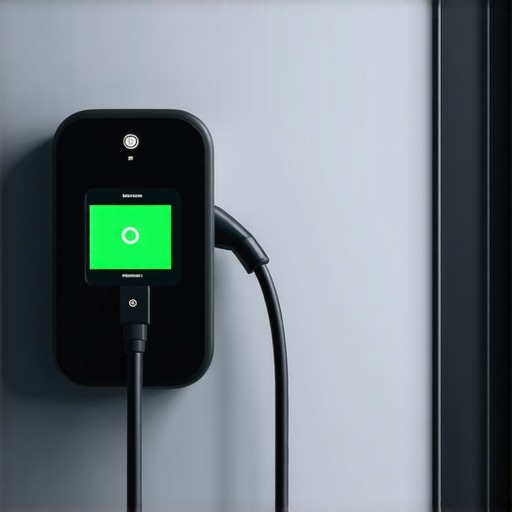
Passing the Inspection Without Re-Doing the Whole Project
Code compliance isn’t just bureaucratic red tape; it’s a safety roadmap. For instance, the National Electrical Code has strict rules about where a charger can live. You’ll need to double-check the exact distance your charger must be from the gas meter to avoid a fail on inspection day. If you’re installing near a utility area, knowing the rules for mounting an ev charger on a wooden post or near water sources is crucial. One of the most common ‘gotchas’ is the GFCI requirement. You might find that why your ev charger trips the gfci even when not in use is because of a conflict between the charger’s internal safety checks and a GFCI breaker in the panel. To keep yourself from pulling your hair out, how to verify code compliance for your ev charger installation should be your final checklist before the inspector knocks on your door.Most electricians will tell you that if your panel is full, you’re looking at a five-thousand-dollar service upgrade. In my experience, that’s often lazy advice. You can frequently bypass a full overhaul by learning how to load balance your home electrical system without a full panel swap. The National Electrical Code (NEC) 2023 Section 625.42(B) officially recognizes Energy Management Systems (EMS), which can dynamically throttle your charger’s power when the dryer or oven kicks on. This ‘smart’ throttling keeps you safely within your panel’s limits without the demolition. Have you ever fallen into this trap? Let me know in the comments.
Will your smart charger actually talk to your car when it matters?
The biggest ‘oops’ factor for advanced users isn’t usually the wiring; it’s the software handshake. I’ve spent hours helping neighbors with troubleshooting ev charger connectivity problems only to find out their mesh Wi-Fi was interfering with the charger’s internal antenna. If you can’t get a rock-solid signal to the garage, ev charger troubleshooting expert tips for common issues often suggest that disabling the ‘smart’ scheduling on the wall box and letting the car handle the timer is actually more reliable. Sometimes, over-complicating the tech is the quickest way to find yourself with an empty battery in the morning. 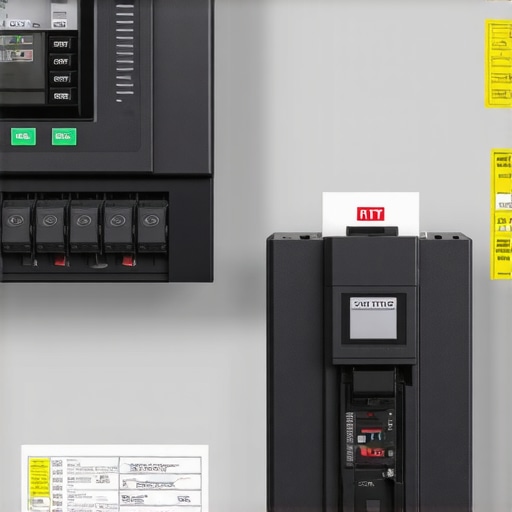 Beyond the Wi-Fi, people often overlook the hidden danger of loose neutral wires in your electrical panel. While a loose hot wire causes a localized fire, a loose neutral can send fluctuating voltage through your sensitive car electronics, potentially frying your onboard charger. This is also why you should be wary of the forgotten inspection step that voids your charger warranty—if you don’t document the final torque values and the ground-fault test during the initial sign-off, some manufacturers will refuse to cover a hardware failure later. One final nuance: you might think you’re safe because the car is charging, but why the city inspector failed your garage wiring usually comes down to ‘hidden’ rules like the conduit depth rule that fails more garage inspections than anything else. If you are trenching to a detached garage, even being off by two inches can mean digging the whole thing back up. Always check panel upgrade strategies to meet ev charging code requirements in 2025 to ensure your setup is future-proofed for the next generation of high-draw vehicles.
Invest in a torque screwdriver before you touch a breaker
I’ve seen plenty of ‘handy’ people tighten terminal screws until they grunt, thinking that more pressure equals a better connection. It doesn’t. In fact, over-tightening can crush the copper strands and lead to the same high-resistance heating as a loose wire. If you want to do this like a pro, you need a calibrated torque screwdriver. I personally use a Wera Kraftform because it clicks audibly when you hit the mark. This is the only way to ensure you are meeting the specific torque settings that prevent panel fires during high load charging. Another tool I swear by is a simple infrared thermometer. While the car is pulling 40 amps, I occasionally scan the breakers. If you notice one is significantly warmer than the others, you’re looking at 3 signs your main breaker is running dangerously hot during overnight charging. According to the Fluke application note on ‘Thermal imaging for preventive maintenance,’ identifying high-resistance connections early is the single best way to prevent catastrophic electrical failure in high-draw environments like residential charging. 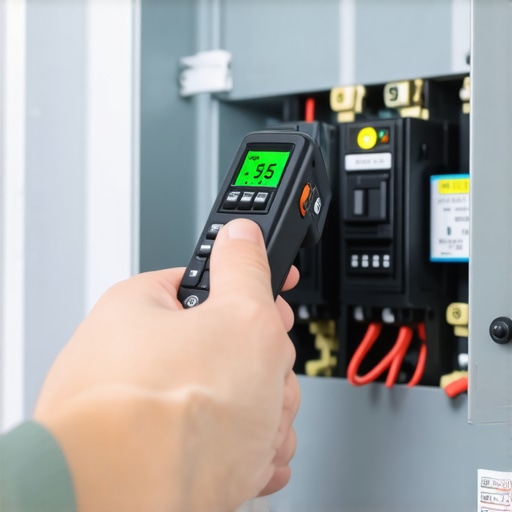
Stop your outdoor charger from dying in the snow
If your charger lives outside, you can’t just install it and forget it. I’ve had friends whose charging handles literally froze into the holster because they didn’t perform basic seasonal checks. You should be looking at 3 maintenance tasks that keep your outdoor charger running through winter, such as applying a tiny bit of silicone lubricant to the latch mechanism. This simple step is how to stop your charger handle from sticking in the port when the temperature drops below freezing. I also recommend checking the cable sheath for cracks every six months; UV rays and extreme cold can turn that flexible rubber into brittle plastic, exposing the high-voltage wires inside.
How do I maintain my EV setup over the long haul?
Maintenance isn’t just physical; it’s digital. These modern ‘smart’ chargers are essentially computers hanging on your wall. About once a quarter, you should check the manufacturer’s app to ensure you’re running the latest code. Knowing how to update the firmware on your smart charging station can fix communication bugs that cause your car to stop charging at 3 AM for no apparent reason. If you do see an error, don’t panic—usually, how to fix a check charger warning on your cars dashboard is as simple as a power cycle or a software patch. Looking ahead, I suspect we are moving toward a world where your car won’t just take power; it will give it back. Bi-directional charging (V2H) is the next big trend, and upgrading your panel for better ev charging performance now will save you thousands when you eventually want your car to power your house during a blackout. For now, focus on the thermal health of your system. My challenge to you: go grab a cheap infrared thermometer today and scan your panel while the car is charging—it’s the best twenty dollars you’ll ever spend on home safety.
Lessons Learned from a Near-Melted Garage Wall
The hardest lesson I learned isn’t just that electricity is dangerous—it is that components age differently under continuous load. A breaker that seems fine for a household fridge might fail when pushed to its limit for 10 hours every night. This is why I always check the thermal health of my system and know how to spot a dying breaker before it shuts down your charging session. It is also vital to realize that your software setup is a component too; why your ev battery health depends on your home charger settings is a topic every new owner should master to preserve their vehicle’s longevity. I found that adjusting the charge rate during the hottest summer months reduced my panel’s operating temperature by nearly 15 degrees.
The Three Tools I Use to Keep My EV Setup Safe
If you want to move beyond guessing if your garage is safe, I recommend keeping three things nearby. First, an infrared thermometer is the only way to see heat before it becomes a fire. Second, a high-quality torque screwdriver ensures your connections meet manufacturer specs perfectly. Finally, I rely on professional-grade circuit breakers from reputable brands like Eaton or Square D; never let a generic brand compromise your safety. If you are not comfortable doing the work yourself, knowing how to find an electrician who actually understands ev codes is the most valuable tool in your belt. A specialist will often spot issues that a generalist might overlook, such as minor bus bar corrosion.
#IMAGE_PLACEHOLDER_E#
Your Path to a Safe and Future-Proof Garage
Transitioning to electric driving should be an exciting upgrade, not a source of anxiety. By taking the time to how to verify code compliance for your ev charger installation, you ensure that your home remains a sanctuary. While it might seem like a significant expense now, upgrading your panel for better ev charging performance is a long-term investment in your home’s value and your family’s safety. Don’t cut corners on the heart of your home’s power system. Have you ever noticed your breaker panel getting unusually warm during a charge? Let me know in the comments below!