I still remember the acrid, chemical smell of melting plastic drifting into my kitchen at two in the morning. Just a week after bringing home my first electric vehicle, I thought I was being clever. I didn’t want to wait for a professional to look at my service, so I grabbed a ‘heavy-duty’ orange extension cord from my workshop and plugged it into a standard outlet. I assumed ‘heavy duty’ meant it could handle anything. I was dead wrong. By the time I walked into the garage, the plug was fused to the outlet and the cord was pulsing with heat. I nearly burned my house down because I skipped the vital step of learning how to tell if your electrical panel can actually handle a level 2 charger properly. It was a terrifying wake-up call that changed how I view home safety forever. Today, I want to share exactly why that cord is a ticking time bomb and how you can avoid the same heart-stopping mistake I made.
Extension Cords Simply Are Not Built for Continuous Stress
EV charging isn’t like running a vacuum cleaner or a power drill for ten minutes. It is a massive, sustained electrical draw that lasts for hours on end. Most household extension cords are designed for intermittent use, meaning they have time to cool down. When you force current through them for an entire night, they become heating elements. I learned the hard way that wire sizing errors aren’t just technicalities; they are the primary reason components fail under pressure. According to the Electrical Safety Foundation (ESFI), extension cords are involved in roughly 3,300 home fires annually, and adding a high-amperage EV to that circuit is essentially playing with fire. Every extra foot of cord adds resistance, and resistance creates heat. If you’ve noticed your charging cable getting warm, you are already seeing the first signs of trouble.
Is a heavy duty cord safe for just one night?
It is incredibly tempting to think a single night won’t hurt, especially if you are stuck or visiting family. But electrical failure doesn’t wait for a convenient time. That ‘heavy duty’ label on the package is often a marketing term rather than a rating for continuous high-load EV use. I used to think I could cheat the system for a quick top-off, but after seeing a melted socket firsthand, I realized that the benefit of a hardwired charger far outweighs the convenience of a temporary fix. We are going to dive into the physics of why these connections fail and how you can transition to a setup that lets you sleep soundly while your car charges. Have you ever felt the plug on your charger after a few hours and wondered if that heat was normal?To move away from the orange cord danger zone, you first need to look at your service capacity. I remember visiting a neighbor who was convinced their 100-amp panel was plenty for their new Tesla. We sat down and did the math together, looking at the draw from their electric oven, dryer, and central air unit. If they had simply plugged in a Level 2 charger without a plan, they would have tripped the main breaker every time they tried to bake a pizza while charging. You have to learn how to calculate if your 100-amp service can handle a daily commute before you ever buy a piece of hardware. This load calculation is the difference between a safe home and a recurring electrical nightmare.
Calculate your load before you trip the main breaker
Think of your electrical panel like a highway. If you have too many high-speed cars trying to merge into the same lane at the same time, the whole system grinds to a halt. In your house, that halt is your main breaker shutting off power to everything. When you add a Level 2 charger, you are adding the equivalent of a second air conditioning unit that runs at full blast for eight hours straight. To do this safely, you must follow the 80 percent rule: a continuous load should never exceed 80% of the circuit’s rated capacity. If you want to charge at 40 amps, you need a 50-amp breaker. This buffer prevents the breaker from overheating and tripping prematurely. If your current setup is already maxed out, you should look into upgrading your panel for better ev charging performance to avoid constant power outages.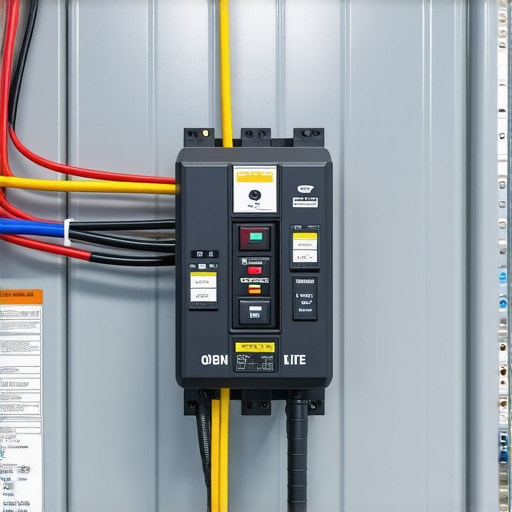
Choose the right wire gauge for long-term safety
One of the biggest mistakes I see DIYers make is underestimating the copper. I once helped a friend troubleshoot a charger that kept shutting down mid-session. When we opened the junction box, the wire insulation was discolored and brittle. He had used 10-gauge wire for a 40-amp circuit because it was cheaper and easier to bend. The reality is that the exact gauge of wire you need for a 60-amp circuit or even a 50-amp circuit is non-negotiable. For a typical Level 2 install, you generally want 6-gauge THHN or Romex, depending on your local codes. Thicker wire has less resistance, which means it generates less heat. When you choose the right gauge, you are essentially building a bigger pipe for the electricity to flow through, ensuring that your garage stays cool even during the peak of summer.
Eliminate heat by hardwiring the connection
While NEMA 14-50 plugs are popular because they allow you to take the charger with you, they are a frequent point of failure. Every time you plug and unplug a device, the tension in the socket weakens. Over time, this creates a loose connection, and a loose connection is the fastest way to start a fire. I’ve seen industrial-grade outlets charred black because of this exact issue. This is why I always advocate for a permanent solution. Understanding the benefit of a hardwired charger over a nema plug is crucial for anyone planning to stay in their home long-term. Hardwiring removes the outlet and the plug from the equation entirely, creating a direct, bolted connection from the breaker to the charger. It is safer, cleaner, and often allows for faster charging speeds. By following these steps and ensuring code compliance when installing ev chargers, you turn your garage from a fire hazard into a high-tech fueling station.People often assume that because they hired a ‘pro’ or bought the most expensive charger on the market, they are set for life. I’ve found that the biggest mistakes happen not in the broad strokes, but in the tiny details that even some licensed electricians gloss over. Everyone tells you to get the highest amperage possible, but in my experience, pushing for a 48-amp charge on a residential panel is often a recipe for premature component aging. Unless you are driving hundreds of miles a day, a 32-amp limit is the ‘sweet spot’ that balances speed with thermal stability. When you push your system to the absolute limit, you are significantly increasing the heat signature of your entire panel. I have seen countless cases where troubleshooting ev chargers common compliance pitfalls and fixes reveals that the system wasn’t failing because of a bad charger, but because the panel was being cooked by a load it technically ‘could’ handle but shouldn’t have been asked to sustain nightly.
The hidden torque spec that ruins your hardware
One of the most frequent ‘oops’ factors I encounter is the complete neglect of torque requirements. Most DIYers—and honestly, many rushed professionals—simply tighten the terminal lugs until they ‘feel’ right. This is a massive gamble. The National Electrical Code (NEC) Section 110.14(D) specifically mandates the use of a calibrated torque tool for terminations. If those lugs are even a fraction too loose, you create high-resistance points that generate localized heat. This heat eventually travels up the wire and can melt the breaker or even the charger’s internal busbar. I’ve seen beautiful installations fail within months simply because of the forgotten torque spec that fails half of all panel inspections. It is a invisible error that doesn’t show up until you are six hours into a charging session and the smell of ozone starts filling the garage.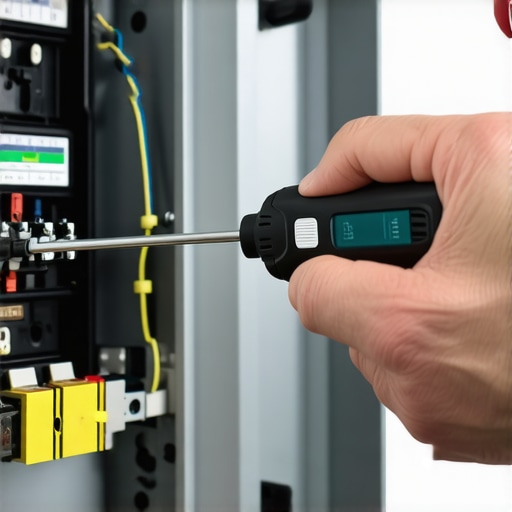
Can you charge two cars on a 100-amp panel without a full upgrade?
This is the question I get most often from growing EV families. The conventional wisdom says you need a 200-amp service upgrade immediately, which can cost thousands. However, you can often bypass this by using smart load management or ‘circuit sharing’ hardware. You can actually learn how to use a 100 amp panel for ev charging without a costly upgrade by utilizing systems that throttle the charger when the dryer or oven is running. It’s a sophisticated way to stay within code while saving a fortune on utility upgrades. Beyond just the load, you have to be wary of 3 grounding errors that kill ev charger motherboards before they are a year old. If your ground isn’t solid, transient surges or even simple static buildup can fry the sensitive electronics in your car’s onboard charger.
Stop your charger from quitting mid-session
If you’ve ever woken up to a half-charged car, you know the frustration. Often, the car and the charger are fine, but a minor wiring oversight is causing a safety shut-off. A common culprit is the tiny neutral wire mistake that shuts down new ev charging circuits, where improper bonding creates ‘noise’ that the charger’s computer interprets as a ground fault. Furthermore, why your ev charger stops mid-session without throwing a code usually comes down to thermal throttling at the breaker level. If the breaker gets too hot, it won’t necessarily trip, but the voltage drop will cause the car to disconnect. By ensuring code compliance when installing ev chargers through proper ventilation and wire spacing, you can eliminate these ghost issues. Have you ever fallen into the trap of assuming your panel was ‘fine’ just because the lights stayed on? Let me know in the comments below.
Detect Invisible Hazards with a Thermal Camera
You can’t fix what you can’t see, and in the world of high-voltage charging, heat is the ultimate enemy. I never go into a panel anymore without my FLIR thermal imaging attachment for my smartphone. It sounds like overkill until you see a glowing purple-and-white hotspot on a breaker that looks perfectly normal to the naked eye. This tool is how I caught a loose lug before it turned into a service-melting disaster. If you are serious about long-term safety, scanning your panel while the car is pulling its full load is the only way to know why your main breaker runs hot during level 2 charging. It’s not just about the panel, either; I use it to check the entire run of conduit to ensure there aren’t any weird bottlenecks or ‘hot spots’ in the walls. 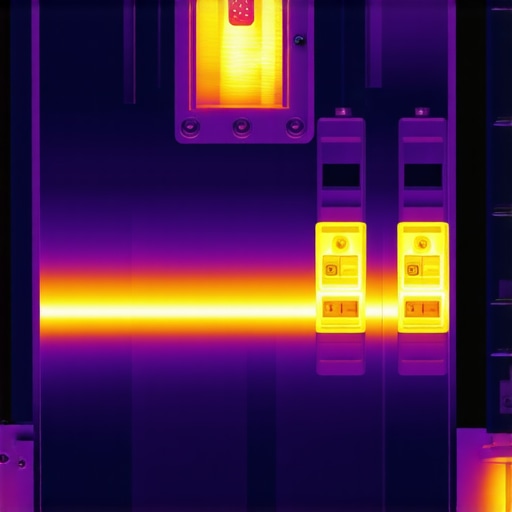
Prepare Your Garage for the Two-EV Future
Most people stop at one charger, but I guarantee you’ll eventually have a second EV in that garage. Instead of ripping everything out later, I recommend installing a robust sub-panel now. This allows you to scale up without another massive run to the main service. Learning how to upgrade your garage sub-panel for dual charging stations today saves you thousands in labor costs tomorrow. When you set this up, look into chargers that support ‘Power Sharing’ via a local communication cable or Wi-Fi. This tech allows two chargers to talk to each other, splitting a single 50-amp circuit so you never exceed your house’s capacity. It’s a brilliant way to implement panel upgrade strategies to meet ev charging code requirements in 2025 without needing a 400-amp service.
How do I maintain my home charging station over the years?
Maintenance isn’t just about the electronics; it’s about the physical connections. According to the NFPA 70B standard for Electrical Equipment Maintenance, periodic inspections are critical for systems under continuous high-load stress. Every six months, I do a ‘sniff test’ and a visual check. I look for any discoloration on the charging handle pins and ensure no debris has worked its way into the port. If things look dusty, you need to know how to clean the pins on your charging handle safely using compressed air or specialized electronic cleaners—never water or a damp cloth. Also, if your unit is outside, remember that why outdoor charging stations need more than just a plastic cover comes down to UV degradation and moisture ingress that can slowly eat away at the internal seals.
Keep Your Software and Hardware in Sync
We are moving toward a future where your car won’t just take power; it will give it back. Bi-directional charging (V2H) is the next frontier, and it requires your hardware to stay updated. I’ve seen people ignore firmware notifications for months, only to find their ‘smart’ features no longer work with their car’s latest OS update. Following ev charger troubleshooting expert tips for common issues often starts with a simple software refresh. Don’t let your high-tech charger become a ‘dumb’ brick because you skipped a patch. My advanced tip for you: This weekend, take five minutes to log into your charger’s app, check for a firmware update, and then use a non-contact infrared thermometer (or a thermal camera) to check the temperature of your plug after an hour of charging. If it’s over 140°F, it’s time to call a pro.
What I Found in the Dark After the Smoke Cleared
My biggest lightbulb moment wasn’t about the car; it was about the infrastructure. I realized that electrical systems don’t fail slowly—they fail catastrophically when you aren’t looking. Here are three things I now live by:
- The 80% Rule is a Safety Floor, Not a Ceiling: Just because you can pull 40 amps doesn’t mean you should every single night if your panel is aging. Pushing capacity creates stress that degrades components over years, not just days.
- Heat is Silent and Odorless: Until the insulation actually catches fire, you won’t smell the danger. Checking for how to spot a dangerous heat build-up in your ev charging cable periodically is the only way to catch invisible hotspots before they melt your service.
- Cheap Hardware is Expensive in the Long Run: A twenty-dollar outlet from a big-box store is not designed for the thermal cycles of an EV. Investing in an industrial-grade NEMA or a hardwired unit pays for itself in peace of mind and long-term durability.
The Gear That Keeps Me Sleeping at Night
Building a safe charging environment requires more than just a screwdriver. I rely on a few specific tools to ensure my family is safe. First, I highly recommend a calibrated torque screwdriver; it ensures every connection meets the forgotten torque spec that fails half of all panel inspections. Second, I always keep a digital copy of the NEC (National Electrical Code) Handbook handy to cross-reference ensuring code compliance when installing ev chargers. Finally, if you’re struggling with software connectivity, keep a bookmark for how to update your charger software without calling a technician to keep your hardware talking to your car properly and safely. #IMAGE_PLACEHOLDER_E#
Your Garage is the New Gas Station
Transitioning to electric transport is an exciting leap, but it requires a shift in how we respect our home’s electrical capacity. By taking the time to understand panel upgrades for ev chargers what you need to know, you aren’t just fueling a car; you are future-proofing your most valuable asset. Don’t let the technical jargon or the orange cord temptation pull you back—safety is simply a series of small, correct choices made one connection at a time. Your future self and your house will thank you for doing it right the first time. Have you checked the temperature of your charging handle after a long session lately? Let me know what you found in the comments below.