I still remember the 2:00 AM panic when I caught a whiff of something that smelled like burning marshmallows mixed with chemicals coming from my garage. I’d just spent eighty grand on a brand-new electric vehicle, yet I was trying to save fifty bucks on a ‘certified’ cable I found on a late-night scrolling session. I ran out to find the handle of that knockoff cable so hot it was literally fused to my car’s charging port. It was a terrifying realization: I had invited a Trojan horse into my home’s electrical system. [image_placeholder]
Since that night, I’ve made it my mission to help fellow drivers avoid the same mistake. We’re going to walk through exactly how to identify a fake before you plug it in. You’ll learn how to spot a dangerous heat build-up and why that ‘too good to be true’ price tag is usually a warning sign. By the time we’re done, you’ll be able to vet your equipment like a pro, ensuring your home stays safe and your car stays charged.
The Acrid Scent of a Bad Decision
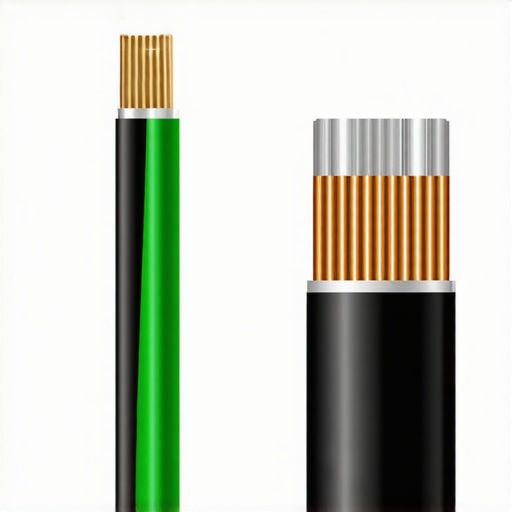
When I first started out, I thought all cables were basically just copper and rubber. I was wrong. My early mistake was trusting a silver ‘UL’ sticker without verifying the file number. It turns out, counterfeiters love printing stickers more than they love following safety protocols. If you’ve ever felt that your charging handle feels hot to the touch, you might already be dealing with sub-par internals. These fakes often use copper-clad aluminum instead of pure copper, which increases resistance and generates massive amounts of heat. I noticed my fake cable was weirdly light. High-quality EV cables are heavy because they are packed with thick-gauge copper and protective shielding.
If your cable feels as light as a standard garden hose, it’s likely skipping the essential materials needed to prevent voltage drops that can throttle your charging speeds or, worse, ignite a fire. The stakes are higher than a simple blown fuse. According to the Electrical Safety Foundation International, counterfeit electrical products are a significant contributor to thousands of home fires each year. These products bypass the rigorous testing that legitimate brands undergo. If you’re worried about your setup, you might even consider the benefit of a hardwired charger over a plug-in style, as it eliminates several points of failure that these cheap cables exploit.
Are Knockoffs Actually That Dangerous?
I get it—skepticism is natural. You see a cable that looks identical to the one in the showroom but costs a third of the price, and you wonder if ‘Big EV’ is just overcharging you. But here is the reality: a counterfeit cable lacks the thermal sensors required to communicate with your car. When things get hot, it doesn’t tell the car to slow down; it just keeps cooking until something melts. It’s the same reason you should never use an extension cord for your EV—residential grade gear isn’t built for the continuous high-amperage draw of a car battery. Genuine insulation is designed to stay flexible across temperature ranges, whereas cheap PVC just cracks and exposes the wires inside. Have you ever noticed your charging cable getting unusually stiff or discolored after a long session? If so, I’d love to hear about it—drop me a message on our contact page so we can figure out if your gear is safe.
To avoid a repeat of my garage fire scare, you need to look at the physical build first. I recently helped a neighbor who bought a ‘premium’ cable on a clearance site. On paper, it looked fine. In his hand, it felt like a toy. We put it on a kitchen scale and compared it to his OEM cable; the knockoff was nearly two pounds lighter. That weight difference is almost always missing copper. When you starve a high-draw device of copper, you’re basically creating a heating element inside your garage. This is precisely why your charging cable gets warm and when you should actually worry. If it’s light, it’s a fire hazard. High-amperage charging is a marathon for your wires, and thin copper is like trying to run that marathon through a straw.
Put the Cable Through a Stress Test
Beyond weight, check the flexibility of the sheath. High-quality cables use specialized rubber compounds that stay pliable even in freezing weather. Cheap ones use rigid plastics that crack under thermal expansion. I’ve seen these cracks lead to how to spot loose neutral wires before they burn your charging port because the physical stress on the connector eventually pulls the internal wires loose.
Read the Fine Print on the Jacket
Don’t just look for a UL logo; look for the ‘E’ number. A real cable has its certification number printed directly on the insulation along with the temperature rating. You can take that number and plug it into the UL Product iQ database. If the search comes up empty or belongs to a company that makes holiday lights, you’ve got a fake. This is a crucial step in how to verify code compliance for your ev-charger installation. I remember a client who insisted his cable was fine because it had a holographic sticker. When we ran the E-number, it was registered to a manufacturer of cheap toaster ovens. Verifying the manufacturer is the only way to be certain.
Your Electrical Panel is the First Line of Defense
Even if the cable is legit, your home’s infrastructure has to be ready for the load. I once spent three hours troubleshooting ev-charger connectivity problems only to realize the issue wasn’t the software—it was a fluctuating voltage from a crowded bus bar. Before you even buy a cable, you need to know how to tell if your electrical panel can actually handle a level 2 charger. If you’re pushing a 100-amp service to its limit, a sub-par cable will be the first thing to melt. Heat is cumulative, and a weak link at the panel flows directly down the line.
Watch for These Common DIY Blunders
Many homeowners try to save money by doing the wiring themselves, but the most common diy mistakes in home charger installations usually involve incorrect torque on the breakers or using the wrong wire gauge for the run. This causes heat to back up from the panel into the cable handle. If you’re unsure about your setup, ensuring code compliance when installing ev chargers is the only way to sleep soundly while your car is plugged in. You should also be aware of the specific panel space requirements for a level 2 install to avoid crowding, which leads to heat buildup. If you see any discoloration on the pins of the connector, that is an immediate red flag. Use a flashlight to peek into the handle. Any sign of pitting or melted plastic around the metal pins means the internal resistance has already caused structural damage to the connector.
Most people assume that if you’re adding a Level 2 charger, you’re automatically signing up for a massive panel overhaul. It is the most common piece of advice in EV forums: ‘Just upgrade to 200 amps and be done with it.’ But I’ve found that this is often overkill. If you’re smart about it, you can learn how to use a 100-amp panel for ev charging without a costly upgrade. The secret lies in a load calculation that accounts for your actual peak usage rather than just adding up the numbers on the breakers. Before you spend three thousand dollars on a panel you might not need, take the time to learn how to calculate if your 100-amp service can handle a daily commute. Most of the time, even a modest service can handle an EV if you aren’t running the dryer, the oven, and the AC at the same time your car is thirsty for juice.
The 200-Amp Myth That Costs Homeowners Thousands
However, the biggest ‘oops’ I see isn’t the capacity—it is the installation mechanics. There is a specific torque setting for every breaker, usually measured in inch-pounds. I’ve seen seasoned pros ignore this, thinking ‘hand-tight’ is enough. It is not. This is the forgotten torque spec that fails half of all panel inspections. If that connection isn’t perfectly tight, it creates micro-arcing. This heat builds up over months, eventually melting the bus bar. According to a study by the Fire Protection Research Foundation, mechanical failure at connection points remains a leading cause of home electrical fires under continuous load. To save yourself the headache later, make sure you know how to pass your electrical inspection on the first visit by double-checking those specs. Have you ever fallen into this trap? Let me know in the comments.
Don’t Ignore the Tiny Number on Your Breaker Box
The nuance of electrical safety often hides in the details of the ‘neutral’ side of the circuit. Many people focus on the hot wires, but the hidden danger of loose neutral wires in your electrical panel is where things usually go south during high-amperage sessions. A loose neutral can cause voltage swings that fry your car’s sensitive onboard charger before you even realize there is a problem.
Why Does My Smart Charger Stop Without an Error?
If you’ve ever woken up to a half-charged car but no notification on your phone, you might be seeing ‘thermal throttling.’ This happens when the hardware detects a rise in temperature and shuts down to prevent a fire—long before a breaker trips. It is a nuance that many DIYers miss. You might wonder why your main breaker runs hot during level 2 charging even when the charger itself looks fine. This is often why your ev charger stops mid-session without throwing a code. If you’re planning for the future, look into panel upgrade strategies to meet ev charging code requirements in 2025 to ensure your setup is truly ‘set it and forget it.’ Safety isn’t about the biggest wire; it’s about the best connection.
I don’t just wait for things to smell like burning marshmallows anymore. Now, I use a handheld thermal imaging camera once a month to scan my setup. It is the single best investment any EV owner can make. By looking at the handle and the breaker through a thermal lens, you can spot a dangerous heat build-up before it becomes a literal fire. If you see a bright white spot where the cable meets the car while charging, you have a resistance problem that needs immediate attention.
I also keep a can of high-quality electronic contact cleaner in my maintenance kit. Dirt, humidity, and oxidation are the silent killers of Level 2 chargers. Most people never think to clean the pins on your charging handle safely, but even a tiny bit of grit can cause arcing. I personally use BW-100 brand cleaner because it is non-conductive and dries instantly. This simple habit has saved me from troubleshooting ev-charger connectivity problems more than once when my car refused to acknowledge the wall box.
How do I keep my EV charger running like new?
Beyond physical cleaning, you have to treat your charger like a computer—because it is one. I check for firmware updates every quarter. Manufacturers often release patches that improve thermal management or fix bugs that lead to why your ev charger light turns red every morning. Learning how to update your charger software without calling a technician is a basic skill that keeps your hardware efficient and secure. Regular software maintenance ensures that the communication handshake between the vehicle and the station remains seamless as car manufacturers push their own over-the-air updates.
As we look toward the future, the National Electrical Code (NEC) Article 625 is constantly evolving to handle higher power demands and bi-directional charging. By 2025, we are going to see even stricter requirements for ‘smart’ load management in residential settings. If you are planning to add a second vehicle soon, you should start looking into how to upgrade your garage sub-panel for dual charging stations now. Using panel upgrade strategies to meet ev charging code requirements in 2025 ensures you won’t have to rip everything out and start over in two years.
The trend is moving toward vehicle-to-home technology, where your car powers your house during an outage. To get ready for that level of complexity, you need to be obsessed with ensuring code compliance when installing ev chargers today. Don’t just settle for ‘it works for now.’ Aim for a setup that is robust enough for the 2026 standards. If you haven’t done it yet, my top recommendation is to grab a thermal camera—even a phone attachment version—and scan your panel during a peak charging session tonight. It’s the most eye-opening thing you’ll ever do for your home’s long-term safety.
The Costly Lessons My Melted Cable Taught Me
Reflecting on that 2:00 AM scare, I’ve realized that electrical safety isn’t a set-it-and-forget-it task—it’s a mindset. The biggest lightbulb moment for me was discovering that a cable can function perfectly for weeks before failing under the stress of continuous high-amperage load. I’ve learned that ensuring code compliance when installing ev chargers is about much more than passing a city inspection; it’s about respecting the physics of electricity. My biggest piece of advice is to never ignore a slight discoloration on a plug or a faint humming sound. Those are the early warnings that prevent expensive upgrading your panel for better ev charging performance later on.
The Gear That Keeps My Garage Safe Every Night
To help you stay ahead of potential issues, I’ve narrowed down the essentials that I personally use and trust. First, get yourself a thermal imaging attachment for your smartphone. It’s the only way to truly spot a dangerous heat build-up before you actually smell smoke. For maintenance, a can of non-conductive contact cleaner is non-negotiable to clean the pins on your charging handle safely. I also highly recommend the UL Product iQ database for anyone wanting to learn how to verify code compliance for your ev charger installation and sniff out dangerous fakes. Finally, if you’re checking your own breaker connections, a digital torque wrench is the only way to avoid the forgotten torque spec that fails half of all panel inspections.
Power Up Your Future Without the Stress
Transitioning to electric driving should be an exciting milestone, not a source of constant anxiety. By being proactive and refusing to cut corners on your equipment, you’re protecting your home and your investment. Don’t be afraid to take the lead on your own maintenance; effective ev charger troubleshooting starts with simple observation and high-quality materials. You’ve got the knowledge now—go ahead and plug in with confidence. Have you ever found a connection in your panel or charger that felt surprisingly warm to the touch? Let me know in the comments below so we can troubleshoot it together!