Picture this: I was halfway through installing my brand-new Level 2 EV charger, eager to finally power up my electric vehicle faster and more efficiently. Suddenly, the circuit breaker trips with a loud bang. My heart sank. That was the moment I realized I had overlooked a crucial detail—my electrical panel’s capacity. It felt like a punch in the gut, especially after putting in so much effort. That experience taught me a vital lesson: *Your electrical panel might not be ready for that speedy charger,* and assuming it is can lead to costly repairs or dangerous hazards.
Why Checking Your Panel Matters Before Adding a Level 2 Charger
Modern EV chargers, especially Level 2 models, demand significant power, often between 30 to 40 amps. If your home’s electrical panel isn’t equipped to handle this load, you’re risking more than just a tripped breaker—you could be creating a fire hazard or violating local electrical codes. Early on, I made the mistake of assuming my existing panel could handle it because it hadn’t caused issues with smaller appliances. But as I learned, the real capacity isn’t just about what currently runs—it’s about what it *can* handle safely, especially with new demands like an EV charger. The National Electrical Code (NEC) stresses the importance of proper load assessments, and skipping this step could result in inspections failing or worse, dangerous situations. To avoid these pitfalls, I recommend getting familiar with your panel’s capacity and understanding the signs of an overloaded system. This guide will walk you through how to verify if your panel can support a Level 2 charger without risking your safety or compliance. If you’re unsure whether your system can handle the added load, don’t hesitate to consult our experts at [Bright Spark Electrical](https://brightsparkzelectric.com/contact-us). Now, let’s understand the warning signs indicating your panel might need an upgrade or further inspection.
Assess Your Panel’s Capacity Carefully
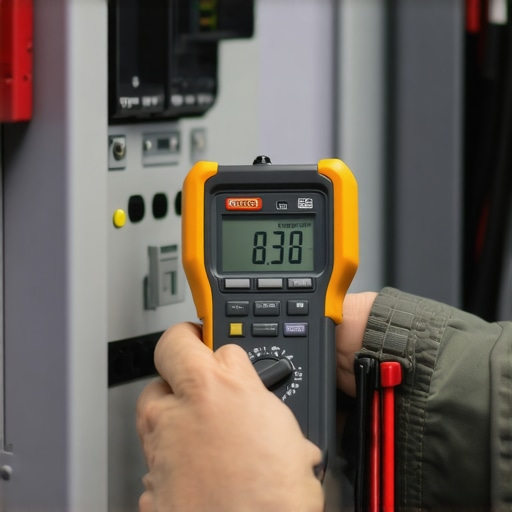
Start by locating your main electrical panel and note its total amperage rating, usually found on the door or inside the panel cover. For reliable EV charging, your panel should have a capacity of at least 100 amps. To verify this, turn off the main breaker and remove the panel cover with appropriate tools. Using a digital clamp meter, measure the current flowing through the main bus bars when all loads are connected. If you lack experience with electrical testing, it’s wise to consult a licensed electrician or review [how to verify code compliance for your EV charger installation](https://brightsparkzelectric.com/how-to-verify-code-compliance-for-your-ev-charger-installation). In my experience, this initial step prevents surprises during installation and ensures safety.
Identify Existing Circuits and Load
Next, inventory the circuits currently connected to your panel. Make a list of major appliances, HVAC systems, and any existing EV chargers. Use your load center diagram or inspect labels on circuit breakers. Then, calculate your current load by adding the amperage ratings of all active circuits, which are typically marked on breakers. Remember, the total load should not exceed 80% of the panel’s rated capacity to ensure safety and compliance. During my project, I discovered that my household’s typical load was close to limit, prompting me to consider a panel upgrade. This step is crucial because it reveals whether your panel is approaching overload, a common issue if you assume existing capacity is sufficient.
Perform a Load Calculation for Future Expansion
Estimate your future load by adding the EV charger’s expected demand—usually 30–40 amps—to your current household load. Use the NEC (National Electrical Code) guidelines or consult [upgrading your panel for better EV charging performance](https://brightsparkzelectric.com/upgrading-your-panel-for-better-ev-charging-performance). For example, if your existing load is 60 amps, and your EV charger requires 32 amps, your total load would be 92 amps. This exceeds a typical 100-amp panel, indicating need for a panel upgrade or load management. In my scenario, I found that my total would reach 98 amps, pushing just below the limit, but with potential expansion, an upgrade became necessary.
Identify Signs of Overload or Incompatibility
Observe for signs indicating your panel might struggle with added loads. Common indicators include flickering lights during high power use, breakers trip frequently, the panel feels warm or hot to the touch, or you notice burning smells. While I initially ignored a slight flickering, it worsened over time, culminating in a service call. Immediate attention to these signs can prevent dangerous failures. Use [troubleshooting tips for common EV charger issues](https://brightsparkzelectric.com/ev-charger-troubleshooting-expert-tips-for-common-issues) to diagnose and address potential overloads early. Recognizing these signals is vital before proceeding with installation, ensuring both safety and compliance.
Consult an Electrician for Final Assessment
If uncertainty remains after your manual checks, schedule a professional assessment. A licensed electrician can perform a comprehensive load analysis, verify code compliance, and advise on necessary upgrades or load management solutions. This step saved me from costly miscalculations, especially since my panel was close to capacity. Professional assessment not only confirms safety but also streamlines the installation process by preempting code violations, as detailed in [ensuring code compliance when installing EV chargers](https://brightsparkzelectric.com/ensuring-code-compliance-when-installing-ev-chargers). Remember, rushing into installation without proper verification can lead to hazards or failed inspections.
In my experience, taking these concrete steps eliminated guesswork and prepared my home for a safe, efficient EV charging setup. Skipping any of these can leave your system vulnerable to overloads or code violations, compromising safety and long-term performance. Ensuring your electrical panel is ready is the foundation for a seamless and compliant EV charging experience.
Many homeowners assume that selecting the right EV charger is as straightforward as plug-and-play, but there’s more than meets the eye. A prevalent misconception is that upgrading your electrical panel alone guarantees compatibility; however, **panel capacity is just one piece of the puzzle**. In reality, the NEC and local codes impose detailed requirements on wiring size, circuit breaker ratings, and grounding practices that many overlook, risking failed inspections or safety hazards. It’s a mistake to rely solely on gut feelings or generic guidelines; instead, a meticulous load analysis—taking into account future expansion and simultaneous loads—is essential to prevent overloads and compliance issues.
What advanced pitfalls can trip up even seasoned electricians during an EV charger upgrade?
One common trap involves neglecting harmonic distortion caused by high-capacity chargers, which can lead to overheating and equipment failure over time. According to a study by the Electrical Power Research Institute, harmonics can degrade power quality significantly, reducing the lifespan of electrical components. To mitigate this, integrating harmonic filters during installation isn’t just a recommendation; it’s a necessity for future-proofing your system. Another oversight is ignoring the importance of proper neutering and grounding, which are critical for safety and code adherence. Many installers overlook small details like neutral-bonding conductors or proper conductor sizing, which can cause neutral return issues or ground-fault trips. Ensuring these nuances are addressed can save you from costly re-inspections or electrical fires. When troubleshooting EV chargers, remember that issues rarely stem from the charger itself—they often originate from wiring problems, inadequate grounding, or load miscalculations. Using comprehensive diagnostic steps, like verifying continuity and ensuring load balancing, can help you identify and resolve issues swiftly. For a deeper dive into the technical aspects and common mistakes, visit [troubleshooting expert tips](https://brightsparkzelectric.com/ev-charger-troubleshooting-expert-tips-for-common-issues). Always remember, every component—from circuit breakers to wiring—must be evaluated holistically. Have you ever fallen into this trap? Let me know in the comments, and stay vigilant with your EV charging preparations.
Keeping It Running Smoothly: Essential Tools and Maintenance Tips
Maintaining your EV charging setup isn’t just about initial installation; it’s an ongoing process that ensures safety, efficiency, and compliance. Over the years, I’ve found that leveraging the right tools and adopting structured maintenance routines can significantly extend the lifespan of your system and prevent unexpected failures.
Use a Reliable Clamp Meter for Load Checks
One indispensable device I personally rely on is a high-quality digital clamp meter. It allows me to verify real-time currents flowing through circuits without disconnecting wiring—crucial during periodic load assessments. I prefer brands like Fluke or Hioki for their accuracy and durability, especially when evaluating existing circuits to anticipate future upgrades or troubleshoot issues.
Regular Visual Inspections Make All the Difference
Every few months, I walk through my electrical panel and charging station inspecting for signs of wear, corrosion, or unusual warmth. Simple checks like ensuring tight connections and looking for discoloration can preempt costly repairs. Incorporating a flashlight with a magnifier helps spot subtle issues early, especially in tight or dimly lit panels.
Maintain Software and Firmware Updates
Modern EV chargers often have firmware that improves performance and security. I schedule periodic firmware updates via manufacturer apps, which often fix bugs or add features. Staying current not only optimizes charging times but also guards against vulnerabilities—think of it as updating your home’s digital security.
Perform Load Testing with Specialized Software
For advanced diagnostics, I use load analysis software compatible with my metering tools. These applications simulate and monitor peak loads, helping identify potential overload risks before they happen. As local regulations tighten, tools that facilitate compliance checks become invaluable, ensuring your system adheres to standards like NEC 625. For detailed instructions, see our guide on [verifying code compliance](https://brightsparkzelectric.com/how-to-verify-code-compliance-for-your-ev-charger-installation).
Plan for Future Expansion and Upgrades
As EV technology advances, today’s robust setup might need scaling. I keep a maintenance log noting circuit capacities, load factors, and uptime to track performance trends. This habit makes it easier to plan upgrades proactively, especially when considering panel upgrades discussed in our comprehensive guide on [panel upgrades for EV chargers](https://brightsparkzelectric.com/panel-upgrades-for-ev-chargers-what-you-need-to-know). Plus, it’s wise to consult with licensed electricians regularly to interpret diagnostic data and plan for long-term reliability.
Where Do I Begin with Maintenance?
Start by scheduling a quarterly visual inspection combined with load checks using your clamp meter. Follow that with firmware updates and recording any anomalies. Over time, this routine saves money, prevents hazards, and ensures your EV charger operates at peak performance.
Looking ahead, the trend is moving toward smarter, connected systems that proactively alert you to issues or suggest maintenance. Incorporating IoT-enabled smart panels and diagnostic tools will become standard practice, simplifying long-term care. Embrace these innovations early to stay ahead of potential problems.
Don’t forget: a proactive approach to maintenance not only protects your investment but also enhances safety for everyone at home. Try integrating a load analysis app next time you inspect your system—it’s a game-changer for long-term reliability.
 After going through the step-by-step process of evaluating your electrical system, I realize that the biggest revelation was how overlooked details can cause big problems later on. The hard lesson I learned was that even a seemingly adequate panel can hide hidden capacity issues, and rushing into upgrades without proper load assessments can lead to costly missteps. Now, I approach EV charger installation with a meticulous mindset, prioritizing safety over shortcuts, and understanding that proper planning is an ongoing process—not just a one-time fix. The key is to continuously educate myself on the evolving code requirements and best practices, ensuring my home stays both safe and future-proof for new EV models and faster charging standards.
Comments are closed.