I’ll never forget the sinking feeling in my stomach when I walked into the garage at 6:00 AM, coffee in hand, ready for my first long trip in my shiny new electric SUV. I reached for the handle, expecting that satisfying green light, but instead, I got a cold, dark dashboard. My circuit breaker had tripped sometime around midnight, leaving me with barely enough juice to get to the nearest public station. My electrician had told me my panel could ‘handle it,’ but he didn’t mention that old breakers and constant high-amperage draws are a recipe for a 2 AM blackout. It turns out, there is a massive gap between ‘it works’ and ‘it’s built to last.’ Today, I want to share exactly what I learned the hard way so you don’t end up stranded in your own driveway. We’re going to look at the hidden bottlenecks in your home’s wiring, why your electricity bill might have doubled, and the technical details contractors often gloss over during a quote. Have you ever woken up to a dead EV because of a mystery trip? Let me know in the comments.
Why Your New Charger Might Be Stressing Your Panel
I made a classic rookie mistake early on: I assumed that because my panel had an empty slot, I was good to go. I didn’t realize that EV charging is a ‘continuous load,’ meaning it pulls full power for hours on end, unlike a toaster or a vacuum. According to the National Fire Protection Association (NFPA), electrical distribution equipment is a leading factor in home fires, and sustained high-heat loads are the primary culprit. If your pro didn’t talk to you about panel upgrades for EV chargers, they might be setting you up for a melted bus bar. I actually fried a cheap, non-branded breaker because I didn’t understand the 80% rule—a mistake that cost me a three-day wait for an emergency repair.
Is a high-speed home setup actually worth the hype?
You might be wondering if you really need to go all out with a 48-amp hardwired station. For most of us, the answer depends on your daily mileage and your patience. I eventually learned that the real difference between hardwired and plug-in chargers isn’t just about speed; it’s about reliability and safety. If you’re constantly fighting connectivity problems or nuisance trips, you might have been sold a solution that wasn’t truly ready for the long haul.
The Heat Factor Electricians Forget to Mention
When you run 40 or 50 amps through your walls for eight hours straight, things get hot. Real hot. Standard residential wire is often rated for the load, but not always for the duration. I found out the hard way that my contractor used a slightly thinner gauge than ideal, which led to a voltage drop that made my charging take twice as long as the box promised. It’s these tiny details—the torque settings on the lugs, the quality of the conduit, and the ventilation in your garage—that determine if your car is ready when you are.
How to Verify Your Home Can Handle the Juice
Before you even buy the charger, you need a professional load calculation. Think of your electrical panel like a dinner table. If you have ten seats and eleven guests show up, someone is sitting on the floor. An EV is like a guest who eats for eight hours straight without stopping. I’ve seen homeowners ignore 5 signs your main breaker is overwhelmed by a new level 2 charger, only to have their AC cut out or their lights flicker the moment the car starts its midnight drink. You have to sum up your existing fixed loads—your range, dryer, and water heater—before you wedge in another 40 or 50 amps. If the math doesn’t work, you aren’t stuck, but you will need to look into panel upgrades for EV chargers to ensure you don’t burn out your main service or damage your sensitive electronics.
Stop Thinking About Amps and Start Thinking About Heat
Electricity isn’t just a number on a spec sheet; it’s movement, and movement generates friction. In the world of wiring, friction manifests as heat. If your wire is too thin, it’s like trying to push a fire hose worth of water through a cocktail straw. It might work for a minute, but eventually, the straw bursts. I once inspected a DIY install where the owner used a standard 10-gauge wire for a 40-amp circuit because it looked thick enough. Within a month, the insulation had turned brittle and yellow from the constant baking. Looking for 4 signs your electrician used the wrong gauge wire can save your home from a slow-motion disaster. You also need to ensure the specific conduit size needed for a 50-amp circuit is used; overcrowding wires in a small pipe is a recipe for a thermal event because the heat has nowhere to dissipate.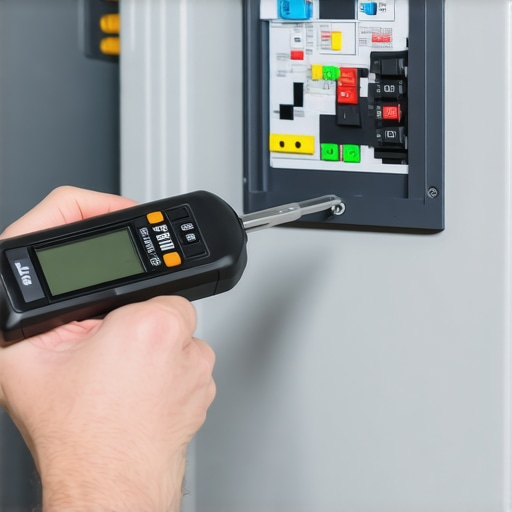
One Tiny Screw Can Total Your Setup
Here is a secret most contractors won’t tell you: the most common point of failure isn’t the car or the high-tech charger; it’s the simple screw holding the wire into the breaker. I learned this the hard way when a neighbor called me because his garage smelled like burnt fish every time he plugged in his Tesla. When I opened his panel, the smell was overwhelming—a classic sign of melting plastic. His main lug was slightly loose, causing a microscopic arc every time the car drew power. It’s why the forgotten torque test that prevents panel fires is the most critical step in the installation process. You can’t just crank it down by feel. You need to follow the specific torque wrench settings for a wall connector to ensure the connection stays tight through years of thermal expansion.
Why the Inspector Is Actually Your Friend
Many people try to skip the permit to save a few hundred dollars, but in 2025, that’s a massive gamble. Local codes have evolved specifically to handle the unique continuous load profile of electric vehicles. For instance, code compliance essentials for EV charger installations in 2025 often require specific types of shut-offs or even a secondary ground rod. I’ve seen installations fail because the owner didn’t realize why your panel upgrade might require a new ground rod to handle the increased load safely. Getting that green sticker from the city isn’t just bureaucracy; it’s your primary defense against insurance companies denying a claim if a fire occurs.Let’s dig deeper into a nuance that even some seasoned pros ignore. I often hear people say that if you want to charge two cars at once, you absolutely must upgrade to a 400-amp service. In my experience, that’s often an expensive overkill. You can actually share a single circuit between two EVs safely by using smart load-balancing hardware. This approach is backed by research from the National Renewable Energy Laboratory (NREL), which suggests that smart load management can drastically reduce the immediate need for heavy infrastructure upgrades in residential settings.
The Myth of the Empty Slot in Your Panel
Just because there is physical space doesn’t mean there is electrical capacity. This is the biggest trap I see. People add a breaker without realizing their main service is already at 95% capacity when the oven and AC are running. This leads to upgrading your panel for better EV charging performance becoming a necessity rather than a luxury. If you try to skip the math, you’re just waiting for the main breaker to fail at the worst possible time. 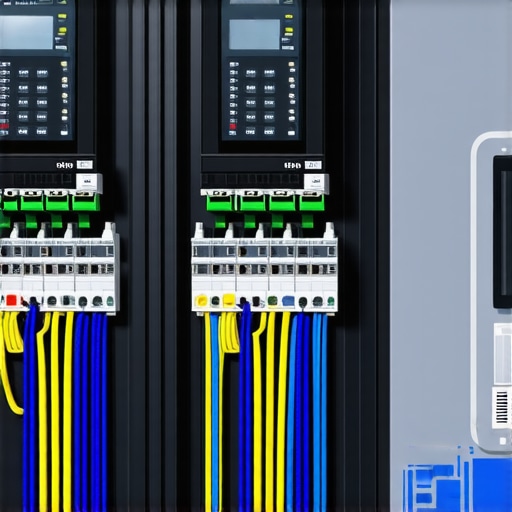
Why does your charging speed drop suddenly after 20 minutes?
This phenomenon is usually thermal throttling. Most people think their car is smart and just slowing down for the battery’s sake, but often, the charger is detecting excessive heat at the terminal. If your setup wasn’t built for a continuous load, you’ll notice why your charging speed drops suddenly after 20 minutes is a direct result of internal resistance. It’s also why 4 signs your electrician used the wrong gauge wire are so critical to spot early; thin wire creates heat, and heat kills efficiency.
The Humidity Trap Nobody Talks About
Here’s a weird one: I’ve had clients call me in a panic because their charger works perfectly in the winter but trips every morning in July. It’s not just the ambient heat; it’s the moisture. High humidity can cause microscopic leakage current in older or poorly sealed outdoor units. Learning the 6 ways to stop nuisance tripping during high humidity charging can save you from a morning with an empty battery. You should also look into panel upgrade strategies to meet EV charging code requirements in 2025 to ensure your grounding system is robust enough to handle these environmental factors. Have you ever fallen into this trap? Let me know in the comments.Dealing with humidity is just the tip of the iceberg when it comes to the long game. I’ve realized that the equipment we install today isn’t just about tomorrow morning’s commute; it’s about the next ten years of usage. If you live near the ocean, you have to consider the real lifespan of a level 2 charger in coastal salt air. Corrosion doesn’t just happen on the outside; it creeps into the terminals and creates high-resistance paths that lead to thermal failure. In colder climates, you’ll be fighting different battles, like how to keep your charging cable from freezing to the driveway or dealing with cables that turn as stiff as a board in January.
How do I keep my home charger running for a decade?
Maintaining your setup is mostly about visual and thermal monitoring. Once a year, I kill the power and look for discoloration around the breaker. If you see even a hint of brown or black on the wire insulation, you’ve got a loose connection. I personally use a handheld infrared thermometer to scan my panel while the car is pulling its full 48-amp load. If one breaker is 30 degrees hotter than the others, I know I have a problem. This proactive approach is the only way to avoid ev charger troubleshooting nightmares later on.
Why a precision torque wrench is my favorite safety tool
I can’t stress this enough: stop ‘hand-tightening’ your lugs. In 2017, the National Electrical Code (NEC) added Section 110.14(D), which explicitly requires the use of a calibrated torque tool for any terminal where a torque value is provided by the manufacturer. It’s not just a suggestion; it’s a legal requirement for ensuring code compliance when installing ev chargers. I use a digital torque wrench because it gives me an audible beep the second I hit the target, eliminating the forgotten torque test that prevents panel fires. When you follow the specific torque wrench settings for a wall connector, you are accounting for the way copper expands and contracts under heat. 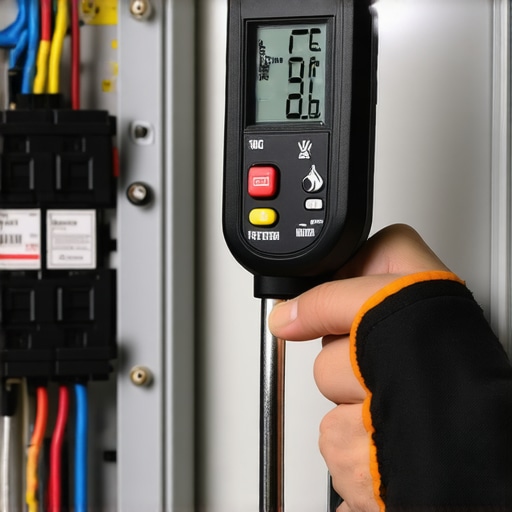
Your car might power your house sooner than you think
Looking forward, the industry is moving rapidly toward bi-directional charging, commonly known as Vehicle-to-Home (V2H). In the next five years, your EV won’t just be a consumer; it will be a backup battery for your entire residence during an outage. However, this will put even more strain on your home’s infrastructure. If you’re already at your limit, you’re definitely going to be upgrading your panel for better EV charging performance to handle two-way power flow. If you’re building out a workspace, consider how to properly size a subpanel for your ev workshop now so you don’t have to rip open the walls again in 2028. If your app is acting up, don’t ignore it. Start by troubleshooting ev charger connectivity problems to see if it’s a simple firmware glitch or a sign of an internal relay failing. I challenge you to go out to your garage tonight and check your charger handle—if the pins look even slightly dark or pitted, it’s time to clean those contacts before they weld themselves together.
The Hard Truths I Discovered While Staring at My Circuit Breaker
Over the years, I’ve realized that a safe EV setup isn’t about buying the most expensive charger; it’s about respecting the physics of your home. One of the most important things you can do for your peace of mind is taking the time to learn the right way to label your electrical panel for EV circuits. When you label clearly, you or an electrician can act instantly in an emergency, rather than playing a guessing game with a flashlight. I also learned that troubleshooting ev chargers common compliance pitfalls and fixes often comes down to the basics of grounding and thermal management. If you are doing an outdoor install, don’t cut corners on the weatherproofing; knowing how to use a liquid-tight conduit for outdoor charger exposed runs is the difference between a system that lasts a decade and one that shorts out after the first big storm.
My Essential Gear for a Bulletproof Garage Setup
I get asked all the time what tools are actually worth the investment for a homeowner. First and foremost is a high-quality torque wrench. You cannot skip this if you want to be ensuring code compliance when installing EV chargers. It’s the only way to be certain your connections won’t loosen under thermal stress. Secondly, if you are looking at hardware on the secondary market, always use the inspection checklist for a used home EV charging station to ensure you aren’t buying someone else’s fire hazard. These tools transformed my anxiety into confidence because I knew the math and the mechanics were solid.
#IMAGE_PLACEHOLDER_E#
Prepare Your Home for a Multi-EV Future
Stepping back, it’s clear that our homes were never originally designed to act as fueling stations. By proactively looking into panel upgrades for EV chargers, you aren’t just solving a problem for today; you are future-proofing your property for the massive shift toward electrification. It feels good to wake up and see that green light on your dashboard, knowing every connection in your wall is cool, tight, and code-compliant. Take it one step at a time, prioritize safety over speed, and your home will handle the load beautifully. Have you ever noticed your lights flickering when your car starts its charging cycle? Let me know in the comments below.