I stood there at 6:00 AM last January, the wind-chill biting through my thin gloves, wrestling with what felt like a ten-foot length of frozen rebar. It wasn’t rebar, though; it was my Level 2 charging cable. It had become so rigid and unyielding that I couldn’t even loop it back over the wall hook, leaving it sprawled across the icy floor like a stubborn snake. That morning, I learned the hard way that winter doesn’t just drain your battery—it attacks your hardware. If you’ve ever felt like you were going to snap your connector off just trying to plug in, you aren’t alone. Today, I’m going to show you exactly why this happens and how you can reclaim your morning routine without breaking your equipment (or your spirit).
Your Cable Is Not Just Cold—It Is Chemically Stubborn
Most EV owners do not realize that the outer jacket of their cable is usually made of PVC or a similar polymer. When the temperature drops, the plasticizers—the chemicals that keep the plastic bendy—basically stop moving. This leads to a phenomenon where the material reaches its ‘glass transition temperature,’ making it brittle and stiff. According to materials science research, standard PVC can lose up to 90% of its flexibility as it nears freezing. I made the massive mistake early on of trying to force my cable into a tight coil when it was zero degrees out. I ended up with a hairline crack in the insulation that eventually led to a moisture failure. It is one of those common issues that seems minor until you are staring at a dead charger.
Is My Expensive Charger Actually Breaking?
You might worry that the resistance you feel is a sign of internal wire damage, but usually, it is just the ‘skin’ of the cable fighting you. However, ignoring it can lead to bigger problems. If you have ever wondered how to keep your charging cable from freezing to the driveway, you know that physical stiffness is just the beginning of winter woes. This is distinct from the truth about fast charging your ev in freezing temperatures, which is more about internal chemistry than physical cables. Have you ever felt like you were going to break your charger just trying to uncoil it in the morning?
The Secret to Pliable Cables in a Polar Vortex
The fix is not just ‘buying a better one,’ though high-quality TPU (Thermoplastic Polyurethane) cables perform significantly better than cheap PVC versions found on budget units. If you are stuck with a stiff cable, the most realistic neighborly advice I can give is to manage the environment. If you cannot keep the garage heated, you might need to look into how to replace a frayed cable without buying a new station if yours has already started to show signs of stress. We will dive into the specific storage hacks and material choices that will save your knuckles next.
Stop Fighting the Frost with Smart Storage
If you are using a mobile connector that plugs into a NEMA 14-50 outlet, the absolute best thing you can do is bring the cable inside the house when it is not in use. I know it sounds like a chore, but keeping that copper and insulation at 70 degrees makes it move like silk when you step out into the driveway. I once spent twenty minutes with my wife’s high-end hair dryer trying to thaw out a loop of PVC cable just so I could reach my car’s port—it was as ridiculous as it sounds. If your setup is hardwired, try to leave the cable in long, sweeping loops rather than tight coils. Tight coils create memory in the plastic. When it freezes in that ‘curled’ position, you’re basically fighting a giant, electrified spring. If the cable is already showing cracks from being forced, you should look into how to replace a frayed cable without buying a new station before moisture gets into the conductor.
Switch to TPU Before the Next Big Freeze
If you are tired of the daily wrestling match, the hardware itself might be the culprit. Most budget-friendly chargers use PVC-jacketed cables because they are cheaper to manufacture. Think of a cheap PVC cable like a stick of licorice left in the fridge—it is going to snap. A TPU (Thermoplastic Polyurethane) cable is more like a silicone spatula; it stays floppy regardless of the temperature. When I finally swapped my old budget unit for a high-quality TPU-cabled station, my morning routine went from a five-minute struggle to a ten-second ‘click.’ This is often a better long-term solution than constantly dealing with ev charger troubleshooting expert tips for common issues. 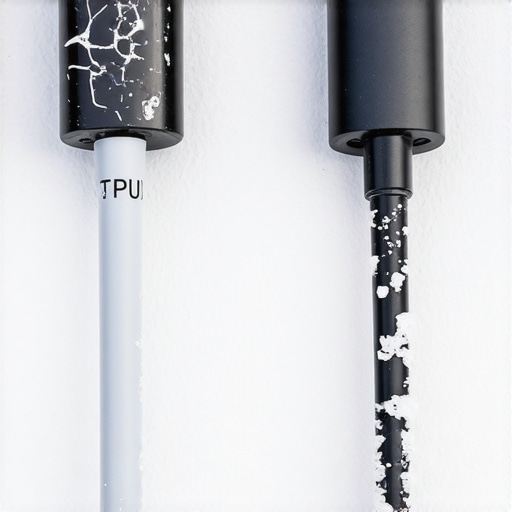
Mount Your Charger to Minimize Tight Bends
Where you put your charger matters as much as what it is made of. Most people mount their chargers at shoulder height, but in the winter, that creates a sharp ‘V’ bend where the cable hangs. This point of tension is where the insulation usually fails first. I recommend following the best height to mount your charger for daily use to ensure the weight of the cable is distributed evenly. Also, consider that a stiff cable pulls harder on your home’s electrical connections. If your cable is constantly being yanked, you might need to check if you are experiencing the voltage drop secret thats ruining your morning charge. Cold weather increases resistance, and if your wiring was already borderline, the extra physical and thermal stress can lead to safety shut-offs.
Check Your Internal Connections for Winter Stress
Extreme cold causes metal to contract, which can actually loosen the lugs inside your charging station or your main breaker panel. If you notice your cable is stiff and the charger is acting up, it might be more than just the plastic. This is a common part of troubleshooting ev chargers common compliance pitfalls and fixes. I’ve seen cases where a loose neutral wire caused the charger to overheat internally while the outside was freezing. If you’re seeing flickering lights or getting ‘ground fault’ errors only when it’s cold, it might be time for panel upgrades for ev chargers what you need to know to ensure your system can handle the seasonal load. Also, remember that why thinner wire is costing you miles every night becomes even more apparent in winter, as the cold increases the physical stiffness and electrical resistance of your entire setup.I have seen dozens of homeowners get quoted $4,000 for a service upgrade they didn’t actually need. The common myth is that you must have a 200-amp service to charge a modern EV safely. While that is the ‘gold standard,’ it ignores the reality of modern power management. Everyone says you need more overhead, but in my experience, using a load-management system works better and costs thousands less. If you look at panel upgrade strategies to meet ev charging code requirements in 2025, you will find that load-shedding controllers are the real heroes. These devices pause your car’s charging if your dryer and oven kick on at the same time. This is how I have helped people learn how to squeeze a level 2 charger onto a 60 amp service without the utility company digging up their front yard.
The Tiny Screw That Destroys Charging Stations
Here is the ‘Oops’ factor that keeps electricians awake at night. Most DIY installers think ‘tight is tight.’ But according to the National Electrical Code (NEC) Section 110.14(D), you are legally required to use a calibrated torque wrench for all terminal connections. Why? Because EV charging is a ‘continuous load’—it pulls high current for hours at a time. This causes significant thermal expansion. If that lug isn’t torqued to the specific inch-pound rating, it will wiggle loose over six months, create an arc, and eventually melt your breaker. I call it the forgotten torque test that prevents panel fires, and skipping it is the fastest way to fail an inspection. 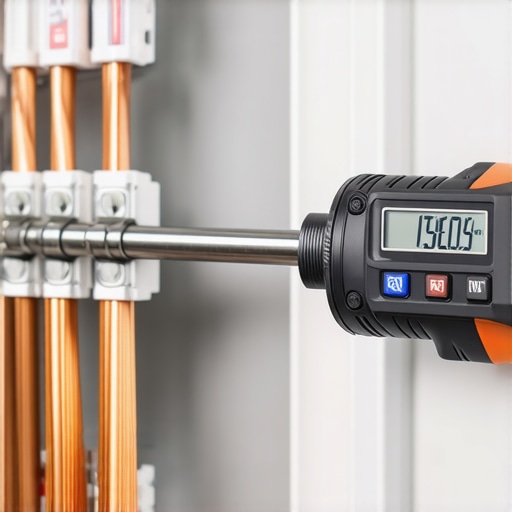
Why Is My Smart Charger Tripping the GFCI Every Time It Rains?
This is a classic frustration for advanced users. Many people install a GFCI breaker for an outdoor plug-in charger, not realizing the charger itself usually has a built-in GFCI. This ‘double-layering’ causes nuisance trips due to slight cumulative leakage current that is perfectly safe but confuses the breakers. Understanding why your outdoor charger needs a specific type of gfci is key to a reliable winter setup. If you are constantly resetting breakers, you are likely dealing with troubleshooting ev chargers common compliance pitfalls and fixes. Before you finish your install, you have to how to verify code compliance for your ev charger installation. It is not just about safety; it is about insurance. If something goes wrong and you don’t have a record of ensuring code compliance when installing ev chargers, your provider might deny a claim. Additionally, the 80% rule is non-negotiable; a 50A breaker can only handle 40A of sustained charging. This is where why thinner wire is costing you miles every night comes into play—the voltage drop over 8 hours can be significant. Have you ever fallen into this trap? Let me know in the comments.
Check Your Connections Before They Glow
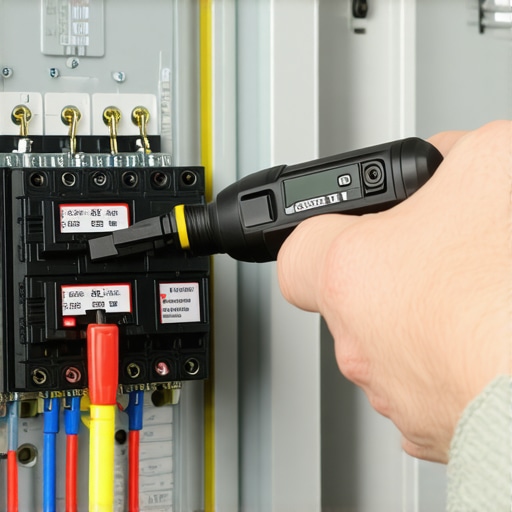
I don’t just rely on my ears to hear for buzzing; I use a FLIR thermal camera once a year to inspect my setup. It might sound like overkill, but seeing a ‘hot spot’ on a breaker before it trips is the difference between a five-minute fix and an emergency call because you’ve learned how to tell if your panel is actually a fire hazard the hard way. When you pull 40 amps for six hours, any microscopic gap in a connection becomes a tiny heater. If you’ve seen 3 signs your main lug is loose and causing power flickers, your charger is usually the first component to show signs of distress.
How do I maintain my charging setup for the long haul?
Maintenance isn’t just about the wires; it’s about the environment and physical integrity. I make it a habit to check the pins on my charging handle for any discoloration or carbon buildup every few months. According to the NFPA 70B Standard for Electrical Equipment Maintenance, ‘continuous duty’ devices—which your EV charger absolutely is—require periodic inspection to prevent insulation breakdown and connection failure. If you live near the coast, you specifically need to know how to spot corrosion inside your outdoor charging pedestal before the salt air eats through your hardware. I also recommend a quick blast of compressed air into the vehicle inlet; it’s much safer than trying to learn how to clean your charger ports without damaging them after you’ve already bent a sensitive communication pin.
Your Car Is About to Become Your House Battery
If you’re planning on adding a second car soon, don’t automatically assume you need a whole new service upgrade. I’ve helped several neighbors realize why your garage needs a subpanel for that second ev rather than a $5,000 utility trenching project. A subpanel allows you to keep your cable runs organized and your main panel uncluttered. Using smart load-sharing chargers on that subpanel allows you to split a single circuit dynamically, which is arguably the most efficient way of how to share a single circuit between two evs safely without ever tripping the main breaker. We are rapidly moving toward a world where your car isn’t just a drain on your house—it’s a backup power source. Bidirectional charging (V2H) is the next major shift in home energy. Learning how to use your ev as a backup home battery safely will be as common as setting a programmable thermostat by the end of the decade.
Before you call it a day, do one thing for me: grab a calibrated torque wrench and verify your terminal lugs. It’s the single most effective bit of ev charger troubleshooting expert tips for common issues prevention you can possibly do. Most manufacturers specify a torque value right on the side of the breaker (often 25 to 45 inch-pounds). If you find a wire that looks ‘toasted’ or the insulation has started to discolor, it’s time to start upgrading your panel for better ev charging performance. Don’t wait for the smell of ozone to tell you there’s a problem; knowing how to verify code compliance for your ev charger installation is an ongoing safety commitment that protects your home’s resale value.
The Hardest Lessons I Learned Managing My Own High-Voltage Morning Routine
I used to believe a heated garage was the only way to avoid a stiff, unyielding cable, but I learned the hard way that material science beats ambient temperature every time. The chemistry of the cable jacket matters more than the thermostat setting; switching to a high-quality TPU cable was the single best move I made for my winter sanity. I also discovered that ‘tight enough’ is a dangerous myth in high-amperage electrical work. After finding a slightly discolored lug during a routine check, I realized that the forgotten torque test that prevents panel fires is the most critical ten minutes of any installation process. Finally, I learned that you don’t always need to spend thousands on a full utility service upgrade if you use smart load-management strategies to how to squeeze a level 2 charger onto a 60 amp service without tripping your main breaker.
The Maintenance Gear That Actually Earns Its Keep in My Garage
To keep my system running at peak performance, I rely on a few specific tools that move beyond basic DIY kits. First, a calibrated torque wrench rated for inch-pounds is non-negotiable for anyone ensuring code compliance when installing ev chargers. Second, I keep a simple can of compressed air nearby to clear out the vehicle inlet; it’s a low-tech way to prevent high-tech communication errors. Lastly, I highly recommend an entry-level infrared thermometer or thermal camera. It is by far the most effective tool for how to tell if your panel is actually a fire hazard by identifying hot spots on your breakers long before they reach a failure point.
Making Your Winter Mornings Automatic and Safe
Investing a little time into your hardware today prevents a massive headache when the next polar vortex hits your driveway. Whether you are currently upgrading your panel for better ev charging performance or simply swapping out a brittle budget cable for a more pliable version, your future self will thank you for the reliability. Keeping your home safe and your car ready to roll is an ongoing commitment to quality that pays off every single morning when you can simply click and go. Have you ever felt your charging cable become a frozen brick in the driveway? Let me know your worst winter charging story in the comments below.