I’ll never forget the smell of hot plastic that greeted me three weeks after I installed my home charger. I’d just come home from a long commute, plugged in my car, and went to grab a soda from the garage fridge. As I passed the main breaker box, a wave of heat hit me. My heart sank. I touched the metal door, and it wasn’t just warm—it was ‘fry-an-egg’ hot. It’s a terrifying moment when your shiny new green-energy lifestyle starts feeling like a fire hazard. If you’re standing in your garage right now, staring at your panel and wondering if you should call the fire department, take a breath. I’ve been exactly where you are, and I’ve learned the hard way that a hot panel is the house’s way of screaming for help. Today, we are going to diagnose exactly why that panel is cooking and get you back to charging safely without the 2:00 AM anxiety.
Your Breaker Box Shouldn’t Double as a Space Heater
When you plug in an EV, you are essentially asking your house to run its most demanding appliance for eight hours straight. It is a marathon, not a sprint. Most people don’t realize that their old electrical infrastructure was never designed for this kind of sustained load. I made the classic rookie error of assuming if the breaker didn’t trip, everything was fine. I was wrong. I had ignored the forgotten torque test that prevents panel fires, thinking hand-tight was good enough for a 40-amp continuous load. It wasn’t. Heat is caused by resistance. Resistance comes from loose wires, oxidized copper, or a busbar that is being pushed past its limits. If your panel is hot to the touch, you are likely witnessing one of the 5 signs your main breaker is overwhelmed by a new level 2 charger. According to data from the National Fire Protection Association, electrical distribution equipment is a leading cause of home fires, and localized heat is the primary early warning sign of a failing connection.
Is a little bit of warmth really worth a panic attack?
People often ask me if a warm panel is just ‘normal’ operation. Let’s be clear: warmth is okay; radiant heat that makes you pull your hand away is a disaster in the making. In my early DIY days, I almost ignored a hot lug because I didn’t want to admit I’d messed up the installation. That pride could have cost me my garage. You need to know how to tell if your panel is actually a fire hazard versus just working hard. If you don’t address those 3 small mistakes that turn your garage panel into a fire hazard, the metal will eventually deform, the insulation will melt, and you’ll be looking at a very expensive emergency replacement. Have you ever walked past your breaker box while the car was charging and felt that weird, unsettling heat radiating off the metal? If so, don’t ignore it. We’re going to dive into the specific troubleshooting steps next.
Stop Guessing and Start Measuring
If your panel feels like a heating element, the first thing you need to do is stop the current flow. Flip that EV breaker off. When I first dealt with my overheating panel, I tried to convince myself it was just ‘breaking in.’ That’s a dangerous lie. You need to verify if you’ve actually overextended your home’s capacity. Start by looking at your main service rating. Many older homes only have 100-amp service, and adding a 40 or 50-amp continuous load is like trying to shove a fire hose through a soda straw. You should first learn how to tell if your panel has space for an ev circuit before you assume the hardware is faulty. If the panel is physically crowded, heat has nowhere to dissipate, creating a localized oven effect that will eventually bake your breakers.
The Quarter-Turn That Saves Your House
Physical connections are the most common failure point. I remember pulling the dead front off my panel and seeing the insulation on the primary feeder wire beginning to bubble; it looked like a charred raisin. I took my torque wrench—a tool I now realize is non-negotiable—and found the lug was just a quarter-turn loose. That tiny gap was creating enough resistance to turn the wire into a heater. This is often why you’ll see 3 signs your main lug is loose and causing power flickers alongside the heat issues. Every screw in that box has a specific inch-pound rating specified by the manufacturer. If your electrician just ‘tightened it until it felt right,’ they likely failed the installation. 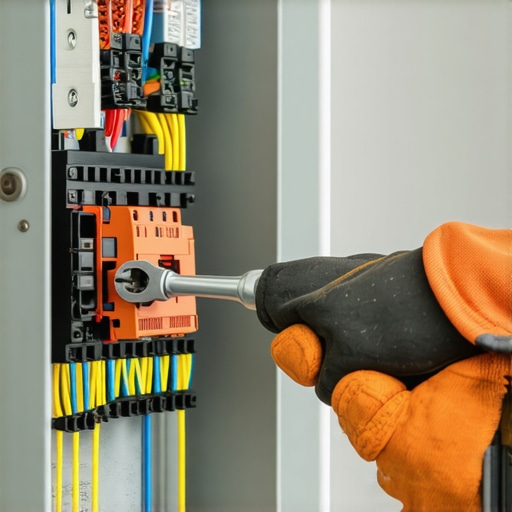
Why Your Wire Might Be Starving Your Charger
Heat doesn’t just stay at the breaker; it travels. If your installer used the wrong diameter of copper, the wire itself becomes a resistor. I’ve seen DIY jobs where people used 8-gauge wire for a 48-amp charger because it was cheaper and easier to bend. That is a recipe for a structural fire. This is the wire gauge mistake that fails 40 percent of inspections and for a good reason. Thinner wire has more resistance, and resistance generates heat. Think of it like a crowded hallway during a fire drill; if too many people (electrons) try to push through too small a space, things get heated and dangerous very quickly.
Do the Math Before You Melt the Metal
If your connections are tight and your wires are the correct gauge, but the panel is still screaming hot, you have a load calculation problem. Your home has a ‘budget’ of power. If your HVAC, water heater, and oven are all running while your car is sucking down 11kW of power, you are redlining your electrical system. You need to know how to read the load calculation your electrician sent you to ensure you aren’t exceeding 80% of your total capacity for continuous loads. If the numbers don’t add up, you are looking at upgrading your panel for better ev charging performance. It’s a bitter pill to swallow, but it is significantly cheaper than a house fire. I had to bite the bullet and upgrade my own service to 200 amps after realizing my 1970s panel simply couldn’t handle the modern demands of an electric garage.
Stop Putting Random Breakers in Your Panel
Most homeowners believe that if a breaker clicks into place, it is automatically compatible. That is dangerous nonsense. I often see people assume a ‘universal’ breaker is a real thing, but using mismatched equipment is one of the troubleshooting ev chargers common compliance pitfalls and fixes that leads to melting plastic. Even if the brand on the box claims compatibility, the specific breaker brand that keeps tripping during fast charging is usually the one the panel manufacturer never actually tested for that busbar. When you mix brands, the tension between the breaker clip and the busbar is rarely perfect. This creates a micro-gap which, under the heavy 32-amp or 48-amp load of an EV, causes arcing and intense localized heat.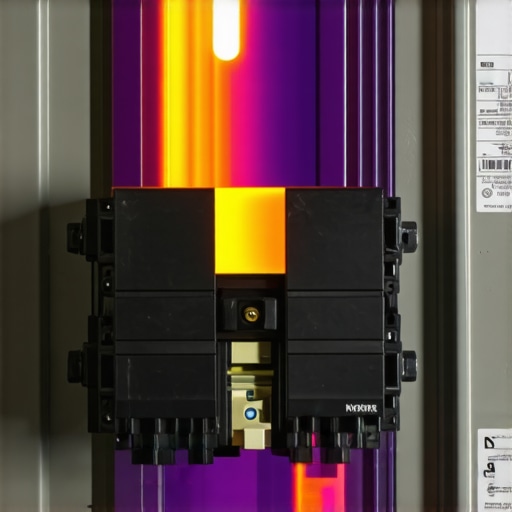
Does Your Busbar Have a Secret Expiration Date?
While many advanced DIYers check the wire gauge, they rarely inspect the health of the busbar plating. According to a technical study by the IEEE on electrical contact degradation, repetitive thermal cycling—the heating and cooling that happens every night during a charge—can cause microscopic metal fatigue in older panels. If your home was built in the late 20th century, that busbar was designed for intermittent loads like a clothes dryer, not the eight-hour marathon of a Level 2 charger. You must prioritize ensuring code compliance when installing ev chargers by looking for pitting or ‘rainbow’ discoloration on the metal. If the silver or tin plating has worn away to reveal raw copper, the connection will never be stable again, and you are likely looking at panel upgrades for ev chargers what you need to know before your next charge.
The Grounding Oversight That Voids Your Warranty
There is a specific ‘oops’ factor that catches even the most meticulous installers: the grounding system. Many people assume that if the green light is on, the ground is sufficient. However, the grounding rod mistake that voids your ev warranty is a silent killer for your car’s sensitive onboard electronics. If your home’s grounding electrode system isn’t up to modern standards, surge energy from the grid has no path to the earth and ends up frying the charger’s motherboard instead. This is why code compliance essentials for ev charger installations in 2025 place such a heavy emphasis on the entire grounding path. If you notice your station throws errors after a rainstorm, you likely have the grounding rod mistake that stops your car from charging. Have you ever noticed your panel getting hot only during specific times of the day, or did you find a mismatched breaker in your box? Let me know in the comments below!
Why I spent 200 dollars on a tool I only use once a year
After my ‘hot panel’ scare, I realized that electrical systems aren’t ‘set it and forget it’ when you’re pulling high-amperage loads nightly. I started carrying a Fluke thermal imaging camera into my garage every six months. You don’t need a professional-grade rig, but even a basic infrared thermometer can help you catch localized heat before it becomes a structural fire. This is part of the ev charger troubleshooting expert tips for common issues that most people ignore until they smell smoke. I make it a point to scan the breaker and the wire entry points while the car is pulling its maximum 48 amps. If I see a temperature spike that is more than 30 degrees Celsius above the ambient room temperature, I know a connection is loosening. It sounds paranoid, but after seeing how heat degrades copper over time, it’s the only way I sleep soundly.
How do I keep my charging station from melting over the next decade?
Long-term reliability is about fighting vibration and thermal expansion. Every time your wires heat up and cool down, they move slightly—a phenomenon known as ‘creep.’ This is why I religiously revisit the forgotten torque test that prevents panel fires. Every twelve months, I turn off the main breaker and use a calibrated torque wrench to ensure the lugs haven’t backed off. If you’re planning to expand, perhaps adding a second car or a power tool sanctuary, you’ll need to know how to properly size a subpanel for your ev workshop. Scaling up isn’t just about adding more breakers; it’s about managing the total thermal envelope of your home’s electrical heart. 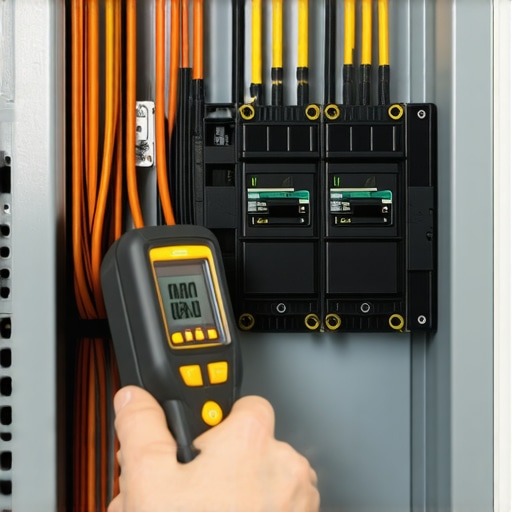
The smart way to avoid a second panel upgrade
Looking ahead, the trend is moving away from bigger ‘dumb’ panels and toward intelligent load management. If you are hitting your limit, instead of upgrading your panel for better ev charging performance which can cost thousands, you should look into dynamic load shedding. This is exactly why your business needs a load management system today, and the technology is rapidly trickling down to residential garages. These systems monitor your total home usage and throttle the car’s charging speed the moment the AC or oven kicks on. It’s the ultimate hack for how to verify code compliance for your ev charger installation without needing to rip out your drywall for a service upgrade. According to the Fluke Guide to Electrical Preventive Maintenance, consistent thermal monitoring can extend the life of your switchgear by up to 50%. My advice? Go out to your garage tonight while the car is charging, and just put the back of your hand near the panel. If it feels like a toaster, don’t wait for the breaker to trip—get a torque wrench or an electrician on the phone immediately.
The Hardest Lesson I Learned About Balancing the Load
After years of tinkering with EV setups, I’ve realized that the most expensive mistake isn’t buying the wrong charger—it’s ignoring the thermal reality of your breaker box. I used to think that as long as the lights didn’t flicker, I was in the clear. I was wrong. Here are the lightbulb moments that saved my home:
- First, torque is non-negotiable. Metals expand and contract; if those lugs aren’t tightened to spec using the forgotten torque test that prevents panel fires, you’re basically inviting a slow-motion disaster into your garage.
- Second, heat is a messenger, not a nuisance. If your panel is hot, it’s telling you that your current infrastructure is redlining. Ignoring ensuring code compliance when installing ev chargers is the quickest way to void your insurance and risk your family’s safety.
- Third, not all panels are created equal. Some older busbars simply weren’t built for the 10-hour marathons of modern EVs, and sometimes the only real solution is accepting that you need upgrading your panel for better ev charging performance.
The Gear That Keeps My Garage from Melting
You don’t need a degree in electrical engineering to monitor your home’s health, but you do need the right tools. I’ve personally vetted these items to ensure my setup stays within the safe zone:
- A Calibrated Torque Wrench: This is the only way to ensure your connections meet manufacturer specs. Hand-tight is a guess; 45 inch-pounds is a certainty.
- An Infrared Thermometer: I use this once a month while the car is charging to check for ‘hot spots.’ It’s the easiest part of my ev charger troubleshooting expert tips for common issues routine.
- Load Management Software: If you’re on the edge of your panel’s capacity, look into dynamic shedding. This is why your business needs a load management system today, and it’s just as vital for homes with 100-amp service.
Your Home’s Safety is Worth the Extra Effort
Living the EV lifestyle shouldn’t come with the stress of checking your breaker box every midnight. By taking these troubleshooting steps and respecting the limits of your electrical service, you can enjoy fast, reliable charging without the fire hazard anxiety. Don’t be afraid to pull the plug and call a pro if something feels off. Real peace of mind comes from knowing you’ve mastered how to verify code compliance for your ev charger installation. So, have you checked your panel’s temperature during a high-speed charge lately? Let me know if you’ve found any loose lugs in the comments below!