I remember standing in the back room of a local bakery, smelling something like burnt toast that definitely wasn’t sourdough. The main breaker had just tripped for the third time that morning, and the owner was looking at me with a mix of frustration and despair. I had made a classic mistake. I told him we could just “squeeze in” a couple of new chargers without worrying about the peak load of the ovens. It was a painful, visceral lesson in why balancing power matters. If you’ve noticed your electrical panel smells like fish or seen lights flickering when the fleet plugs in, you’re already flirting with disaster. I felt terrible for that bakery owner, and I don’t want you to feel that same gut-punch of a shut-down business.
Stop Killing Your Main Breaker Every Time the Coffee Pot Runs
Most business owners think that adding EV charging means they have to call the utility company and beg for a massive service upgrade. That is a myth that costs thousands. When I first started out, I would push for a full panel upgrade for better performance every single time. It was the “safe” play, but it was often totally unnecessary. Today, I am going to show you how a load management system acts like a smart traffic cop for your electricity, letting you charge more cars with the power you already have. We are going to dive into how to load balance your fleet without tripping the main feed and why this tech is the only way to scale your operations without going broke. It’s about efficiency, not just raw power.
Is a software solution actually better than new copper?
It sounds like a workaround, doesn’t it? You might be skeptical that a digital controller can handle high-voltage hardware as safely as a bigger hunk of metal. But the reality is that the National Renewable Energy Laboratory (NREL) has found that managed charging can reduce peak load by nearly 50% in commercial environments. This is often the thin line between a successful installation and a dead building. I once watched a property manager waste $30,000 on a transformer upgrade when a $2,000 load management setup would have handled their needs perfectly. You don’t want to be the one explaining that waste to the board. Have you ever had a breaker trip right in the middle of a busy workday because someone plugged in a car? It is a wake-up call you don’t want to repeat. Using a system that knows the smart way to schedule charging ensures your business stays powered while your cars get juiced up. It is about working smarter, not just throwing more money at the power grid.
Calculate Your Real Capacity Before Buying a Single Charger
Think of your electrical panel like a buffet table. You’ve only got so much surface area. If you put out a 20lb turkey (your HVAC) and a giant ham (your refrigeration), there’s very little room left for the side dishes (your chargers). Most business owners just keep adding plates until the table collapses. This is where you need how to read the load calculation your electrician sent you. It’s not just a list of numbers; it’s a map of your building’s survival. If those numbers show you are already peaking at 80% capacity during business hours, you can’t just slap a 50-amp breaker in there and hope for the best.
I worked with a delivery company last year that had six vans. They were convinced they needed a $40,000 transformer upgrade just to get through the week. When we looked at their actual usage, they only used 90% of their power between 9 AM and 5 PM. At night, the building was a ghost town. By simply using the smart way to schedule charging, we moved all that electrical “eating” to the midnight hours. We saved them the upgrade and kept the lights from flickering during the day. If you are already seeing 5 signs your main breaker is overwhelmed by a new level 2 charger, your “buffet table” is already buckling and you need to pivot fast.
Why Software Beats a New Service Drop
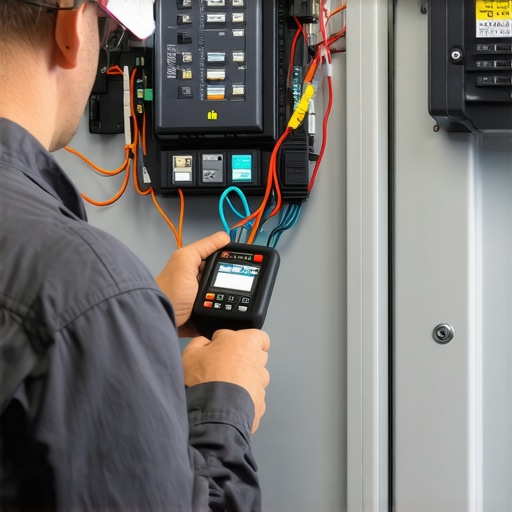
Installing new copper is a permanent, expensive fix for a temporary problem. Smart load management is the software “brain” that monitors how much the building is using in real-time. If the elevator kicks on or the warehouse cooling hits a peak, the software tells the chargers to throttle down for thirty seconds. This is why your commercial garage needs load management software—it prevents that catastrophic main breaker trip that shuts down your entire operation. It is the difference between a controlled flow and a burst pipe. Most fleet managers find that they can double their charging capacity overnight just by using these digital constraints.
Pass Your Inspection by Sweating the Small Stuff
You can have the fanciest software in the world, but a loose wire will still burn your building down. I can’t tell you how many times I’ve seen a “professional” install look great on the surface, only to find out they skipped the forgotten torque test that prevents panel fires. If those lugs aren’t tightened to the specific inch-pound requirements, the heat from a continuous 40-amp draw will melt the insulation right off. When ensuring code compliance when installing ev chargers, inspectors aren’t just being difficult; they are looking for these specific heat signatures that lead to disasters.
Last month, I had to fix a DIY job where the installer used the wrong gauge wire for a 100-foot run. The voltage drop was so bad the chargers kept erroring out every time the sun went down. I felt for the guy because he thought he was saving money on materials, but he ended up paying me double to rip it all out and redo it. Always check the wire gauge mistake that fails 40 percent of inspections before you close up those walls. It’s about doing it right once so you don’t have to explain a failed inspection to your boss when the trucks need to be on the road.
The common wisdom in most electrical circles says if you want to charge more than two cars, you need to call the utility and pay for a massive 400-amp service upgrade. I’m here to tell you that’s a half-truth that usually just lines the pockets of contractors who haven’t caught up with modern energy management. In my experience, most buildings are actually “over-provisioned.” We buy more power than we ever use at once. Instead of spending five figures on a new transformer, you can often learn how to squeeze a level 2 charger onto a 60 amp service by using automated load-shedding. This isn’t just a “hack”; it’s a code-compliant strategy that prioritizes your essential business operations over the cars during peak hours.
Why do some high-end chargers keep failing even with a perfect panel?
I get this question at least once a month. A client has a brand-new panel, heavy-duty wire, and a $1,500 charger, yet the system keeps throwing error codes. Often, the culprit isn’t the charger at all—it’s the breaker. You need to watch out for the specific breaker brands that hate constant ev loads. EV charging is a “continuous load,” meaning it draws max power for hours on end. Cheap residential breakers aren’t built for that thermal stress. If you use a brand known for nuisance tripping under heat, you’ll be stuck in a cycle of ev charger troubleshooting expert tips for common issues without ever finding the “real” problem. According to the National Fire Protection Association (NFPA), loose or improper connections on these continuous loads are a leading cause of electrical fires in newer installations. This is why I obsess over torque settings.
One of the most expensive “oops” moments I see involves the neutral wire. In a standard outlet, a mistake here might just trip a breaker. But with an EV, the neutral wire error that fries car motherboards is a very real threat. If your electrician treats your charger like a simple clothes dryer, they might miss the grounding requirements that protect the vehicle’s sensitive onboard computer. I’ve seen $80,000 electric trucks turned into bricks because of a $5 wiring error. You must know how to verify code compliance for your ev charger installation specifically for the year your state adopted the NEC. For instance, the 2023 NEC updates have much stricter rules for GFCI protection on outdoor units that many “old school” guys simply haven’t read yet.
Before you sign off on any work, look for 3 small mistakes that turn your garage panel into a fire hazard, starting with the grounding system. A common “nuance” that gets skipped is the ground rod; the grounding rod mistake that voids your ev warranty is a heartbreak I see too often. The charger might “work,” but if the resistance isn’t low enough, the car’s internal safety check will eventually shut everything down, leaving you with an empty battery in the morning. Have you ever fallen into this trap or had an “expert” give you bad advice on a panel upgrade? Let me know in the comments.
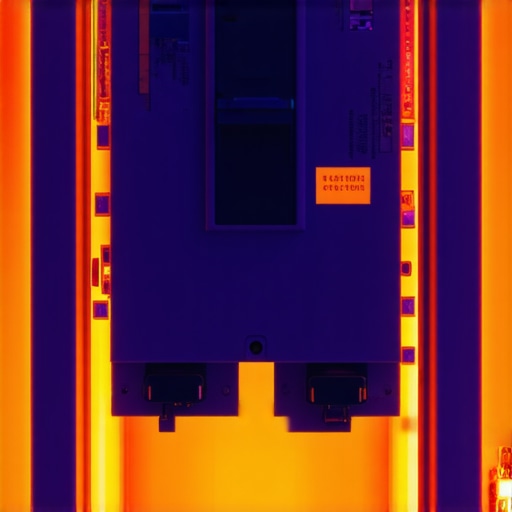
I’ve spent years reading those comments and troubleshooting the aftermath of “expert” advice that didn’t account for the brutal reality of a continuous 48-amp load. To keep your system from becoming a cautionary tale, I rely on two non-negotiable tools: a thermal imaging camera and a digital torque screwdriver. I personally use a FLIR unit to scan every connection point while the car is charging at max speed. If I see a lug glowing bright purple on the screen, I know it’s a disaster waiting to happen. This is the only way to catch 3 signs your main lug is loose and causing power flickers before the plastic starts to bubble. Second, I never trust “feel” when it comes to terminal screws. The forgotten torque test that prevents panel fires isn’t just for show; it’s a requirement of the manufacturer’s listing. If you aren’t using a calibrated tool, you are just guessing with your building’s safety. I’ve gone back to jobs where a “hand-tightened” lug had backed out by a full quarter-turn due to the thermal expansion and contraction cycles of daily charging. This leads directly to ev charger troubleshooting expert tips for common issues, starting with why your charger randomly stops at 2 AM. 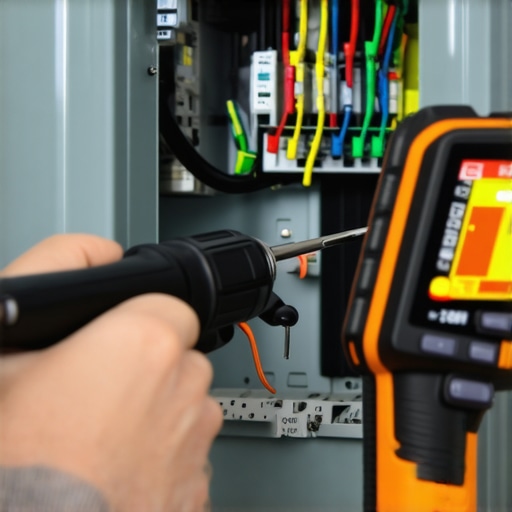
How do I keep this equipment running for the next decade?
Maintenance isn’t about re-wiring; it’s about vigilance. For my commercial clients, I recommend an annual “load stress test.” We plug in the full fleet and watch the voltage drop. If you see more than a 3% dip, you are fighting the voltage drop secret thats ruining your morning charge and wasting money on your electric bill. You should also check the physical plug. Over time, salt air or even high humidity can corrode the pins. If you live near the coast, you need to understand the real lifespan of a level 2 charger in coastal salt air, which is often half of what the brochure claims. Keep the contacts clean and look for any discoloration on the handle. If it feels hot to the touch, stop using it immediately. The National Electrical Code (NEC) Article 625.42 is very clear about the “continuous load” rule, stating that the overcurrent protection must be sized at 125% of the charger’s output. If your electrician missed this, your breaker is basically a slow-cooking heating element. Following this is the core of ensuring code compliance when installing ev chargers. Beyond the hardware, don’t ignore the digital side. I’ve found that 40% of “broken” chargers are actually just suffering from troubleshooting ev charger connectivity problems. A simple mesh Wi-Fi node in the garage can save you a $200 service call.
Prepare for the Power Grid of 2030 Today
The future of this tech isn’t just about pulling power from the grid; it’s about pushing it back. We are moving toward a world of bidirectional charging. I’m already talking to forward-thinking owners about how to use your ev as a backup home battery safely. This will eventually turn your fleet into a revenue-generating power plant during peak grid stress. However, this level of sophistication requires a rock-solid foundation. If your current setup is already showing 3 signs your charger motherboard is fried from a surge, you aren’t ready for the V2G revolution. My best advice? Go check the Wi-Fi signal strength at your charger tonight—it’s the number one cause of failed firmware updates that brick units. Ensure your infrastructure is stable now, so you don’t have to rebuild it in five years when the tech shifts again.
The Expensive Hard Truths I Found in Burnt Panels
After years of fixing systems that looked perfect on paper but failed in practice, I’ve realized that heat is a silent thief. Even if your panel is brand new, a slightly loose lug will create a hotspot that can eventually melt a breaker. This is why I never skip the forgotten torque test that prevents panel fires. It’s also important to remember that troubleshooting ev charger connectivity problems is often just as critical as the electrical work itself. If your charger can’t talk to the grid, it can’t manage the load, and that’s when your main breaker trips. My biggest lightbulb moment? Realizing that modern software is actually safer than oversized copper because it responds in milliseconds to building demand.
Gear That Keeps Me From Worrying at Night
If you are managing your own facility or overseeing an install, you don’t need a degree in engineering, but you do need the right references. I always keep a current copy of the NEC Article 625 handy to help with how to verify code compliance for your ev charger installation. For hardware, I trust a FLIR thermal camera to spot issues before they become smells. I also recommend every site manager has a basic understanding of ev charger troubleshooting expert tips for common issues to avoid unnecessary service calls. These tools turn guesswork into a data-driven maintenance plan.
#IMAGE_PLACE_HOLDER_E#
Build Your Power Foundation the Right Way
Transitioning your business or home to electric isn’t just about sticking a plug in the wall; it’s about preparing your infrastructure for the next decade of energy. By focusing on smart load management and precise installation, you are protecting your investment and your peace of mind. Taking the time for a panel upgrade for better performance now saves you from the headache of a failed system later. The future is electric, and you’re now equipped to handle it safely. Have you run into any weird error codes or flickering lights since installing your charger? Let me know in the comments below!