I remember the morning I opened my utility portal and nearly dropped my coffee. I had bought an EV to save money, right? I was dodging the gas pump and feeling pretty smug about it. Then I saw the number: $412. My usual bill was barely $180. I sat there at the kitchen table, staring at my shiny new car in the driveway, wondering if I had been sold a lie. It was a visceral gut-punch. I felt like a rookie who had been scammed by the promise of cheap energy. But here is the truth I learned the hard way: it was not the car’s fault, it was my setup. One of the most common reasons for this shock is the neutral wire trap that spikes your home utility bill, a mistake my first electrician missed completely. Today, I am going to show you exactly where that money is leaking and how to reclaim your savings. Have you ever opened a bill and felt that same ‘what have I done’ panic?
Stop Paying Double for Your Daily Commute
I made a massive mistake early on: I just plugged in my car the second I got home from work at 5:30 PM. I did not realize I was hitting the ‘Peak Demand’ window, which is basically the utility company’s way of charging you a premium for breathing. According to the U.S. Department of Energy, charging during peak hours can cost up to three times more than off-peak rates in many regions. I was essentially throwing twenty-dollar bills out the window every night. To fix this, you need to master the smart way to schedule charging without overloading your service. It is not just about when you charge, though; sometimes the hardware itself is the culprit. I have seen cases where the hidden power drain of cheap charging cables accounted for a 10% loss in efficiency before the electricity even reached the car.
Is This Whole Electric Car Thing Actually a Financial Trap?
It certainly feels like a trap when your bill doubles, but the reality is that your home probably was not prepared for the new load. If you are seeing massive spikes, it might be time to investigate why your utility might require a separate meter for your car to access special EV-only rates. I once thought my panel was ‘fine’ because nothing was tripping, but I was wrong. I was ignoring the 5 signs your old electrical panel is a charging bottleneck. Before you give up on your EV, let’s look at the specific technical fixes that actually bring those numbers back down to earth.
Crunch the Numbers Before You Plug In
Think of your home’s electrical capacity like a physical bucket. Every appliance—your fridge, your AC, your hair dryer—takes up a certain amount of space. If you try to pour 40 amps of EV charging into a bucket that is already nearly full, it is going to overflow. This is where most people get hit with efficiency losses and safety risks. You need to know how to read the load calculation your electrician sent you. When I first started, I assumed my 200-amp service could handle anything. I did not realize that my old pool pump and electric range were hogging 70% of the capacity during the day. If you do not do this math, you are essentially guessing with your home’s safety. If you are working with limited capacity, you should explore how to squeeze a level 2 charger onto a 60 amp service to avoid a full-service upgrade you might not actually need. 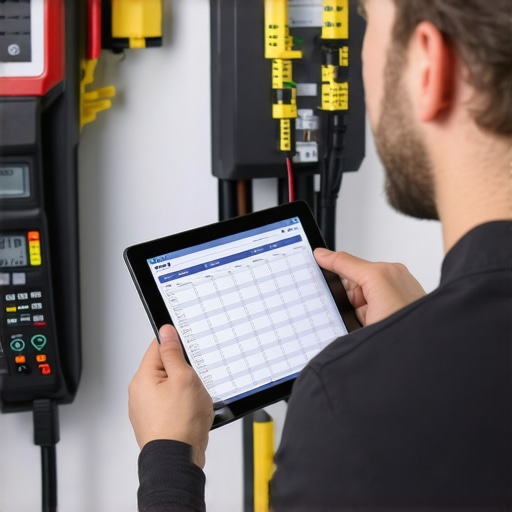
Stop Buying the Cheapest Hardware You Can Find
I learned quickly that saving $200 on a charger can cost you $2,000 in repairs later. Cheap, unbranded units often have massive internal resistance, which turns electricity into heat instead of range. You also need to decide on the installation method. For the best reliability and to avoid nuisance trips, you should understand the critical difference between hardwired and plug-in chargers. Hardwiring eliminates the potential failure point of a high-voltage outlet, which can melt over years of heavy use. I have seen those ‘budget’ cords literally fuse to the wall because they could not handle the continuous load. It is a terrifying smell that you never want to experience in your own garage.
Spotting the Red Flags in Your Electrical Panel
Your panel is the brain of the operation, but brains get old and tired. If you hear a faint buzzing or see your lights flicker when the car starts charging, you are not seeing ghosts—you are seeing a hardware failure in progress. I will never forget the time I tried to skip the professional audit. I figured since my microwave and dryer worked fine, adding a 40-amp charger was basically like adding a big toaster. Halfway through my first charge, my lights started dimming like a scene from a horror movie. I discovered 3 signs your main lug is loose and causing power flickers just in time to avoid a catastrophic panel fire. Sometimes the fix is simple, but often it requires upgrading your panel for better EV charging performance to handle the 2025 standard of power demand.
Make Sure You Actually Own Your Installation
DIY sounds great until the city inspector shows up or you try to sell your house. I once spent a weekend wiring my own unit, feeling like a genius, only to have a professional tell me I had created a code nightmare that voided my home insurance. Do not fall for the 3 hidden costs of DIY EV charger wiring. Taking the time to learn how to verify code compliance for your EV charger installation ensures that your ‘savings’ are not actually just a deferred bill for a future violation. If you are doing an outdoor setup, pay attention to the exact conduit depth required for outdoor chargers, as this is the number one thing inspectors look for to fail a permit.Let’s dig deeper into the stuff the sales brochures won’t tell you. Everyone thinks that getting the fastest charging speed is the ultimate goal, but I’ve found that maxing out your amperage is often a rookie mistake. Why? Because of thermal stress. Running a 48-amp charger on a 60-amp circuit for eight hours straight creates massive heat. If your connections aren’t perfect, you’re asking for trouble. In many cases, the the secret to getting faster charging without a new panel isn’t more power, but better efficiency and timing.
Can You Safely Charge Two Cars From a Single Circuit?
This is the number one question I get from families who just added a second EV. You don’t necessarily need a second service drop. By utilizing smart load management, you can learn how to share a single circuit between two EVs safely. Some chargers can ‘talk’ to each other to split the load, while others might require why your garage needs a subpanel for that second ev to keep things organized. The National Fire Protection Association (NFPA 70), specifically Article 625, mandates that EV charging be treated as a continuous load, which means your equipment must be rated for 125% of the actual current. If you ignore this, you aren’t just breaking code; you are actively wearing out your home’s infrastructure.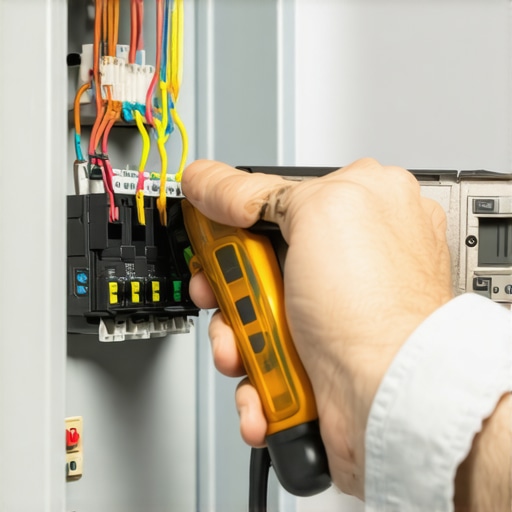
The Tiny Mechanical Detail That Prevents Panel Fires
The biggest ‘oops’ factor I see isn’t the wire gauge—it’s the torque. Most people assume ‘hand-tight’ is enough for a breaker. It’s not. There is a very specific reason the forgotten torque test that prevents panel fires is part of modern code. If those lugs aren’t tightened to the exact inch-pound specifications, the micro-vibrations from the 60Hz current will eventually loosen the connection. This creates an arc. You need to know how to spot arc faults before they kill your charging session before the smell of melting plastic hits your nose. I’ve also noticed that the specific breaker brands that hate constant ev loads often fail prematurely because they weren’t designed for the 100% duty cycle of a modern Tesla or Rivian.
Grounding Nuances That Kill Your Warranty
Here is a truth that surprises many: your car’s computer is incredibly sensitive to ground resistance. If your grounding system is even slightly off, your car might refuse to charge, or worse, you could deal with the grounding rod mistake that voids your ev warranty. It’s not just about safety; it’s about signaling. I’ve spent hours on ev-charger-troubleshooting-expert-tips-for-common-issues only to find that the culprit was a slightly loose ground wire in the main panel. Always prioritize ensuring code compliance when installing ev chargers because those codes are written in the ink of past house fires. Have you ever fallen into this trap or noticed your lights flickering when you plug in? Let me know in the comments.Once you get the wires in the wall and the permit signed off, most people think they are done. I did too. But your home’s electrical system is a living thing that responds to the massive stress of high-amperage charging. Over time, heat cycles expand and contract those copper wires, and that is where the real trouble starts. I now keep a dedicated 1/4-inch drive torque wrench in my garage specifically for my charger connections. It sounds overkill until you realize that the specific torque wrench settings for a wall connector are the only thing standing between a cool-running circuit and a charred breaker. According to technical documentation from the National Electrical Manufacturers Association (NEMA), loose electrical connections are a primary driver of resistance-based overheating in residential equipment. I make it a habit to check my connections every six months to ensure nothing has wiggled loose. If you are not comfortable opening your panel, it is worth a quick service call to focus on ensuring code compliance when installing ev chargers by having a pro perform a thermal imaging sweep of your lugs. 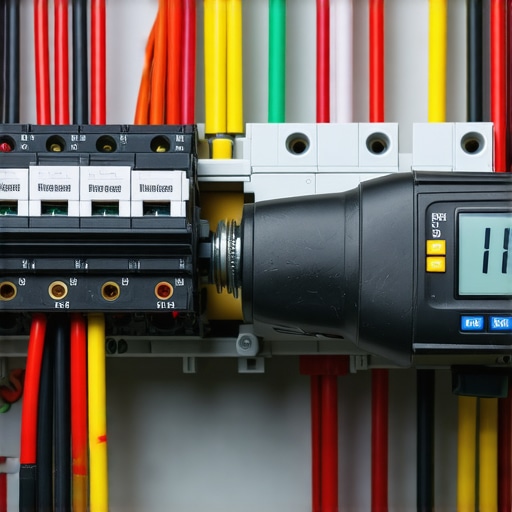
Keep Your Investment from Rotting in the Rain
If your charger is mounted outside, the elements are your biggest enemy. I have seen handles that look pristine on the outside but are completely green with oxidation inside the pin receptors. You need to know how to spot corrosion inside your outdoor charging pedestal before it starts dropping your charging speed or causing ground faults. I personally use a shot of high-quality electronic contact cleaner once a season to keep those surfaces conductive. It is a critical part of learning how to clean your charger ports without damaging them. Also, keep an eye on your Wi-Fi signal strength. Smart chargers rely on a stable connection for firmware updates that manage battery thermal health. If your signal is weak, you will find yourself constantly troubleshooting ev charger connectivity problems instead of enjoying your morning coffee.
How do I maintain my home charging setup over the years?
Long-term maintenance is less about cleaning and more about monitoring data signatures. I use a smart home energy monitor to watch the power draw of my EV charger. If the consumption starts to fluctuate wildly or the startup ‘ramp-up’ looks noisy, I know a capacitor or a connection is starting to fail. You can catch these early warnings by following ev-charger-troubleshooting-expert-tips-for-common-issues. Looking ahead, the trend is moving toward vehicle-to-home (V2H) integration. In the next five years, your charger will likely become a bridge that lets your car power your house during a blackout. To prepare for this, you should look into how to use your ev as a backup home battery safely now. This future-proofing often starts with upgrading your panel for better ev charging performance to handle two-way power flow. My advice? Go out to your garage tonight with a flashlight and look for any slight discolouration or ‘browning’ on your EV breaker. It is the easiest five-minute safety check you can perform to prevent a thousand-dollar headache later.
Hard Lessons from a Melted 50-Amp Breaker
I used to think a charger was just a fancy extension cord. I was wrong. The most important thing I have learned is that heat is your silent enemy. Even a perfectly installed system needs eyes on it periodically. I have realized that knowing how to spot arc faults before they kill your charging session is not paranoia—it is standard maintenance for any high-voltage setup. Also, do not ignore new sounds. If your panel hums differently when the car is plugged in, something is physically vibrating due to the heavy draw. High-amperage continuous loads are unlike anything else in your home, and they demand a higher level of respect than a simple toaster or hair dryer.
The Essential Toolkit for Every Responsible EV Owner
You do not need to be a master electrician, but you should have a few key resources at your disposal to keep your garage safe. I always recommend keeping a copy of your original load calculation handy, but for a more practical approach, I regularly revisit expert tips for common charger issues to stay ahead of inevitable wear and tear. I also suggest investing in a simple non-contact thermometer and learning how to verify code compliance for your specific setup. These resources turn expensive guesswork into long-term confidence in your home’s safety and your car’s battery health over the years.
Take the Lead in Your Home Energy Future
Transitioning to an EV is a major shift in how your home functions. It is not just about a new car; it is about modernizing your entire electrical infrastructure for the 2025 standard. While the initial technical hurdles like upgrading your panel for better EV performance can feel daunting, the result is a home that is safer, more efficient, and ready for the next generation of energy needs. You are no longer just a consumer of utility power; you are the manager of a sophisticated power node in your own garage. Have you ever noticed your lights flickering or your panel getting unusually warm during a long charge? Let me know in the comments below!