I’ll never forget the smell of ozone and hot plastic wafting from my garage service panel at two in the morning. I’d just brought home a second EV, and in my infinite wisdom, I figured that as long as I didn’t charge them at the exact same time, my existing setup would be fine. I was wrong. Dead wrong. That night, a simple charging session turned into a frantic hunt for a flashlight while my wife asked why the house smelled like a campfire. It was the ultimate wake-up call: trying to squeeze multiple high-draw appliances through a system built for a single lightbulb and a lawnmower is a recipe for disaster. Today, I’m going to walk you through exactly why you need to stop overtaxing your main panel and why a dedicated sub-panel is the secret to a stress-free, multi-EV household.
My Garage Almost Melted Down Because I Was Cheap
[IMAGE_PLACEHOLDER] I made the classic rookie mistake of thinking I could balance multiple EVs on a single home circuit without making any structural changes. I even noticed why your breaker gets hot to the touch during charging, but I ignored it, thinking it was just part of the process. According to the National Fire Protection Association (NFPA), electrical failures or malfunctions are a leading cause of home fires, often involving fixed wiring and associated equipment that has been overloaded. That near-miss taught me that when you add a second charger, you aren’t just adding a gadget; you’re adding a massive industrial load to your home’s nervous system.
Is a sub-panel actually worth the massive headache?
You might be looking at the cost and the drywall dust and wondering if you can just limp along with what you have. I get it. But the peace of mind knowing your subpanel needs a separate ground bar for EV circuits and is properly isolated far outweighs the terror of a midnight breaker trip. Have you ever felt that nagging worry when you plug in your car and hear a faint hum from the wall? That’s your house telling you it’s tired.
Why One Circuit Just Can’t Handle the Two-Car Life
The math is pretty simple, even if the physics feels like magic. Most standard homes have a 200-amp service, which sounds like a lot until you realize two Level 2 chargers can easily pull 80 to 100 amps combined. If you haven’t looked into how to install a second EV charger for a multi-car household, you’re likely headed for a bottleneck. A sub-panel acts like a dedicated distribution hub right where the action is. It prevents you from having to run two separate, thick, expensive cables all the way back to your main service entrance. It’s about efficiency, safety, and frankly, making sure your panel upgrade strategies actually result in faster charging rather than just more heat.
Run the Numbers Before You Buy a Single Wire
The most expensive mistake I ever made was skipping the math. I stood in the electrical aisle for twenty minutes, debating between a 60-amp and a 100-amp sub-panel. I went cheap and bought the 60-amp model. Three months later, when both cars were pulling maximum juice on a summer night, the heat was so intense I could smell the insulation cooking. I ended up ripping the whole thing out and starting over. You absolutely must learn how to load test your house before adding a second charger. If you skip this, you are flying blind. You need to know the hidden cost of skipping a panel load calculation, which usually involves a fried main breaker or an expensive emergency call to an electrician. Think of your main panel as a pie; you cannot give away more slices than exist without someone going hungry, or in this case, a breaker tripping.
Copper or Aluminum? The Decision That Saves Your House
When you are running the feeder wires from your main panel to your garage sub-panel, you will be tempted by the lower price of aluminum. Don’t just grab the cheapest spool. You need to weigh the difference between copper and aluminum for ev wiring carefully. While aluminum is fine for high-amperage feeders if sized correctly, copper is much more forgiving of the constant thermal expansion and contraction that happens with EV charging. If you are installing a 50-amp circuit, make sure you know the exact wire gauge you need for a 50-amp ev circuit. Undersized wire is essentially a space heater inside your walls, and with EVs, that heat is sustained for hours. 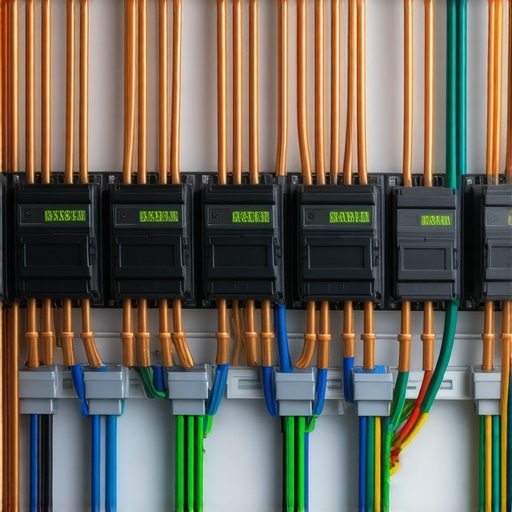
Don’t Ignore the Torque Wrench
Most DIYers—and even some pros who are in a rush—tighten lugs until they feel tight. In the world of EV charging, that is a death sentence for your equipment. I once found a lug that had worked itself loose over a year of daily charging cycles because it was not torqued to the manufacturer’s specification. The resulting arcing had started to pit the bus bar and melt the breaker housing. You have to follow the specific torque settings that prevent panel fires during high load charging. It is not a suggestion; it is a requirement for a system that is going to run at high capacity for eight hours straight every single night. Using a calibrated torque wrench ensures the connection is tight enough to prevent resistance but not so tight that it crushes the wire strands.
Keep the Inspector Happy on the First Visit
Getting your work signed off is not just about red tape; it is about making sure you didn’t miss something that could burn your house down. Before you close up the drywall or call it a day, you need to know how to verify code compliance for your ev charger installation. This includes things like proper labeling and ensuring the sub-panel has sufficient clearance. I have seen beautiful installs fail because the charger was too close to a water source or mounted at the wrong height. Spend the time ensuring code compliance when installing ev chargers so you don’t have to explain to your insurance company why you performed unpermitted electrical work after a mishap.I used to think that the smartest charger was the best charger. I wanted the graphs, the scheduling, and the remote start capabilities that promised to make my life easier. But here is the hard truth I learned after hours of troubleshooting: why your smart charger is actually slower than a basic plug-in model often comes down to firmware overhead and connectivity handshake delays. Sometimes, the most ‘advanced’ setup is just another point of failure. If your Wi-Fi signal drops in the garage, does your car still charge? For many high-end units, the answer is a frustrating ‘no’ as they get stuck in a waiting state, trying to check in with a server that isn’t responding.
Stop Obsessing Over Smart Features
One of the biggest ‘traps’ I see DIYers and even some contractors fall into is the GFCI conflict. Most people assume that adding more layers of protection is always a net positive. However, when you install a modern EV charger on a circuit that already has a GFCI breaker in the panel, you create a redundant feedback loop. This is precisely why the GFCI in your panel keeps nuisance tripping your charger. The charger’s internal self-test mechanism leaks a microscopic amount of current to the ground to ensure its safety circuit is functioning; a sensitive GFCI breaker sees this as a fault and cuts the power immediately. You’re left with a dead battery in the morning and no clear explanation for the failure. 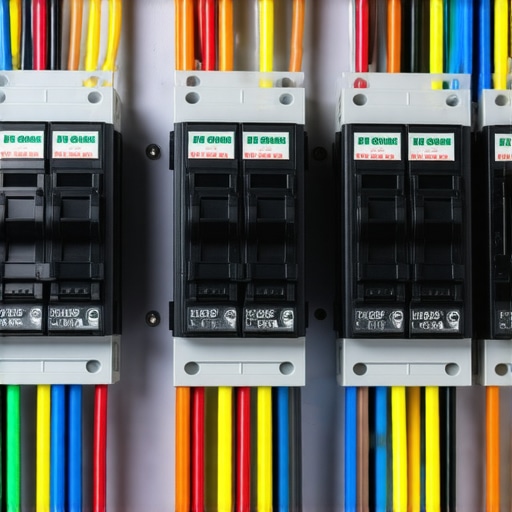 According to the National Electrical Code (NEC) 2023 Section 625.54, while safety is paramount, the interaction between Class A GFCI protection and EVSE internal monitoring is a known headache. Experienced installers now prioritize hardwiring chargers to bypass the need for a secondary GFCI breaker at the panel, which is how to verify code compliance for your ev charger installation while maintaining long-term reliability. Hardwiring eliminates the plug-and-receptacle connection entirely, removing the most common point of heat-related failure.
Does Your 100-Amp Service Actually Have Any Room Left?
Many older homes run on a 100-amp service, and homeowners assume they can just ‘squeeze’ a second EV in if they use lower settings. But if you have an electric range, a dryer, and a central AC unit, why a 100-amp service isnt always enough for two evs becomes painfully clear during a summer heatwave. You might find the real reason your circuit breaker trips at 90 percent charge is simply that the continuous load—which is calculated at 125% of the actual draw for code purposes—is exceeding the 80% safety margin allowed for your main breaker. When that breaker gets hot, its internal components expand and weaken, leading to a permanent failure that could leave your whole house dark. Have you ever fallen into this trap where your ‘smart’ tech actually made things harder or your breakers started acting up? Let me know in the comments.If you think the job is done once the inspector leaves, you are setting yourself up for an expensive surprise. I now keep a digital infrared thermometer in my garage drawer, and every three months, I scan the breakers while both cars are pulling full power. According to the National Electrical Manufacturers Association (NEMA), the lifespan of residential circuit breakers can be significantly shortened by consistent high-heat cycles. If I see a 15-degree jump between my charging breakers and the rest of the panel, I know a connection is starting to vibrate loose. This isn’t just about upgrading your panel for better EV charging performance; it is about ensuring that the massive investment you just made does not degrade into a fire hazard over the next five years.
Grab an Infrared Thermometer and Play Detective
I cannot stress this enough: heat is your enemy. By using a thermal leak detector or IR gun, you can spot high resistance before it turns into a puddle of plastic. This simple check is often the forgotten inspection step that voids your charger warranty if left ignored until a total failure occurs. I have personally caught a loose neutral wire this way that would have eventually fried my car’s onboard inverter.
How do I maintain my EV charging infrastructure for the long haul?
Maintenance is not just about the wires; it is about the physical environment. For those with external setups, you need to follow 3 maintenance tasks that keep your outdoor charger running through winter, which includes checking the gasket seals and ensuring no ice is expanding inside the handle holster. In the garage, I make it a habit to ‘cycle’ the breakers once a year—turning them off and on—to prevent the internal mechanisms from seizing up. You should also periodically check for software updates. Even if you hate the ‘smart’ features, you still need to know how to update the firmware on your smart charging station to patch safety bugs that can cause internal relays to stick in the closed position. 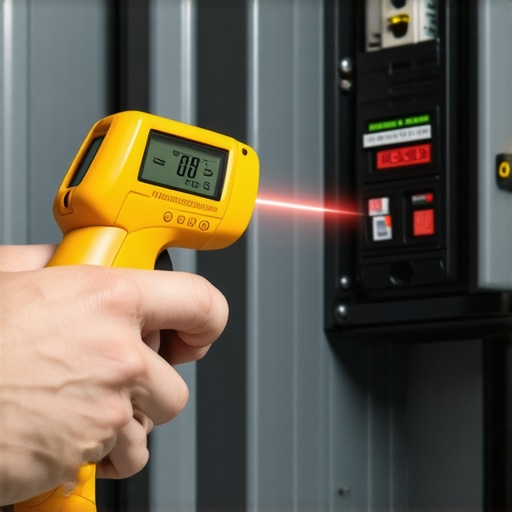
Why Your Torque Wrench Matters More Than Your Charger Brand
I have seen $800 chargers fail because of a $0.50 connection error. If you are doing your own work or overseeing a pro, ensure those lugs are hit with a calibrated torque wrench. It sounds like overkill until you realize that EV charging is a ‘continuous load,’ meaning it runs at peak capacity for hours. Most standard household outlets and breakers were never designed for this level of abuse. If you are struggling with intermittent power, look into ev-charger-troubleshooting-expert-tips-for-common-issues to see if physical vibration is the culprit. I predict that within the next five years, bidirectional charging (V2H) will become the standard, turning our cars into the home’s primary battery backup. When that happens, your panel will be working 24/7, making these torque settings and thermal checks even more critical for your home’s survival. My challenge for you: go to your garage tonight while the car is charging and put your hand on the wall near the breaker. If it feels like a warm cup of coffee, you need to schedule a thermal scan immediately.
Lessons I Paid for in Burned Insulation
Looking back at that night my panel nearly caught fire, I realize that electrical safety isn’t a checklist—it’s a mindset. The biggest lightbulb moment for me was realizing that your home’s electrical system experiences ‘fatigue’ just like a marathon runner. When you are pushing 40 or 50 amps for eight hours straight, every single microscopic gap in a wire connection becomes a potential heater. I learned that you should never settle for ‘good enough’ when choosing materials; for instance, understanding the difference between copper and aluminum for ev wiring is the difference between a system that lasts thirty years and one that fails in three.
Another hard truth: your local inspector is your greatest ally, not your enemy. I used to dread the permit process until an inspector pointed out a grounding error that would have eventually fried my car’s expensive internal inverter. Taking the time to how to verify code compliance for your ev charger installation is essentially getting a professional safety audit for free. Finally, always over-spec your sub-panel. If you think you need 60 amps, install 100. The cost of the larger box is negligible compared to the cost of ripping out drywall a second time when you inevitably buy that electric truck.
Gear That Keeps My Service Panel Cool
I don’t trust my sense of smell alone anymore. Here are the three items I consider mandatory for any multi-EV household. First, a high-quality torque wrench. You cannot guess the tension on those lugs; you must follow the specific torque settings that prevent panel fires during high load charging to ensure a vibration-proof connection. Second, I highly recommend a basic infrared thermal gun. Once a month, I scan my breakers while charging. It’s the only way to see ‘invisible’ heat before it becomes a fire.
Lastly, keep a physical copy of your panel’s load calculation. Before adding any new appliance, you need to know how to load test your house before adding a second charger. I keep my calculation sheet taped to the inside of the panel door so any future electrician knows exactly how much ‘room’ is left on the bus bars without having to start from scratch. These tools move you from being a reactive homeowner to a proactive manager of your own micro-grid.
Stop Worrying and Start Charging
It’s easy to get buried in the technical jargon of wire gauges and ampacity, but the goal is simple: freedom. When your garage is set up correctly, you stop thinking about the wires and start enjoying the convenience of a full ‘tank’ every single morning. By upgrading your panel for better ev charging performance, you aren’t just powering a car; you’re future-proofing your home’s value and ensuring your family’s safety. Take the leap, do the math, and tighten those lugs. You’ve got this.
Have you ever noticed your breakers feeling warm to the touch after a long charging session? Let me know your experiences in the comments below.