I still remember the smell—that acrid, chemical stench of burning plastic wafting through my garage at 2 AM. I had just bought what I thought was a high-quality bargain cable from a third-party seller. I felt like a genius for saving eighty bucks. Then I touched the handle. It wasn’t just warm; it was soft. The plastic was literally beginning to deform under the heat. That night was a wake-up call that changed how I look at my EV setup forever. We often spend tens of thousands on the car but try to save a few pennies on the very thing that feeds it. It is a dangerous game. Today, I am going to show you exactly how to sniff out these dangerous knockoffs before they turn your garage into a crime scene. Have you ever noticed your charging handle getting suspiciously hot to the touch? Drop a comment below, because you might be closer to a disaster than you think.
The Night My Bargain Cable Almost Burned My House Down
When I first started driving electric, I made the classic rookie mistake: I assumed a cable was just a cable. I mean, it is just copper and plastic, right? Wrong. I once bought a generic adapter thinking I had outsmarted the big brands, but I quickly realized I did not know how to spot a counterfeit j1772 adapter until I saw the scorched pins. The truth is, these knockoffs skip the expensive safety testing and use sub-par materials that simply cannot handle the continuous load of a Level 2 charge. According to reports from the Electrical Safety Foundation (ESFI), counterfeit electrical goods are a leading cause of the 51,000 home electrical fires reported annually in the United States. These are not just off-brand items; they are often complete fabrications that lack any real overcurrent protection. If you have ever wondered why your ev charger smells like burnt plastic, it is usually because the internal wire gauge is too thin for the amperage being pulled.
Is saving fifty bucks actually worth the risk?
You might be thinking that you have used yours for a month and it is fine. That is the scary part—knockoffs do not always fail on day one. They fail after a hundred heat cycles when the internal insulation finally gives up. I have seen cases where a cheap cord caused the same symptoms as why your breaker gets hot to the touch during charging, leading to a complete meltdown of the outlet. Unlike quality cables that remain flexible, you will often find these cheap ones are incredibly rigid, similar to the issues people have when your charging cable is stiff in the winter, except these stay stiff because of the low-grade PVC used in the jacket. We are going to dive into the weight, the markings, and the magnet test that can save your home.
Why You Should Always Weigh Your Charging Cable
The first thing you will notice about a legitimate, high-quality cable is that it feels heavy. This is not just extra bulk; it is the physical presence of pure copper. Many knockoffs use copper-clad aluminum (CCA) which is significantly lighter and has much higher resistance. If the box feels like it is filled with air, be suspicious. To handle a continuous 40-amp load safely, you generally need the exact wire gauge you need for a 50 amp ev circuit, which is typically 6 AWG. I once helped a neighbor troubleshoot a charger that kept cutting out, only to find the cable was about 30% lighter than mine despite having the same ‘specs’ printed on the jacket. When we cut it open, the strands were thin and brittle, barely capable of supporting a hair dryer, let alone a Tesla.
Spotting a Fake UL Logo Before You Plug In
Certification marks like UL, ETL, or CSA are your first line of defense, but counterfeiters have become experts at faking these stickers. A genuine UL mark is not just a sticker; it is often molded directly into the plastic or printed with high-quality, indelible ink. If the logo looks blurry, is peeling off, or the ‘UL’ letters are slightly off-center, you are likely holding a fire hazard. Real manufacturers pay thousands for ensuring code compliance when installing ev chargers, while knockoff factories just print a label. You can actually verify a UL file number on their online directory; if the number doesn’t match the company name on the box, put the cable back. 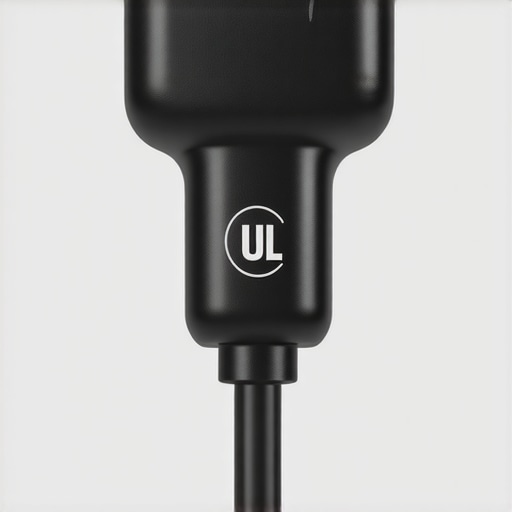
The Magnet Trick That Exposes Cheap Metals
Here is a trick I learned the hard way after a cheap adapter fused to my car’s charging port. Grab a strong magnet and touch it to the pins inside the connector. High-quality pins are made of silver-plated copper or brass, which are non-ferrous. If that magnet sticks, the manufacturer used steel or nickel-plated iron. Steel has terrible conductivity compared to copper, meaning it will generate massive amounts of heat as electricity struggles to pass through it. This is a primary reason how to spot a counterfeit j1772 adapter before it melts your expensive charging port. I’ve seen ‘copper’ pins that were actually just painted steel; they look great in the photos but will reach 200 degrees in minutes.
Why Your Breaker Might Be Your Early Warning System
Sometimes the cable looks fine, but the heat is radiating back into your electrical panel. If you notice why your breaker gets hot to the touch during charging, it might be because the cheap cable is creating a bottleneck. This extra resistance puts a strain on the entire circuit. Be especially careful if you are using the specific breaker brands that are known to overheat with evs, as they are less forgiving of the heat spikes caused by sub-par equipment. When I install a new setup, I always run a 30-minute test charge and then check the temperature of every connection point with an infrared thermometer. It is the only way to how to verify code compliance for your ev charger installation and ensure you are not creating a slow-motion disaster. If the temperature at the breaker is rising more than 30 degrees above ambient, you have a connection or equipment issue that needs immediate attention.
Moving beyond the physical cable, let’s talk about the infrastructure hidden behind your drywall. Most homeowners look at their breaker panel and think if there is an empty slot, they are good to go. This is a dangerous oversimplification. I have seen countless DIY installs fail because the owner didn’t understand why your ev permit application requires a load calculation worksheet. Everyone tells you that a panel upgrade is the only way to get more power, but in my experience, that is often a multi-thousand-dollar mistake. You can often avoid a massive service overhaul by looking into how to use load shedding devices to avoid a full service upgrade. These devices act as a digital traffic cop, pausing your car’s charge if the dryer and oven kick on at the same time, keeping your home within its safe limits without digging up your yard for new utility lines.
The One Loose Screw That Fries Your Motherboard
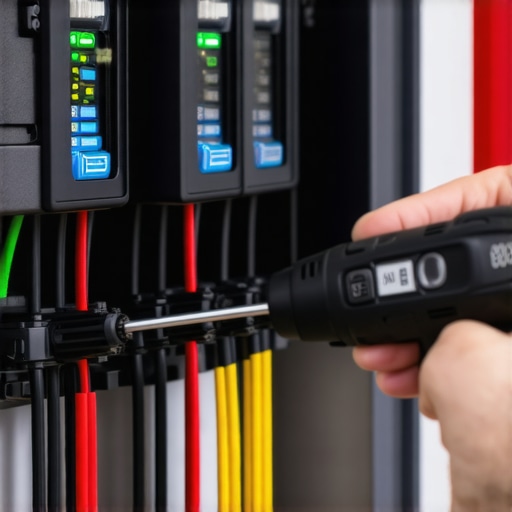
Here is the ‘oops’ factor that most people miss until they smell smoke: torque settings. When you are wiring a high-amperage circuit, you cannot just tighten the screw until it feels ‘snug.’ Electrical terminals expand and contract with heat. If they are not tightened to the exact inch-pounds specified by the manufacturer, they will eventually wiggle loose, creating a high-resistance point that melts the terminal block. I have had to tell many heartbroken owners that they need a new $600 unit simply because of why your charger needs a specific torque setting to pass inspection. Professional installers use calibrated torque screwdrivers for this exact reason. Have you ever fallen into this trap of ‘good enough’ tightening? Let me know in the comments, because it is a more common hardware killer than lightning strikes.
Can I skip a panel upgrade using a load shedder?
This is the question I get from savvy homeowners who want to save money. The short answer is yes, but the nuance is in the ‘how.’ Modern electrical codes, specifically the National Electrical Code (NEC) Section 220.87, allow for these energy management systems to prevent overloading an existing service. This is a cornerstone of troubleshooting ev chargers common compliance pitfalls and fixes. Instead of upgrading your panel for better ev charging performance, you are simply managing the demand better. However, the ‘trap’ here is assuming every charger is compatible with every load shedder. If the communication between the two fails, you could still trip your main breaker in the middle of the night. Always ensure you know how to verify code compliance for your ev charger installation before you rely on automated hardware to protect your home’s main service. A study by the National Fire Protection Association (NFPA) highlights that continuous loads like EVs require a 125% safety margin, a nuance that makes precise load management non-negotiable for safety.
Once the inspector leaves and the permit is signed, most people think the job is done. But an EV charger isn’t a toaster; it is a high-performance electrical appliance that works harder than almost anything else in your home. To keep things running smoothly, I’ve curated a small ‘EV survival kit’ that I use for my own monthly checks. The MVP of this kit is a handheld infrared thermometer. I use it to scan the outlet and the breaker every few months while the car is charging. If I see a temperature spike that wasn’t there before, I know I need to check why your main lugs might be loose after a year of charging. This simple 30-second scan has saved me from at least one melted outlet when I caught a loosening terminal before it could arc. Beyond the heat checks, I always recommend keeping the essential spare parts to keep for your home charging unit in a drawer nearby—specifically a spare holster and maybe a set of high-quality terminal cleaners. According to the NFPA 70B Standard for Electrical Equipment Maintenance, regular thermographic inspections and cleaning of contact surfaces are critical for preventing long-term degradation in high-current systems. If you ignore the physical upkeep, you’ll eventually find yourself searching for ev charger troubleshooting expert tips for common issues when the car suddenly refuses to start a session on a cold Monday morning.
How do I keep my home charger running like new?
Maintenance is mostly about vigilance. Every six months, I physically unplug my mobile connector (if it’s not hardwired) to inspect the blades for any sign of discoloration or ‘pitting.’ If the metal looks dark or rainbow-colored, that’s a sign of micro-arcing. I also make it a point to how to update the firmware on your smart charging station via the app. Manufacturers often release patches that optimize how the unit handles heat or improves communication with newer car models. If your unit starts acting up, like why your ev charger is making a clicking sound but not charging, a software reset or update is often the first and easiest fix. Don’t forget to wipe down the charging handle pins with a dry, lint-free cloth; dust and spiderwebs are surprisingly effective insulators that can cause the handle to overheat. 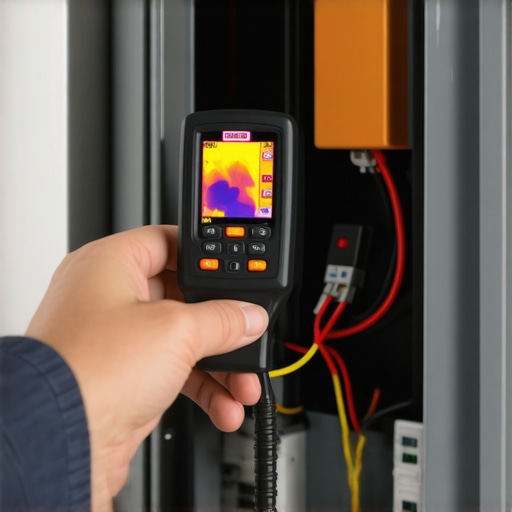
The Future of Home Charging is Two-Way
As we look toward the next few years, the biggest shift won’t be faster charging, but smarter discharging. Bidirectional charging (V2G) is about to turn our cars into giant home batteries. This means your setup will need to be even more robust because current will be flowing in both directions for hours at a time. This is why how to verify code compliance for your ev charger installation is so vital today—a system that is ‘barely’ passing now will likely fail under the stress of bidirectional use. We are moving toward a world where your car powers your house during a blackout, which makes why your charger needs a specific torque setting to pass inspection more than just a bureaucratic hurdle; it’s the foundation of your home’s energy independence. Remember, your why your ev battery health depends on your home charger settings just as much as the hardware itself. My best advice? Buy an inexpensive infrared thermometer today and scan your panel tonight. It’s the single most effective way to see trouble before you smell it.
The Hard Truth About My Biggest EV Mistakes
After years of tinkering with EV setups, I have realized that safety is not a one-and-done event; it is a habit. First, never trust a bargain that feels too light; if you are not seeing the density of real copper, you are likely looking at a fire hazard in the making. Second, your eyes can deceive you, but a thermal scan won’t. I have caught more issues with a twenty-dollar heat gun than I ever did with a visual inspection. Third, I learned that troubleshooting ev chargers common compliance pitfalls and fixes usually starts at the electrical panel, not the car. Finally, do not wait for a smell to tell you something is wrong—regularly check your connections to ensure they stay tight and cool.
Build Your Own EV Maintenance Kit
You do not need a van full of tools to keep your system safe, but these few items are non-negotiable for me. I always keep an infrared thermometer handy to spot temperature spikes before they melt plastic. I also highly recommend investing in a calibrated torque screwdriver; it is the only way to ensure you are meeting the exact specs needed for high-amperage terminals. Lastly, I keep a digital copy of the latest NEC guidelines and bookmark ev charger troubleshooting expert tips for common issues for when things get complicated. These simple resources turn a reactive homeowner into a proactive one.
Your Path to a Worry-Free Charge
Transitioning to an electric vehicle is one of the most exciting shifts you will make, and it should bring peace of mind, not anxiety. By taking the time to how to verify code compliance for your ev charger installation and keeping the essential spare parts to keep for your home charging unit on hand, you are protecting your investment and your family. The future of home energy is bright, provided we build it on a foundation of quality and care. Have you ever checked the temperature of your charging handle after a long session? Let me know what you found in the comments below!