I remember walking out to my driveway at 6:30 AM, coffee in hand, ready for my morning commute. I checked my phone app and my heart sank. My car hadn’t charged a single mile. Then I noticed it: a muddy extension cord trailing from my neighbor’s yard, plugged straight into the NEMA 14-50 outlet I’d spent $800 installing. I wasn’t just annoyed; I was paying for someone else’s morning drive. It was a visceral reminder that while the EV community is great, not everyone respects your property. If you have a charger mounted on the side of your house or a pedestal, you aren’t just offering a place to park; you’re essentially leaving a free gas pump unlocked in your front yard. Today, I’m going to show you exactly how to secure your outdoor charger from energy theft so you never have to deal with that 6 AM surprise.
Keep Your Energy in Your Own Tank
When I first set up my home station, I was so focused on ensuring code compliance when installing ev chargers that I completely ignored physical security. I figured my neighborhood was quiet enough. Big mistake. According to the U.S. Energy Information Administration, residential electricity prices have been climbing steadily, making your outdoor outlet a tempting target for ‘energy poaching.’ Securing your setup isn’t just about being stingy; it’s about safety. An unauthorized user might use a damaged cable or pull more load than your circuit is designed for, leading to heat issues. I learned the hard way that a simple plastic flip-cover offers zero protection against a determined neighbor or a passerby with a thirst for free juice. You need a multi-layered approach that includes physical locks, smart software, and even the best breaker lockouts for your home charging circuit to truly sleep soundly at night.
Is power theft actually a real threat for homeowners?
You might think I’m being a bit paranoid, but as more people switch to EVs without installing home chargers, ‘opportunity charging’ is becoming a real headache in suburban areas. My early mistake was assuming my charger’s ‘smart’ features would automatically block users, but many units default to ‘plug and charge’ unless you manually toggle a lock in the app. Have you ever noticed a suspicious spike in your utility bill or seen a strange car lingering near your driveway at odd hours? If so, you’re likely already a target. We need to move past the ‘honor system’ and start treating our outdoor electrical infrastructure like the valuable asset it is. By the end of this guide, you’ll have a fortress-level setup that keeps your kilowatt-hours exactly where they belong: in your own battery.
Stop the Bleed With Smart Software
The first thing I did after the ‘neighbor incident’ was dive into my charger’s settings. Most modern units aren’t just dumb plugs; they are connected computers. I realized that how to use an app to schedule charging and save on your bill isn’t just about utility rates—it’s your digital deadbolt. By setting my ‘authorized charging hours’ to only run between midnight and 6 AM, I effectively turned the unit into a brick during the day when passersby might be tempted. If someone tried to plug in at 2 PM, the unit would simply stay dormant, ignoring the handshake request from the car. Some high-end models even allow for RFID card access, meaning the juice only flows when you tap your specific keycard, much like a secure office building. If your app is acting up or providing inconsistent lock states, you might need to investigate why your smart charger app is giving you wrong data before you trust it with your security.
Put Your Charger Behind Real Bars
Digital locks are great, but a determined thief can still mess with your hardware. This is where physical enclosures come into play. Think of your charger like a garden hose; if it’s just sitting on the reel, anyone can use it. If it’s in a locked cabinet, it doesn’t exist to the public. I once tried a DIY approach with a plastic toolbox I cut a hole in. It looked ridiculous and, frankly, was a fire hazard because it trapped heat. My electrician nearly had a heart attack when he saw it. That’s when I learned that the rules for mounting an ev charger on a wooden post are there for a reason, including how you manage airflow in enclosures. I eventually swapped it for a ventilated steel box, which felt like trading a screen door for a bank vault door. 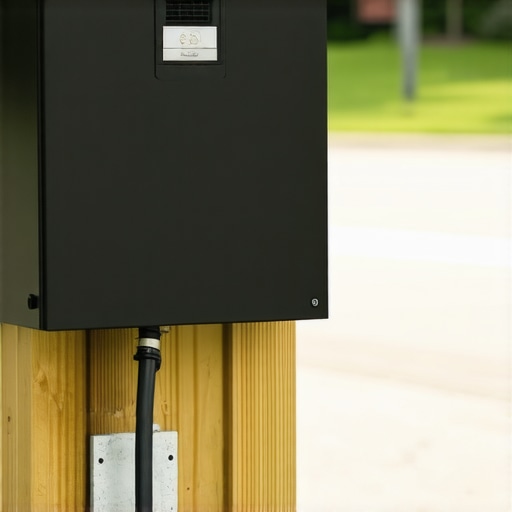
Choose Hardware That Resists Tampering
If you aren’t using a hardwired unit and rely on a plug-in model, your NEMA 14-50 outlet is the weakest link. Anyone can unplug your charger and plug in their own mobile connector. To prevent this, you need a lockable ‘in-use’ cover. These are deep metal boxes that allow the cord to exit through a bottom slot while the main plug remains under lock and key. When selecting one, ensure you how to pick a nema 14-50 outlet that wont melt under pressure, because adding an enclosure can slightly increase the ambient temperature around the connection. You also need to keep up with 3 maintenance tasks that keep your outdoor charger running through winter, such as checking for ice buildup in the lock mechanism, which can leave you stranded in your own driveway.
Kill the Circuit When You Aren’t Home
For those who want absolute certainty, the most effective method is ‘air-gapping’ the power. If the breaker is off, there is zero chance of theft. However, flipping a standard breaker every day will eventually wear it out—they aren’t designed to be light switches. Instead, I recommend using the best breaker lockouts for your home charging circuit or installing a heavy-duty disconnect switch between the panel and the charger. If your current electrical setup is already straining, you might want to look into panel upgrades for ev chargers what you need to know to ensure your security additions don’t create new points of failure. By controlling the power at the source, you remove the temptation entirely.While hardware locks and apps provide peace of mind, the real headaches start when you deal with the inspector. I’ve noticed a major trend: homeowners being told they need a $5,000 service upgrade the moment they mention an EV. Let me be the contrarian here: you probably don’t need it. I’ve seen countless people waste money when they could have simply learned how to add an ev charger without a 200 amp panel upgrade by using smart load management. According to the National Fire Protection Association (NFPA), the 2023 NEC updates explicitly allow for these automated load-management systems to prevent overloading, yet many ‘old school’ electricians still insist on a full panel swap.
Stop Wasting Money on Unnecessary Service Upgrades
The mistake is relying on the ‘all-at-once’ theory. Your house never actually uses 100% of its capacity simultaneously. This is why your ev permit application requires a load calculation worksheet—to prove that your actual usage is safe. If you ignore this and just ‘piggyback’ a new circuit, you risk a thermal event at the busbar. Instead, look into how to use load shedding devices to avoid a full service upgrade. These devices are the secret weapon for 100-amp or 125-amp homes, effectively ‘pausing’ the car when the electric oven or dryer kicks in. 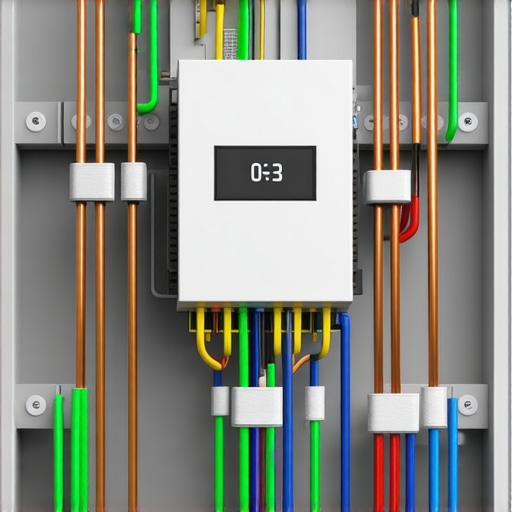
The GFCI Mistake That Voids Your Insurance
Here is a nuance that trips up even the pros: nuisance tripping. Most modern Level 2 chargers have integrated GFCI protection. If you install a GFCI breaker in your panel—as required for many outdoor outlets by recent code—you create a ‘race condition’ where the two sensors fight each other. I’ve seen DIYers get frustrated and replace the GFCI breaker with a standard one to stop the tripping. Don’t do that. It’s a code violation that could give your insurance company a reason to deny a claim. You need to dive into troubleshooting ev chargers common compliance pitfalls and fixes to handle this correctly, which often involves hardwiring the unit to bypass the ‘outlet’ requirement for GFCI breakers.
Why do inspectors care about your load calculation worksheet?
The worksheet isn’t just a hurdle; it’s a mathematical guarantee that your home won’t become a statistic. It accounts for everything from your square footage to your large appliances. If your math is off, you might face ev charger troubleshooting expert tips for common issues like mysterious breaker trips that happen only when the car is at a 90% state of charge. Have you ever fallen into this trap or been told an upgrade was mandatory when it wasn’t? Let me know in the comments.After you’ve cleared the inspection hurdle, the real work begins: keeping that system healthy. I’ve seen beautiful installs turn into melted piles of plastic because the owner ignored a simple $20 tool. I always keep an infrared thermometer in my garage. Why? Because learning why your breaker gets hot to the touch during charging is often the first sign of a loose terminal. If I see a breaker hitting 140°F, I know I have a problem before the smell of burnt ozone ever hits. I also swear by keeping the essential spare parts to keep for your home charging unit in a dedicated bin—specifically extra fuses or a spare J1772 holster if you use a holster-style mount.
How do I keep my charging setup running for a decade?
Maintenance isn’t just for your car’s tires; it’s for the wires too. Once a year, I shut off the main power and use a torque wrench to verify the lugs in my panel. The International Association of Electrical Inspectors (IAEI) notes that ‘thermal cycling’—the constant heating and cooling of wires during high-draw sessions—can actually cause screws to back out over time. If they get loose, resistance goes up, and your charging efficiency goes down. You also need to stay on top of 3 maintenance tasks that keep your outdoor charger running through winter, like checking the weather sealing on your conduit. Even the best outdoor units can suffer if spiders or moisture decide your charging port is a great place to settle in. 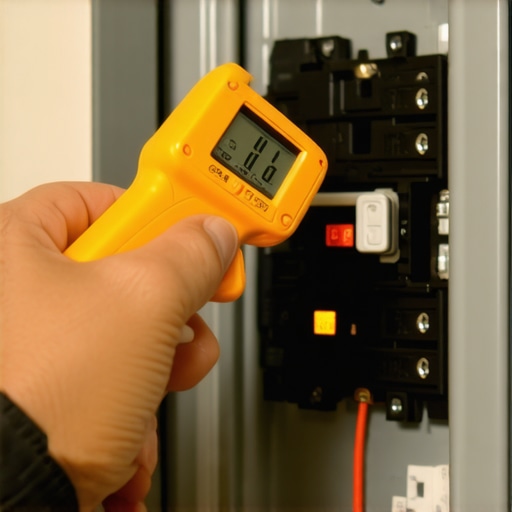
Your Hardware Needs Software Love Too
We live in the era of ‘software-defined electricity.’ I used to think a charger was a ‘set it and forget it’ device, but now I check for updates every few months. Learning how to update the firmware on your smart charging station can fix communication bugs that cause your car to wake up at 3 AM for no reason. If you ignore these, you might find yourself hunting for ev charger troubleshooting expert tips for common issues that were patched by the manufacturer months ago.
The Grid is Moving Into Your Garage
Looking ahead, the next big shift isn’t just more power—it’s smarter power. We are moving toward a world where your car isn’t just a consumer but a provider. Bidirectional charging is going to turn your garage into a mini-power plant, which is why upgrading your panel for better ev charging performance now is a smart play for the future. You’ll want a system that is ready for V2H (Vehicle-to-Home) tech so you can run your fridge off your car battery during a blackout. To stay ahead of the curve, make sure you know how to verify code compliance for your ev charger installation today, so you don’t have to rip it all out when the new standards arrive in 2026. My challenge to you: Go buy a cheap non-contact infrared thermometer and scan your breaker while the car has been charging for an hour. If one breaker is significantly hotter than the others, call a pro immediately.
Lessons I Learned the Hard Way About High-Voltage Safety
My journey from a victim of energy theft to a secured homeowner taught me a few things that aren’t in the manual:
- Tech isn’t a silver bullet: Even the smartest app can’t stop a physical thief if your NEMA outlet isn’t behind a lockable cover.
- Listen to your nose: If you ever smell something sweet or like fish, you need to identify the reason your ev charger smells like burnt plastic before a fire starts.
- Hire for the niche: Always prioritize how to find an electrician who actually understands ev codes rather than just going with the cheapest general contractor.
The Only Gear I Trust for My Garage
Staying on top of your system doesn’t require an engineering degree, just the right toolkit. I personally keep a non-contact infrared thermometer hanging right next to my panel to check for hot spots during long charging sessions. I also maintain a small bin of the essential spare parts to keep for your home charging unit, which has saved me from being stranded more than once. If you are ever unsure about a new addition, learning how to verify code compliance for your ev charger installation is the ultimate resource for peace of mind.
The Future of Your Smart Home Starts at the Panel
Securing your charger is about more than just stopping a neighbor from stealing a few cents of power; it’s about claiming ownership over your home’s electrical destiny. As we move toward smarter grids and bidirectional power, your garage becomes the heart of your home’s energy ecosystem. Don’t let fear of the unknown stop you from making these upgrades. If you have any lingering doubts about your current setup, please contact us to ensure your code compliance is airtight. Have you ever caught a stranger poaching power from your driveway, or have you ever noticed your breaker getting alarmingly hot? Let me know your stories below!