I stood in my garage at 2 AM, flashlight in hand, staring at a dead wall connector while my neighbor’s sprinklers hissed mockingly in the background. My brand-new car was a five-thousand-pound paperweight. I’d paid a ‘licensed electrician’ a week prior, but he’d treated my Level 2 install like a simple dryer outlet. Big mistake. The breaker was scorching hot because he didn’t account for the ‘continuous load’ rules that modern EVs demand. That’s when it hit me: being a good electrician doesn’t mean you know the first thing about the evolving world of EV infrastructure.
Stop Hiring Generalists for High-Voltage EV Jobs
Most electricians are great people, but the National Electrical Code updates faster than many old-school pros update their toolkits. If your guy isn’t talking about Article 625 or 125% continuous load factors, he’s probably guessing. I learned this the hard way when I realized the common wire sizing error that causes voltage drops during charging. I thought I was saving money, but I was actually building a slow-motion fire hazard. My first mistake? I didn’t check the specific torque settings that prevent panel fires during high-load charging, and that loose connection nearly cost me my home. Today, I’m going to show you how to vet a pro so you can verify code compliance for your EV charger installation before you ever hand over a deposit. We will look at how to spot a pro who knows how to pass your electrical inspection on the first visit.
Is an EV Specialist Truly Worth the Premium?
You might be wondering if you really need to pay a specialist price for what looks like a simple circuit. The truth is, EV charging is the most taxing thing your home’s electrical system will ever do. One thunderstorm after my first budget install, I was looking at a fried car because my guy didn’t think why your ev charger needs a surge protector in the panel was an important conversation to have. According to the National Fire Protection Association, electrical failures remain a top cause of home fires, and adding a 48-amp load for eight hours straight isn’t something you leave to ‘good enough.’ Have you ever had a contractor tell you ‘it should be fine’ without actually opening a code book? Drop a comment or reach out; I’d love to hear your horror stories before we get into the heavy lifting of vetting your next pro. [image-placeholder]I learned the hard way that a panel looking empty doesn’t mean it has capacity. When I first added my charger, I didn’t realize why a 100-amp service isn’t always enough for two evs or even one high-output charger. You need a load calculation, not a guess. I once saw a guy try to add a 60-amp circuit to a 100-amp house that already had an electric range and AC. The main breaker started humming—a sound you never want to hear in your sleep. If your electrician isn’t using a calculator or software to prove your house can handle the extra 11.5kW, they are gambling with your safety. You might need to look into upgrading your panel for better ev charging performance before the first wire is pulled.
Verify Your Power Budget Before You Drill
The most common point of failure isn’t the charger itself; it’s the infrastructure feeding it. Before you even buy the hardware, you must determine if you have the physical and electrical room to grow. I spent hours debating my setup until I figured out how to load balance your home electrical system without a full panel swap. It saved me thousands in immediate utility upgrades and avoided a massive service overhaul.
Choose Hardwiring for Reliability and Heat Management
While plug-in models seem convenient, the benefit of a hardwired charger over a nema plug is massive when dealing with continuous loads. Plugs are a point of failure; they can melt under the stress of 48-amp draws over eight hours. Hardwiring eliminates the need for a GFCI breaker in the panel—which is notorious for nuisance trips—and creates a more robust connection. I remember my first NEMA 14-50 install; why your ev charger trips the gfci even when not in use became a daily Google search for me until I switched to a hardwired Tesla Wall Connector. 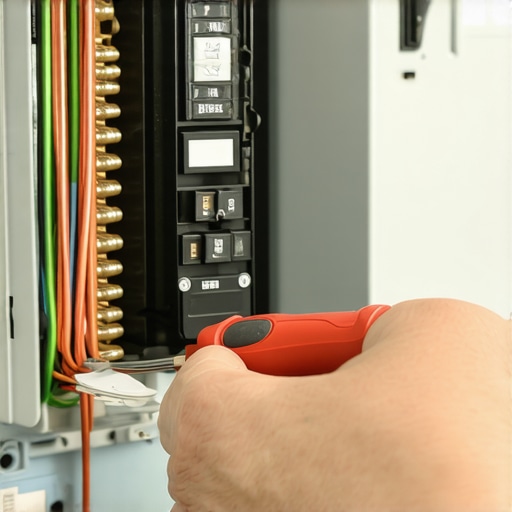
Demand Copper and Check the Torque Settings
If your contractor brings out aluminum wire to save fifty bucks, send them home. Knowing the difference between copper and aluminum for ev wiring is critical because aluminum expands and contracts more under the intense heat of an EV load. This leads to loose connections. Speaking of connections, the specific torque settings that prevent panel fires during high-load charging are non-negotiable. I actually bought my own torque screwdriver to double-check my pro’s work. I found two lugs that were barely hand-tight. Those loose wires would have eventually arced, potentially starting a fire in the middle of the night.
Get the Layout Right the First Time
Location is everything. Don’t just stick the charger where it’s easiest for the electrician to run the conduit. Think about how you park and where your port is located. I wasted money on a short cable and eventually had to learn how to find the best spot in your garage for a level 2 install. If you have a detached garage, the complexity triples. I’ve helped friends navigate how to install a level 2 charger in a detached garage without digging using existing subpanels, but you have to ensure that subpanel can handle the surge. If you run into issues after the install, don’t panic. Start with ev charger troubleshooting expert tips for common issues. Often, it’s just a communication error between the car and the unit. I once spent an hour thinking my charger was broken, only to realize I needed to learn how to update your charger software without calling a technician. Keeping the firmware current is as important as the physical wiring.We need to talk about the ‘upgrade everything’ myth that keeps contractors rich and homeowners broke. The industry default is to tell you that any home with 100-amp service requires a massive, multi-thousand-dollar overhaul before an EV can even be mentioned. In my experience, that’s often overkill. I’ve seen plenty of setups where people learned how to load balance your home electrical system without a full panel swap and saved enough to pay for their charging hardware twice over. It isn’t about the size of the pipe; it’s about how you manage the flow. However, you have to be honest about your usage. I once helped a guy who thought he was being clever, but he didn’t realize why a 100-amp service isn’t always enough for two evs when his family was also running a hot tub and an electric dryer simultaneously. 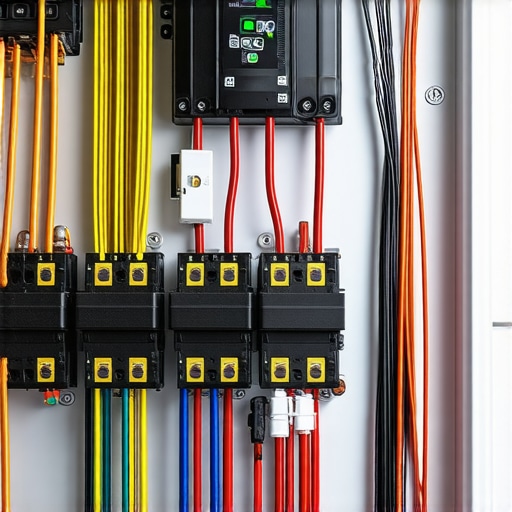
Can Your Breakers Handle the Heat of Continuous Load?
Most people don’t realize that a standard circuit breaker isn’t designed to run at its full rating indefinitely. According to the National Electrical Code (NEC) experts at NFPA, EV charging is classified as a ‘continuous load,’ meaning it draws maximum current for three hours or more. This generates significant thermal stress. If you use a cheap, off-brand breaker, you’ll quickly find the specific breaker brand that keeps tripping on level 2 chargers due to heat fatigue rather than an actual short circuit. This is the ‘oops’ factor that most DIYers miss: they buy the cheapest component available, not realizing that a 40-amp load for eight hours is worlds apart from a 40-amp surge from a vacuum cleaner. If your charger is cutting out, you might be dealing with why your ev charger is making a clicking sound but not charging, which is often a sign of internal relay failure or thermal protection kicking in.
Master the Art of the Load Calculation
Before you start pulling wires, you need to verify your ‘power budget.’ I cannot stress this enough: guessing leads to fires. I’ve witnessed homeowners try to how to add an ev charger to a home with a small 60-amp panel without a proper load calc, only to have the main bus bar melt. You need to look for 3 signs your main breaker is running dangerously hot during overnight charging before you assume everything is fine. Have you ever touched your panel during a charging session and felt a wave of heat? That’s your system screaming for help. Have you ever fallen into the trap of thinking a bigger breaker fixes a tripping problem? Let me know in the comments, because that’s a dangerous path to go down.
How Do You Avoid Common Compliance Pitfalls?
Navigating the inspector’s checklist is its own beast. You can have the most beautiful wiring in the world, but if you don’t understand troubleshooting ev chargers common compliance pitfalls and fixes, you’ll be ripping that drywall back open. For example, many fail to realize that the conduit depth rule that fails more garage inspections than anything else applies even for short runs. If you are struggling with a setup that just won’t pass, start with ev charger troubleshooting expert tips for common issues to ensure your hardware isn’t the problem. Sometimes, the car is the culprit; you might need to know how to troubleshoot a communication error between your car and charger before blaming the electrician. Professional-grade work isn’t just about making the light turn green; it’s about ensuring the system remains stable for the next decade.I’ve realized that the ‘finish line’ of an EV installation isn’t when the inspector signs the permit—it’s when you’ve successfully charged for a year without a single thermal event or nuisance trip. I’m a bit of a tool nerd, but for high-voltage work, you need more than a basic multimeter. I started using a thermal camera—nothing fancy, just the mobile attachment—to scan my panel while the car pulls its full 11.5kW. According to technical documentation from FLIR Systems, thermal imaging can detect loose connections and high-resistance points long before they arc or trip a breaker. If you see a bright purple glow around a specific lug, you’ve got a problem. This is exactly how I learned how to spot a dying breaker before it shuts down your charging session before the plastic actually started to smell.
How can I keep my EV charger running like new for years?
It isn’t just a ‘set it and forget it’ appliance. I make it a habit every six months to check the physical condition of the handle and the port. You’d be surprised how much grit, dust, and even spider webs can accumulate in there. I had to learn how to clean the pins on your charging handle safely after my car started giving me a vague ‘charging interrupted’ error every other night. If you’re charging outside, you also need to stay on top of 3 maintenance tasks that keep your outdoor charger running through winter, specifically checking the gasket seals on the unit housing. Moisture is the silent killer of these high-voltage circuit boards. 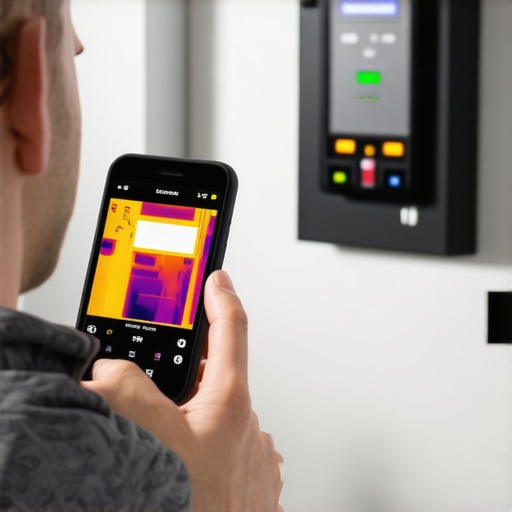
Don’t Ignore Your Software Updates
Most modern chargers are essentially specialized computers with high-voltage relays. When you see a firmware update notification in your app, don’t ignore it. I’ve solved several instances of troubleshooting ev charger connectivity problems just by rebooting my router and ensuring the charger’s Wi-Fi handshake was current. It’s much cheaper than calling an electrician for a ‘broken’ unit that just needed a software patch. Looking ahead, we are rapidly moving toward a multi-EV world where one plug simply won’t cut it. If you’re already performing a panel upgrade, you should be looking at panel upgrade strategies to meet ev charging code requirements in 2025. I tell everyone to look at how to upgrade your garage sub-panel for dual charging stations now, even if you only own one car today. It is significantly cheaper to run that second circuit while the walls are open than it is to start over in three years. My advanced tip for today? Grab a torque screwdriver and verify those breaker lugs yourself—don’t wait for a hum or a flicker to tell you something is loose.
The Hard Truth About My First High-Voltage Failure
My journey through the world of EV charging wasn’t paved with perfect installs; it was paved with learning what not to do. If there is one thing I want you to take away, it is that the cheapest path is often the most dangerous when it comes to high-load circuits. One major lightbulb moment for me was realizing that many ‘standard’ electrical fixes simply don’t apply to a machine pulling 48 amps for eight hours straight. I spent far too long ignoring the tiny details until I had to verify code compliance for your ev charger installation manually because I didn’t trust my first contractor. I also learned that you shouldn’t panic if you hear odd noises; if your unit is making a clicking sound but not charging, it is usually a relay or communication issue, not a house-burning emergency. Finally, always trust your senses. If you smell ozone or see 3 signs your main breaker is running dangerously hot during overnight charging, shut it down immediately.
Gear That Saved My Sanity and My Panel
You don’t need to be a professional electrician to own a few key tools that will give you peace of mind. First, a digital torque screwdriver is non-negotiable if you plan on checking your own lugs. Second, I highly recommend keeping a copy of the NEC Article 625 handy—it is the ‘bible’ for EV infrastructure. Third, use your smartphone’s camera to document the wiring before the drywall goes up. This makes future ev charger troubleshooting expert tips for common issues much easier to apply when you can actually see the wire paths. I also rely heavily on manufacturer apps; learning how to update your charger software without calling a technician has saved me at least three service calls in the last year alone.
Power Up Your Home With Total Confidence
Getting your home ready for the electric revolution is a massive milestone. It is about more than just convenience; it is about building a modern, resilient energy hub in your own garage. As you move forward, keep an eye on how the industry is changing. If you are planning for a second vehicle, start looking at panel upgrade strategies to meet ev charging code requirements in 2025 now so you don’t have to pay for labor twice. You have the knowledge now to vet a pro, check your own hardware, and ensure your family stays safe while you fuel up. Have you ever felt your main breaker after a long charging session and noticed it was hot to the touch? Let me know in the comments below!