I’ll never forget the smell of ozone and the sudden, eerie silence of my house last December. I had just finished installing my Level 2 charger and, in my excitement, I plugged it in while the Christmas dinner was in the oven and the heat pump was cranking. Click. The whole house went dark. It wasn’t just a tripped circuit; I’d blown the main breaker. My first thought was the one every homeowner dreads: “Great, there goes five grand on a new electrical panel.” But standing there with a flashlight in my mouth, I realized there had to be a smarter way to manage the juice we already have. [IMAGE_PLACEHOLDER]
Why You Probably Don’t Need a Brand New Panel
Most folks think that as soon as you add a heavy hitter like an EV charger, your old 100-amp or 125-amp service is toast. They assume a full panel swap is the only path to ensuring code compliance when installing EV chargers. But here’s a secret your local utility might not lead with: your home rarely uses its full capacity all at once. I made the mistake early on of thinking I could just “eye-ball” my usage. Spoiler alert: you can’t. You need a strategy to balance your household loads so your car and your kitchen aren’t fighting for survival.
Is this load shedding stuff actually safe?
I get it. Tinkering with the heart of your home feels risky. You might be wondering if your electrical panel can actually handle a level 2 charger without melting down. The truth is, smart load management is often safer than just cramming in another breaker and hoping for the best. According to the National Fire Protection Association (NFPA), nearly 50,000 home fires involve electrical failure or malfunction each year, and many of those stem from overloaded older systems. By using a load management device or “load shedder,” you’re essentially putting a traffic cop in your panel. It automatically pauses the car charger if the electric range kicks on. It’s elegant, it’s code-compliant, and it’s way cheaper than a copper-heavy upgrade. Have you ever had that heart-stopping moment where the lights dimmed the second you started a high-power appliance? The goal here is simple: we’re going to walk through how to use a 100-amp panel for EV charging without writing a massive check to an electrician for a full teardown. We’ll look at the math, the gadgets, and the simple habits that keep your main breaker cool and your car battery full.
Run the Math Before You Buy the Wire
To avoid the ‘Christmas blackout’ I experienced, you have to start with a real load calculation. This isn’t a guess; it’s a systematic tally of your home’s square footage, your major appliances, and any existing heavy loads. Most people skip this and end up with the one calculation homeowners forget that fails every ev permit. If you’re on a 100-amp service, you’re looking for a ‘spare’ 32 to 40 amps for a Level 2 charger. I learned the hard way that just because a breaker fits in the slot doesn’t mean the bus bar can handle the heat. You need to calculate if your 100 amp service can handle a daily commute by looking at your highest utility bills from the last year to see your actual peak demand.
Stop the Power Struggle with a Load Shedder
If the math says you’re over the limit, don’t panic. You don’t necessarily need a $5,000 service upgrade. This is where a ‘Load Management System’ or ‘Energy Management System’ (EMS) comes in. Think of it as a bouncer at a club. When the oven and the AC (the VIPs) are running, the bouncer tells the EV charger to wait outside. Once the oven turns off, the charger gets the green light. I once tried to bypass this by manually scheduling my car to charge at 2 AM. It worked for a week until we had a late-night laundry emergency, the dryer kicked in, and *pop*—back to the basement with a flashlight. Real hardware-based load management is one of the code compliance essentials for ev charger installations in 2025 because it removes the factor of human error. 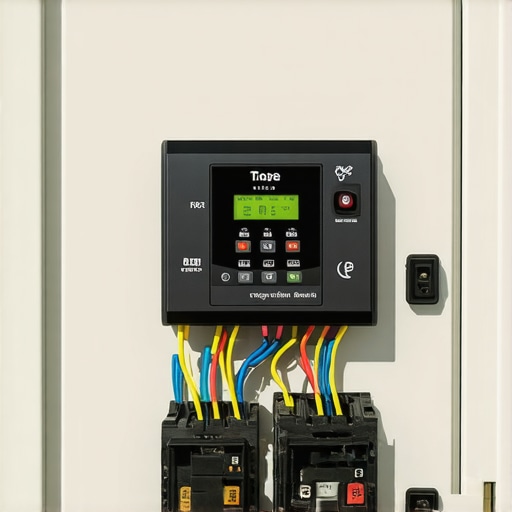
Why Hardwiring Beats the NEMA Plug
When you’re tight on capacity, every connection point matters. A lot of DIYers go for the NEMA 14-50 plug because it seems easier, but the benefit of a hardwired charger over a nema plug is massive for 100-amp panels. Hardwiring allows for a more sustained, high-amperage draw without the risk of a consumer-grade outlet melting under the pressure. I’ve seen cheap outlets literally char the drywall because they weren’t rated for eight hours of continuous heavy current. Plus, hardwiring often allows you to use a slightly higher amperage setting if your local code allows for it, as long as you’ve avoided the most common diy mistakes in home charger installations.
Pass Your Inspection Without the Headaches
The final hurdle is the inspector. They aren’t there to fail you; they’re there to make sure your house doesn’t burn down. If you’ve used a load management device, make sure you have the documentation ready. I spent three hours arguing with an inspector once because I hadn’t clearly labeled the ‘auto-shutoff’ logic on my panel directory. Learn from my frustration: label everything. Knowing how to pass your electrical inspection on the first visit saves you the $150 re-inspection fee and a lot of pride. If you run into issues during the setup, keep some ev charger troubleshooting expert tips handy, especially regarding the communication wires between your charger and the load management sensor.
People will tell you that a 200-amp service is the ‘gold standard’ for the modern electric home. I’ve seen contractors quote five figures for a full service swap before they even look at the actual demand history. Here’s the contrarian truth: for the vast majority of drivers, a 100-amp panel with a smart energy manager is not just ‘fine’—it’s actually more efficient. Research by Pecan Street Inc. has shown that the average home’s peak demand rarely exceeds 12-15 kW, even with multiple appliances running. That leaves plenty of room for a throttled Level 2 charger. If you’re constantly worrying about why your main breaker runs hot during level 2 charging, the solution is usually better logic, not more copper.
Can a ‘Smart’ Load Shedder Fail if the Internet Goes Down?
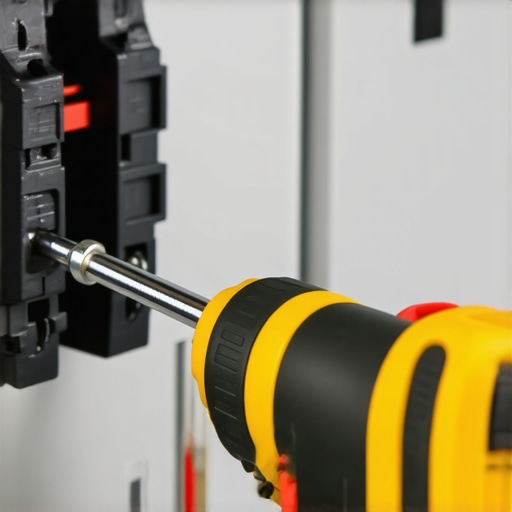
This is the number one concern for the tech-savvy crowd. They worry that a cloud-based glitch will cause the car to draw full power and trip the main breaker. The sophisticated answer is that code-compliant Energy Management Systems (EMS) are required to have a ‘fail-safe’ state. If communication is lost, the charger should automatically drop to its lowest possible amperage—usually 6A or 12A—or shut off entirely. This is one of the troubleshooting ev chargers common compliance pitfalls and fixes that people overlook. You aren’t just buying a gadget; you’re buying a safety protocol. However, don’t let the software distract you from the hardware. The ‘oops’ factor that kills most DIY projects isn’t the code—it’s the torque. The forgotten torque spec that fails half of all panel inspections is the leading cause of melted lugs. If those connections aren’t tightened with a calibrated torque screwdriver to the manufacturer’s exact inch-pounds, the heat expansion from an eight-hour charging session will eventually loosen the wire. Then you’re dealing with the tiny neutral wire mistake that shuts down new ev charging circuits. Have you ever fallen into this trap of over-engineering the panel while forgetting the basic mechanical connections? Let me know in the comments below.
Once the dust settles and the permits are signed, most homeowners assume the job is done forever. But a high-draw appliance like a Level 2 charger isn’t a ‘set it and forget it’ device, especially when you’re working on a tighter 100-amp margin. I’ve made it a habit to perform a ‘thermal audit’ every six months. Why? Because metal expands and contracts as it heats up during those long overnight sessions. If you want to stay ahead of the curve, you should keep some ev charger troubleshooting expert tips in your back pocket for those rare mornings when the car isn’t as full as you expected.
Keep Your Panel Cool With a Periodic Thermal Scan
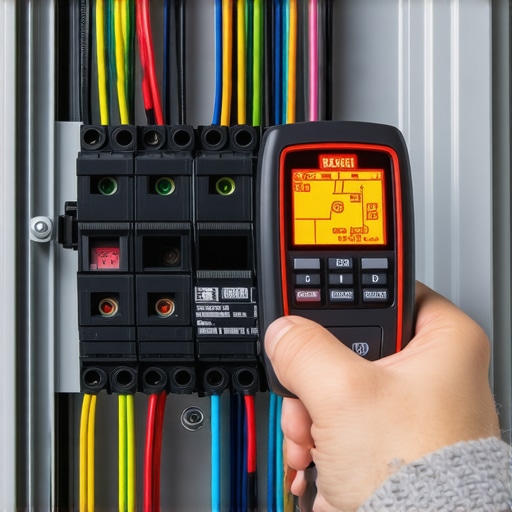
I personally use a compact thermal imaging camera—like the Fluke PTi120—to check my connections while the car is pulling its full 32 or 40 amps. You’d be surprised how quickly a slightly loose lug shows up as a bright purple and white ‘hot spot’ on the screen. This is the best way to spot a dangerous heat build-up in your ev charging cable or at the breaker itself before it smells like ozone. According to the National Electrical Code (NEC) Section 110.14(D), using a calibrated torque tool is actually a legal requirement for most modern terminals because specific pressure is the only way to prevent high-resistance heating. If you didn’t use one during the install, now is the time to go back and verify those specs.
Plan Ahead if You Want Two Electric Cars
The future is clearly multi-EV. If you’re already pushing the limits of your 100-amp service, adding a second car might feel impossible without a $5,000 utility upgrade. However, the next big trend is ‘load-sharing’ chargers. These are two units that talk to each other to ensure they never pull more than 40 or 50 amps combined. If only one car is plugged in, it gets the full juice; if two are plugged in, they split the difference. To prep for this, you might need to upgrade your garage sub-panel for dual charging stations now while you already have the walls open. It’s much cheaper to pull one large set of wires today than to run a second circuit three years from now.
How can you keep your home charging system healthy for years?
Maintenance isn’t just about the wires; it’s about the software too. These ‘smart’ chargers are essentially computers hanging on your wall. I’ve seen countless troubleshooting ev charger connectivity problems that were solved simply by a firmware update. Manufacturers frequently release patches that improve how the charger handles grid fluctuations or communication with the vehicle’s BMS. You can usually update your charger software without calling a technician via the manufacturer’s app. My advanced tip for today: go into your garage right now, plug in your car, and after thirty minutes of charging, safely feel the handle and the cable. It should be warm, but never ‘ouch’ hot. If it is, it’s time to check those pins for debris or oxidation.
What Only a Blown Main Breaker Can Teach You
Reflecting on my journey from that dark December night, I’ve realized that successful EV charger integration is less about brute force and more about finesse. First, I learned that a panel upgrade strategy doesn’t always mean ripping out your service; it often means adding intelligence to the circuits you already have. Second, your eyes won’t tell you if a wire is loose, but your thermal sensors will. I also discovered that how to verify code compliance for your ev charger installation is your best defense against insurance headaches. Most importantly, I found that small habits—like checking why your charging cable gets warm—can prevent major troubleshooting disasters down the road.
The Essential Toolkit for Maintaining Your 100-Amp System
I don’t guess when it comes to high-voltage equipment. I rely on the NEC handbook to keep my work within the lines of code compliance. For daily maintenance, I keep a calibrated torque screwdriver and a basic thermal imaging camera in my garage drawer. These aren’t just gadgets; they are the tools that ensure a panel upgrade remains a choice rather than an emergency. I also recommend keeping a digital bookmark for the 30-second trick to release a stuck ev charger handle because, trust me, it’s a lifesaver when you’re running late for work.
[IMAGE_PLACE_HOLDER_E]
Power Up Your Home With Confidence
Installing a charger on a limited service might feel daunting, but you are now armed with the math and the methods to do it right. By focusing on upgrading your panel for better ev charging performance through smart load management, you’re not just saving money—you’re making your home smarter. You’ve got this! Have you ever been told a full panel replacement was your only option for EV charging? Let me know your story in the comments below.