I’ll never forget the rainy Tuesday I stood in my garage, staring at the glowing blue ring on my hybrid’s charging port, wondering why on earth it was still at 40% after three hours of being plugged in. My neighbor, Dave, had pulled his Tesla into his driveway long after me, and his car was already humming happily at a full charge. We both had Level 2 chargers. We both had the same brand of wall box. Yet, here I was, feeling like I was trying to fill a swimming pool with a garden hose while he had a fire hydrant. It’s frustrating, right? You spend the money to go green, you invest in the home setup, and you’re still the one left waiting. I felt like I had been sold a bill of goods. It took me months of digging into electrical specs and car manuals to realize the problem wasn’t my wiring or my utility company. Today, I’m going to pull back the curtain on why your plug-in hybrid (PHEV) seems to be the ‘slow kid’ at the charging table and how you can actually maximize the speed you do have. [image_placeholder]
The Hidden Speed Limit Inside Your Charging Port
When I first started my journey into electrified driving, I thought the ‘charger’ was that box on my wall. I spent weeks researching the benefit of a hardwired charger over a nema plug, thinking that more amps automatically meant more speed. I was wrong. The real ‘charger’ is actually a component tucked away inside your car’s chassis. That box on your wall is technically an EVSE (Electric Vehicle Service Equipment)—it’s essentially a smart extension cord that tells the car it’s okay to start drawing power. Your car is the one that decides how much power it can actually swallow. Most hybrids are built with smaller onboard chargers to save weight and keep the sticker price down. While a full EV might easily gulp down 11kW of power, your hybrid might be limited to a measly 3.3kW or 7.2kW. It doesn’t matter if your home station can provide enough juice to power a small stadium; your car is only going to take what its internal hardware can handle.
Does a Faster Home Station Actually Make a Difference for Your Hybrid?
You might be skeptical about this whole setup. If the car is the bottleneck, why would anyone tell you to buy a 50-amp circuit or a high-end wall box? I asked myself the same thing after I realized I’d spent way too much on a heavy-duty installation that my car couldn’t even fully utilize. According to data from the U.S. Department of Energy, most PHEVs are designed for overnight charging on lower-capacity systems because their batteries are significantly smaller than full EVs. The skepticism is fair—if you only have a 12kWh battery, why pay for a fire-breathing electrical setup? But there is a silver lining: even if your current car is slow, how to tell if your electrical panel can actually handle a level 2 charger is still the smartest move for future-proofing. One day you’ll trade that hybrid for a full EV, and you’ll be glad the infrastructure is already there.
The Day I Realized My 48-Amp Charger Was Overkill
Early on, I made the classic rookie mistake that I see so many homeowners make. I insisted on installing the biggest, baddest 60-amp breaker I could find. I figured I’d be charging my hybrid in 20 minutes flat. Instead, I just ended up with a slightly warmer garage and a car that took the exact same five hours to charge as it did on my friend’s much cheaper 16-amp portable cord. I didn’t realize that my car’s internal hardware was the bottleneck. If you’ve been seeing weird errors or your sessions keep cutting out, you might be dealing with ev charger troubleshooting expert tips for common issues before you blame the car itself. Have you ever sat there watching the ‘time to full’ estimate on your dash and felt like it was lying to you? You aren’t alone. It’s a common rite of passage for hybrid owners. We are going to break down the technical ‘why’ so you can stop stressing about the clock and start enjoying the drive. Next, we’ll look at the specific hardware limits that differentiate your PHEV from that Tesla next door and how to spot if your settings are actually the culprit.
Stop Guessing and Start Optimizing Your Charge Time
The first thing you have to do is accept that your car and your wall box need to have a “handshake” before the electricity flows. If one of them is whispering while the other is shouting, you get a slow charge. Your car’s onboard charger is the literal bottleneck, but several external factors can tighten that bottleneck even further. Getting your speeds up isn’t just about the hardware; it’s about the environment and the settings you probably haven’t looked at since the day you drove off the lot.
The Software Trap That Cuts Your Speed in Half
I once spent three hours in my driveway with a multimeter and a flashlight, convinced my new Level 2 install was a dud. I even looked into how to update your charger software without calling a technician, thinking a software bug was the culprit. It turned out that buried deep in my car’s infotainment system, under the “Battery Health” menu, I had accidentally toggled a setting called ‘Max Charging Current’ to 50%. The car was intentionally starving itself to preserve battery longevity. Before you blame the wires, check your vehicle’s mobile app and the dashboard settings. Many PHEVs have a default ‘reduced’ mode for public stations that you might have forgotten to switch back for home use. 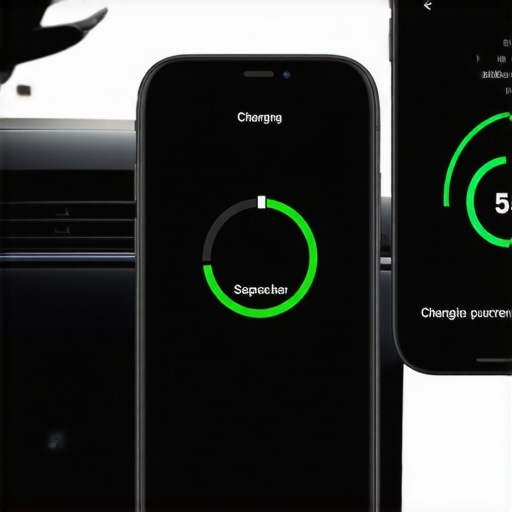
Why Your Home Wiring Might Be Pushing Back
Think of your electrical circuit like a hallway. If the hallway is too narrow, people can’t move through it quickly without bumping into each other. Electricity works the same way. If your contractor didn’t use the exact gauge of wire you need for a 60-amp circuit, you might be experiencing a significant voltage drop. When the voltage dips because the wire is too thin or the run from the panel is too long, the car senses the instability and throttles the intake to prevent a fire. This is a classic case of the common wire sizing error that causes voltage drops during charging. You might think you’re getting 240V, but if your car is only seeing 210V at the port, it won’t pull its maximum rated amps, and you’ll be stuck waiting for hours.
Protect Your Hardware from Secret Heat Cycles
If your charger starts fast but slows down significantly after an hour, you’re likely dealing with thermal throttling. Heat is the ultimate enemy of electrical efficiency. I noticed this one August afternoon when my charging handle felt like a hot potato. Most modern systems have sensors that detect why your charging cable gets warm and when you should actually worry. If things get too toasty, the wall box tells the car to back off. To avoid this, keep your charging station out of direct sunlight and ensure your terminal connections are torqued to spec. Loose connections create resistance, and resistance creates the kind of heat that kills your charging speed.
Balance the Load Without the Heavy Price Tag
You don’t always need a $3,000 panel upgrade to get decent speeds. Sometimes you just need to know how to load balance your home electrical system without a full panel swap. If your car is fighting your air conditioner and electric oven for priority, a smart load-management system can temporarily pause or reduce the car’s draw during those peak moments. By shifting your heavy appliance use or using a smart load shedder, you can keep your PHEV gulping power at its maximum rate through the night without tripping your main breaker.
The 200-Amp Myth That Costs Homeowners Thousands
Everyone tells you that if you want to join the EV revolution, you need to shell out $3,000 for a full panel upgrade to 200 amps. In my experience, that’s often total overkill. While panel upgrades for ev chargers what you need to know is a valid starting point, many homeowners ignore the power of smart energy management. If you use a logic-based load shedder, you can prioritize your dryer or AC and only feed the car when there’s headroom. It’s the difference between buying a bigger bucket and just learning how to pour the water more carefully. I’ve seen dozens of setups where learning how to load balance your home electrical system without a full panel swap saved enough money to pay for the car’s fuel for three years.
Is Your 100-Amp Panel Actually More Capable Than the Inspector Claims?
The answer usually lies in the math, specifically the National Electrical Code (NEC) 220.82 optional calculation. Most people—and even some general electricians—use a “standard” calculation that is far more conservative than the “optional” one allowed by the National Fire Protection Association. This advanced calculation considers the actual historical peak load of your home rather than just adding up the faceplate values of every appliance. By doing the legwork, you might find you have 30 amps of “hidden” capacity. I’ve helped neighbors figure out how to calculate if your 100-amp service can handle a daily commute without ever touching the main breaker.
The Invisible Danger of Skipping the Torque Wrench
If there’s one “oops” factor that keeps me up at night, it’s the lack of precision during installation. You can buy the best wire, but if the lugs aren’t tightened to the manufacturer’s exact specifications, you’re asking for a fire. This is the forgotten torque spec that fails half of all panel inspections. When electricity flows to an EV, it’s a continuous high-draw load that lasts for hours, causing metal to expand and contract. Without proper torque, those connections loosen over time, leading to the hidden danger of loose neutral wires in your electrical panel. I once saw a DIY job where the neutral was so loose it had started to char the plastic housing, all because the guy “hand-tightened” it and thought that was enough.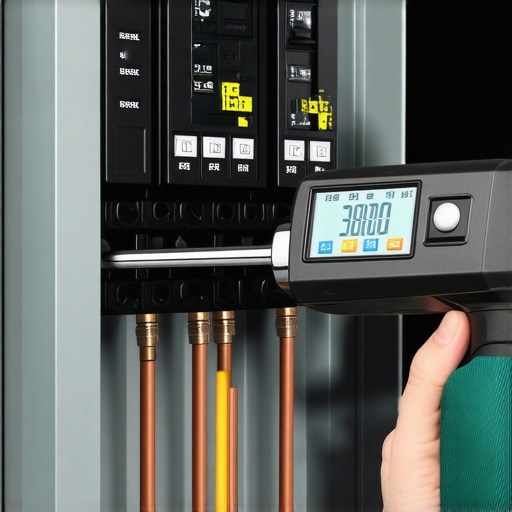
Why Your Permit Failed Before You Even Applied
Another trap is the “working space” violation. You might have the perfect spot for your charger next to the panel, but if it’s within three feet of your water heater or a sink, you’re toast. Inspectors are brutal about the working space violation that fails more ev panel inspections than anything else. Always check the code required safety distance between a charger and a sink before you drill a single hole. Ensuring code compliance essentials for ev charger installations in 2025 isn’t just about passing a test; it’s about making sure your insurance company doesn’t have a loophole to deny a claim if something goes wrong. Have you ever fallen into this trap? Let me know in the comments. Whether it was a surprise panel upgrade quote or a failed inspection, I want to hear your story. If you’re currently stuck, don’t forget to check out our ev charger troubleshooting expert tips for common issues to get back on the road faster.
Avoid the Slow Burn of Component Degradation
Once the inspection is signed off and the permit is closed, most people think their job is done. I certainly did. But then I noticed my charging sessions were taking twenty minutes longer than they used to. After some digging, I realized that high-amperage electricity is a brutal tenant for your home’s wiring. Over time, the repeated heating and cooling of the copper can cause minor shifts in your connections. I now keep a handheld thermal camera in my toolbox—not just because it’s a cool gadget, but because it’s the only way to catch a loose lug before it becomes a melted breaker. If you see a bright white spot on your panel during a charging session, that’s resistance, and resistance is a thief of your time and money. It’s often the real reason your charging handle feels hot to the touch and why your speeds might be dropping.
How do I keep my home charging setup running smoothly for years?
Maintenance for an EV charger isn’t as intensive as an oil change, but it’s just as vital. I personally perform a ‘torque audit’ every six months. I use a calibrated digital torque wrench to ensure every terminal in the charging circuit is still tight. Beyond the physical wires, you need to stay on top of the digital brain. I’ve found that how to update your charger software without calling a technician is the single most important skill for a modern PHEV owner. Manufacturers frequently push patches that improve the communication handshake between the wall box and the car’s onboard inverter. If you ignore these, you’re missing out on efficiency gains that the engineers figured out months after you bought the car. 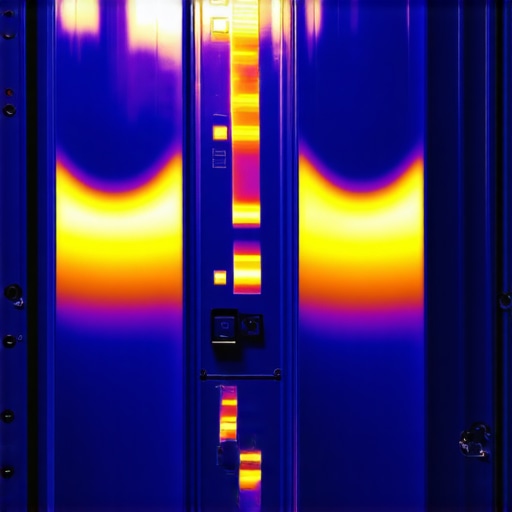
Plan Your Second Move Before You Need It
If you’ve got one hybrid now, there’s a 90% chance you’ll have two plug-in vehicles in your garage within five years. Don’t wait for that day to realize your 100-amp service is maxed out. I always recommend that my neighbors look into how to upgrade your garage sub-panel for dual charging stations today while the walls might still be open or the electrician is already on-site. Scaling your system isn’t just about adding more breakers; it’s about ensuring you are ensuring code compliance when installing ev chargers so you don’t have to rip everything out later. According to the NFPA 70B standards for electrical equipment maintenance, regular inspections of high-draw circuits are the only proven way to prevent long-term thermal failure in residential settings.
The Grid is Getting Smarter and So Should You
Looking ahead, the trend is moving toward bidirectional charging. Soon, your hybrid’s battery won’t just take power; it will give it back to your house during a blackout. To prepare for this, you need a rock-solid foundation. Stop settling for ‘good enough’ and start treating your home charging setup like the high-tech appliance it is. If you haven’t checked your terminal temperatures lately, go buy a cheap infrared thermometer or a thermal imaging phone attachment and scan your panel while your car is drawing its max load. It’s a five-minute check that could save you a three-thousand-dollar repair.
Lessons from My Garage Floor
Reflecting on those early rainy Tuesdays, I realize that the steepest part of the EV learning curve isn’t the driving—it’s the plumbing of the power. My biggest lightbulb moment came when I stopped looking at the wall box and started looking at the car’s tech specs. I spent a fortune on high-amp breakers when I really just needed a better understanding of my car’s internal limits. I also learned that precision beats power every single time. It’s much better to have a perfectly torqued 16-amp circuit than a sloppy 50-amp one that keeps tripping because of heat. Avoid the heartbreak I went through by reading about the most common diy mistakes in home charger installations before you pick up a screwdriver.
Another hard truth? Your software matters as much as your hardware. If your car isn’t talking to your home network, you’re flying blind. I’ve had many late nights troubleshooting ev charger connectivity problems only to find out a simple firmware update was all I needed to unlock that extra mile of range by morning.
#IMAGE_PLACEHOLDER_E#
The Tools That Keep Me Charging Peacefully
I don’t leave my charging health to luck anymore. To stay ahead of potential failures, I’ve curated a small kit that resides in my garage. First on the list is a calibrated digital torque wrench; it’s the only way to ensure you’re meeting those critical manufacturer specs. Second, I highly recommend a handheld infrared thermometer. Once a month, while the car is pulling its full load, I scan the breaker and the charging handle to catch any heat spikes before they become fire hazards. Finally, keep a shortcut to your local utility’s rebate page on your phone. You’d be surprised how often they offer credits for upgrading your panel for better ev charging performance if you use smart, grid-tied equipment.
Start Your High-Voltage Journey with Confidence
Transitioning to a plug-in lifestyle shouldn’t feel like a second job. Once you understand the handshake between your home’s electrical panel and your vehicle, the stress of the slow charge simply evaporates. You’re not just installing a charger; you’re building a personal refueling station that will likely serve your next three cars. Take it slow, do the math, and prioritize safety over raw speed. If you’re getting ready for the final sign-off, don’t miss my guide on how to pass your electrical inspection on the first visit to ensure your setup is legal and secure. You’ve got this!
Did you run into any unexpected costs or bottlenecks when you first set up your Level 2 charger? Let me know in the comments—I’d love to help you troubleshoot!