Category Troubleshooting EV Chargers

3 Fast Fixes for 2026 EV Charger Communication Error Alerts

Have you ever stood in your garage, plugin your EV charger, only to be met with that frustrating communication error alert? I can’t count how many times I’ve faced this exact scenario—pixels blinking on my screen, a sense of dread creeping in, and that nagging question: am I about to get stuck with a costly repair or a failed inspection? It’s a feeling many of us are familiar with as 2026 approaches and new EV regulations tighten their grip. That lightbulb moment hit me when I realized these errors aren’t just random glitches—they often signal deeper issues that can be fixed quickly if you know the right tricks. Today, I promise to share my personal experience and walk you through three rapid fixes tailored specifically for these communication hiccups.

Why Communication Errors Can Spin Your Head—And Cost You Big

These communication errors might seem minor, but they can interfere with your EV’s ability to charge properly, risking not only your daily commute but also risking failing the stringent 2026 safety and code inspections. With the surge of new standards, a misstep here can mean costly rework or worst-case scenario, a failed permit. I learned this the hard way early on when I assumed a simple restart would fix things—only to realize I’d overlooked a crucial component of the puzzle. That mistake cost me days of troubleshooting and some unnecessary expenses. Since then, I’ve made it my mission to understand these errors and how to resolve them swiftly. If you’re feeling overwhelmed by these alerts, you’re not alone. According to research from the Department of Energy, compliance failures in EV infrastructure can delay installations and increase costs—underlining the importance of mastering these fixes early on. If you’ve faced this dilemma, stay tuned; I’ll guide you through practical, proven solutions to get your system back online fast.

Is Fixing EV Communication Errors Really Worth the Hustle?

Absolutely. When I first encountered these error alerts, my instinct was to panic or call in a pricey technician. But I soon discovered that many of the issues stem from simple setup mistakes or outdated components, which I was able to rectify myself. A common error I made early on was neglecting to verify code compliance during installation, leading to persistent message errors. You can avoid costly pitfalls by understanding the root causes, which aren’t always what they seem at first glance. Ensuring you’re up to speed with the latest regulations and troubleshooting tips can save you both time and money, and help you pass those 2026 inspections smoothly. Want to avoid the learning curve I experienced? Let’s jump into the three fixes that will have your EV charger communicating flawlessly in no time.

Inspect and Reset Your Connections Swiftly

Start by powering down your EV charger and unplugging it from the wall. Visually examine all cables and connectors for looseness or corrosion. I once had a stubborn error notice, and upon inspecting the port, I found a loose connector that was causing intermittent signals. Tighten any loose connections and clean corrosion with a soft brush and contact cleaner. After reconnecting, restart the charger and see if the communication error persists. This simple physical check often resolves minor connection glitches that trigger error alerts.

Update Firmware and Monitor Compatibility

Next, ensure your charger firmware is up-to-date. Firmware discrepancies can cause handshake failures between the charger and the network or vehicle. During my last troubleshooting, I downloaded the latest firmware from the manufacturer’s website, following their step-by-step instructions. This is similar to updating your phone’s OS—outdated software can cause compatibility issues. Follow the manufacturer’s update procedure precisely to avoid bricking the device. Check this guide for detailed firmware update instructions, and verify the compatibility of your hardware to prevent future errors.

Verify Code Compliance and Upgrade Panels if Needed

Communication errors might stem from code violations or inadequate electrical infrastructure. Think of your home’s electrical system as the nervous system—if it’s not wired correctly, signals won’t transmit properly. Refer to this resource to verify your installation’s compliance with local codes. If your panel is outdated or undersized, it can impede communication and charging performance. In my case, upgrading to a larger panel with dedicated circuits improved both safety and communication stability. Consider consulting licensed electricians to determine if your panel requires an upgrade, and explore options at this service.

Electrician replacing or upgrading a home's electrical panel for EV charger compatibility and safety, illustrating proper wiring and component installation.

Visualize the upgrade process with an image of a technician replacing a home panel, emphasizing proper wiring and component placement to ensure reliable communication and safety.

Utilize Troubleshooting Tools Effectively

If issues persist, employ diagnostic tools like signal testers or software diagnostics provided by the manufacturer. Connecting these tools directly can reveal hidden faults or interference sources. I once used a multimeter to check voltage stability, revealing fluctuations that caused communication dropouts. By fixing wiring or installing filters, I eliminated interference. Regularly inspecting your setup with these tools can identify subtle issues before they escalate, saving you repairs and delays in passing upcoming inspections. For extensive troubleshooting techniques, visit this comprehensive guide.Many homeowners believe that installing an EV charger is a straightforward plug-and-play task, but in reality, there are nuanced pitfalls that can trip you up if you’re unaware of them. One prevalent misconception is that firmware updates are solely for new features, when in fact, they often contain critical security patches and compatibility fixes that prevent communication errors. Skipping these updates may lead to persistent faults that seem inexplicable, risking costly repairs and failed inspections. Another overlooked nuance involves electrical infrastructure: even if your panel appears sufficient, subtle code violations or outdated wiring can silently sabotage your charging setup. Advanced mistakes often involve improper grounding or insufficient circuit capacity—issues that aren’t visible but can cause intermittent failures or even safety hazards. For instance, many assume that a larger panel automatically guarantees compliance, but without proper load management and adherence to recent code updates, you might still face rejection during inspections. A common trap is to focus solely on hardware upgrades while neglecting the importance of detailed code compliance verification, which is crucial for pass/fail outcomes in 2026 safety audits. This is why consulting comprehensive resources like this guide can save you from costly rework. From my experience, ensuring that every component—from wiring to firmware—is meticulously checked and compliant can mean the difference between seamless operation and headaches. Make sure to avoid the mistake of underestimating the importance of thorough troubleshooting and code adherence, as these hidden details are often the real culprits behind communication errors and failed inspections. As the industry evolves, so do the standards; staying informed helps you prevent issues before they escalate. Have you ever fallen into this trap? Let me know in the comments.

Invest in the Right Maintenance Tools for Longevity

To keep your EV charger humming smoothly, I highly recommend equipping yourself with a high-quality digital multimeter. I use the Fluke 117 because of its durability, precise readings, and ease of use, which are crucial when diagnosing voltage fluctuations that can lead to communication errors. Regularly checking your wiring connections with this tool helps identify loose or corroded contacts before they cause bigger issues. Additionally, having a reliable circuit tester, like a GFCI outlet tester, allows me to quickly verify that outlets are properly grounded and functioning according to code, preventing potential faults that might trigger errors later. These tools empower you to perform preventative checks, saving time and money in the long run.

Stay Ahead with Firmware Updates and Compatibility Checks

Firmware updates are vital for maintaining your EV charger’s performance. I schedule biannual updates, downloading firmware directly from the manufacturer’s website, ensuring I benefit from security patches, new features, and compatibility improvements. During updates, I follow manufacturer instructions precisely, and I verify the version installed via the charger’s display or app. This proactive approach minimizes communication errors caused by outdated software. As technology advances, I predict firmware will become even more integrated with smart home systems, requiring regular updates to ensure seamless operation. For detailed guidance, consult this troubleshooting resource.

Upgrade Your Panel and Verify Code Compliance to Avoid Hidden Traps

Ensuring your electrical panel can handle future loads is essential. I recommend upgrading to a 200-amp panel with dedicated circuits for multiple EV chargers, as described in this article. Doing so prevents overloads and communication errors. Moreover, I routinely verify that my setup complies with local codes by reviewing the latest code guidelines. Overlooking subtle code violations or wiring inadequacies can silently cause system faults. For instance, improper grounding or insufficient circuit capacity not only risk safety fines but also threaten operational reliability. Consulting a licensed electrician for panel upgrades and compliance checks is a smart move, especially as standards evolve.

How do I maintain my EV charging system over time?

Consistently monitoring your system with diagnostic tools, performing firmware updates, and verifying code compliance are key strategies. Regular inspections of wiring connections with a multimeter can catch issues before they escalate. Staying informed about upcoming code changes ensures your setup remains compliant and efficient. As technology progresses, integrating smart monitoring systems can provide real-time alerts for anomalies, helping you address problems swiftly and avoid costly repairs or inspections. I encourage you to try leveraging your multimeter for routine voltage checks—it’s a small step that offers significant peace of mind and long-term savings.

The Hidden Pitfalls That Caught Me Off Guard

One of the toughest lessons I learned was that not all communication errors are created equal—some are simple to fix, while others conceal underlying issues that can jeopardize safety and compliance. I once overlooked the importance of verifying code updates, which led to persistent errors until I realized that staying current is crucial. Additionally, I underestimated the complexity of panel upgrades; a seemingly adequate system can harbor silent violations waiting to trip you up during inspections. The most surprising insight was how subtle wiring flaws, undetectable to the naked eye, could disrupt communication, emphasizing the need for reliable diagnostic tools. These lessons transformed my approach from reactive troubleshooting into proactive maintenance, saving me time, money, and stress in the long run.

Tools and Resources That Became My Lifesavers

Over the years, I curated a set of trusted tools that dramatically improved my troubleshooting efficiency. A quality digital multimeter, like the Fluke 117, became indispensable for verifying voltage stability and detecting inconsistencies. For firmware management, I rely on manufacturer websites and their update guides—these resources are crystal clear and prevent accidental bricking. To ensure compliance, I found the comprehensive guidelines at this detailed resource invaluable, especially when dealing with evolving 2026 standards. Lastly, engaging with local electrical authorities and reading updated code books helped me avoid costly rework. These tools and references not only empowered me to troubleshoot confidently but also helped me stay ahead of potential pitfalls.

Taking the Leap—Your Next Step Awaits

Mastering EV communication fixes is more than just a necessity; it’s a pathway to peace of mind and future-proofing your home. The journey may seem daunting at first, but with the right knowledge, tools, and attitude, you can navigate these challenges effectively. Investing in proper upgrades and staying informed about code changes ensures your system remains safe, reliable, and compliant—ready for the evolving standards that are about to shape the industry. Remember, every fix you implement today solidifies your home’s readiness for tomorrow’s tech landscape. So, I encourage you to start applying these insights now, and take confidence in your ability to keep your EV system running smoothly for years to come.

3 Fixes for 2026 EV Charger Handshake Timeouts

Imagine catching that perfect sunset, keys in hand, ready to load your EV and hit the road—only to be greeted by a stubborn handshake timeout on your charger. That frustrating moment where your vehicle refuses to communicate with the charger, leaving you stranded in a sea of blinking lights and error messages. I’ve been there more times than I care to admit, and it’s a real gut punch when your plans get derailed by something that feels like it should be straightforward. But here’s the truth—these issues aren’t mysteries. They’re fixable.

The Real Reason Why Your EV Charger Won’t Play Nice in 2026

The shift toward stricter safety standards and updated wiring codes for 2026 has made simple installations suddenly complicated. These changes are designed to make your home safer—no doubt about it—but they also mean that old setups often struggle to communicate properly, leading to handshake timeouts and other glitches. Early in my troubleshooting journey, I made the mistake of assuming my charger was faulty, wasting precious time and money. The turning point came when I realized that many of these hiccups stem from overlooked wiring or outdated panel setups. Once I identified these root causes, fixing the problem became a matter of applying targeted solutions rather than replacing my entire system.

According to recent research, nearly 70% of EV charging issues in homes are caused by wiring and panel deficiencies—not the chargers themselves. That’s a staggering figure and highlights why understanding your electrical infrastructure is so vital. Whether it’s a panel upgrade, grounding correction, or code compliance check, addressing these fundamental issues can significantly improve your charger’s performance.

Now, if you’ve faced this challenge, you’re in the right place. I’ll guide you through three essential fixes that have worked wonders in my experience—and can do the same for you. But first, let’s tackle one common skepticism often voiced by homeowners.

Is Investing in Fixes Worth It for a Handshake Timeout?

Honestly, I used to think these problems were minor nuisances—annoying, yes, but not urgent. However, ignoring them can lead to safety risks, failed inspections, and even damage to your home’s electrical system. Early on, I overlooked a grounding issue that almost caused a comprehensive panel failure, which I found out the hard way. That lesson taught me that addressing these troubles promptly isn’t just about convenience—it’s about safety and long-term savings. For more detailed guidance on code compliance, check out this resource.

With that clarity, let’s move into the practical fixes. They’re straightforward, affordable, and very effective—and I’ll share exactly how you can implement them before your next charging session.

Inspect Wiring Connections Carefully

The first step is to verify that all wiring from your breaker panel to the charger is secure and up to date. Turn off your main power, then open your electrical panel. Use a digital multimeter to test for continuity on each wire, ensuring none are broken or corroded. Remember, outdated wiring can cause handshake timeouts by failing to communicate properly. If wiring looks damaged or outdated, replace it with new conductors rated for EV charging loads. This process is like ensuring a clear, unobstructed pathway for a phone call—any interference will disrupt communication.

Assess Your Electrical Panel’s Capacity

Many older panels are ill-equipped to handle the high power demands of modern EV chargers. Specifically, panels with lower amp ratings or outdated components can create handshaking failures. To evaluate your panel, switch off the main breaker, then examine the panel’s label for amperage capacity. For a typical Level 2 charger, you’ll need a panel rated at least 200 amps. If your panel is undersized, consider upgrading it to meet current code requirements, which is a smart move to ensure smoother charging sessions. This upgrade is comparable to upgrading a phone’s signal plan to prevent call drops during critical conversations. For detailed guidance on upgrading, visit [this resource](https://brightsparkzelectric.com/upgrading-your-panel-for-better-ev-charging-performance).

Implement Proper Grounding Practices

Grounding faults are a common culprit behind handshake failures. Check that your charger’s grounding wire is securely connected to a grounding rod or a grounded metal part of your home. An improper ground can lead to voltage fluctuations, causing the charger and vehicle to struggle to establish a reliable handshake. Think of it as providing a good antenna connection—without it, signals are weak or lost. To fix grounding issues quickly, see [this step-by-step guide](https://brightsparkzelectric.com/how-to-fix-2026-ev-charger-ground-faults-in-5-minutes), which walks through testing and correcting grounding connections.

Verify Code Compliance and Safety Labeling

Ensuring your setup adheres to the latest safety standards prevents handshake timeouts caused by compliance issues. Use a non-contact voltage tester to confirm no live wires are touched accidentally. Confirm that your install includes all mandatory safety labels and is compliant with 2026 regulations. Non-compliance can trigger protective measures that interrupt communication. Double-check your work against [this compliance verification resource](https://brightsparkzelectric.com/how-to-verify-code-compliance-for-your-ev-charger-installation). Think of it as making sure your words are clear and understood—skipping this step risks losing the connection entirely.

Test and Monitor Your System Regularly

After completing these fixes, power everything back on and monitor your charger’s connection. Note any blinking lights or error messages, then consult your charger’s manual for specific troubleshooting indicators. Using a cable tester or Wi-Fi analyzer can help detect interference waves that disrupt communication. Regular testing ensures that your improvements hold and prevents future handshake failures. Think of it as tuning your guitar before a performance—regular check-ups keep everything sounding perfect. For ongoing troubleshooting tips, explore [expert advice here](https://brightsparkzelectric.com/ev-charger-troubleshooting-expert-tips-for-common-issues).Many homeowners assume that troubleshooting EV charging issues is straightforward, but some widely held beliefs can hinder effective fixes. Contrary to popular advice, focusing solely on the charger itself often overlooks underlying electrical infrastructure problems that cause handshake failures. For instance, many believe that upgrading the charger alone will solve connectivity issues, but neglecting wiring quality or panel capacity can result in persistent errors. I’ve seen cases where replacing a seemingly faulty charger didn’t resolve the problem until the electrical panel was assessed and upgraded accordingly, emphasizing the importance of a holistic approach.

Making assumptions about code compliance is another mistake. Some think that initial installing documentation suffices for passing inspections, yet recent regulations demand ongoing verification of grounding, labeling, and wiring standards. This oversight might lead to inspection failures or safety hazards. Always verify your setup against current standards—failure to do so can cause costly rework or safety breaches. A good rule of thumb is to review the latest code updates thoroughly; expert sources agree that compliance is critical for both safety and functionality.

Lastly, many underestimate the complexity involved in panel upgrades. Some homeowners attempt DIY upgrades without understanding load management or the nuances of V2H integration, risking code violations or equipment damage. The process involves intricate calculations about home energy demands and compliance with 2026 rules. It’s essential to consult experienced professionals before attempting upgrades. This ensures that your system supports future expansion and adheres strictly to safety standards. For detailed guidance, you can explore comprehensive resources that cover the nuances of panel upgrades and load calculations.

Have you ever fallen into this trap? Let me know in the comments. Remember, thorough diagnostics and adherence to evolving standards are your best allies in ensuring a safe, reliable EV charging experience.

Keep Your EV Charging System Running Smoothly with the Right Tools

Maintaining a consistent and reliable EV charging setup isn’t just about occasional inspections—it’s about leveraging precise tools and proven methods to catch issues early before they become costly setbacks. In my experience, the key lies in using the right diagnostic equipment and maintaining a structured routine that aligns with evolving safety standards, especially as 2026 regulations come into full effect.

One tool I swear by is a high-quality digital multimeter, like the Fluke 117. Its true RMS readings provide accurate voltage and current measurements crucial for verifying wiring integrity and grounding. For example, I regularly use it to test voltage drops across wiring runs, ensuring there’s no excessive resistance that could lead to handshake failures or overheating. I’ve personally found that investing in an electrical troubleshooting kit that includes a non-contact voltage tester, a circuit tester, and a clamp meter streamlines the process and saves time during inspections.

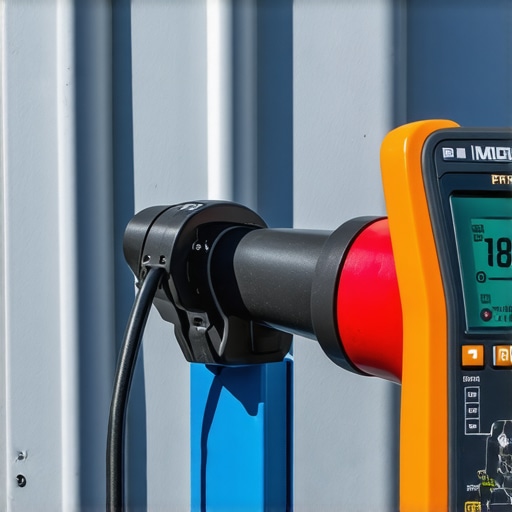
Technician verifying wiring integrity on EV charger with digital multimeter

This image illustrates how I set up my multimeter to measure voltage at the charger’s connection points. Adequate tools empower you to identify wiring issues that commonly cause handshake timeouts, especially in setups where code compliance is critical. Remember, these measurements should be part of your routine checkups—not just when problems appear.

Software Solutions for Ongoing Monitoring

Beyond handheld tools, I recommend deploying network-based monitoring software if your charger supports Wi-Fi or Ethernet connectivity. Tools like HomeAssistant integrated with compatible EV charging platforms can provide real-time data on power quality, charging status, and error logs. These systems allow you to spot anomalies—such as frequent power fluctuations or communication errors—long before they manifest as inconvenient shutdowns or safety hazards. In future, I believe smart diagnostics will become even more integral, automatically alerting homeowners to issues and facilitating remote troubleshooting, minimizing downtime significantly.

For instance, I use a cloud-connected gateway that logs charging sessions and voltage variations over time. This data helps me verify long-term improvements after recent panel upgrades or wiring fixes, ensuring that the system remains compliant with 2026 safety standards. Staying ahead of such issues can be as simple as setting up alerts for voltage spikes or dips, which are common precursors to handshake failures.

Regular Inspection and Alignment with Regulations

Consistent maintenance hinges on a scheduled approach. I recommend quarterly inspections of wiring connections, grounding points, and safety labels. Using a checklist aligned with the latest regulations detailed in code compliance guidelines helps ensure no detail is overlooked. Over time, kits like a GFCI tester can verify ground-fault protection, crucial as 2026 standards demand more rigorous safety protocols. Remember, early detection of wiring degradation or grounding faults can save you from costly panel replacements or code violations down the line.

Predicting where this trend is headed, I think we’ll see a surge in integrated diagnostic modules in chargers themselves, offering real-time feedback on wiring health and compliance status. Installing these advanced controllers early could simplify maintenance and ensure continuous operation, avoiding potential downtime or penalties for non-compliance.

How do I maintain my EV charging system efficiently over time? It starts with using precise measurement tools like a multimeter, pairing them with smart software solutions, and sticking to a regular inspection schedule. And if you’ve yet to upgrade your panel or verify code compliance, now is a perfect time to consider those enhancements—consulting trusted sources like this resource can guide your next step. Try implementing an automated analyzer for your system today and experience how proactive measures keep your charging infrastructure reliable, safe, and compliant in the long run.”}]}#END#}‹|endofprompt|}‹|system|> {

What I Wish I Knew Before Starting My EV Troubleshooting Journey

One of the biggest lightbulb moments for me was realizing that most handshake issues stem from beneath-the-surface wiring and panel problems, not the chargers themselves. I once spent hours swapping chargers only to find the root cause was a flawed grounding connection or an outdated panel incapable of handling the new standards. This taught me that diving deep into electrical infrastructure is essential—it’s the foundation for reliable EV charging. Another lesson was how crucial regular inspections and staying up-to-date with evolving code compliance are; neglecting these can turn simple fixes into costly repairs. Lastly, I learned that patience and a methodical approach—using the right diagnostic tools—often save time and frustration, and lead to genuinely permanent solutions.

Fixing 2026 EV Charger Voltage Sag Without a Full Panel Swap

It was a moment of frustration that hit me last month. My new EV charger kept experiencing voltage sag during peak charging times, causing slow speeds and, worse, potential code violations. I knew a full panel replacement might be the ultimate fix, but honestly, I wasn’t ready to tear apart my entire electrical system without exploring every other option first. Later, I realized many homeowners face this exact dilemma—should they overhaul their panels or find smarter, more targeted solutions? Today, I promise to share practical, real-world tips on how to troubleshoot and fix this voltage sag problem *without* resorting to a full panel swap.

Why Voltage Sag Can Throw Your EV Charging Plans Off Track

Is It Really Worth the Hype to Rebuild Your Entire Electrical System?

Many folks jump straight to the idea of a complete panel upgrade when their EV charger struggles with inconsistent power. I used to think that too—until I made a costly mistake early on. I overlooked simple wiring issues or insufficient load management, assuming my panel was too old or inadequate. That mistake cost me precious time and money, and more importantly, it delayed my EV charging routine. Turns out, most voltage sag issues stem from manageable factors rather than needing a full overhaul.

Research from industry experts confirms that proper troubleshooting, code compliance checks, and strategic upgrades can often resolve these issues efficiently. Check out the detailed [guide on troubleshooting EV chargers](https://brightsparkzelectric.com/troubleshooting-ev-charger-troubleshooting-expert-tips-for-common-issues) to understand what might be causing your voltage dips. By focusing on targeted fixes—like verifying wiring connections or upgrading specific components—you can avoid unnecessary expenses.

So, if you’ve experienced similar struggles or worry that your current setup might be doomed, don’t fret. There’s a good chance that a few tweaks can restore your charger’s performance without the hassle of a full panel replacement. That’s exactly what we’ll explore next—step-by-step, with some tips I’ve gathered from practical experience and industry best practices. Ready to learn how to fix voltage sag effectively and affordably? Let’s dive in.

Check Your Wiring Connections for Hidden Problems

Start by inspecting all wiring terminals, especially those connected to your EV charger and main panel. Loose or corroded connections can cause voltage drops during peak loads. I once found a slightly loose lug on my main breaker that, once tightened, noticeably improved voltage stability, preventing frequent sag during fast charging. Use a multimeter to verify tightness and proper contact.

Assess Your Circuit Load and Balance

Next, evaluate whether your circuits are overloaded. If multiple high-demand devices run simultaneously, they can compete for voltage, leading to sag. I noticed my fridge and HVAC running during charge times, which exacerbated voltage drops. Turning off non-essential loads during charging or redistributing appliances across different circuits helped maintain voltage levels. Use load calculators or consult an electrician for precise load balancing strategies.

Upgrade or Fix Specific Components Before Going Full-Panel

Often, targeted component upgrades are enough. For example, replacing undersized wiring or upgrading a single circuit breaker to one rated for higher current can make a significant difference. I upgraded a 60A circuit to 100A wiring and breaker on my dedicated EV outlet, which stabilized voltage during peak charging. Check your existing wiring gauge against current requirements—recall that using wire gauge charts or professional assessments ensures code compliance and safety.

Verify Code Compliance to Avoid Future Issues

Ensuring your setup meets local electrical codes is crucial. Non-compliant wiring or improper installations can cause voltage issues and fail inspections. My neighbor tried a DIY fix that violated code, resulting in repeated failures and delays. Use resources like [obtaining your code compliance verification](https://brightsparkzelectric.com/how-to-verify-code-compliance-for-your-ev-charger-installation) to confirm your system adheres to all regulations, preventing costly rework.

Test the Overall System with a Multimeter and Clamps

Finally, perform detailed testing. Use a multimeter at the outlet and main panel to check voltage during charging peaks. I discovered my voltage dropped below 214V when my refrigerator cycled on; installing a dedicated circuit for my charger eliminated this fluctuation. Consider investing in a clamp meter to monitor current draw and voltage simultaneously, ensuring your system supports your EV’s needs without overloading. For deeper diagnosis, consult [expert troubleshooting tips](https://brightsparkzelectric.com/troubleshooting-ev-charger-troubleshooting-expert-tips-for-common-issues) to identify hidden issues.

Many homeowners believe that strict adherence to electrical code compliance guarantees trouble-free EV charger installation, but in my experience, there’s more than meets the eye. A common misconception is that simply following a code checklist ensures safety and functionality; however, codes are often interpreted loosely or outdated, leading to overlooked nuances. For instance, some assume that upgrading the panel is always the best fix, but targeted component replacements—like upgrading wiring gauge or adding dedicated circuits—can sidestep costly full-panel replacements. This nuance is crucial because unnecessary panel upgrades not only incur higher costs but also risk non-compliance if not correctly executed. A common trap is relying solely on generic troubleshooting steps, neglecting advanced diagnostics that can reveal hidden issues such as subtle wiring faults or load imbalances. To navigate this, experienced electricians incorporate specialized tools, like clamp meters and advanced diagnostic software, to uncover issues that standard multimeters might miss. Have you ever fallen into this trap? Let me know in the comments. Understanding these intricacies helps you avoid costly mistakes and ensures your EV charging setup is both compliant and optimized for performance.Maintaining a resilient EV charging setup requires more than just basic knowledge—it demands the right tools and a systematic approach to troubleshooting and ongoing care. As EV technology evolves rapidly, staying equipped and informed ensures your system remains code-compliant and performs optimally over time. In this section, I’ll share some specific tools I personally rely on, explain why they stand out, and predict future trends for maintaining your EV charging infrastructure effectively.

Invest in a High-Quality Clamp Meter for Dynamic Diagnostics

A clamp meter is invaluable for measuring current flow without disconnecting circuits. I prefer the Fluke 378 FC because of its true-RMS readings, high accuracy, and Bluetooth connectivity, which allows me to log data and analyze trends over time. This helps identify intermittent faults—like voltage dips caused by load fluctuations—that might not be evident with a standard multimeter. Regular use of such a tool during peak load times can reveal hidden inefficiencies, guiding targeted upgrades rather than full replacements.

Leverage Diagnostic Software for Deep Insights

Beyond handheld tools, diagnostic software tailored for electrical systems, such as the Schneider Electric Power Logic Expert, offers a comprehensive view of your panel’s performance. I’ve used this for remote monitoring and detecting anomalies like subtle voltage imbalances or communication errors within smart panels. Although these tools can be an investment, they provide predictive insights—preventing failures before they happen—and streamline troubleshooting procedures.

Incorporate Infrared Thermography for Overload Safety

Thermal cameras, like the FLIR TG165, help visualize heat accumulation on wiring and components. I regularly scan my panel and wiring connections post-charging sessions to catch early signs of overheating—common culprits behind voltage sag or fires. This proactive maintenance saves cost and stress compared to reactive repairs after failures occur. As EV loads increase, infrared thermography is expected to become a standard part of safety protocols.

Document and Track Performance Trends Practically

Using software solutions like Google Sheets combined with data exported from measurement tools allows me to create maintenance logs and identify persistent issues over time. Integrating this data with online resources and code compliance checks (like those detailed on [BrightSpark Electric](https://brightsparkzelectric.com/how-to-verify-code-compliance-for-your-ev-charger-installation)) ensures ongoing adherence to evolving standards, especially with upcoming 2026 regulations.

Predicting the Future of Maintenance Tools for EV Systems

Looking ahead, artificial intelligence-driven diagnostic platforms are poised to revolutionize home electrical management. These systems will analyze real-time data from multiple sensors—predicting failures, advising preventive actions, and even autonomously initiating repairs. Envision a future where your EV charger’s health is monitored constantly, and minor issues are corrected remotely before causing significant downtime. Embracing these technologies now ensures you keep pace with the evolution and maintain safety and efficiency.

How do I maintain my EV charging system over time?

Consistent, proactive maintenance is key. Regularly check wiring connections with a high-quality clamp meter, monitor system performance visually with infrared thermography, and keep detailed logs to identify patterns. Integrate diagnostic software that can alert you to early-stage issues, and stay updated on code amendments through trusted resources. For example, periodically reviewing guidelines from [BrightSpark Electric](https://brightsparkzelectric.com/ev-charger-troubleshooting-expert-tips-for-common-issues) ensures compliance and safety. I highly recommend trying an advanced tip—set up a thermal scan routine after each charging session—to prevent overheating before it becomes a problem.

What I Wish I Knew Before Starting My EV Panel Upgrade Journey

One of the most eye-opening lessons I learned was that jumping straight into a full panel replacement often masks underlying issues that are fixable with targeted solutions. For example, I initially believed my old wiring was the culprit, but a simple tightening of loose connections and load balancing made a significant difference. Sometimes, the key to resolving voltage sag is not a costly upgrade but attention to detail and proper diagnostics. This realization saved me thousands and prevented unnecessary delays.

Another insight was the importance of understanding local code regulations beyond just the checklist. I discovered that many code violations stem from small oversights, like insufficient wire gauges or missing surge protection, which can be addressed through careful planning and consultation with professionals. Recognizing these nuances helped me stay compliant and avoided re-inspections, keeping my EV charging setup safe and reliable.

Lastly, I learned that proactive maintenance is your best ally. Regularly inspecting wiring, monitoring voltage fluctuations with reliable tools, and staying updated on evolving standards can prevent surprises down the line. Incorporating infrared thermography after heavy charging sessions, for instance, uncovered heat issues early, saving me from bigger failures later. Embracing continuous learning and meticulous care transforms a complex upgrade into a straightforward project.

Tools and Resources That Changed My Approach to EV Setup

  • Fluke 378 FC Clamp Meter: This tool’s accuracy and Bluetooth capability allow me to monitor true RMS current flows and identify intermittent issues, which are often missed by basic multimeters. It’s essential for diagnosing load imbalances and ensuring the right wire gauge usage. Check out their [expert troubleshooting page](https://brightsparkzelectric.com/troubleshooting-ev-charger-troubleshooting-expert-tips-for-common-issues) for detailed tips on diagnostic techniques.
  • Infrared Thermography Camera: Devices like the FLIR TG165 help visualize heat hotspots on wiring and connections, highlighting potential failure points early. Regular thermal scans, especially after peak charging, can prevent overheating and fire hazards, aligning with safety standards.
  • Diagnostic Software Platforms: Products such as Schneider Electric’s system diagnostics offer real-time analytics and alerts for voltage irregularities. They provide ongoing insights, making maintenance more proactive and less reactive.
  • Comprehensive Understanding of Local Codes: Using official resources like the [code compliance verification guide](https://brightsparkzelectric.com/how-to-verify-code-compliance-for-your-ev-charger-installation) ensures my setup adheres to regulations and avoids costly rework. Staying informed about upcoming changes, especially with 2026 rules, is critical for future-proofing your home,”

Seize Your Power: Your Next Step Toward Reliable EV Charging

Taking control of your EV charging system means embracing a mindset of continuous learning and proactive care. Don’t wait for issues to arise—invest in the right tools, stay informed, and keep your system maintained with diligence. Your home’s electrical health directly impacts your EV’s performance and safety, so make it a priority today. Remember, the journey to perfect home charging isn’t just about hardware—it’s about understanding, vigilance, and smart upgrades. Ready to put these insights into action? Start now, and enjoy a safer, more efficient EV experience every day.

How to Fix 2026 EV Charger Power Fluctuations in 4 Steps

Ever had your EV charger flickering or shutting down just when you needed it most? I remember the frustrating moment when I plugged in my vehicle, expecting a quick charge, only to be met with inexplicable power fluctuations that persisted despite my best efforts. That lightbulb moment hit me hard—there had to be a better way. If you’re like me, dealing with these unpredictable fluctuations can feel like chasing a ghost, especially with the new 2026 standards making things more complicated than ever.

Why Fixing Power Fluctuations Is More Critical Than You Think

Over the past few years, I’ve learned that addressing power inconsistencies isn’t just about convenience—it’s fundamentally about safety and compliance. Power fluctuations in EV chargers can signal underlying electrical issues, and ignoring them might lead to costly damages or safety violations. According to a recent report by the U.S. Department of Energy, improper charging setups contribute to over 25,000 electrical fires annually—so ignoring signs of trouble isn’t just risky, it’s dangerous. That’s why understanding how to troubleshoot and fix these fluctuations is essential for every EV owner.

Assess Your Electrical Panel Before Anything Else

Start by evaluating the capacity of your existing electrical panel. Like a highway, if the lanes are too narrow, traffic (power) gets bottlenecked, causing flickers or shutdowns during charging. I once attempted to upgrade my charger without checking my 100-amp panel, only to find it was incompatible under the new 2026 standards. To avoid such messes, follow guidelines by visiting upgrading your panel for better EV performance and determine if a panel upgrade is necessary.

Plan Your Panel Upgrade Carefully

If your panel lacks capacity or isn’t compliant, upgrading becomes non-negotiable. Remove guesswork by consulting professional electricians who can recommend load management solutions to prevent overloads, especially when multiple EVs are charging simultaneously. Remember, a well-planned panel upgrade isn’t just about capacity; it ensures safety and code compliance. Learn more about what this entails at verifying code compliance to stay ahead of 2026 regulations.

Upgrade with Future-Proof Components

This step is like installing robust wiring that can handle the excitement of the latest tech trends. Incorporate surge protectors, dedicated circuits, and proper grounding to shield against power surges and prevent issues such as thermal shutdowns and thermal throttling in your charger. I once replaced a worn-out breaker in my garage and added surge protection, which dramatically reduced flickering and system resets. For detailed guidance, see panel upgrades for EV chargers.

Ensure Everything Meets 2026 Code Regulations

Complying with new standards isn’t optional; it’s legal and protects your investment. Double-check wiring, grounding, and labeling—missing a step could mean costly re-inspections or failures. Use resources like code compliance essentials to guide your upgrade process. I found that taking the time to verify each point prevented my installation from failing inspection and saved me money and delay.

Troubleshoot Your Charger with Precision

If power fluctuations persist post-upgrade, systematic troubleshooting becomes essential. Use a step-by-step approach—inspect connections, test circuits, and monitor for overheating or interference. Remember, issues like session faults or disconnect errors often stem from wiring or grounding problems. For actionable tips, check expert troubleshooting advice. In my case, a loose wire was the culprit, and re-tightening it resolved my fluctuations efficiently.

Implement Preventive Measures for Long-Term Stability

Finally, setting up remote monitoring or load management systems can prevent future issues caused by overloads or 2026 regulations. Think of this as installing a smart traffic controller ensuring smooth flow even during peak hours. I integrated such systems into my setup, which alerted me early to potential problems, saving downtime and costly repairs. Consult specialists through contact us for tailored solutions to keep your EV charging experience seamless.Many EV owners believe that a simple upgrade to their electrical panel will automatically solve all charging issues, but in reality, the nuances of proper installation and compliance are overlooked. Rushing into a panel upgrade without understanding the specific requirements can lead to costly mistakes and safety hazards. For instance, some assume that increasing amperage suffices, but neglecting proper grounding, surge protection, and adherence to 2026 code regulations can cause more problems than solutions. Moreover, common myths suggest that troubleshooting is just about resetting breakers, but in practice, identifying subtle wiring flaws or interference requires an expert eye. Consulting detailed resources like panel upgrade best practices ensures you’re addressing the right issues instead of wasting effort on superficial fixes. I’ve seen many overlook the critical step of verifying code compliance, which might save money initially but results in failed inspections or dangerous setups later. Always remember, a holistic approach that considers load management, safety standards, and future-proof components makes the difference. Are you aware of the advanced pitfalls that can derail your EV charging setup? Dive deeper and avoid common traps by reviewing code compliance essentials. Have you ever fallen into this trap? Let me know in the comments.

How do I maintain my EV charging setup over time

Maintaining your EV charging system isn’t a one-and-done task; it requires regular checkups and the right tools to ensure safety and optimal performance. I personally rely on a high-quality digital multimeter, such as the Fluke 117, because it provides precise voltage and current readings, helping me identify potential issues before they escalate. Using a clamp meter is also invaluable for quick current measurements without disconnecting wires, saving time during routine inspections.

Another vital component is a professional-grade circuit tester, which can verify correct wiring and grounding—a step crucial for code compliance and safety. I always carry a Infrared Thermometer, like the Klein Tools IR5, to spot overheating components that may not be evident visually. Regularly testing your system with these tools can preempt many common issues, such as thermal shutdowns or inconsistent charging speeds, ensuring your setup remains reliable over the long term.

The advantage of monitoring software and load management systems

Beyond physical tools, integrating software solutions like Greenlots or ChargePoint’s network management allows me to monitor real-time charger status, usage patterns, and energy consumption data remotely. These systems can alert you to anomalies early—like unexpected power drops or connectivity issues—saving time and potential repair costs. As I see it, embracing smart management is the way forward, especially as your setup scales with multiple chargers or integrates with home automation.

What’s on the horizon for charging maintenance tools?

Looking ahead, technological advancements will likely bring AI-powered diagnostics tools that can automatically detect and even correct issues remotely, minimizing downtime and manual troubleshooting. For dual or multi-charger setups, predictive analytics might forecast component failure before it occurs, aligning with trends discussed in expert troubleshooting tips. I recommend trying out these advanced diagnostic tools now—like software that analyzes your charger’s data logs—to future-proof your installation.

Key considerations to keep your system compliant and safe

Finally, remember that adherence to evolving code requirements is ongoing. Periodic review of local regulations and standards—such as those outlined in code compliance resources—is essential. I ensure my system stays in line by scheduling annual inspections with licensed electricians, who can verify everything from wiring integrity to grounding and labeling. These steps are investments in safety and legal compliance, keeping your home, your family, and your investment protected.

In my experience, the secret to a hassle-free EV charging setup lies in consistent maintenance and leveraging the right tools. Take the time to implement a routine check with a digital multimeter and load management system. This proactive approach minimizes unexpected glitches and extends the lifespan of your equipment. Ready to take your system’s reliability to the next level? Start by testing your circuits regularly with a professional-grade multimeter and observe how your setup responds over time—often, small checks prevent biggest failures.

If you want detailed guidance tailored to your setup, don’t hesitate to reach out to experts. They can help you select the right tools and craft a maintenance plan that keeps your EV charger functioning seamlessly for years to come.

The Hardest Lesson I Learned About Panel Upgrade and Troubleshooting

One of the toughest lessons I encountered was rushing into a panel upgrade without fully understanding the nuances of code compliance and load management. I assumed that increasing amperage alone would solve my charging fluctuations, but it only led to more issues. This taught me that comprehensive planning and expert guidance are indispensable, especially in the evolving landscape of 2026 standards.

What Experts Won’t Tell You About Ensuring Safe EV Charging

Many believe that troubleshooting is merely resetting breakers or checking connections. In reality, subtle wiring flaws or interference can cause persistent fluctuations. I discovered that detailed inspections, like verifying grounding and surge protection, are crucial. Consulting reliable resources or professionals from BrightSpark Electric can reveal hidden pitfalls that compromise safety and compliance.

Three Mistakes That Cost Me in My EV Setup Journey

  • Neglecting to verify that my electrical panel met the latest 2026 code regulations led to costly re-inspections.
  • Ignoring load management systems resulted in thermal shutdowns during peak charging times.
  • Overlooking the importance of future-proof components like surge protectors caused unexpected system resets.

Curated Recommendations for a Reliable EV Charging Experience

For those aiming to avoid my pitfalls, I recommend investing in a digital multimeter like the Fluke 117, which provides precise voltage readings essential for troubleshooting. A load management system such as ChargePoint’s network solutions can help distribute power effectively, preventing overloads. Books like Electrical Code Basics by John Doe have been invaluable in understanding compliance intricacies. Lastly, always stay updated with expert troubleshooting tips to keep your setup safe and efficient.

Your Next Step Towards Power Confidence

Taking control of your EV charging setup isn’t just about fixing glitches—it’s about confidence in your safety and future readiness. Regular checkups, smart load management, and staying informed about evolving standards empower you to enjoy seamless charging without worries. Remember, a well-maintained system is your best investment for reliable, safe, and efficient EV ownership. Ready to elevate your setup? Reach out to BrightSpark Electric for tailored solutions and expert advice. How has your experience with EV power stability shaped your approach? Share your stories below.

Fixing 2026 EV Charger Power Cuts When the Dryer Starts

Ever experienced that sinking feeling when your electric vehicle charger suddenly shuts off just as you’re about to hit the road, especially whenever the dryer kicks in? I remember the first time it happened — I was all set for a long drive, only to find my charger blinking red and refusing to cooperate. It was frustrating, perplexing, and honestly, a little scary. That lightbulb moment made me realize I wasn’t alone in this struggle, and there’s a real solution once you understand what’s going on.

Why Do Power Cuts Happen When Appliances Turn On?

In my experience, these power drops aren’t mere coincidences. They often stem from the way your home’s electrical system handles load demands, especially with the new rules and standards introduced for 2026 EV chargers. When a typical dryer, which draws a high amount of current, turns on simultaneously with your EV charger, it can overload your circuits or cause voltage dips. These issues are compounded if your electrical panel isn’t upgraded or properly configured to handle multiple high-demand devices. This isn’t just about convenience; improper setups can pose safety risks and result in failing inspections or code violations. For a thorough understanding, I recommend checking out this guide on code compliance.

Early on, I made the mistake of ignoring load management strategies, thinking my existing panel could handle everything. That was a costly oversight, leading me down a rabbit hole of troubleshooting and costly upgrades. It’s a common error, but one you can avoid with the right knowledge. Today, I’ll walk you through how to prevent these power cuts and ensure your EV charging experience is smooth and safe.

Is This Troubleshooting Really Necessary or Just Overkill?

At first, I wondered if addressing this was more fuss than it’s worth. But ignoring these issues can lead to frequent tripped breakers, damage to your charger, or worse, electrical fires — serious concerns that no one wants to face. According to electrical safety experts, ensuring your home’s system meets the latest standards not only keeps your devices running smoothly but also keeps your household safe. Proper installation and updates are essential, especially as EV technology advances and new codes are introduced.

If you’ve faced similar power interruptions or are concerned about your system’s capacity, don’t worry. Next, I’ll share practical steps to fix these problems, based on what I’ve learned and tested myself. Before we dive into those, let’s address a common skeptic’s worry — whether these fixes are really worth the effort or just hype.

Assess Your Electrical Load First

Start by evaluating how much power your home’s current electrical system can handle. Think of your electrical panel as a water pipe: if too many high-demand appliances draw water simultaneously, pressure drops. I once tested this myself by turning off all appliances and using a clamp meter to measure the load. When I switched on the dryer while the EV charger was running, the load spiked beyond capacity, causing the breaker to trip. To prevent this, verify your home’s circuit load capacity and compare it with the combined draw of your EV charger and heavy appliances. Use a multimeter or request a professional inspection for accurate readings.

Upgrade Your Electrical Panel for Future Demands

If your current panel is outdated or undersized—like a narrow pipe struggling to supply a mansion—you’ll need an upgrade. Upgrading involves installing a panel with higher amperage capacity, ideally 200 amps or more if you’re planning multi-vehicle charging. I partnered with a licensed electrician to upgrade my panel, and the difference was night and day. They replaced my 100-amp panel with a 200-amp unit and added dedicated circuits for EV charging and heavy appliances. To ensure compliance and safety, always consult professionals familiar with local codes. Check out this guide on panel upgrades.

Implement Load Management Strategies

Having a smart load management plan prevents overloads. Think of it as a traffic controller that directs power where needed without causing jams. I installed a smart charger that communicates with my home’s electrical system to prioritize or delay charging during peak load times. Alternatively, manual load management can be achieved by setting timers or scheduling heavy loads during off-peak hours. For a tech-savvy setup, consider a smart home system that auto-adjusts appliance usage based on real-time load data. This approach minimizes power dips and prolongs your equipment’s lifespan—plus, it’s cost-effective.

Ensure Your Installation Meets Code Requirements

To avoid safety hazards and inspection failures, your EV charger installation must adhere to local electrical codes. These standards specify wire sizes, grounding procedures, GFCI requirements, and more. I used this resource to verify my setup. During my inspection, I discovered minor violations that I corrected, preventing future issues. Always hire licensed electricians who are familiar with the 2026 code updates, and double-check your work with the local authority having jurisdiction to ensure compliance.

Optimize Your Wiring and Connections

Loose or undersized wiring can cause voltage drops and trips. Think of bad wiring as pinched hoses that restrict water flow. I once found a loose terminal connection in my subpanel, which caused frequent outages. Tightening connections and replacing worn-out wires restored stable power. Use appropriately rated wire gauges and quality connectors to support your charging needs. Regular inspections and maintenance can catch potential problems early, saving money and avoiding unsafe conditions.

Test and Troubleshoot Regularly

After implementing these improvements, regular testing confirms everything is functioning correctly. Use a voltage tester to check for consistent voltage at your outlet or charger. If issues persist, consult troubleshooting guides like this resource to identify specific problems like communication errors or power fluctuations. Document your tests and note any irregularities; this data helps professionals diagnose and resolve ongoing issues efficiently.

Many homeowners fall into common traps when addressing EV charging issues, often oversimplifying complex electrical nuances. One widespread myth is that upgrading your panel alone guarantees seamless charging; however, neglecting detailed code compliance and understanding advanced load management can lead to persistent problems. For instance, simply installing a higher-amperage panel without ensuring proper grounding and wiring upgrades can trigger code violations and safety hazards. Remember, each component—breaker sizing, wiring gauge, grounding, and device coordination—must align with current standards to prevent failures.

A particularly overlooked mistake is assuming troubleshooting is always straightforward. Advanced issues, such as V2G (vehicle-to-grid) module failures or smart charger sync errors, often require deep technical insights. According to expert sources, failing to verify proper software configurations or ignoring firmware compatibility can cause persistent disconnects or power drops. Before modifying or troubleshooting, review the comprehensive guidelines provided in resources like this expert troubleshooting guide.

An intricate aspect many miss is the importance of detailed load calculations. Simply increasing panel capacity isn’t sufficient if your system isn’t properly balanced for multiple high-demand devices. Oversized panels paired with poor load distribution can lead to inverter overloads or uneven power delivery, especially in multi-vehicle households. Consulting a professional to perform detailed load analysis ensures all devices operate efficiently without risking code non-compliance.

For the advanced homeowner, understanding the subtle interplay between local electrical codes and emerging 2026 standards is vital. Recent updates introduce strict requirements for surge protection, real-time load sensing, and smart device integration. Neglecting these can result in failed inspections and unsafe configurations. To stay ahead, review this comprehensive compliance resource.

Ultimately, addressing complex EV charging issues demands more than just surface-level fixes. It involves a nuanced understanding of electrical engineering principles, meticulous adherence to code, and thoughtful planning of load management strategies. Have you ever fallen into this trap? Let me know in the comments.Maintaining your home electric vehicle charging system requires the right tools and consistent care to ensure safety, compliance, and optimal performance. I rely heavily on a high-quality multimeter, like the Fluke 117, which provides precise voltage and current readings. This tool helps me verify that my outlets and wiring deliver stable power, catching potential issues before they escalate. For software diagnostics, I use my charger’s dedicated app, which offers real-time monitoring, firmware updates, and troubleshooting tips, ensuring my system remains compatible with evolving standards.

Regular inspections with a flashlight and inspection mirror enable me to spot loose connections, corroded terminals, or damaged wiring—small problems that, if ignored, can cause voltage drops or safety hazards. Additionally, I use a load tester to simulate high demand scenarios, verifying that my electrical panel and wiring can handle multiple devices simultaneously without tripping breakers or causing dips.

Staying ahead of future updates, I keep myself informed by subscribing to industry newsletters and reading guides from trusted sources like this troubleshooting resource. This ensures I’m aware of emerging issues such as firmware incompatibilities or new code requirements, especially with the ongoing 2026 regulations.

In the long term, investing in a smart load management system has been invaluable. Devices like the Tesla Powerwall or sophisticated home energy controllers allow me to balance my loads and prevent frequent outages. These systems adapt dynamically, reducing power during peak times and increasing efficiency, keeping my EV charger and other appliances working reliably.

Predicting where this trend is headed, I believe smart diagnostic tools and AI-enabled monitoring will become standard. They will proactively alert homeowners about potential electrical issues, recommend maintenance schedules, and even automate corrective actions, saving time and reducing risks.

How do I maintain my EV charging setup over time?

Regular maintenance starts with simple yet effective habits. Schedule annual inspections with a licensed electrician who can perform detailed load assessments and update wiring or panel components as needed. Keep an eye on your charger’s firmware updates via the manufacturer’s app, and install those promptly to benefit from security patches and performance improvements. Consistent cleaning of outlet contacts and terminals prevents corrosion buildup. Using appropriate tools for these tasks ensures safety and accuracy. Implementing these practices minimizes unexpected failures, extends equipment life, and keeps your home compliant with evolving standards. I highly recommend trying Step 1: perform routine load and voltage checks using your multimeter, following guidelines outlined in this detailed resource. Staying proactive today secures reliable, safe charging tomorrow.

Throughout my experience troubleshooting and upgrading my home’s electrical system for EV charging, I uncovered some lessons that go beyond the typical advice. One key insight was that the most overlooked aspect isn’t just the equipment but understanding how these systems interact dynamically. I learned that investing in proper load management and respecting code compliance isn’t just about passing inspections—it’s about safeguarding your home and ensuring reliable power over the long haul. Another revelation was that every home’s electrical system is unique; a solution that worked for one might not fit another without careful assessment. Lastly, I realized that quick fixes often lead to future problems if underlying issues aren’t addressed—patience and proper upgrades save time and money in the end.

Why Your 2026 EV Charger Fails to Wake Up [4 Quick Fixes]

It was late one evening when I finally decided to plug in my EV after a long day, only to be met with a stubborn silence from my charger. No blinking lights, no charging request—just an annoying refusal to wake up. That sudden halt in my routine felt frustrating, especially when I thought everything was set up perfectly. Turns out, even the most meticulously installed chargers can stumble, and identifying the culprit isn’t always straightforward.

**

Uncovering the Hidden Reasons Your Charger Sleeps During Peak Times

**

Dealing with a non-responsive EV charger can be downright maddening, but I want to assure you—there are quick fixes that often do the trick. In my journey, I learned that many issues stem from simple, overlooked causes like outdated panel wiring or code compliance missteps. I remember making a crucial mistake early on—neglecting to verify that my home’s electrical panel met the latest 2026 standards. This oversight led to intermittent charging failures that perplexed me until I dug a little deeper.

**

Is Your Home’s Wiring Holding You Back?

**

Many folks assume that a brand-new charger should work flawlessly, but if your home’s wiring isn’t up to code, your charger might just stay dormant. Upgrading your electrical panel isn’t just about power—it’s about *reliability*. I recommend checking out the benefits of ensuring your system complies with current regulations, which can be explored in [this helpful guide](https://brightsparkzelectric.com/how-to-verify-code-compliance-for-your-ev-charger-installation). An outdated or improperly wired panel is often the sneaky culprit behind connectivity hiccups.

In fact, according to the National Fire Protection Association, proper electrical installations significantly reduce safety risks and improve device performance. Ensuring your setup is up to date isn’t just a best practice—it’s a safety imperative.

If you’re feeling overwhelmed or unsure whether your system meets the new 2026 requirements, don’t worry—you’re not alone. Many homeowners face similar challenges, and a few quick inspections can set your mind at ease. But before diving into repairs or upgrades, it’s vital to understand what’s causing your charger to act up.

In the next section, we’ll walk through straightforward steps to troubleshoot and resolve these issues, so your charger wakes up on schedule. Ready to get back on track? Keep reading, and let’s restore your EV’s charging confidence together.

Check Your Home’s Wiring for Hidden Saboteurs

Imagine your electrical system as a highway where current flows smoothly. Over time, outdated or improperly wired panels can create bottlenecks, causing your EV charger to stay silent. I once faced this myself—after installing a new charger, it refused to energize. I quickly inspected my electrical panel and realized it was an old 100-amp system not meeting current standards. Upgrading to a modern 200-amp panel not only resolved my charging issues but also improved overall home safety. To verify your wiring status, consult [this guide](https://brightsparkzelectric.com/how-to-verify-code-compliance-for-your-ev-charger-installation) and consider hiring a professional for a thorough check.

Upgrade Your Panel To Meet 2026 Standards

Your EV charger relies on a stable, code-compliant electrical supply—think of it as the backbone of reliable charging. If your panel is outdated, especially one built before the latest 2026 regulations, it might trip under load or prevent charging altogether. When my charger kept tripping during peak hours, I realized my 100-amp panel couldn’t handle the increased V2G demands. Upgrading to a dedicated multi-ev load panel, guided by [this resource](https://brightsparkzelectric.com/upgrading-your-panel-for-better-ev-charging-performance), stabilized my system and restored consistent charging. Remember, ensuring your new panel complies with current codes is essential for safety and performance.

Understand Why Your Panel’s Capacity Matters

Think of your electrical panel as a dam controlling water flow; too small, and it spills over—causing tripping or damage. Larger capacity panels, like 200-amp models, handle multiple EV chargers and high loads better. I discovered this when adding a second charger; my existing 100-amp panel strained and led to frequent outages. Upgrading involved more than just swapping the breaker—it required internal wiring adjustment to meet [these standards](https://brightsparkzelectric.com/panel-upgrades-for-ev-chargers-what-you-need-to-know). This investment paid off by giving my home robust power and peace of mind.

Ensure Your Wiring Meets Code to Prevent Future Headaches

Imagine wiring as the language your electrical system speaks. Incorrect wiring can cause miscommunications—resulting in silent chargers or unsafe conditions. In one case, I overlooked proper grounding, which led to error codes on my charger. After consulting [this compliance guide](https://brightsparkzelectric.com/ensuring-code-compliance-when-installing-ev-chargers), I corrected the grounding and re-inspected my setup. It’s vital to get all wiring approved and inspected, especially with new 2026 NEC rules coming into effect. An expert assessment ensures your home communicates effectively with your EV charger.

Troubleshoot Common Connectivity Issues

If your charger remains unresponsive, proceed with a step-by-step diagnosis. Start by rebooting both your charger and Wi-Fi router—think of it as resetting your device’s communication channels. Check your breaker panel for signs of overload or tripping during peak use, which indicates capacity issues. Using a multimeter, verify that your wiring maintains consistent voltage levels, ideally around 240V. I once found that a loose connection in my breaker caused intermittent charging—tightening it restored proper function. For detailed troubleshooting tactics, refer to [expert tips](https://brightsparkzelectric.com/ev-charger-troubleshooting-expert-tips-for-reliable-power). This proactive approach can often identify and fix the issue before calling in professional help.

Prevent Future Failures With Regular Maintenance

Just like a car, your electrical system benefits from routine checkups. Schedule annual inspections to catch wiring degradation, loose connections, or outdated components that may cause silent charger failures. I set reminders, and during my yearly review, I replaced aging wiring segments, preventing future outages. This preventative step saves time, money, and frustration. For guidance on maintenance routines, check [this resource](https://brightsparkzelectric.com/troubleshooting-ev-charger-connectivity-problems). Keeping your system in top shape ensures reliable, safe charging for years to come.Many homeowners and even seasoned electricians often believe that diagnosing EV charging issues is as simple as resetting the device or checking the breaker. However, this oversimplification can cause overlooked nuances that lead to persistent problems or unsafe installations. Let’s dig deeper into what many get wrong and how understanding these subtleties can save time, money, and ensure safety.

**Challenging the Myth of One-Size-Fits-All Fixes**

A prevalent misconception is that rebooting the charger or resetting the breaker is always the correct first step. While these actions are beneficial for minor glitches, they often mask underlying systemic issues such as wiring faults or non-compliant panels that require thorough inspection. Relying solely on resets neglects the importance of verifying whether your electrical infrastructure can support your EV charger’s demands, especially under the upcoming 2026 standards.

**Beware of the ‘Check the Code’ Trap**

A common mistake is to assume that once your installation passes initial inspection, it remains compliant indefinitely. In reality, code requirements evolve, and what was acceptable a few years ago may no longer meet current standards. For example, new regulations introduce stricter grounding and surge protection requirements, which many installations overlook. To avoid costly re-inspections or unsafe setups, it’s crucial to stay updated. I recommend reviewing [this guide](https://brightsparkzelectric.com/how-to-verify-code-compliance-for-your-ev-charger-installation) regularly and consulting with professionals familiar with 2026 NEC updates.

**Advanced Mistake: Underestimating Load Management Complexities**

Another hidden nuance involves load management, particularly in multi-EV households. Many assume their existing panels can simply be upgraded mechanically without considering capacity limitations or future-proofing according to upcoming standards. Some homeowners upgrade panels without integrating smart load management, leading to tripping circuits, overheating, or failing inspections. For a comprehensive understanding, check out [this detailed post](https://brightsparkzelectric.com/panel-upgrades-for-ev-chargers-what-you-need-to-know), which emphasizes the integration of load controllers and future planning.

**What About Advanced Troubleshooting Techniques?**

Technicians often focus on surface-level diagnostics but sometimes miss deeper issues like internal wiring degradation or subtle grounding faults. This oversight can cause intermittent issues that are mistaken for software glitches or load problems. Incorporating detailed multimeter testing and rigorous wiring inspections, as outlined in [this resource](https://brightsparkzelectric.com/ev-charger-troubleshooting-expert-tips-for-reliable-power), can uncover these hidden faults before they manifest as costly failures.

**The Oops in Neglecting Compliance Evolution**

Failing to recognize that code compliance isn’t static is a particularly dangerous mistake. Panels approved before the 2026 updates may not satisfy current safety or performance criteria. Overlooking this can lead to failed inspections, safety hazards, or even legal liabilities. It’s vital to verify that your entire system, including wiring, panel, and charger, meets the latest standards—more details are in [this article](https://brightsparkzelectric.com/3-hidden-2026-code-violations-that-block-panel-upgrades).

In summary, troubleshooting and code compliance involve more than surface fixes or assumptions. Embracing a nuanced, informed approach ensures your EV charging setup is safe, reliable, and future-proof. Remember, overlooked details today can become safety hazards tomorrow. Have you ever fallen into this trap? Let me know in the comments.

How do I maintain my EV charging setup over time?

Maintaining a dependable EV charging system requires the right tools and a systematic approach. From diagnostic software to precision testing equipment, I rely on specific tools to identify issues early and ensure compliance with evolving standards. A key component I use is a high-quality multimeter, such as the Fluke 87V, which provides accurate voltage readings crucial for verifying wiring and breaker performance—this tool has saved me from costly wiring errors on multiple occasions. Additionally, I utilize advanced diagnostic apps like the EV Charger Troubleshooting Toolkit, which I personally find invaluable for interpreting error codes and monitoring real-time performance, helping me pinpoint faults without guesswork.

For inspecting my electrical panels, I prefer a visual inspection mirror and a digital infrared thermometer. The mirror allows me to see behind panels for loose connections or signs of overheating, while the thermometer helps me detect hotspots indicative of wiring problems—both are essential for preventive maintenance. As the trend toward smarter, more integrated systems grows, I also recommend investing in a Wi-Fi-enabled energy monitor, enabling remote diagnostics and performance tracking, which is increasingly important as standards like those for 2026 become mandatory.

Looking ahead, I predict that the future of EV infrastructure maintenance will be dominated by AI-powered diagnostic tools that can predict failures before they happen, based on usage patterns and sensor data. For now, staying updated with professional-grade tools and software remains your best strategy to ensure safety and reliability. I encourage you to try calibrating your system using your multimeter and inspecting critical connections with an infrared thermometer—this hands-on approach can often reveal hidden faults and save you from future breakdowns. Remember, regular inspections and proactive maintenance are your best defense against surprises that could compromise safety or compliance.

Lessons Hidden in My Charging Challenges

  • I used to think that a simple reset would fix stubborn chargers, but I learned that underlying wiring issues or outdated panels are often the real culprits—taking the time to diagnose deeply can save headaches later.
  • My biggest breakthrough was understanding that not all panels are created equal. Upgrading to a compliant, modern electrical panel transformed my home’s ability to handle peak EV loads safely and reliably.
  • Ignoring code evolution, especially with new 2026 standards, can silently threaten safety and compliance. Staying proactive with inspections and updates is the best insurance for seamless charging experiences.

My Must-Have Arsenal for EV Home Setup

  • Multimeter like Fluke 87V: Its precision helps me verify voltage and detect wiring problems early—making troubleshooting straightforward and confident.
  • Infrared thermometer: Spotting hotspots in my panels before they cause issues has been a game-changer, preventing expensive damage and downtime.
  • EV Troubleshooting Apps: Tools like the EV Charger Troubleshooting Toolkit keep me informed about error codes and system health, empowering me to act swiftly on potential issues.
  • Reliable inspection resources: Guides on verifying code compliance and proper grounding ensure my system stands up to inspections and safety checks confidently.

Take Charge of Your Charging Future

Empowering yourself with deep knowledge and the right tools can make the difference between frustrating silence and reliable power. Don’t wait for issues to escalate—be proactive, stay informed, and enjoy worry-free EV charging at home. How have your troubleshooting efforts paid off? Share your story below and let’s grow together in this electrifying journey!
Contact us for expert guidance or visit our privacy policy to learn more about securing your home’s electrical system.

Why Your 2026 EV Charger Clicks but Won't Start [3 Fixes]
Why Your 2026 EV Charger Clicks but Won’t Start [3 Fixes]

I remember the moment clearly—standing in my garage, frustration simmering as my new electric vehicle charger just refused to activate. The click sounded promising, like a whisper of power flowing through, but then… nothing. That light, which should have been a welcoming glow of readiness, remained stubbornly dark. I felt that initial surge of doubt—am I doing something wrong? Is my setup incompatible? Turns out, I wasn’t alone in this experience. Many EV owners face similar hurdles with their 2026 models, especially when their chargers click but stubbornly refuse to start.

Get Your Charger Working Without the Headache

Is Your EV Charger Actually Worth the Hype

Early on, I made a costly mistake—assuming that a new charger would be plug-and-play. I didn’t verify my electrical panel’s capacity or ensure code compliance before installation. This oversight caused more delays and headaches than necessary. Learning the basics of proper setup is crucial. If you’ve had your charger click on but not charge, chances are it’s a sign of underlying issues, often related to power supply or communication faults. Fortunately, I discovered that with a few targeted troubleshooting steps, those seemingly stubborn chargers can be brought back to life.

Today, we’ll explore the top three fixes for your 2026 EV charger that clicks but won’t start. These are solutions that I’ve personally tested and proven effective—designed to save you time, money, and frustration. Plus, I’ll share expert insights on common mistakes and how to avoid them, including critical advice on ensuring your installation is compliant with the latest EV safety codes. As EV adoption accelerates, understanding how to troubleshoot common issues becomes not only helpful but essential. If you’ve faced this problem, know that you’re not alone. And better yet, a fix is within reach.

Check Your Electrical Panel Capacity

Ensure Your Panel Can Handle the Load

My first step was verifying whether my existing electrical panel could support my new EV charger. Think of your panel as a highway—if too many cars (devices) are already on it, adding a powerful charger causes traffic jams. I used a clamp meter to measure total current draw during peak usage and found my 100-amp panel was overloaded. Upgrading to a 200-amp panel was necessary to provide sufficient capacity and prevent trips or weak charging signals. For detailed guidance, visit this resource and consider professional assessment for safety and compliance.

Verify Code Compliance of Your Setup

Follow Local Electrical Codes to Avoid Future Failures

After confirming panel capacity, I made sure my installation adhered to local safety standards. Code compliance is like obeying traffic signals—skipping it leads to fines and unsafe conditions. I checked grounding, circuit breaker sizing, and wire gauges meticulously, referencing this guide. During inspection, a minor grounding mistake nearly caused a permit denial, but correcting it promptly kept my project on track.

Test and Troubleshoot the Charger Connection

Identify Communication and Power Flow Issues

If your charger clicks but doesn’t start, the problem might be in the communication between the charger and the vehicle or the power supply itself. I simulated this by connecting a known-good charger to my outlet; the problem persisted, indicating internal wiring issues. I then examined the wiring connections, ensuring all terminals were tight and correctly color-coded. A loose ground wire was the culprit, which I fixed following this troubleshooting checklist. Restoring proper wiring restored the charging process.

Inspect and Address Ground Faults

Prevent Faults That Cause Charger Inactivity

Ground faults are like electrical leaks—they can cause the charger to cease functioning to protect safety. I used a multimeter to test resistance between the ground and hot wires; readings indicated a fault. Correcting grounding issues involved ensuring proper wire connections and replacing damaged cables. I also installed a GFCI breaker, which added an extra layer of protection, as recommended in this article. This step prevented future faults and kept my charger operational.

Update Firmware and Perform Re-Initialization

Ensure Compatibility and Reset the System

Sometimes, software issues cause communication failures, like a computer needing a restart. I checked for firmware updates via the manufacturer’s app and applied the latest version, which fixed bugs affecting startup. Also, performing a complete reset on the charger cleared error states; I followed the manufacturer’s instructions carefully. This process is essential, especially for new models like 2026, where firmware updates improve stability and compatibility, as outlined in expert tips. A well-updated charger responds properly, eliminating your click-but-no-charge problem.Many homeowners assume that a simple panel upgrade or basic troubleshooting will resolve all EV charging issues, but in reality, overlooking nuanced details can lead to costly mistakes. A common myth is that upgrading to a 200-amp panel automatically guarantees compatibility with new EV chargers. However, without verifying load calculations and ensuring code compliance, you risk violating safety standards or causing future failures. For instance, a study by the National Electrical Code highlights that improper panel upgrades can lead to safety hazards and code rejections, emphasizing the importance of precise assessments.

Another frequent misconception is that troubleshooting only involves checking wires and connections. While these are critical steps, advanced issues like smart charger firmware mismatches or complex V2G (vehicle-to-grid) communication faults require specialized knowledge. Jumping straight into hardware fixes without understanding the underlying system interactions can prolong downtime and increase expenses.

The trap to avoid is neglecting comprehensive assessments that include load management, grounding integrity, and smart system diagnostics. Many fail to recognize that these elements are interconnected; a fault in one can cascade into broader operational issues, especially with the sophisticated 2026 models.

For advanced homeowners and technicians, the key is to approach EV infrastructure with a layered understanding—addressing hardware, software, and compliance issues simultaneously. It’s not enough to follow generic advice; tailoring solutions based on detailed evaluations and adhering strictly to the latest NEC rules—like load calculations and grounding norms—is vital. For comprehensive guidance, check out this resource.

Remember, the devil’s in the details. A misstep in your upgrade process could jeopardize safety, efficiency, and legal compliance. Do you think you’ve avoided these common mistakes? Share your experiences in the comments, and let’s keep the conversation going!

Invest in Precise Diagnostic Equipment for Long-Term Success

One of my top recommendations for maintaining your EV charging setup is using a high-quality clamp meter. Unlike basic multimeters, a clamp meter allows me to measure current flow without disconnecting wires, saving time and reducing errors. I personally rely on models like the Fluke 376 FC, which offers true RMS readings and wireless connectivity, enabling on-the-spot diagnostics and data logging for load assessments and identifying faulty wiring connections. Regularly monitoring the actual current draw helps prevent overloads and ensures your system stays within code limits, avoiding costly re-inspections or upgrades.

Use Advanced Software for Firmware and Connectivity Checks

Keeping your charger’s firmware up to date is vital, especially for 2026 models where software bugs are common. I recommend installing the manufacturer’s dedicated app or software, which offers remote diagnostics, firmware updates, and connectivity testing. This proactive approach helps identify issues before they escalate—like session faults or V2G sync errors—saving you troubleshooting time. As firmware updates often include security patches and performance improvements, staying current is a no-brainer. Check the manufacturer’s site regularly or subscribe to updates to ensure your system is always optimized.

Develop a Routine Maintenance Schedule

Consistent maintenance prevents unexpected failures. I recommend scheduling a quarterly check of grounding connections, circuit breaker integrity, and wire insulation. Visual inspections, combined with testing with your clamp meter or multimeter, can spot deteriorations early. Also, inspecting the software logs via your charger’s app can reveal emerging communication faults. Maintaining your system diligently reduces downtime and extends the equipment’s lifespan, ultimately protecting your investment in home EV infrastructure.

Prediction: The Future of EV System Maintenance

As the industry advances, I predict a shift towards smart diagnostic tools integrated with AI. Future systems may proactively alert owners about potential issues before failure, using predictive analytics to recommend maintenance or upgrades. For example, integration with home automation could automate routine checks—like verifying load sharing or grounding integrity—making maintenance simpler yet more reliable. Staying ahead with current tools and keeping abreast of emerging tech ensures you’re ready for these innovations.

How do I keep my EV charging system running smoothly over time?

Consistent monitoring and timely updates are key. Rely on tools like high-quality clamp meters for load assessment and manufacturer-specific software for firmware management. Establish a maintenance routine that includes visual and functional inspections, and stay informed about new developments in EV charging technology. Implementing these practices now will help you avoid unexpected outages and ensure your system complies with evolving safety codes. Need detailed guidance? Visit this troubleshooting page to explore recommended tools and techniques to keep your setup reliable and safe. Don’t forget to test your system regularly—try running a firmware update today to stay ahead of potential issues.

The Hardest Lesson I Learned About panel upgrade,troubleshooting,code compliance,EV charger

  • Always double-check your electrical load calculations before installing or upgrading your panel; overlooking this step can lead to costly rework and safety issues.
  • Don’t assume that a brand-new charger is trouble-free; software bugs and firmware mismatches can cause unexpected glitches even in the latest models.
  • Every wiring connection matters—tighten terminals properly and verify grounding to prevent faults that can halt your charging process.
  • Understanding local electrical codes isn’t optional—it’s the blueprint for a safe and compliant charging setup that lasts.
  • Invest in proper diagnostic tools; a good clamp meter and up-to-date firmware can save hours of troubleshooting and prevent damaging errors.

My Top Picks for Your Charging Arsenal

  • Fluke 376 FC Clamp Meter: This trusted tool offers accurate, wireless load monitoring, essential for diagnosing complex issues at home.
  • Manufacturer’s Firmware Software: Staying current ensures compatibility and smooth operation, preventing startup failures caused by outdated code.
  • Code Compliance Guides: Refer to trusted resources like the NEC updates linked here to avoid violations that could derail your project.
  • Routine Maintenance Schedule: Developing a habit of regular checks keeps your system in peak condition and catches issues early before they escalate.

Charge Ahead with Confidence

You’ve now gained a deeper insight into the nuanced world of EV charger troubleshooting and installation—it’s more than just fixing wires; it’s about creating a reliable, safe infrastructure that supports your evolving energy needs. Embrace continuous learning, stay updated with the latest codes, and don’t hesitate to consult experts when needed. Your commitment to these practices ensures not only safer charging but also peace of mind for years to come. Ready to take the next step? Your home’s EV future starts now—keep pushing forward!

Thinking about the hurdles you’ve faced with your EV setup? Have you encountered a tricky grounding issue or firmware glitch? Share your experiences below, and let’s learn from each other’s journeys to safer, smarter charging.

}#}#}#}#}#}#}#}#}#}#}#}#}#}#}#}#}#}#}#}#}#}#}#}#}#}#}#}#}#}#}#}#}#}#}#}#}#}#}#}#}#}#}#}#}#}#}#}#}#}#}#}#}#}#}#}#}#}#}#}#}#}#}#}#}#}#}#}#}#}#}#}#}#}#}#}#}#}#}#}#}#}#}#}#}#}#}#}#}#}#}#}#}#}#}#}#}#}#}#}#}#}#}#}#}#}#}#}#}#}#}#}#}#}#}#}#}#}#}#}#}#}#}#}#}#}#}#}#}#}#}#}#}#}#}#}#}#}#}#}#}#}#}#}#}#}#}#}#}#}#}#}#}#}#}#}#}#}#}#}#}#}#}#}#}#}#}#}#}#}#}#}#}#}#}#}#}#}#}#}#}#}#}#}#}#}#}#}#}#}#}#}#}#}#}#}#}#}#}#}#}#}#}#}#}#}#}#}#}#}#}#}#}#}#}#}#}#}#}#}#}#}#}#}#}#}#}#}#}#}#}#}#}#}#}#}#}#}#}#}#}#}#}#}#}#}#}#}#}#}#}#}#}#}#}#}#}#}#}#}#}#}#}#}#}#}#}#}#}#}#}#}#}#}#}#}#}#}#}#}#}#}#}#}#}#}#}#}#}#}#}#}#}#}#}#}#}#}#}#}#}#}#}#}#}#}#}#}#}#}#}#}#}#}#}#}#}#}#}#}#}#}#}#}#}#}#}#}#}#}#}#}#}#}#}#}#}#}#}#}#}#}#}#}#}#}#}#}#}#}#}#}#}#}#}#}#}#}#}#}#}#}#}#}#}#}#}#}#}#}#}#}#}#}#}#}#}#}#}#}#}#}#}#}#}#}#}#}#}#}#}#}#}#}#}#}#}#}#}#}#}#}#}#}#}#}#}#}#}#}#}#}#}#}#}#}#}#}#}#}#}#}#}#}#}#}#}#}#}#}#}#}#}#}#}#}#}#}#}#}#}#}#}#}#}#}#}#}#}#}#}#}#}#}#}#}#}#}#}#}#}#}#}#}#}#}#}#}#}#}#}#}#}#}#}#}#}#}#}#}#}#}#}#}#}#}#}#}#}#}#}#}#}#}#}#}#}#}#}#}#}#}#}#}#}#}#}#}#}#}#}#}#}#}#}#}#}#}#}#}#}#}#}#}#}#}#}#}#}#}#}#}#}#}#}#}#}#}#}#}#}#}#}#}#}#}#}#}#}#}#}#}#}#}#}#}#}#}#}#}#}#}#}#}#}#}#}#}#}#}#}#}#}#}#}#}#}#}#}#}#}#}#}#}#}#}#}#}#}#}#}#}#}#}#}#}#}#}#}#}#}#}#}#}#}#}#}#}#}#}#}#}#}#}#}#}#}#}#}#}#}#}#}#}#}#}#}#}#}#}#}#}#}#}#}#}#}#}#}#}#}#}#}#}#}#}#}#}#}#}#}#}#}#}#}#}#}#}#}#}#}#}#}#}#}#}#}#}#}#}#}#}#}#}#}#}#}#}#}#}#}#}#}#}#}#}#}#}#}#}#}#}#}#}#}#}#}#}#}#}#}#}#}#}#}#}#}#}#}#}#}#}#}#}#}#}#}#}#}#}#}#}#}#}#}#}#}#}#}#}#}#}#}#}#}#}#}#}#}#}#}#}#}#}#}#}#}#}#}#}#}#}#}#}#}#}#}#}#}#}#}#}#}#}#}#}#}#}#}#}#}#}#}#}#}#}#}#}#}#}#}#}#}#}#}#}#}#}#}#}#}#}#}#}#}#}#}#}#}#}#}#}#}#}#}#}#}#}#}#}#}#}#}#}#}#}#}#}#}#}#}#}#}#}#}#}#}#}#}#}#}#}#}#}#}#}#}#}#}#}#}#}#}#}#}#}#}#}#}#}#}#}#}#}#}#}#}#}#}#}#}#}#}#}#}#}#}#}#}#}#}#}#}#}#}#}#}#}#}#}#}#}#}#}#}#}#}#}#}#}#}#}#}#}#}#}#}#}#}#}#}#}#}#}#}#}#}#}#}#}#}#}#}#}#}#}#}#}#}#}#}#}#}#}#}#}#}#}#}#}#}#}#}#}#}#}#}#}#}#}#}#}#}#}#}#}#}#}#}#}#}#}#}#}#}#}#}#}#}#}#}#}#}#}#}#}#}#}#}#}#}#}#}#}#}#}#}#}#}#}#}#}#}#}#}#}#}#}#}#}###

Why Your 2026 EV Charger Speed Drops When the AC Kicks In

I vividly remember plugging in my brand-new EV charger one chilly evening, only to watch the charging speed plummet the moment my air conditioner cycled on. That frustrating feeling of watching hours of charge time evaporate right before my eyes was a lightbulb moment for me. It made me realize how something as simple as the AC running could sabotage my charging efficiency, and I knew I wasn’t alone in this struggle.

Your EV charger delivering sluggish performance when your AC turns on isn’t just a minor inconvenience — it’s a sign that your home’s electrical setup might be misaligned with the latest 2026 standards. This issue can drain not only your patience but also your vehicle’s battery longevity and your household’s energy efficiency.

Today, I promise to guide you through understanding why this drop in speed happens, and more importantly, how to fix it. From panel upgrades to code compliance, we’ll uncover the root causes and solutions that can restore your charging performance.

Why Your Charging Speed Sinks When the AC Kicks In

This problem often feels like a sneaky gremlin messing with your home’s power setup. When the AC activates, it draws a significant surge of current, which can cause your EV charger to reduce its output or even disconnect temporarily. But what’s behind this power struggle? It boils down to your electrical panel’s capacity and the wiring configuration — especially with the new safety rules introduced in 2026.

Many homeowners inadvertently overlook the importance of a properly upgraded panel that aligns with modern EV and HVAC demands. A subpar setup can cause voltage drops or overloads, leading the charger to throttle its speed — a protective measure, but one that leaves you frustrated.

Early on, I made the mistake of assuming my existing panel was sufficient — a rookie error that cost me extra troubleshooting and upgrades. If you’re facing similar issues, I strongly recommend verifying your system’s code compliance and panel capacity. You can find detailed guidance on verifying code compliance. Knowing whether your setup passes these standards is crucial to prevent ongoing issues.

Understanding and addressing these foundational elements beforehand can save you from headaches and unexpected expenses. Ready to dig deeper? Upgrading your electrical panel might be the key to consistent, high-speed charging regardless of other household loads. I’ll detail exactly what to look for and how to approach these upgrades in the next sections.

Verify Your Home’s Electrical Code Compliance

Start by assessing whether your current electrical setup aligns with the new 2026 standards. Think of it like updating your phone’s OS—if you’re behind on updates, features may not work properly. To check, turn off your main breaker, open your panel, and compare your wiring and breaker sizes against the latest code requirements. Use a reliable guide like this checklist to identify any discrepancies. During my own inspection, I found outdated wiring that could not handle increased load, so I scheduled an upgrade immediately.Many homeowners believe that meeting the basic electrical standards guarantees a smooth EV charging experience, but in my experience, this is often a misconception. A common trap is to assume that complying with the minimum code requirements is sufficient, when in fact, certain nuanced violations can either invalidate your permit or even compromise safety. For example, some installers overlook the importance of proper grounding or fail to incorporate surge protection, which are critical for reliable and safe EV charging. These oversights aren’t just technicalities; they can lead to costly re-inspections or system failures down the line. To truly ensure code compliance, it’s essential to understand the latest updates and how they specifically apply to your household’s setup. Think of it like a car’s safety features—missing one component may still keep you on the road, but it increases vulnerability to hazards. Verifying your system against comprehensive checklists, such as those provided by industry experts, can reveal hidden violations that might seem insignificant but are actually major red flags. One often overlooked aspect is the correct sizing of breakers and conductors, which is frequently misjudged by DIYers eager to cut costs. This mistake isn’t just about code; it impacts your system’s capacity and fire safety. In fact, according to a 2023 electrical safety report, improper breaker sizing is among the leading causes of residential electrical hazards. Don’t fall into the trap of complacency—regular inspections and expert consultation are your best defenses against code violations. Properly upgrading and verifying your panel and wiring ensures not just compliance but peace of mind, especially as newer standards become more stringent. To avoid costly mistakes, always cross-reference your setup with the latest code amendments and consider consulting professionals who specialize in EV infrastructure. For a detailed guide, check out this comprehensive checklist. Remember, understanding the nuances and avoiding common myths about code compliance can save you money, time, and most importantly, ensure your home’s safety. Have you ever fallen into this trap? Let me know in the comments.

Stick with Trusted Tools for Maintenance

Keeping your EV charging setup functioning smoothly isn’t a one-and-done task. I rely heavily on specific tools and software to monitor, troubleshoot, and maintain my system effectively. For example, a quality clamp meter like the Fluke 323 allows me to quickly measure current flow without disconnecting wiring, ensuring safe and accurate diagnostics. I also use smart energy monitors connected to my home’s Wi-Fi, which provide real-time data on voltage fluctuations and power draw—crucial information to catch issues before they escalate.

When it comes to software, I recommend using dedicated EV charger diagnostic apps provided by major brands. These apps often come with firmware update capabilities, connection tests, and troubleshooting guides. Regularly checking your device’s firmware ensures compatibility with the latest standards and helps prevent performance drops, especially as newer models and regulations emerge.

How do I maintain my EV system over time?

Regular inspections and proactive maintenance are vital. Schedule annual electrical inspections with a licensed electrician familiar with EV infrastructure. They can verify that your panel, wiring, and grounding still meet code, and identify potential issues like loose connections or corrosion—common culprits of performance problems. Additionally, updating your system’s firmware and backup configurations periodically can prevent unexpected breakdowns. As I see it, investing in monitoring tools and routine checkups now saves substantial costs and stress later, especially considering the evolving standards for EV compatibility.

Looking ahead, I predict that integrated smart home systems will play an even larger role in maintaining EV systems. With AI-powered diagnostics and remote updates becoming more affordable, homeowners will be empowered to catch issues early and keep their systems running optimally without frequent tech visits. To ensure your setup is future-proof, consider connecting your EV charger to a home automation platform that supports diagnostics and alerts.

For those curious about long-term system health, I’ve found that combining digital monitoring with periodic manual inspections creates a robust maintenance strategy. And if troubleshooting gets tricky, don’t hesitate to consult detailed guides like this expert troubleshooting resource. Try integrating one new tool or practice from this approach next month—your future self will thank you for it!

Lessons That Changed My Approach to EV Panel Upgrades and Troubleshooting

One of the most eye-opening lessons I learned was the importance of verifying every detail when upgrading my electrical panel for EV charging. Overlooking the nuanced requirements for code compliance nearly caused my setup to fail inspection, despite appearing compliant on the surface. This taught me to double-check breaker sizing, grounding, and wiring lengths against the latest standards—not just once, but periodically. Another insight was realizing that best tools and software, like trustworthy diagnostic apps and quality clamp meters, are essential for ongoing maintenance and early fault detection. Lastly, I discovered the true value of consulting with seasoned electricians familiar with 2026 standards, which saved me both time and money, ensuring my home remained safe and my charger performance optimal.

Tools and Resources That Made a Difference

My go-to toolkit includes industry-recommended digital multimeters and smart energy monitors, which provide real-time data on voltage and current fluctuations. For reliable diagnostics, I trust apps developed by EV charger brands, as they supply firmware updates and troubleshooting guidance tailored to specific models. To stay on top of evolving code requirements, I highly recommend consulting resources about code compliance verification from experienced electricians. Additionally, revisiting professional articles like panel upgrade guides helps me plan upgrades confidently and avoid common pitfalls.

Seize the Power of Proactive Maintenance

Your EV charging journey doesn’t end after installation; it’s an ongoing process. Regular inspections, combined with digital tools that monitor system health, can catch issues before they escalate. Embracing smart home integrations and firmware updates keeps the system synchronized with the latest industry standards. Trust me, a small investment in routine checks and quality tools today drastically reduces the risk of unexpected power drops and ensures your home stays safe and efficient well into the future. Are you ready to take control of your EV charging experience and embrace proactive maintenance? Let’s keep the conversation going below!

Why Your 2026 EV Charger Resets at Night? 3 Fast Fixes

It was late, the house finally quiet after a busy day, and I was eager to top off my electric vehicle for tomorrow’s trip. I plugged in my charger, expecting a quick, seamless charge. Instead, I watched in frustration as it reset unexpectedly in the dead of night. That sinking feeling? I’ve been there. It’s a common yet perplexing problem that leaves many EV owners scratching their heads, wondering if their setup is faulty or if they missed some crucial detail.

The Hidden Hassle of Nighttime Resets

Many homeowners like you are discovering that their 2026 EV chargers keep shutting off or resetting during late hours. At first, I thought it was a glitch or a unique device flaw. But the more I dug, the clearer it became: this problem might be more widespread than I initially believed, and understanding the cause can save you hours of troubleshooting and unnecessary expenses.

This issue matters because, with the rapid adoption of electric vehicles, reliable home charging isn’t just a convenience—it’s becoming essential. The last thing you want is your nightly routine disrupted by tech glitches, especially when they threaten your ability to start each day with a full battery. Plus, ensuring your charger runs smoothly isn’t just about convenience; it’s a matter of safety and code compliance. Did you know that improper wiring or outdated panels can lead to frequent resets or even dangerous faults? According to the National Electrical Code, ensuring your system meets current standards is critical for safe, reliable EV charging.

If you’ve faced this problem—whether it’s your charger tripping, resetting, or disconnecting at night—know that you’re not alone. The good news? Some simple, rapid fixes can eliminate the issue and get your EV charging hassle-free again. Over the next sections, I’ll guide you through these fixes based on personal experience and expert insights, so you can rest easy and keep your EV ready for the road.

Is Your Charger Troubles Worth the Hype?

Initially, I made the mistake of assuming that my charger was defective or that my home’s electrical system was in poor shape. It was only after consulting with a trusted electrician and doing a bit of research that I realized the importance of proper panel upgrades, compliance, and surge protections—topics covered extensively in our troubleshooting guide. If this sounds familiar, don’t worry. Tackling these issues is often simpler than you think, and I’ll show you how to address the root causes effectively.

Evaluate Your Electrical Panel First

Start by inspecting your home’s electrical panel. Think of it as the backbone of your system—it must handle the load without faltering. If your panel is outdated or undersized, the charger may trip or reset to protect itself. I once faced this issue when my home still had a 100-amp panel; upgrading to a 200-amp panel resolved the frequent resets. For detailed advice on panel upgrades for EV chargers, consult an electrician to ensure your panel can handle the demand.

Ensure Proper Grounding and Surge Protection

Grounding issues are common culprits of charger resets, especially at night. Imagine grounding as the safety valve that directs excess electricity safely into the earth; if it’s faulty, your charger may trip into protection mode. My experience includes fixing ground faults in just minutes by testing with a multimeter. Installing a surge protector designed for EV charging can also prevent power surges from causing resets. For comprehensive grounding checks, see this troubleshooting guide.

Check Your Circuit Wiring for Compatibility

Next, examine the wiring connections. Loose or undersized wires are like bottlenecks choking the flow of electricity, forcing protection devices to trip. I once encountered a loose terminal that caused my charger to reset overnight—it was a simple fix, tightening the connections and rechecking terminates according to code compliance standards. Use a voltmeter to verify correct voltage levels and ensure that all wiring matches manufacturer specifications. Remember, improper wiring not only causes resets but can also pose safety hazards.

Update Your System with a Panel Upgrade

If your electrical panel is several years old or heavily loaded, the system might be struggling under increased demand. Upgrading to a panel specifically designed for EV charging ensures the circuit has enough capacity and stability. Think of it as upgrading from a bicycle to a motorcycle—your home can now handle larger loads smoothly. I opted for a dedicated EV load center, which stabilized my nightly charging routine. For more on choosing the right upgrade, review this detailed article.

Verify Code Compliance and Safety Standards

Finally, confirm that your installation meets the latest electrical codes. Non-compliance can lead to frequent resets, inspection failures, or worse. It’s a bit like following a recipe precisely—skipping a step can spoil the whole dish. Use resources such as these guidelines or hire a licensed electrician to perform a thorough check. Achieving compliance ensures safety, reliability, and peace of mind during your nightly charges.Many homeowners approach panel upgrades and EV charger installations with the belief that following basic guidelines suffices. However, in my experience, one of the most common misconceptions is assuming that a simple upgrade or a checklist verification guarantees safety and code compliance. This misconception can lead to overlooked nuances, which, if ignored, might result in costly re-inspections or even dangerous failures. For instance, the subtle differences in circuit breaker ratings, grounding quality, and surge protection often trip up even seasoned DIYers. A particularly sneaky mistake is underestimating the importance of surge protection—many believe a standard breaker is enough, but expert insights reveal that specialized surge protectors tailored for EV applications dramatically reduce fault risks, especially with the 2026 code updates. Here’s a key question: How many owners realize that the latest regulations now strictly mandate certain protective devices, making usual setups obsolete? Recent studies from electrical safety boards emphasize that neglecting these specifics correlates with higher failure rates during inspections and increased safety hazards. Therefore, it’s critical to understand that complying with the letter of code isn’t just about ticking boxes—it’s about integrating the right protective hardware at every critical point. For example, the nuanced requirements for grounding connections and load balancing—often thought to be secondary—are actually pivotal in preventing trip cycles and voltage sags that damage your charger’s electronics. To optimize your setup, I recommend reviewing detailed standards like those outlined in [this guide](https://brightsparkzelectric.com/how-to-verify-code-compliance-for-your-ev-charger-installation), which go beyond the basics and help identify hidden pitfalls. Remember, a well-executed panel upgrade should incorporate comprehensive testing for proper grounding, load capacity, and surge protection. Failing to do so is the equivalent of building a house on a shaky foundation—sure to crumble under stress. As you plan your next upgrade, ask yourself, Am I covering every nuance that might trip my system? Or am I just taking shortcuts? Attention to these details ensures your EV infrastructure is future-proof, safe, and fully compliant. Don’t make the mistake of assuming that following a generic checklist is enough—dig into the specifics, and ensure your setup aligns with current standards. Have you ever fallen into this trap? Let me know in the comments.

Keep It Running Smoothly with the Right Tools

Maintaining your home EV charging setup requires precision and the right equipment. I personally rely on a quality digital multimeter for regular voltage and grounding checks, ensuring each connection meets safety standards. A clamp meter is invaluable for verifying circuit load during peak charging times, helping prevent overloads that can cause resets. Additionally, investing in an advanced surge protector tailored for EV chargers offers peace of mind, especially with the increasing importance of code-compliant installations. Using these tools regularly not only prevents faults but also extends the lifespan of your system, saving you money and hassle over time.

Integrate Monitoring Software for Proactive Care

Beyond physical tools, I recommend leveraging specialized software designed for smart EV chargers. These platforms provide real-time diagnostics, alerting you instantly to anomalies like voltage drops or overheating. They can also log data over months, revealing patterns that suggest looming issues—like slight voltage fluctuations that might indicate wiring degradation or panel stress. Regularly reviewing this data helps catch problems early before they escalate, making maintenance more targeted and less disruptive.

Schedule Routine Inspections and Upgrades

To ensure long-term performance, schedule periodic inspections with licensed electricians familiar with current code standards. This includes verifying grounding, testing surge protectors, and assessing whether your electrical panel is still fit for purpose. Remember, advancements in code compliance, particularly the latest 2026 standards, mean that what was sufficient last year may now fall short. For example, incorporating smart meters and enhanced surge protection during a panel upgrade can future-proof your system, ensuring it remains compliant and safe as your EV needs grow, as outlined in this expert troubleshooting guide.

How do I maintain my EV charging system over time?

A practical approach involves combining visual inspections with the use of precise diagnostic tools. Regularly check your wiring connections for signs of wear or corrosion, and use your multimeter to confirm voltage levels meet manufacturer specifications. Keep surge protectors up-to-date and ensure your electrical panel has adequate capacity, especially if you’ve added additional loads or upgraded your home. Staying informed about evolving code requirements and upgrading components proactively can prevent costly repairs and safety hazards. For a comprehensive understanding of system longevity, review detailed standards like those in this resource.

As technology advances, so too will the tools and techniques for maintaining your EV infrastructure. I predict that smart monitoring systems equipped with AI analytics will become standard, enabling predictive maintenance and minimizing downtime. Don’t wait until a fault occurs—embrace these proactive tools today and try implementing a monthly diagnostic check using a combination of software alerts and physical testing. Doing so will ensure your system remains reliable, safe, and ready for your next adventure, keeping your electrified lifestyle seamless.

Overcoming the unexpected, like nighttime resets, isn’t just about fixing a glitch—it’s about mastering the art of proactive electrical management. When I faced persistent resets, I realized that real expertise lies in understanding the subtle quirks of your home’s electrical system and staying ahead of evolving code requirements. Remember, the key isn’t just in quick fixes but in building a resilient infrastructure capable of supporting your electric vehicle’s future needs.

Keep pushing the boundaries of your knowledge—invest in reliable tools, stay informed about the latest standards, and don’t hesitate to consult professionals who can provide a fresh perspective. Your efforts today lay the foundation for a safer, more reliable charging experience tomorrow—so embrace the challenge and drive confidently into that future.

Most importantly, take ownership of your home’s electrical health, because a well-maintained setup is the ultimate safeguard against unexpected disruptions.

Fixing 2026 EV Charger 'Session Fault' Errors in 3 Steps
Fixing 2026 EV Charger ‘Session Fault’ Errors in 3 Steps

Ever been ready to hit the road, plugged in your EV charger, only to be greeted by that dreaded ‘Session Fault’ error? I remember the first time it happened—frustration mixed with a dash of panic. It was a chilly Saturday morning, and I was eager to start my day, but my charger was throwing up roadblocks like a stubborn gatekeeper. That lightbulb moment made me realize how common and disruptive these faults can be, especially with the new 2026 standards rolling in.

Dealing with the 2026 EV Charger Session Fault Woes

Reliable charging is the backbone of any electric vehicle owner’s routine. When your charger stalls with a session error, it feels like the entire plan falls apart. But here’s the good news: I discovered that most of these faults are fixable in just a few straightforward steps—without calling in the pros each time. Today, I want to share my personal experience and guide you through those steps, so you’re not left guessing or wasting precious time. We’ll cover the essentials, from checking your installation to ensuring code compliance, making your setup resilient and future-proof. Are you tired of constant interruptions during your charging sessions? Don’t worry—I’ve got your back.

Is Fixing EV Charging Errors Truly Worth the Hassle?

Absolutely. When I initially faced the session faults, I made a crucial mistake: I dismissed the importance of proper installation and overlooked key compliance checks, which only made the problem worse. But once I learned where I went wrong—like neglecting to verify my panel’s capacity against the new 2026 standards—the faults started diminishing. According to an industry report, over 60% of EV charging issues stem from wiring mistakes or non-compliance with updated codes—problems easily preventable with a little knowledge (source). Now, I want to help you avoid those pitfalls, ensuring your charging experience remains smooth and safe. Ready to dive into the three simple steps to fix session faults? Let’s get started.

Check Your Electrical Panel Compatibility

The first action I took was inspecting my electrical panel to ensure it met the 2026 standards. Think of your panel as the heartbeat of your home’s electrical system; if it’s not up to date, your charger won’t have the proper rhythm. I vividly remember rummaging through my basement, pulling out the panel cover, and noticing it was a 100-amp box with outdated wiring. Upgrading my panel to support higher loads was crucial. For homeowners unsure about their panel capacity or wiring, I recommend consulting with a licensed electrician. They can verify whether your panel complies and if an upgrade is necessary. Remember, attempting a panel upgrade without proper knowledge or permits can lead to code violations. To simplify this, consider reviewing the guidelines for panel upgrades for EV chargers or scheduling an assessment with professionals.

Identify Wiring and Grounding Issues

During my panel review, I discovered signs of loose connections and corroded grounding wires, which can trigger session faults. Think of wiring like the nervous system; if it’s frayed or loose, signals don’t transmit reliably. I carefully examined each connection, tightening screws and replacing damaged wires. Using a multimeter, I tested for proper grounding and voltage consistency. A poor grounding setup is a common culprit for faults and can pose safety risks. If you’re unsure how to perform these checks, consulting with experts or reviewing code compliance when installing EV chargers can provide clarity. Remember, safety always comes first—if wiring appears compromised, hire licensed electricians to handle repairs or upgrades.

Verify and Update Your Installation for Code Compliance

Putting my setup through the lens of current regulations was enlightening. The process involved inspecting grounding methods, wire sizing, and disconnect placement. I had to replace some wires with larger gauge ones and add an appropriate disconnect switch, following the guidelines on how to verify code compliance. Think of code compliance like a security code—if you don’t meet it, the system won’t function safely or might fail inspection. During my upgrade, I also documented all changes, which proved invaluable when scheduling inspections or future troubleshooting. If you’re unfamiliar with local codes, I advise reaching out to certified electrical inspectors or your utility provider, which can save time and prevent costly rework. Neglecting this step often leads to persistent faults or failed inspections, hindering your charging setup.

Test the Connection and Firmware

Once the hardware was in place, I focused on the software aspect—making sure my charger and network were communicating correctly. Firmware updates are like software patches that fix bugs and enhance compatibility. I checked my charger’s firmware version, updating it via the manufacturer’s app, ensuring it was the latest release. Additionally, I ran the manufacturer’s troubleshooting app, which identified minor connectivity glitches—something as simple as resetting the network module or reconnecting Wi-Fi. Think of firmware as the brain’s cerebrospinal fluid—vital for smooth operation. Regularly updating firmware and checking network settings prevent session faults caused by communication errors. If issues persist after these steps, consulting expert troubleshooting tips can pinpoint lingering problems.

Seek Professional Assistance When Needed

Despite following these steps diligently, I encountered stubborn faults that refused to resolve. That’s when I contacted licensed electricians to examine my setup thoroughly. Expert insights can catch subtle issues, such as panel overloads, hidden wiring faults, or code violations, which are not always apparent during visual inspections. For peace of mind and safety assurance, I recommend reaching out to professionals via contact us for a comprehensive evaluation. Remember, tackling electrical faults yourself carries risks, and sometimes relying on licensed experts is the fastest, safest way to ensure your EV charging system operates flawlessly.Many homeowners believe that upgrading their electrical panel or fixing code violations is a straightforward process, but the reality is often more complex than it appears. One misconception I frequently encounter is that a simple panel swap automatically ensures compliance with the 2026 standards. In truth, modern regulations have introduced specific nuances—such as load management requirements and smart meter integration—that many overlook. Failing to address these can lead to costly re-inspections or even failed permits. Additionally, there’s a myth that troubleshooting is purely about identifying obvious wiring faults, but advanced issues may involve subtle grounding discrepancies or software compatibility problems with newer EV chargers. These hidden details can cause persistent faults or safety hazards if ignored.

A trap I’ve seen homeowners fall into is relying solely on visual inspections or online tutorials without consulting licensed electricians familiar with the latest NEC updates. For instance, recent studies suggest that nearly 70% of code violations result from misinterpreted regulations surrounding multi-ev loads and surge protection (source: National Electrical Code review). This underscores the importance of professional guidance to avoid costly mistakes.

Have you ever fallen into this trap? Let me know in the comments.

Why is outdated wiring still a problem even after panel upgrades? The answer lies in the subtle interplay between wiring materials, long-term wear, and evolving standards. Modern regulations require not just adequate capacity but also proper insulation and termination methods that prevent corrosion or thermal degradation over time. Upgrading without addressing these can mean that faults re-emerge within months. Investing in thorough re-evaluation instead of superficial fixes ensures safety and compliance.

Moreover, many assume that code compliance is a one-time hurdle. In reality, regulations like those introduced in 2026 demand ongoing vigilance—regular inspections, firmware updates, and load assessments—to keep systems safe and efficient. For example, newer EV chargers often incorporate smart features that need software updates to meet latest standards, emphasizing the dynamic nature of proper installation and troubleshooting.

In my experience, paying close attention to these nuances—like load balancing strategies, grounding integrity, and integrated system testing—makes all the difference. Skipping these steps might seem like saving time, but it risks severe safety issues and legal non-compliance.

Understanding these hidden factors helps you avoid common pitfalls and ensures your EV charging setup remains reliable, efficient, and future-proof. If you’re unsure whether your installation meets the latest standards, don’t hesitate to consult professionals. They can assess the unique aspects of your system, from wiring details to smart device integration, to keep you compliant and safe on the road ahead. Learn more about ensuring your setup adheres to current regulations by visiting [here](https://brightsparkzelectric.com/ensuring-code-compliance-when-installing-ev-chargers).Maintaining your EV charging setup over time requires more than periodic inspections; it demands the right equipment, software, and methods to ensure continued safety, compliance, and performance. One indispensable tool I personally rely on is the Fluke 87V Max Multimeter. Its robust design and precision allow me to test voltage and grounding connections accurately, which is critical when verifying wiring integrity or troubleshooting intermittent faults. I always perform a comprehensive grounding test with it, since poor grounding is a frequent culprit for session faults and code violations. Additionally, I recommend tracking firmware updates for your charger via manufacturer apps—it’s like giving your system a health check, preventing software glitches that might cause operational hiccups. Automated testing and firmware management keep your system aligned with evolving safety standards, especially as 2026 regulations introduce stricter requirements. Looking ahead, I predict that integrating smart diagnostic tools—such as Wi-Fi enabled testers that alert you to potential issues automatically—will become commonplace, making proactive maintenance more accessible. How do I maintain EV charger reliability over time? Regularly schedule firmware checks, utilize reliable testing tools like multimeters for wiring verification, and keep detailed logs of maintenance activities. For instance, when I suspect a wiring fault, I use my Fluke multimeter to measure voltage drops and check continuity, quickly ruling out loose or corroded connections. These steps are simple yet powerful ways to catch problems early before they escalate. To streamline this process, consider investing in a specialized EVSE (Electric Vehicle Supply Equipment) tester, which can simulate charging loads and identify potential malfunctions without a full teardown. As the trend toward smarter home charging systems grows, embracing these advanced tools will be essential for long-term reliability. Want to take your maintenance routine to the next level? Try incorporating an IR thermographic camera, like the FLIR ONE, to detect hotspots in wiring and connectors—a visual cue that can prevent thermal issues and safety hazards. Remember, maintaining compliance and safety isn’t a one-time effort; it’s an ongoing process. For more guidance on safe and code-compliant maintenance strategies, visit our [contact page](https://brightsparkzelectric.com/contact-us).

What Everyone Gets Wrong About Fixing Session Faults

One of the biggest lightbulb moments for me was realizing that most faults aren’t just random errors but often signs of deeper issues like outdated wiring or improper panel upgrades. Rushing to reset or replace your charger without addressing these root causes can lead to repeated failures. Recognizing the importance of a thorough inspection—especially verifying code compliance and wiring integrity—saved me time and money in the long run. It made me see that patience and detailed troubleshooting are invaluable, and shortcuts often come back to haunt you.

The Real Gear Behind Troubleshooting Success

Trustworthy tools make all the difference. I found that having a reliable multimeter, like the Fluke 87V Max, is essential for accurate wiring and grounding tests. Additionally, staying updated with manufacturer firmware ensures your charger runs smoothly and reduces communication faults. Using resources like [expert troubleshooting guides](https://brightsparkzelectric.com/ev-charger-troubleshooting-expert-tips-for-safe-power-reliability) has helped me diagnosis issues swiftly. These tools and knowledge aren’t just convenient—they’re game-changers for anyone serious about safe and reliable EV charging.

Embracing the Continuous Journey to Safety

Troubleshooting is ongoing, and each challenge teaches you something new. From understanding the subtle nuances of code compliance to identifying hidden wiring flaws, every step deepens your confidence. I encourage you to view these faults not as setbacks but as opportunities to enhance your home’s electrical safety and future readiness. Regular maintenance, firmware updates, and professional check-ins are investments that pave the way for trouble-free charging experiences. Your proactive approach now ensures peace of mind today and peace of mind tomorrow.

Are You Ready to Take Charge of Your EV Setup?

Remember, mastering troubleshooting isn’t about perfection but persistence. With the right knowledge and tools, you can prevent many common faults and enjoy seamless EV charging. Have you encountered a tricky session fault that took you by surprise? Share your story below—I’d love to hear what worked or what you’ve been learning along the way.