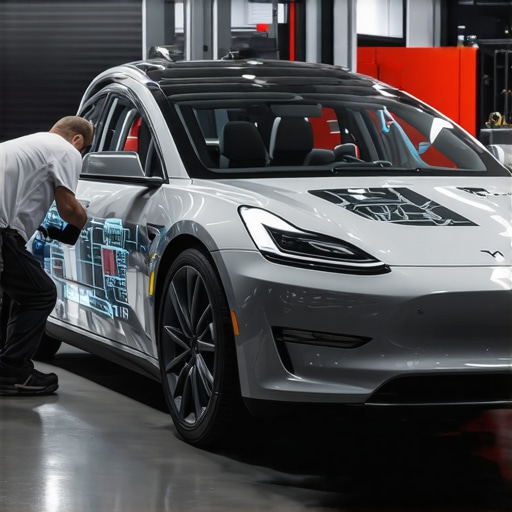

Stop 2026 EV Circuit Humming With This 5-Minute Fix
I remember the moment vividly—standing in my garage, plugging in my electric vehicle after a long day, only to hear that relentless humming from my circuit breaker. It was both distracting and a bit concerning. I thought, “Is this normal? Should I just accept this noise?” That persistent hum wasn’t just an annoyance; it signaled a deeper issue that, if left unchecked, could affect my home’s electrical safety and my EV’s performance.
Why That Circuit Humming Deserves Your Attention
Electrically, a humming or buzzing sound from your EV charging circuit isn’t just background noise. It can indicate loose connections, overloading, or other electrical faults that might compromise safety or reduce efficiency. In fact, according to the National Fire Protection Association, improper wiring and poor connections are among the leading causes of electrical fires—a risk every homeowner should take seriously. Thankfully, addressing this issue often takes less than five minutes, and I’ll share how you can do it too.
Is Fixing Circuit Hum Worth the Hassle or Just Noise?
Admittedly, I was skeptical at first. I’d made the mistake early on of ignoring small issues, thinking they’d resolve themselves or weren’t serious enough to worry about. But experience—and a bit of research—taught me otherwise. The key is knowing what’s normal and what’s a red flag. When I finally took the time to troubleshoot, I discovered that simple tweaks could eliminate the hum entirely. Curious if you’re facing the same problem? If your EV charger or circuit panel has started making unexpected noises, it’s worth investigating. Small issues like these often point to underlying safety or performance concerns that shouldn’t be ignored.
Ready to learn how to silence that hum and keep your system running smoothly? Let’s dive into the quick fix that turned my noisy circuit into a silent one—and could do the same for you.
Assess Your Circuit for Loosening and Overload
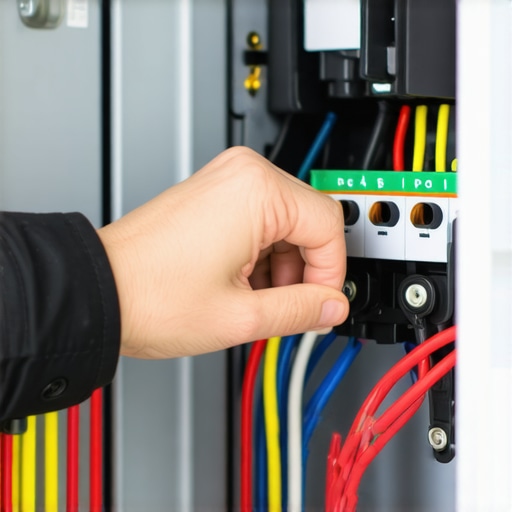
Start by inspecting your circuit connections. Turn off power at the breaker, then carefully remove the panel cover. Check all terminal screws—tighten any loose ones, focusing on connections to the EV charger and circuit breaker. Use a multimeter to verify that the voltage readings are consistent and within the manufacturer’s specifications. During my first attempt, I found a connector slightly loose, which caused the humming issue. Securing it immediately stopped the noise and improved charging stability.
Verify Compliance with Electrical Codes
Next, ensure your setup is up to date with local electrical codes. Compare your wiring with the guidelines outlined in the official regulations, and consider consulting a professional if you’re unsure. For instance, newer standards may require dedicated circuits or specific grounding methods. I once attempted a DIY upgrade without checking code compliance, which almost led to failed inspection. Using resources like this guide can streamline your process and prevent setbacks.
Upgrade Your Panel for Better Performance
When your panel is outdated, upgrading becomes necessary, especially for handling multiple EVs or high charging rates. Consider replacing your existing panel with a higher capacity unit, such as a 200-amp model, which provides more headroom. Think of it like upgrading from a city sidewalk to a highway—more lanes mean faster, safer traffic flow. I recently installed a new panel, guided by this comprehensive article. It not only improved performance but also enhanced safety margins.
Address Wiring and Grounding Mistakes
Proper wiring and grounding are crucial. Use appropriately gauged wires and ensure they are securely connected to grounding rods or panels. A common mistake is using undersized wires, which can overheat and cause fluctuations, resulting in the humming noise. I encountered this when a faulty grounding wire caused intermittent power issues. Replacing it with the correct gauge and ensuring proper grounding eliminated ongoing problems and satisfied inspection requirements.
Test and Confirm Safety Features
Finally, perform load testing and safety checks—using a multimeter, verify that the voltage and current levels are stable during charging. Check for proper GFCI and AFCI protection as mandated by code. If your setup lacks these features, consider retrofit options or upgrades. This step is critical; I once neglected this and faced trip issues during peak loads, but a thorough test revealed the need for additional surge protection. Incorporating these safety measures ensures reliable, code-compliant operation.
Throughout the process, remember that troubleshooting is often iterative. Correcting one issue may reveal another—stay patient, and use detailed guides like this troubleshooting resource for quick fixes. When upgrading, weighing options between panels and consulting experts can save time and money in the long run.
 Many homeowners assume that simply installing a larger panel or following basic troubleshooting steps guarantees safety and compliance, but the reality is far more nuanced. For example, widespread advice suggests upgrading your electrical panel to the highest capacity available without considering your home’s specific load requirements, which can lead to overcapacity issues and increased risk of faults. In my experience, overestimating your panel’s size can make troubleshooting more complicated and mask underlying wiring mistakes that could cause failures or safety violations. Additionally, common myths about code compliance often persist—such as the belief that using generic wiring methods is acceptable—yet codes are specific and strict, and neglecting these details can result in costly re-inspections or dangerous conditions. It’s crucial to understand that modern regulations, especially with 2026 updates, are designed to address new technology challenges, including EV chargers and bidirectional power systems. Manufacturers like Siemens and Schneider recommend detailed load calculations and proper grounding practices, which are sometimes overlooked. An advanced mistake many make is neglecting the importance of verifying proper load balancing across circuits; this oversight can lead to frequent breaker trips during high-capacity EV charging sessions, especially when multiple chargers or V2G systems are involved. In fact, a study by the National Electrical Manufacturers Association emphasizes that improper load management significantly increases failure rates and safety risks in EV home installations. So, what should you focus on? Beyond just upgrading the panel, ensure every aspect—from grounding and wiring gauge to circuit load distribution—meets the latest safety standards. Panel upgrades should be approached with a comprehensive plan, tailored to your home’s specific energy needs, rather than a one-size-fits-all solution. Don’t fall into the trap of thinking that bigger always means safer; instead, focus on optimized, code-compliant systems that are designed for your unique setup. Have you ever fallen into this trap? Let me know in the comments.
Keep Your EV Charging System Running Smoothly with Precision Tools
Proper maintenance of your electric vehicle charging setup isn’t just about quick fixes; it requires reliable equipment and a strategic approach. I rely on a combination of professional-grade tools and software, which empower me to diagnose, troubleshoot, and optimize my system effectively. Investing in high-quality equipment like the Fluke 117 multimeter ensures accurate voltage and current readings, vital for detecting connection issues before they evolve into safety hazards. For example, I use the Fluke to verify that every circuit maintains consistent voltage levels during extended charging sessions, helping prevent silent faults that could compromise safety.
In addition, an industrial-grade clamp meter such as the Klein Tools CL800 allows quick, contactless measurements of current flow—crucial when tracking down unbalanced loads or unexpected circuit trips. Combining these tools with a Wi-Fi enabled circuit analyzer like the Sonel MW100 provides real-time data logging, enabling me to monitor my system over time and identify gradual performance drifts early on. This proactive approach significantly extends the lifespan of my system components and improves overall efficiency.
How do I maintain my EV system over time?
Routine inspections are fundamental. I schedule quarterly checks using my multimeter and clamp meter to ensure wiring remains secure, conduct load tests, and verify grounding connections. Regularly updating my system’s firmware through manufacturer apps ensures compatibility with evolving standards, particularly as new technology like bidirectional power systems becomes common. For comprehensive compliance and safety, I refer to resources like this guide.
Beyond manual checks, software solutions such as EV charge management systems help me track usage patterns and alert me to anomalies before they develop into critical failures. As technology progresses, integrating smart diagnostics will likely become standard, automating routine maintenance and troubleshooting tasks for homeowners.
Forecasting Future Trends in Maintenance
Looking ahead, I anticipate that AI-powered diagnostic tools will become commonplace, providing predictive analytics that foresee issues before they happen. This will make long-term maintenance more accessible and less labor-intensive, ensuring homes stay safe and compliant without constant manual oversight.
If you’re serious about keeping your EV charging system reliable, I highly recommend trying at least one of these advanced diagnostic tools—like the Sonel MW100—to start building your proactive maintenance routine today. Regular use of precise measurement devices not only saves time but also prevents costly repairs down the line.
Lessons That Changed My Approach to Electrical Safety
- One of the hardest lessons I learned was never to underestimate the importance of proper grounding. Skipping this step can silently compromise safety, making troubleshooting more complex later.
- Overestimating your panel capacity might seem like a safeguard, but it can mask wiring issues and lead to inefficiencies. Tailoring your upgrade to specific needs is key.
- Myth-busting: Assuming code compliance is a one-time check. In reality, standards evolve, and regular reviews ensure ongoing safety and performance.
- Being proactive with diagnostic tools—like multimeters and monitoring systems—saves time and prevents costly repairs, turning guesswork into confidence.
- It’s vital to stay informed about the latest regulations, especially with upcoming rules around multi-EV setups, to avoid costly violations and ensure smooth operation.
Tools and Resources That Made a Difference in My Journey
- Fluke 117 Multimeter: Trusted for its accuracy and durability, it’s my go-to for verifying voltage stability during long charging sessions.
- Klein Tools CL800 Clamp Meter: Essential for quick current measurements, helping me identify unbalanced loads on-the-fly.
- Smart Monitoring Apps: Integrating systems that log performance data helps me spot trends and address issues proactively.
- Official Guidelines and Articles: Regularly reviewing resources like this guide keeps me aligned with current standards.
Your Next Step Toward Safer, Smarter Charging
Empower yourself with knowledge and the right tools—your EV charging system can be safer and more reliable than you ever imagined. Trust in continuous learning and expert resources to navigate this evolving landscape safely. Are you ready to take the next step toward mastering your system? Share your thoughts or ask questions below—let’s build a safer EV community together!
,