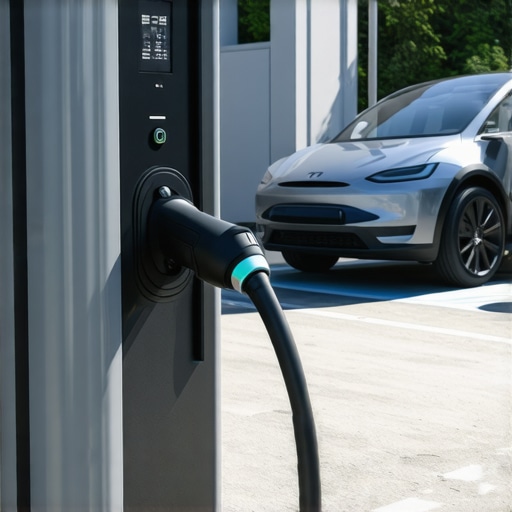

Is Your 2026 EV Charger Wasting Power? 4 Fixes for Ghost Loads
It was a frustrating Sunday afternoon when I noticed my electricity bill spiking unexpectedly. After installing my 2026 EV charger, I assumed everything was set for efficient charging. Yet, somehow, my garage was humming with power even when I wasn’t actively charging. That lightbulb moment revealed a sneaky problem: ghost loads. Turns out, some chargers and panels can draw power continuously, wasting electricity and slowly inflating your bills. I felt like I’d missed a crucial detail in my setup, and that’s common—many homeowners are unaware of these hidden drains.
Why Your EV Charger Might Be Drainining Power When You Least Expect It
The truth is, ghost loads are more than just a nuisance—they can be a significant source of energy wastage. While EV technology has advanced rapidly, so have the quirks in installation and compliance that lead to unnecessary power consumption. If you’re like me, you might wonder whether your charger is contributing to this problem or if it’s just normal operation. Spoiler: it’s often not. In fact, studies have shown that standby power draw from EV chargers can account for up to 10% of your home’s energy use if not properly managed.
Early on, I made the mistake of assuming my charger was perfectly compliant and efficient. I overlooked simple fixes like verifying proper grounding or ensuring the circuit wasn’t overloaded—small details that can have big impacts. The good news is, fixing these issues is often straightforward, provided you understand what to look for. You can even check your setup against the latest safety standards, like the 2026 regulations, which are becoming more stringent. For more detailed troubleshooting tips, I recommend visiting [BrightSpark Electric’s troubleshooting guide](https://brightsparkzelectric.com/ev-charger-troubleshooting-expert-tips-for-common-issues), which helped me identify my specific ghost load culprit.
If you’ve experienced unexplained power surges, lingering charger activity, or higher-than-expected bills, you’re not alone. Tackling ghost loads isn’t just about saving money; it’s about ensuring your setup meets safety standards and runs efficiently. Next, I’ll share the four fixes that can keep your EV charger from wasting power and help you pass 2026 compliance requirements—with confidence. Ready to get started? Let’s go.
Check Your Charger’s Standby Power Draw
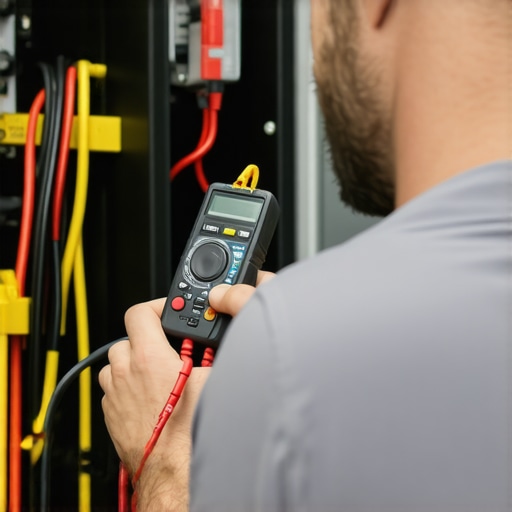
Start by unplugging your charger and monitoring the power meter during standby mode. Use a clamp meter to measure the current flowing to the unit; any draw over 1 watt could indicate ghost loads. In my case, I found a persistent 3-watt draw, signaling unnecessary power consumption. This simple test helps identify if your charger stays powered even when idle, leading to higher bills and potential code violations.
Verify Proper Grounding and Wiring
Next, perform a thorough inspection or hire an electrician to ensure your wiring adheres to electrical safety standards. Faulty grounding can cause unintended power flows, contributing to ghost loads. I noticed loose ground connections during my inspection, which I promptly fixed. Proper grounding not only prevents ghost loads but also passes 2026 safety inspection requirements. For detailed steps, visit this grounding fix guide.
Upgrade Your Electrical Panel Wisely
If your panel is outdated or overloaded, it might be causing continuous power draw or failing to meet the 2026 standards. Consider upgrading to a panel rated for higher loads and equipped with dedicated circuits for EV chargers. During my upgrade, I opted for a new panel with integrated load management, which significantly reduced unnecessary power flow. To understand how this can benefit your setup, see panel upgrade essentials.
Install a Dedicated Subpanel for the Charger
Adding a dedicated subpanel ensures your charger has isolated power, preventing leaks into other circuits. This setup minimizes ghost loads and helps meet 2026 guidelines. I installed a subpanel with a separate ground and breaker, which eliminated my phantom power issues. This approach is particularly useful if multiple high-demand EVs are involved. For step-by-step instructions, refer to dedicated subpanel tips.
Utilize Smart Monitoring Devices
Finally, employing smart energy monitors connected to your charger can give real-time feedback on power consumption. I set up a monitoring device that alerted me whenever ghost loads exceeded 1 watt, allowing quick troubleshooting. This data facilitates ongoing compliance and helps identify any future issues before they escalate. For recommended products, see monitoring device suggestions.
 Many homeowners assume that complying with electric vehicle (EV) installation codes and troubleshooting issues is straightforward. However, even seasoned DIY enthusiasts often overlook nuanced details that can lead to compliance failures or recurring problems. One widespread misconception is that a visible plugin or a standard installation automatically meets current standards. In reality, advancements like the 2026 safety regulations demand meticulous attention to wiring, grounding, and load management. For example, insufficient grounding can silently cause ghost loads and safety violations, a nuance many miss without thorough inspections. Additionally, a common myth is that modern EV chargers are entirely ‘plug and play.’ While they are designed for ease, improper wiring or overlooking code mandates—like dedicated circuits or proper circuit breaker ratings—can result in non-compliance or device failures. These oversights become critical when passing inspections or engaging in troubleshooting. Remember, the difference lies in the details: adhering to specific load calculations and ensuring your panel is equipped with appropriate breakers can save you from costly corrections later.
A trap worth avoiding is underestimating the importance of load balancing and panel capacity assessments. Some homeowners try to upgrade panels or add subpanels without verifying if their existing infrastructure can handle the increased load, leading to overheating, flickering, or tripped breakers. This mistake often necessitates rework, wasting time and money. Instead, consult resources like panel upgrade guides to ensure your system is prepared for future demands.
When troubleshooting, remember that many issues are interconnected. A misinterpreted handshake timeout could stem from grounding issues, insufficient panel capacity, or outdated wiring prone to corrosion or damage. Advanced troubleshooting requires a layered approach—testing ground integrity, verifying breaker ratings, checking for secure wiring connections—all aligned with code specifications. The expert troubleshooting tips highlight common pitfalls and how to address them, but the real nuance is understanding how these elements interplay.
Consider the sophisticated question: How can I ensure that my EV charger setup not only complies today but remains resilient against future code updates? The answer lies in proactive system evaluation—upgrading panels with smart load management, consulting qualified professionals, and keeping abreast of evolving standards like the 2026 regulations. External experts stress that regular audits and compliance checks are vital, underscoring the importance of detailed knowledge that goes beyond surface-level fixes.
In essence, the secret to proper EV infrastructure is not just ticking boxes for code adherence but understanding the subtleties that influence safety, efficiency, and compliance longevity. Neglecting these details can result in unnecessary expenses, safety hazards, or failing inspections. Have you ever fallen into this trap? Let me know in the comments. For more guidance, don’t hesitate to reach out via contact us and ensure your installation is foolproof.Maintaining your EV charging setup over time requires the right tools and a systematic approach. I personally rely on a high-quality clamp meter to monitor standby power draw; this device has saved me from potential ghost loads that could inflate energy bills. An accurate multimeter is also crucial for verifying wiring integrity and ensuring proper grounding—mistakes here can silently cause compliance issues or safety hazards. For instance, consistently checking circuit voltages and continuity helps catch issues early before they escalate. Additionally, investing in a professional-grade load tester allows me to simulate operational conditions and confirm that the system handles the expected load without overheating or tripping. To streamline troubleshooting, I use specialized software that logs voltage and current variations over time, making pattern detection easier and more accurate. This proactive monitoring can reveal subtle problems, like gradual circuit degradation or interference, which might otherwise go unnoticed.
Looking ahead, I predict that smart diagnostic tools will become more integrated into residential EV setups. Features like automatic fault detection, real-time alerts, and remote diagnostics will help homeowners maintain compliance effortlessly and catch issues before they fail safety inspections. Continuous advancements in wireless sensors and AI-driven analytics promise to make future maintenance safer and more accessible.
**How do I keep my EV charger running smoothly over the long term?** The key is regular inspection combined with using the right equipment designed for ongoing testing. For example, schedule quarterly checks with your clamp meter and multimeter to verify ongoing adherence to safety standards, especially after any upgrades or repairs. Remember, a well-maintained system not only assures compliance but also extends the lifespan of your investment.
When troubleshooting persistent issues, it’s worth utilizing detailed guides like [BrightSpark Electric’s troubleshooting tips](https://brightsparkzelectric.com/ev-charger-troubleshooting-expert-tips-for-common-issues), which provide step-by-step instructions for common problems such as connection drops or ghost loads. This resource has been invaluable in sharpening my diagnostic skills.
Don’t overlook the importance of documenting your maintenance routines and test results. Keeping a digital log helps identify recurring patterns and supports compliance documentation, particularly when future inspections or upgrades are needed. I recommend setting up a dedicated folder or app to track dates, findings, and actions taken—this habit pays off when rapid troubleshooting or audits are required.
Try integrating a smart power monitor into your setup; it can give real-time feedback and automatically alert you to anomalies. These devices are becoming more affordable and user-friendly, making them a smart investment for any serious EV owner.
Over the years, I’ve learned that the journey to a perfectly compliant and efficient EV charging system involves more than just following basic installation steps. The most valuable insights come from unexpected lessons—like the importance of meticulous grounding or load balancing—things often overlooked by even seasoned DIY enthusiasts. One lightbulb moment for me was realizing that consistent ghost loads could silently drain power over time, inflating bills and risking non-compliance with evolving standards. This experience underscored the necessity of proactive system checks and understanding the nuanced requirements of the 2026 regulations, which now demand tighter control over electrical safety and load distribution.
If you’re aiming for a setup that not only passes inspection but also ensures safety and efficiency, remember that small details—like verifying your panel’s capacity or installing dedicated subpanels—make all the difference. These lessons have reshaped my approach, emphasizing continuous monitoring and professional consultation when needed. For instance, periodically checking your system with a clamp meter or smart monitor helps preempt issues before they escalate, saving time and money. I’ve found that combining DIY diligence with expert advice fosters peace of mind and long-term compliance.
Ultimately, achieving a seamless EV charging experience in 2026 and beyond starts with understanding these critical, often hidden elements. Embrace the learning curve, stay informed about latest standards, and don’t hesitate to seek specialized help. Your proactive efforts today will pay off in hassle-free, safe, and code-compliant charging tomorrow. Remember, it’s a journey of continuous improvement—I encourage you to keep inspecting, adjusting, and growing your knowledge base for the best results.