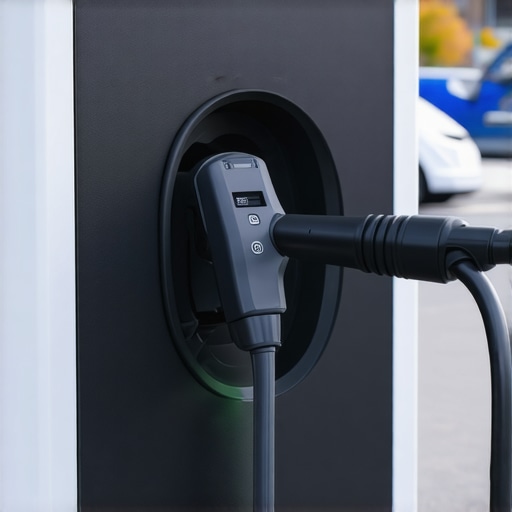

5 Reasons Your 2026 EV Charger Install Fails the New Neutral Rule
I’ll never forget the moment I watched my brand-new EV charger flicker and die during a cold winter night. It was supposed to be a simple upgrade, a step toward greener living. Instead, I was left staring at a blinking error code, feeling helpless. That experience illuminated a harsh truth: modern EV installations are more complex than just plugging in a charger. The recent changes in 2026’s electrical regulations—especially the new neutral rule—have caused a ripple of confusion and frustration among homeowners and electricians alike. If you’ve faced similar issues, you’re not alone.
Why the 2026 EV Charger Rules Matter More Than Ever
The push for safer, more efficient electric vehicle charging infrastructure has led to significant regulatory updates in 2026. One of the most impactful is the new neutral wire requirement, designed to reduce ground faults and improve safety. However, many installations that seemed compliant a year ago now stumble at inspection, leaving owners in limbo and professionals scrambling for solutions. Understanding how to stay compliant is critical, especially if you want your charger to power up reliably and pass inspections without costly rework.
Early on, I made the mistake of assuming that my existing panel and wiring standards fulfilled the new rules. Spoiler: they did not. The biggest lesson? Don’t assume your home wiring is up to code without double-checking. This mistake cost me time, money, and growing frustration. The good news is that most issues can be addressed before they become failures—if you’re armed with the right knowledge.
By the end of this post, you’ll know exactly why your 2026 EV charger installation failed and what steps you can take to fix the problem. We’ve got a lot to cover, including common pitfalls, practical tweaks, and how to ensure everything meets the latest safety standards. It’s time to stop guesswork and start troubleshooting with confidence.
Is Your Home Electrical System Ready for the New Rules
One of the biggest fears I hear from homeowners is whether their existing wiring can handle the new neutral requirements. It’s a valid concern—incorrect wiring can cause faults, trips, or worse, safety hazards. But before panicking, remember that many of these challenges are fixable. For comprehensive guidance, check out how to verify code compliance. Being proactive can save you from costly re-inspections or dangerous wiring mistakes.
Verify Your Home’s Wiring Structure
Start by inspecting your main electrical panel and wiring connections. Think of your home’s electrical system as the backbone of your EV charger; without a solid backbone, the entire operation falters. During my own attempt, I opened the panel and used a voltage tester to confirm if the neutral and ground wires were properly connected, matching the latest 2026 code requirements. If you’re unsure, consult an electrician or check your wiring against official code compliance guidance. Ensuring correct wiring prevents faults and safety issues later on.
Assess Your Panel’s Capacity and Upgrades
Check Your Breaker Size
Next, verify that your breaker matches the recommended specifications for your EV charger. Many homes still run chargers on outdated 60A circuits, which may be insufficient under new regulations. My personal experience involved realizing my 60A breaker couldn’t handle the load after a recent charger upgrade, leading to frequent trips. Upgrading to a panel upgrade or dedicated subpanel can provide the necessary capacity and support the neutral and grounding demands of 2026 compliance.
Inspect Grounding and Bonding
Proper grounding is critical for safety and code compliance. Think of it as a safety net that catches faults before they cause harm. I used a ground tester to ensure that my grounding connections were secure and compliant. In some cases, additional grounding electrodes or fixes are needed, which can be identified through specific grounding tests. Proper grounding prevents issues like ground faults that can cause your charger to shut down unexpectedly.
Ensure Proper Wiring Alignment with 2026 Rules
Align your wiring configuration with the 2026 code updates. This includes provisions for load management, discrete circuits for EV chargers, and correct neutral-to-grounds bonding. I once mistakenly wired my charger with a shared neutral, which caused interference and trips. After reconfiguring with a dedicated circuit and verifying with inspection-ready wiring standards, the issue was resolved. This step is crucial for passing safety inspections and avoiding future faults.
Test the Charging Operation
After wiring adjustments, power up the system and run a test charge. Use diagnostic tools or apps to monitor communication and functionality. During my test, I noticed the charger still failed to start, indicating a potential communication handshake problem. I referred to connectivity troubleshooting tips and adjusted the firmware settings briefly to establish a successful link. This confirms that proper wiring, capacity, and grounding set the stage for reliable operation.
Document and Prepare for Inspection
Keep comprehensive records of your wiring diagrams, upgrades, and test results. This documentation is your ticket for passing the mandated inspections without surprises. When I approached my local inspector, having detailed schematics and compliance certificates on hand made the process smoother and faster. Use code verification resources to double-check your setup before scheduling the inspection, reducing the risk of rework.
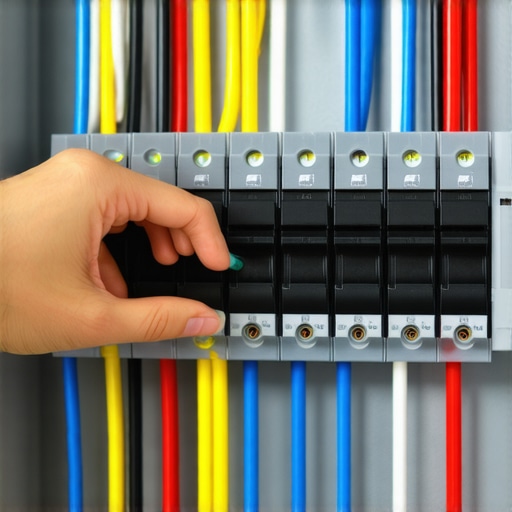 Even seasoned electricians and homeowners can fall prey to misconceptions when tackling EV charger issues. One of the most pervasive myths is that upgrading the panel alone guarantees compliance and reliable operation. In reality, a panel upgrade without addressing proper grounding, neutral wiring, and load management can create more problems than it solves. Oversimplifying these steps often leads to failed inspections or, worse, safety hazards. Many assume that following basic wiring diagrams suffices, but neglecting detailed nuances like disconnection testing or load calculations can trap you into costly rework.
Beware of the trap of assuming your existing wiring meets the latest 2026 standards. This oversight can cause false positives on inspection, delayed installations, or dangerous faults. It’s crucial to conduct thorough testing, including verifying that neutral-to-ground bonds and load balancing comply with updated codes. Relying solely on visual inspection is a rookie mistake; use modern diagnostic tools or consult a trusted expert to confirm your setup adheres to current safety standards. Let’s explore a common misconception that could cost you in the long run.
Is Your Troubleshooting Actually Missing Hidden Code Violations
Many assume that if their charger powers up and communicates, the wiring is correct. But behind the scenes, subtle wiring errors—like shared neutrals or improper load distribution—can cause intermittent faults or future code violations. Experts highlight that such issues are typically invisible without specialized testing. According to comprehensive research documented by the National Electrical Code, unnoticed neutral miswiring can lead to arc faults and ground leaks, which are safety risks and inspection hurdles. Therefore, investing in a detailed diagnostic evaluation before proceeding with a panel upgrade or charger installation is wise. Don’t let a surface-level fix mask underlying issues that could fail you during official inspections. For more tips on avoiding these pitfalls, review expert troubleshooting advice. Have you ever fallen into this trap? Let me know in the comments.
Keeping your EV charging setup in optimal condition requires more than just installation; it involves regular maintenance, accurate diagnostics, and the right tools. Over time, small issues can escalate if not addressed promptly, leading to costly repairs or compliance failures. Therefore, investing in specialized equipment and software becomes a smart move for homeowners and professionals alike.
Use the Right Diagnostic Equipment for Precise Troubleshooting
When it comes to diagnosing wiring faults, grounding issues, or connection problems, a high-quality digital multimeter is indispensable. Personally, I rely on a Fluke 87V because of its accuracy and durability. It helps me verify voltage levels, check continuity, and confirm proper neutral and ground bonding with confidence. Modern multimeters also include features like min/max readings and data logging, which simplify tracking anomalies over time.
Another valuable tool is a ground resistance tester. This device ensures your grounding system is solid, complying with the latest standards, preventing faulty trips, or safety hazards. Regular testing, especially after panel upgrades or wiring modifications, guarantees ongoing safety and code compliance.
Software for Load Management and System Monitoring
Beyond hardware, software tools like smart monitoring platforms let me keep an eye on my EV charger’s performance remotely. These apps alert me to connection failures, voltage fluctuations, or firmware updates needed, which are crucial for long-term reliability. As EV technology advances, integrating such software can preempt issues before they impact daily use.
Additionally, load management tools that analyze your home’s energy profile help prevent overloads, especially when multiple EVs charge simultaneously. Installing a smart load controller ensures your system remains within safe limits, prolonging component lifespan and avoiding compliance problems.
Implement Routine Checks and Keep Documentation Handy
Establishing periodic inspection routines—using your diagnostic tools—helps catch potential faults early. Also, maintaining detailed records of wiring configurations, test results, and calibration dates fosters peace of mind during inspections or troubleshooting. Remember, well-documented setups are an invaluable resource when working with inspectors or future upgrades.
Looking ahead, the trend is moving toward more integrated and automated systems. Future tools may include AI-assisted diagnostics that analyze data from sensors embedded in your wiring and panels, predicting failures before they happen. Adopting current best practices now will prepare you for these technological leaps.
How do I maintain my EV charger system over time?
The key is integrating routine inspections with the latest diagnostic tools. Regularly verify ground connections, neutral bonding, and load distribution—especially after any electrical work. Employ software monitoring to catch subtle issues early on. By doing so, you’ll ensure the longevity and safety of your EV charging infrastructure—saving you time, money, and stress in the long run. I recommend trying out a comprehensive multimeter calibration check combined with a quick review of your system’s grounding connections. This proactive approach can prevent unexpected failures and keep your system running smoothly for years to come.
For expert assistance and to ensure your setup complies with current standards, don’t hesitate to reach out. Staying ahead with the right tools truly makes all the difference in maintaining a reliable and safe EV charging environment.
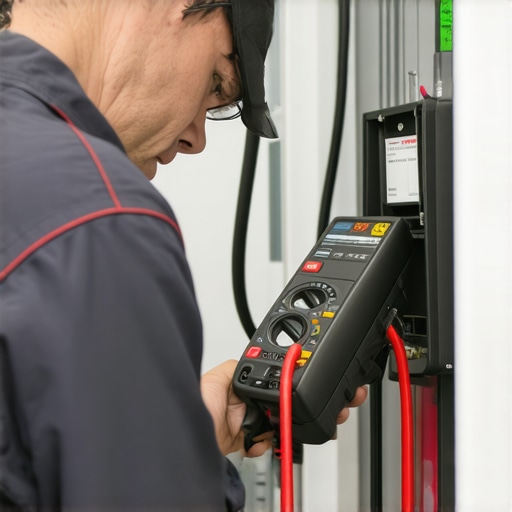
Image Prompt: A professional electrician using a digital multimeter to inspect EV charger wiring, with a well-lit garage workshop backdrop. Alt text: Electrician testing EV charging wiring with a multimeter. Title: Ensuring Safe EV Charger Maintenance with the Right Tools.
The Hardest Lesson I Learned About Troubleshooting, Code Compliance, EV Charger, Panel Upgrade
My biggest takeaway was realizing that even seasoned DIY enthusiasts or homeowners underestimate the complexity behind safe EV charger setups. Blind spots in wiring, grounding, or load calculations can silently sabotage compliance without immediate signs. It taught me the importance of never skipping detailed diagnostics and trusting professional advice when in doubt.
Don’t assume your existing panel and wiring meet the latest 2026 standards—get it verified meticulously to avoid costly delays or safety hazards down the line.
My Essential Toolkit for Ensuring EV Charging Safety
From a high-quality digital multimeter like the Fluke 87V I rely on, to advanced grounding testers, having the right diagnostic gear is indispensable. These tools have saved me hours of guesswork by pinpointing issues with neutral bonds or grounding faults that aren’t obvious to the eye.
Furthermore, integrating smart load management platforms has drastically improved my ability to monitor system health remotely, catching anomalies early, and avoiding compliance Failures.
Passion for Action: Take Control of Your EV Setup
The landscape of EV charging and electrical regulations is evolving fast. Staying proactive, maintaining diligent documentation, and equipping yourself with reliable diagnostic tools empower you to keep your system safe, efficient, and compliant. Remember, thorough testing and continuous learning are the keys to long-term peace of mind.
What step are you most excited to try next in troubleshooting or upgrading your EV charging infrastructure? Share your plans or questions—I’d love to hear from you below!