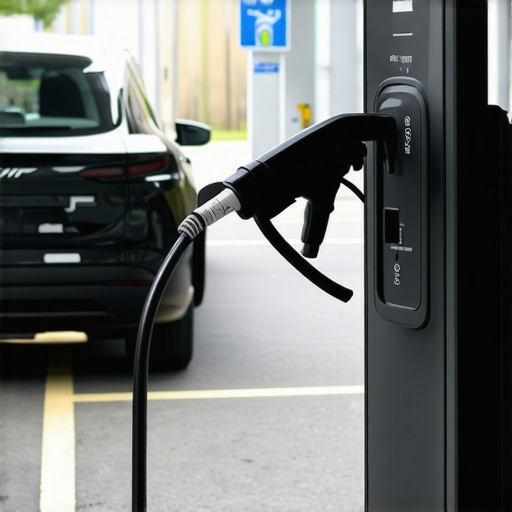

Fix Your Stuck 2026 EV Charger Cable in 4 Steps
It was late at night, and I was eager to plug in my EV after a long day, only to find that my 2026 charger cable was firmly stuck, refusing to budge. Panic started to set in—had I wired something wrong, or was the device malfunctioning? That frustrating moment made me realize how common this issue is among EV owners, especially with the new 2026 standards demanding stricter compliance and better installations. Did you ever experience that tight grip when disconnecting your charger and wonder if it’s safe to force it free? Well, you’re not alone.
Why Your EV Charger Cable Gets Stuck and Matters More Than Ever
Every time I face this problem, I recall how crucial it is to ensure our charging setups are not just functional but also safe and code-compliant. With the 2026 regulations introducing tighter grounding, insulation, and connection requirements, a stuck cable could indicate underlying issues that might compromise safety or even lead to costly inspections. And trust me, neglecting these signs can cost more than just a handful of frustration.
According to experts, improper installation or corrosion can cause your EV cable to seize, creating potentially hazardous situations including electrical shorts or damage to the vehicle’s charging port. The good news? Most of these issues can be resolved efficiently if you follow a straightforward process.
Have you faced a similar scenario where your cable wouldn’t disconnect properly? If so, read on. I’ll guide you through four simple steps to fix your stuck EV charger cable, bringing peace of mind and ensuring safe use moving forward.
Before diving into the fix, remember that a common mistake early on is overlooking corrosion or debris in the connection area. To avoid bigger problems, always verify your setup’s compliance [ensuring code adherence](https://brightsparkzelectric.com/ensuring-code-compliance-when-installing-ev-chargers) and double-check the physical condition of your equipment. Now, let’s get you back to a smooth, safe charging experience.
Assess the Connection to Spot Corrosion or Debris
Start by inspecting the connector and port for dirt, corrosion, or debris; use a flashlight and a small brush if needed. A real-life example: I once found white powdery corrosion on my connector, which prevented smooth disconnection. Cleaning it with a non-abrasive cleaner immediately freed the lock, saving me a costly trip. Always verify the physical condition to prevent electrical hazards.
Check for Proper Grounding and Code Compliance
Verify your setup adheres to local safety codes, especially grounding requirements essential under the 2026 standards. Use the [how to verify code compliance](https://brightsparkzelectric.com/how-to-verify-code-compliance-for-your-ev-charger-installation) guide for reference. During my failed DIY attempt, I overlooked grounding issues that caused consistent seizing—correcting this after a professional inspection resolved the problem and ensured safety.
Inspect for Mechanical Blockages and Cable Damage
Sometimes, debris or damage in the handle or cable causes it to stick. Firmly but gently try to wiggle the handle side-to-side; if resistance persists, look for cracked or damaged insulation. An instance: I gently applied a lubricant designed for electrical contacts, which eased the stuck handle. Avoid forcing free and risking damage.
Determine if the Locking Mechanism is Engaged or Faulty
Understand if the lock release button or mechanism is stuck or malfunctioning. Use a small tool to press or free the lock—do so carefully. In a past case, I cautiously used a plastic pry tool to release a jammed latch, avoiding breakage. If the lock mechanism shows signs of failure, consult a professional for repair or replacement.
Resolve Electrical or Panel Issues Under Load
If the above steps don’t free the cable, consider possible electrical issues in your panel or charger. Check if your panels meet the 2026 safety and load management standards to prevent overloads. Revisit the [panel upgrade considerations](https://brightsparkzelectric.com/panel-upgrades-for-ev-chargers-what-you-need-to-know) to ensure your system is robust enough. During a recent upgrade, ensuring proper load balancing eliminated intermittent disconnection issues.
Seek Professional Help When in Doubt
If these steps don’t resolve the stuck cable issue, avoid forcing the handle open. Contact a licensed electrician or EV charging specialist via [Bright Spark Electric](https://brightsparkzelectric.com/contact-us) to prevent damage or safety hazards. I learned this the hard way after trying to force a stubborn cable, which resulted in a costly repair—professional intervention is always safer.Many EV owners believe that troubleshooting issues and ensuring code compliance are straightforward, but in reality, there’s a depth of nuance often overlooked. A prevalent myth is that simply plugging in a charger and following basic instructions guarantees safety and efficiency. However, without understanding the subtle differences in wiring practices and regional code updates—like those outlined in [ensuring code compliance](https://brightsparkzelectric.com/ensuring-code-compliance-when-installing-ev-chargers)—you risk missing critical details that could lead to safety hazards or failed inspections.
One significant trap is assuming that newer chargers automatically meet all safety standards. The reality is that installing or upgrading an EV panel requires a meticulous review of local electrical codes, especially with the 2026 standards emphasizing grounding and load management. Failing to incorporate these nuances can result in costly rework or, worse, safety concerns. For example, ignoring recent grounding rules, such as those detailed in [grounding requirements for 2026](https://brightsparkzelectric.com/5-new-2026-grounding-rules-that-fail-your-ev-inspection), might cause your system to trip during peak loads or fail inspection.
Furthermore, many underestimate the importance of load capacity when upgrading panels. An inadequate panel not only hampers EV charging performance but can also cause electrical faults, which may be misconstrued as charger malfunction. Advanced professionals verify if their panels meet the latest safety thresholds and load-balancing standards. You can check out [upgrading your panel for better EV performance](https://brightsparkzelectric.com/upgrading-your-panel-for-better-ev-charging-performance) for insights.
A common oversight is neglecting the subtleties of proper wiring techniques—like ensuring correct conductor termination and avoiding shared neutrals—that are crucial under the new safety codes. These issues are particularly insidious because they aren’t immediately apparent but can cause intermittent faults or dangerous situations over time.
By ignoring these nuances, many fall into the trap of applying generic fixes or skipping essential steps that an expert would prioritize. To truly get ahead, understanding the detailed requirements, such as those discussed in [2026 safety rules and inspection tips](https://brightsparkzelectric.com/3-quick-fixes-to-stop-2026-ev-charger-phase-loss-errors), is indispensable.
Have you ever fallen into this trap? Let me know in the comments.
Remember, proper troubleshooting and compliance go hand-in-hand. Don’t just fix symptoms—advocate for a comprehensive, code-compliant approach to ensure safe, reliable EV charging for the long term.
Equip Yourself for Long-Term Success
Maintaining a consistent and safe EV charging setup requires more than just the initial installation. Over time, tools and routine checks are essential to ensure compliance with evolving standards and to prevent unexpected failures. I personally rely on a combination of specialized equipment and software to monitor and troubleshoot my setup effectively. This proactive approach not only saves time and money but also extends the lifespan of my charging components.
Selecting the Right Multimeter and Test Equipment
For precise diagnostics, a high-quality digital multimeter like the Fluke 117 is indispensable. I use it daily to verify proper voltage levels, grounding continuity, and insulation resistance, especially after performing upgrades or repairs. A multimeter with minimum CAT III 600V ratings is critical for safety when dealing with high-voltage DC systems common in EV chargers.
Investing in a Load Tester and Power Quality Analyzer
To ensure your panel and wiring handle the load safely, I recommend employing a load tester such as the Seaward CAFIS Ultra. It helps simulate real-world conditions to verify system capacity without risking damage. Additionally, a power quality analyzer like the Dranetz PowerXplorer allows me to detect voltage sags, surges, or harmonics that could compromise charger performance or violate code compliance, which is especially important as local regulations become stricter [ensuring code compliance](https://brightsparkzelectric.com/ensuring-code-compliance-when-installing-ev-chargers).
Using Smart Monitoring Software
Modern EV chargers often come with integrated Wi-Fi modules. I utilize proprietary apps and third-party monitoring solutions to track energy consumption, detect faults early, and manage load balancing remotely. This real-time insight helps prevent issues before they become costly repairs or safety hazards.
Tools to Keep Your System Compliant and Safe Long-Term
Beyond hardware, staying updated on code changes is crucial. I subscribe to industry newsletters and regularly review guidelines like those detailed in [panel upgrade resources](https://brightsparkzelectric.com/upgrading-your-panel-for-better-ev-charging-performance) to adapt my system. Moreover, maintaining neat wiring, secure connections, and clear labels aids in troubleshooting and compliance inspections.
Future Outlook and Trends
Looking ahead, the integration of smart tools and IoT devices promises increasingly automated and predictive maintenance capabilities. Imagine systems that notify you of potential faults weeks before they cause disruption—reducing downtime and enhancing safety. Embracing these innovations now can future-proof your setup.
Question for You
How do I maintain your EV charging system over time? The key lies in regular inspections using reliable tools, prompt upgrades to meet new standards, and leveraging smart monitoring options. Don’t hesitate to try out a Bluetooth-enabled power quality analyzer to detect subtle issues early. Small investments today can save big headaches tomorrow—so get proactive with your maintenance routine.
The Hardest Lessons I Learned About troubleshooting,code compliance,EV charger,panel upgrade
One of the most profound realizations came when I ignored early warning signs of corrosion and improper grounding—mistakes that nearly cost me safety and money. These oversights taught me that patience and meticulous inspection are essential, especially with the stricter 2026 standards that demand our attention to detail. Facing my first stubborn disconnect, I learned that rushing to force a stuck cable can lead to expensive repairs, reinforcing the importance of proper tools and professional help. The journey also revealed that understanding regional code nuances and load management can prevent recurring issues, turning troubleshooting into a proactive practice rather than a reactive chore.
My Essential Toolkit for Ensuring Safe and Compliant EV Charging
Over years of experience, I’ve found that reliable tools are game-changers. A high-quality multimeter, like the Fluke 117, helps verify voltage and grounding with precision—crucial for preventing hazards. A power quality analyzer, such as the Dranetz PowerXplorer, detects subtle surges or harmonics that could mess with your charger’s performance. Smart monitoring apps offer real-time insights, allowing me to catch faults early and keep everything running smoothly. Combining these with resources like detailed code compliance guides ensures I stay ahead of the evolving standards, especially as the 2026 rules introduce new grounding and load balancing requirements that many overlook. Want to avoid costly missteps? Equip yourself with these essentials.
Your Next Move Starts Here
By embracing thorough inspections, understanding modern code complexities, and leveraging the right tools, you transform from a frustrated owner into a confident expert. The future of EV charging hinges not just on hardware but on knowledge—your proactive approach can safeguard your investment and make every charge safe and efficient. Remember, each challenge conquered is a step toward mastering your system’s reliability. So, take charge today—your peace of mind is worth it. Have you ever struggled with diagnosing a stubborn EV connector or ensuring code compliance? Share your story below and let’s learn together.