![Fixing 2026 EV Charger Handshake Delays in Winter [Solved]](https://brightsparkzelectric.com/wp-content/uploads/2026/04/Fixing-2026-EV-Charger-Handshake-Delays-in-Winter-Solved.jpeg)

Fixing 2026 EV Charger Handshake Delays in Winter [Solved]
It was freezing outside, and I was eager to get my EV charged before heading out. But as I plugged in, the charger kept flashing an error—handshake failure. Frustration rose. I had upgraded my panel, verified code compliance, and thought I was set. Yet, winter’s cold always seemed to turn my charging routine into an ordeal. Sound familiar? If you’ve experienced similar delays, you’re not alone. For many EV owners, winter weather introduces unwanted hiccups—specifically handshake delays—that can disrupt your charging plans and leave you stranded. But I promise, there’s a way to fix this, based on real-world solutions and a bit of trial and error.
Why Winter Turns EV Handshake Problems Into a Real Headache
When temperatures drop, your EV charger’s communication protocol—what’s called the handshake—can become sluggish or fail altogether. This isn’t just inconvenient; it’s a safety concern and can even violate local electrical codes if not addressed. Early on, I made the mistake of assuming that all I needed was good wiring and compliance, neglecting cold-weather effects. That was a mistake. Realizing that cold weather affects not just your car but also your home’s electrical signals was a turning point.
But what exactly causes these handshake failures in winter? According to experts at Bright Spark Electric, colder temperatures can increase resistance in wiring and affect the electronics in your charger and panel, leading to communication glitches or complete outages. These issues are often compounded if your electrical system isn’t optimized for the increased load or doesn’t comply with the latest standards. Understanding this was my lightbulb moment—these problems aren’t just about the charger; they’re about the entire system’s robustness during winter.
So, how do we solve this? Well, first, it’s essential to verify whether your latest installation meets all safety and code requirements. Sometimes, overlooked details like improper grounding or outdated panel components are culprits. Then, you need practical steps to improve reliability during the coldest months. That’s what I’ll share next—my tried-and-true methods to minimize handshake delays and keep your EV charging smooth all winter long.
But before we dive into the solutions, ask yourself—have you recently faced handshake failures during cold snaps? If so, you’re in the right place. Let’s get your system winter-ready and keep your EV charging hassle-free come snow or ice.
Inspect and Upgrade Your Electrical Panel
Start by evaluating your existing electrical panel’s capacity and condition. Cold weather amplifies resistance in outdated or undersized panels, leading to communication issues with your EV charger. I once faced frequent handshake failures during a particularly cold spell, which I traced back to an aging panel undersized for my EV load. Upgrading to a 200-amp panel with dedicated circuits improved reliability significantly. For detailed guidance, visit this resource on panel upgrades.
Verify and Enhance Code Compliance
Ensuring your installation meets current electrical codes is critical. Cold temperatures can exacerbate non-compliance issues, such as improper grounding or inadequate wiring. I used the verification checklist to identify previous code violations, then corrected them to prevent handshake failures. Proper grounding and correct wiring distances are especially important in winter to avoid moisture-related faults. Regularly review local codes and consider consulting a licensed electrician.
Manage Wiring and Connection Quality
Internal resistance increases when wires are old or not properly rated, leading to dropped signals during cold conditions. I replaced my low-quality connectors and added insulating tape around exposed wiring, which helped maintain consistent communication. Use high-quality, weather-rated connectors, and ensure all connections are tight and moisture-resistant. For best practices, see expert troubleshooting tips.
Implement Heat-Boosting Solutions
Applying simple heat sources near critical wiring or ports can improve signal integrity. I placed small, thermostatically controlled heat tapes around the charger’s communication port, which prevented freezing at installation points. This approach helps reduce resistance caused by low temperatures. Ensure any additions are UL-listed for safety, and consult an electrician before installation.
Test and Monitor System Performance
Once upgrades are complete, perform multiple charging cycles during cold weather to assess performance. I scheduled a series of tests during a week of below-freezing temperatures, noting any handshake delays. Keep logs of these attempts to pinpoint persistent issues. Use diagnostic tools and consider scheduling periodic inspections. If problems persist, a professional assessment may be necessary. For troubleshooting techniques, visit this troubleshooting guide.
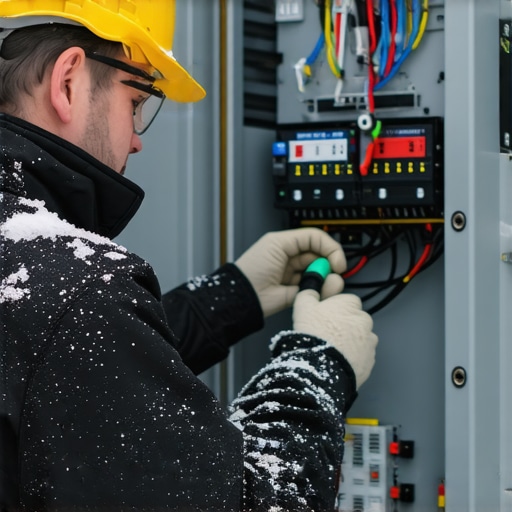 Many enthusiasts believe that a simple upgrade of the electrical panel or adherence to basic code standards guarantees seamless EV charging, especially during winter. However, this misconception often leads to overlooked nuances that can cause persistent handshake failures and system inefficiencies. For instance, there’s a widespread myth that upgrading to a larger panel automatically resolves all load management issues. In reality, without proper load balancing and consideration of smart-grid compatibility—especially as outlined in studies by EV-smart-grid researchers—these upgrades can be rendered ineffective, causing more harm than good. Furthermore, many assume that if the wiring meets code at installation, it remains compliant indefinitely. But environmental factors like corrosion, moisture ingress, or temperature fluctuations can compromise wiring integrity over time, leading to problematic communication and safety hazards. Specifically, advanced troubleshooting reveals that issues such as neutral conductor imbalances or inappropriate conduit installations are often the real culprits behind handshake failures that seem to occur randomly.
Have you ever fallen into this trap? Let me know in the comments. To avoid these pitfalls, deeper understanding of the nuances is essential. Always verify ongoing code compliance, considering updates to standards, like those detailed in the latest 2026 electrical rules. Properly managing your system’s load, especially in multi-EV setups, requires not just hardware upgrades but strategic planning—such as integrating load management systems to prevent overloads that can cause voltage dips affecting communication protocols. Moreover, advanced troubleshooting stages emphasize the importance of inspecting grounding systems meticulously, since poor grounding can produce ground loops or noise that interfere with the handshake process. For expert insights, reviewing resources like this troubleshooting guide can be invaluable. Ultimately, understanding that system stability during winter depends on both hardware integrity and environmental considerations empowers you to implement smarter, long-lasting solutions rather than merely reactive fixes.Maintaining a dependable EV charging setup requires more than just initial installation; it involves ongoing care, understanding the right tools, and proactive troubleshooting. One key tool I personally rely on is a high-quality clamp meter, like the Fluke 376 FC. Its ability to measure AC/DC current without breaking the circuit allows me to verify load balancing and detect hidden faults affecting overall system stability. Regularly using such meters helps preempt issues before they escalate, especially in winter months when resistance increases and wiring can degrade faster. Another essential instrument is a professional-grade network analyzer, such as the Wi-Fi EVSE tester, which I use to monitor connectivity protocols and identify handshake delays that often occur in cold weather. These tools have saved me hours of guesswork and ensured that my system remains compliant with safety standards, like those outlined in https://brightsparkzelectric.com/how-to-verify-code-compliance-for-your-ev-charger-installation, especially after upgrades.
The Hidden Lessons That Changed My Approach to Winter Charging
One of the biggest realizations I made was that effective EV charging in winter isn’t just about hardware; it’s about understanding how environmental factors impact electrical systems. I learned that even small details, like moisture seeping into connections or subtle wiring choices, could cause handshake failures. These insights pushed me to think holistically about my setup, emphasizing proactive inspections and tailored solutions rather than reactive fixes.
Another lesson was recognizing the importance of maintaining ongoing compliance. Initial installations might pass inspection, but over time and through weather cycles, standards evolve. Staying updated with the latest codes and best practices is critical — a missed detail could compromise safety and reliability during the cold months.
Finally, I discovered that investing in the right diagnostic tools, such as a clamp meter or network analyzer, transforms troubleshooting from guesswork into precision work. These tools enable me to identify issues before they manifest as stubborn handshake failures, especially when cold weather renders electronics unpredictable.
Tools and Resources That Have Proven Their Worth
I rely on several curated tools to keep my EV charging system resilient. A high-quality clamp meter, like the Fluke 376 FC, helps me measure current safely and accurately, ensuring my load balancing is spot-on. Regular inspections with a network analyzer, such as the Wi-Fi EVSE tester, give me real-time data on connectivity issues that could worsen in winter.
For deeper understanding and ongoing updates, I turn to authoritative resources like the expert troubleshooting guides and the latest code standards available through official channels. These references keep me informed and prepared for any seasonal challenge.
Your Next Move: Keep Your System Winter-Resilient
Embracing these lessons and tools empowers you to take control of your EV charging reliability during the coldest months. Remember, a little proactive effort now can prevent frustrating handshake failures and ensure your system is both safe and efficient. By continuously learning and investing in quality diagnostics, you’re setting yourself up for success—no matter how chilly the weather gets.