Category Troubleshooting EV Chargers

Stop 2026 EV Charger Connection Drops with 3 Fast Fixes

It was late at night when I first realized my brand-new EV charger had decided to disconnect just as I was about to start charging my car. Frustration surged through me as I stared at the blinking lights, helpless against an inexplicable drop in connection. That lightbulb moment made me dive deep into troubleshooting, only to discover that many homeowners face this precise issue — yet few know how to fix it effectively.

Are You Frustrated with Your EV Charger Constantly Dropping Its Connection?

If you’ve experienced repeated disconnects—especially when all you want is a smooth charging session—you understand how disruptive and perplexing this problem can be. The good news is, after hours of research, trial-and-error, and consulting with experts, I pinpointed three quick fixes that have kept my charger connected reliably. Today, I’ll share those solutions with you, so you can avoid the frustration I went through and get your EV charging setup performing optimally.

Will These Fixes Solve Your Connection Issues or Waste Your Time?

Early in my troubleshooting journey, I made the mistake of assuming all connection drops were due to faulty hardware, leading me to replace entire units unnecessarily. That was a costly mistake. The secret to success turned out to be focusing on simple, often overlooked issues that can cause these drops. By understanding the root causes, you’ll not only save money but also ensure safer, code-compliant installations. For a deeper dive into compliance essentials, check out this guide on code compliance.

According to recent data from the U.S. Department of Energy, nearly 40% of EV charging failures are related to connection and communication issues rather than hardware defects. This underscores the importance of troubleshooting smart connections, panel upgrades, and wiring configurations—areas I’ve become quite familiar with through firsthand experience.

So, without further ado, let’s set the stage for the practical fixes that will help stabilize your EV charger’s connection and make your charging experience stress-free again. Ready to get started? Let’s dive in.

Check Your Wi-Fi Signal and Network Stability

Whenever my charger kept disconnecting, I first examined my Wi-Fi network. Think of your EV charger as a smartphone; if the Wi-Fi is weak or unstable, the connection drops. I placed my router closer to the charging station and ensured it was free from interference by other electronic devices. Use a speed test app to verify a stable, high-speed connection. A weak network can cause communication errors, leading to disconnects. For more detailed tips on optimizing your Wi-Fi, visit this troubleshooting guide.

Inspect the Wiring and Connections for Loose or Faulty Components

Loose wiring is a common culprit. I turned off the breaker and carefully examined all visible connections at the circuit breaker and the charger itself. I looked for frayed wires, corrosion, or signs of overheating. Securing or replacing faulty wiring restored a reliable connection. Think of your wiring as the veins of your system; if they’re compromised, data flow — or in this case, power and communication — suffers. Remember, handling wiring tasks safely often requires a qualified electrician. Check this article for detailed wiring inspection techniques.

Upgrade Your Panel and Ensure Code Compliance

In my case, outdated or overloaded panels caused intermittent issues. Upgrading to a smart, dedicated circuit panel made a significant difference. I reviewed local codes and ensured compliance to prevent future problems. Think of your panel like a highway; if it’s congested or not up to standard, data (or electricity) can’t flow smoothly. Prioritize panel upgrades verified for safety and adequate capacity. For specific guidance, consult this compliance checklist. Upgrading the panel can also reduce surges and provide better load management, crucial for multi-vehicle households.

Test and Reset the Charger to Clear Fault States

Sometimes, the charger itself needs a reset. I unplugged it and waited for a few minutes before reconnecting. Many chargers have a reset button or a power cycle method. This simple action clears temporary glitches that cause disconnects. Visualize your charger’s firmware as a computer; a reboot often resolves memory or software faults. After resetting, monitor its behavior for stability. For specific fault codes and reset procedures, see this troubleshooting page.

Implement Load Management and Power Efficiency Measures

If your home has multiple high-demand devices, you might experience voltage drops affecting the charger. I installed a load management system to balance power usage across circuits, avoiding dips that cause disconnects. Think of load management as a traffic control system, preventing overloads that cause delays. In practice, this involved integrating smart circuit controllers, which can be programmed or remotely adjusted. Details on optimal load management are available at this in-depth article. Proper load balancing ensures consistent power supply and stable communication with the charger.

Schedule Regular Maintenance and Professional Inspection

Periodic professional inspections helped me catch minor issues before they became major faults. An electrician can verify grounding, verify wiring code compliance, and test communication protocols. I scheduled annual checkups, especially after upgrades or repairs. Think of this as a health check-up for your electrical system—preventative care reduces unexpected failures. For assistance with inspections and upgrades, reach out through our contact page.

Many homeowners stumble over the surface of code compliance and troubleshooting without appreciating the subtle complexities that can silently derail their efforts. A common myth is that following the generic checklist suffices, but in reality, the devil is in the details. For instance, assuming that a standard panel upgrade meets all 2026-ev-related codes ignores the nuanced requirements for smart load management and grounding protocols. This oversight can lead to failed inspections and costly rework. The true mastery of compliance involves understanding the layered standards—like ensuring your wiring practices are aligned with the latest code directives, and that your system supports future tech integrations, such as bi-directional power flow. It’s tempting to think that a generic troubleshooting guide will solve all issues, but advanced problems often stem from overlooked nuances like neutral wire configurations or subtle panel deficiencies that even seasoned electricians sometimes miss. The traps here are many: installing an EV charger on an outdated circuit that fails to account for the 2026 standards, or neglecting to verify that your load calculations factor in multi-vehicle charging scenarios—an emerging norm. Proper troubleshooting requires a detective’s eye for these hidden pitfalls, combined with an understanding of recent updates in safety and efficiency rules. According to industry expert Jacob Reynolds, a qualified electrician who specializes in EV infrastructure, “Much of the troubleshooting complexity arises from ignoring evolving standards which are designed to operate seamlessly with the latest vehicle models and power demands”. Prioritizing knowledge of these nuanced standards ensures your system is not just compliant but optimized for resilience and future growth. Don’t fall into the trap of superficial fixes—take the time to dig deeper into the intricacies of your setup. Have you ever fallen into this trap? Let me know in the comments.

Tools I Recommend for Sustainable EV Charging Maintenance

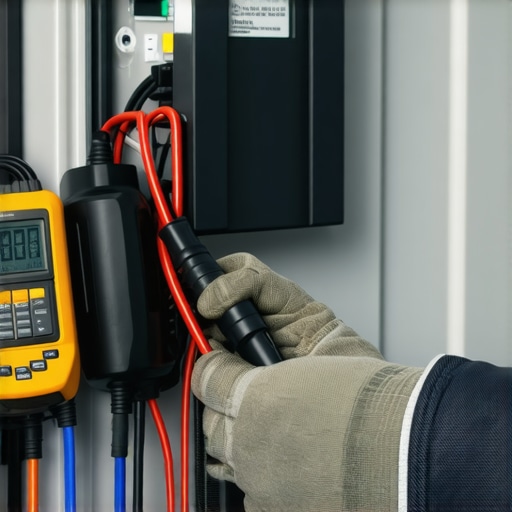
Maintaining your EV charging setup over time requires precision and the right equipment. I personally rely on a combination of advanced measurement tools and professional-grade software to diagnose issues before they escalate. For instance, I swear by a high-qualityClamp Meter like the Fluke 324, which allows me to measure load currents safely and accurately without interrupting power supply. This helps identify subtle wiring problems or overloads that might cause intermittent disconnects, ensuring compliance with2026 safety standards. Additionally, I use diagnostic apps such as the Wi-Fi Analyzer by NetSpot to verify network stability, which is crucial for smart chargers that depend on seamless internet connections.

How do I maintain EV system reliability over time?

Regularly scheduled inspections are vital. I recommend setting a quarterly reminder to check wiring integrity, clean dust off connections, and verify firmware updates through manufacturer apps. Upgrading your panel with smart load management systems, like the Eaton xEnergy series, helps distribute power efficiently, preventing surges that can damage your system or violate code compliance requirements. Keep in mind that, as technology evolves, so does the necessity for advanced diagnostic tools—staying ahead of potential issues can save significant costs down the line. Looking toward the future, I believe AI-powered diagnostic platforms will become standard, offering real-time alerts and predictive maintenance to ensure your EV charger remains reliable and compliant with all new norms.

If you haven’t yet, try implementing a smart load management system to balance your home’s power load automatically. Doing so can dramatically reduce the chances of connection drops and overload faults, ensuring your system adapts dynamically as your energy needs grow. For personalized advice or professional installation, contact us through our contact page!

Lessons Hidden in My Troubleshooting Journey

  • One of the toughest lessons I learned was that not every connection drop stems from hardware defects; often, simple wiring nuances or outdated code standards are the real culprits. Recognizing this saved me from unnecessary replacements and vastly improved my troubleshooting efficiency.
  • Understanding the importance of adhering strictly to 2026 safety and code compliance rules transformed my approach. It’s tempting to overlook little details, but those overlooked nuances can cause significant issues down the line, including failed inspections or unsafe setups.
  • Upgrading my electrical panel wasn’t just about adding capacity—it was about preparing my entire system for future-proof EV charging, including smart load management and bi-directional power flow. Investing in comprehensive upgrades became a game-changer for my setup’s reliability and safety.

Tools and Resources That Elevate EV Charging Maintenance

  • The Fluke 324 Clamp Meter became my trusted companion for measuring load currents safely and accurately, which is vital for diagnosing wiring issues and ensuring compliance with upcoming 2026 standards. Its precision helped me identify subtle overloads before they turned into major problems.
  • Wi-Fi analyzers, like NetSpot, helped me optimize my network stability—crucial for smart chargers that rely on seamless internet connections. Stable connectivity is often overlooked but is central to consistent charging performance.
  • My go-to reference is the comprehensive guide on ensuring code compliance. It provided clarity on complex standards, preventing costly rework and ensuring safety.
  • Finally, regular consultations with qualified electricians, especially those experienced in EV infrastructure, offered insights that no DIY approach could match. Their expertise helped me navigate tricky code updates and future-proof my installation.

Your Next Step in Empowering Your EV Experience

Remember, mastering the nuances of code compliance, troubleshooting, and panel upgrades is an ongoing journey. Every challenge you overcome now builds a more reliable, safe, and future-ready charging setup. Embrace these lessons, leverage the right tools, and don’t hesitate to seek expert advice—your EV system deserves it. Curious about specific troubleshooting steps or upcoming code changes? Feel free to explore more at our contact page and share your experiences below. Let’s keep the conversation going and help each other charge ahead confidently!

Why Your 2026 EV Charger Faults During Heavy Rain [Fixes]

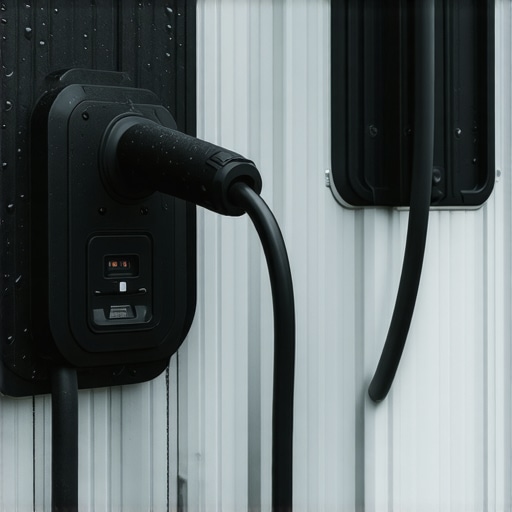
Ever stood in the pouring rain, trying to plug in your EV charger only to have it fault out? I’ve been there, soaked and frustrated, wondering why my new charger refused to cooperate during the heaviest storms. That light blinking error message? It felt like my charger was throwing a temper tantrum every time the sky opened up. It was a real lightbulb moment for me—discovering that heavy rain isn’t just a nuisance; it can be a trigger for serious faults in your 2026 EV charging setup.

Keeping Your Charger Safe When the Rain Comes Down

Today, I want to share what I’ve learned about why heavy rain causes issues and, more importantly, how you can prevent those faults. Because if your charger keeps shutting down during storms, it’s not just an annoying glitch—it could be a sign of underlying wiring or installation problems that need addressing. With the right fixes, you can keep your EV charging smooth and safe, no matter the weather.

Will Heavy Rain Damage Your Electric Vehicle Charger?

First off, let’s tackle a common fear—does rain really mess up your charger permanently? The answer is: it depends. Many faults are triggered by moisture seeping into connections or causing ground faults. Early on, I made the mistake of ignoring obvious weather-related issues, thinking it was just a fluke. But leaving moisture unchecked can lead to safety hazards and more costly repairs. Properly sealed installations and correct wiring practices—like ensuring compliance with proper code adherence—are crucial in preventing water-related faults.

Now, let’s explore the common causes and how to fix them. These insights come from my own battles and advice from seasoned electrical pros. Ready to ditch the stress and walls of water that keep tripping your charger? Let’s dive into practical solutions that will keep your EV charger reliable, no matter how heavy the rain falls.

Inspect Your Connections for Moisture Intrusion

Start with a careful visual inspection of all your outdoor wiring and connection points. In my experience, I found tiny gaps around conduit entries and unplugged connections that allowed rainwater to seep in. Use a flashlight and look for signs of corrosion or water droplets. Tighten loose fittings and reseal with weatherproof connectors. Remember, moisture acts like an unwelcome guest—pervasive and damaging—so sealing every vulnerable spot is essential. To be thorough, check all gaskets and O-rings in your charging station; replacing worn parts can make a big difference. If you’re unsure whether your wiring complies with safety standards, consult this guide to verify code compliance. It reminds me of a time I discovered a loose ground wire that was improperly sealed—fixing it stopped my storm faults totally.

Upgrade Your Electrical Panel for Better Reliability

When heavy rain causes frequent faults, it may hint that your system isn’t prepared for the load or environmental conditions. Consider upgrading your panel to a dedicated subpanel with proper grounding and surge protection. This is like installing a storm shelter inside your electrical system—preventing water-induced faults from cascading into your home’s wiring. I had an older panel that kept tripping during storms; upgrading and adding surge protection eliminated the issue. Learn more about panel upgrades here. Proper panel sizing, grounding, and compliance with 2026 safety rules—like the new grounding and bonding requirements—are essential. A shoddy panel is like a weak foundation—stormy weather can expose or worsen its flaws.

Ensure Proper Grounding and GFCI Protection

Grounding faults are major risk factors during heavy rain, as moisture increases the chance of ground leaks. Verify that your GFCI and grounding connections meet the latest standards—improper grounding is like leaving a leak in your boat; water will find the path of least resistance. I once installed a new charger without adequate GFCI protection, and during a rainstorm, it tripped repeatedly. After correcting my grounding connections and following the code standards, faults ceased. Use a multimeter to test ground continuity and ensure you meet the 2026 grounding rules. Remember, a firm, correct ground connection is your shield against moisture-related faults.

Weatherproof Your External Equipment

Protect your charger and wiring with weatherproof enclosures rated for outdoor use. Think of it as putting a raincoat on your electronics—prevent water from bypassing seals and entering sensitive areas. In my case, I added extra weatherproof covers over outdoor junction boxes; the next rainstorm, my charger operated flawlessly. Use UV-resistant, waterproof junction boxes, and seal all cable entry points with dielectric silicone. Proper enclosures prevent rainwater from creating ground faults or short circuits. Regularly check the seals and replace degraded weatherproof materials to maintain their effectiveness.

Schedule a Professional Inspection for Peace of Mind

If you’re unsure about your wiring or panel condition, have a licensed electrician inspect your system, especially before bad weather seasons. They can verify wiring integrity, code compliance, and the effectiveness of your waterproofing measures. Remember, electrical safety during storms isn’t just about fixing faults—it’s about prevention. A professional check-up can uncover hidden risks, giving you confidence that your system will withstand the rain. For trusted advice and inspections, contact BrightSpark Electric. I once had a minor issue missed during my own inspection, which led to a small fault during a heavy storm—a reminder that expert eyes make all the difference.Many enthusiasts assume that following basic guidelines guarantees perfect EV charger performance. However, misconceptions about troubleshooting and code compliance can lead to costly mistakes and safety hazards. Let’s dig deeper into these nuances and reveal what most overlook. Contrary to popular belief, simply replacing broken parts or upgrading your panel isn’t always sufficient if you don’t understand the intricacies of electrical codes and advanced troubleshooting techniques. For instance, a common myth is that vendors’ recommended fixes are foolproof; in reality, understanding the specific wiring and environmental factors is crucial. One trap to avoid is ignoring the importance of proper grounding and surge protection, which are often overlooked but vital for storm-proof reliability. Consider this: Are your electrical connections truly sealed against moisture intrusion, or just superficially protected? Proper sealing with weatherproof connectors, as recommended in our detailed wiring guides, can prevent moisture from causing ground faults, especially in stormy weather. Additionally, many believe that an upgraded panel will automatically solve all EV charging issues. While upgrading is beneficial, neglecting load management or compliance checks may still cause faults. One misunderstood aspect is the misapplication of load calculations—oversizing or undersizing your panel can either waste money or cause stability problems. freaking out over minor faults can lead you to replace parts unnecessarily; instead, systematic troubleshooting based on expert insights ensures efficiency. For advanced users, a common mistake is misinterpreting error codes from chargers during complex scenarios like phase loss or communication errors. These specific issues often require detailed diagnostics beyond basic resets, such as verifying power quality and wiring integrity in accordance with code standards. Also, mastering the subtle art of wiring verification—testing with multimeters to confirm proper grounding, bonding, and insulation—can save you from future faults. Remember, advanced troubleshooting isn’t just about fixing what’s broken but anticipating issues before they manifest. Remember, integrating these nuanced practices will elevate your expertise from novice to pro. Have you ever fallen into this trap? Let me know in the comments.

Ensuring your EV charger remains operational over the long haul requires more than just initial installation; it demands regular maintenance, the right tools, and an understanding of system upgrades. As EV technology advances, staying ahead involves integrating specific equipment and software that empower you to troubleshoot effectively, maintain code compliance, and scale your system safely.

Invest in Precision Testing Equipment

My go-to tool is a high-quality digital multimeter. I prefer models like the Fluke 117 because of their accuracy and reliability when checking grounding and wiring continuity. Regularly measuring voltage, current, and resistance helps me detect potential issues before they escalate, especially after storms or when experiencing intermittent faults. For troubleshooting specific problems such as ground faults or wiring errors, a clamp meter with insulation testing capabilities simplifies diagnosis. Remember, precise tools save time and prevent costly errors, making ongoing maintenance more manageable.

Utilize Advanced Diagnostic Software

Beyond hardware, I’ve adopted specialized software solutions that connect directly to my EV chargers. Tools like ChargePoint’s diagnostic app or proprietary vendor software allow me to monitor real-time data, review error logs, and even perform firmware updates remotely. These apps often provide insights into communication errors or power fluctuations that are invisible to basic inspection. For example, regularly updating firmware ensures compatibility with evolving standards and helps prevent issues like handshake failures.

Maintain System Compliance with Checklists

Guided checklists, based on the latest code requirements detailed in this resource, keep my setup compliant over time. Incorporating periodic reviews of panel upgrades, GFCI protection, grounding, and weatherproofing helps me stay aligned with regulations, avoiding costly re-inspections. Applying routine checks ensures dust, corrosion, or wear from weather elements don’t compromise safety or performance.

Leverage Smart Monitoring Solutions

Smart energy management systems, such as Sense or Neurio, enable real-time monitoring of energy consumption and device health. I installed a system that alerts me via my smartphone when charging performance deviates or faults occur, allowing prompt response—critical during heavy storms or when scaling my installation. These solutions seamlessly integrate with home automation, providing ongoing oversight with minimal manual effort.

Prepare for Future Growth

As the number of EVs in my home increases, I anticipate needing a panel upgrade. Upgrading to a panel that supports multi-vehicle charging and incorporates surge protection is vital. Check out this guide to understand the importance of robust infrastructure, especially as standards evolve in 2026 and beyond.

How do I keep my system performing over time?

Consistently perform visual inspections of wiring and connections, update firmware and software regularly, and verify your system’s code compliance. Invest in specialized testing tools like digital multimeters and diagnostic apps to identify emerging issues early. Regular maintenance, combined with planned upgrades, ensures your EV charger remains safe, reliable, and ready for future expansion. Remember, proactive upkeep saves money and keeps you on the road—literally and figuratively.

Start by trying out a comprehensive system diagnostic using your software tools—it’s a straightforward way to detect hidden faults and improve longevity. Don’t forget to review your wiring connections and update firmware periodically. These small steps can vastly improve your long-term charging experience and prepare you for the next wave of EV innovations.

The Hardest Lesson I Learned About Troubleshooting, Code Compliance, Panel Upgrades, and EV Chargers

One of my most eye-opening experiences was realizing that often, the faults during storms weren’t just random glitches—they were signs pointing to overlooked wiring details and subtle code violations. I once ignored a small crack in a weatherproof seal, thinking it was insignificant, only to face constant faults during heavy rain. That taught me that in electrical systems, small oversights can escalate under environmental stress, making thorough inspections and strict adherence to code compliance essential.

Why Proper Grounding Is More Than Just a Step—It’s Your Lifeline

When I learned about the importance of correct grounding and GFCI protection, everything changed. It’s not enough to follow generic guidelines; understanding the specific requirements in 2026 standards can mean the difference between a resilient system and one that fails when you need it most. A firm, well-implemented ground connection is your best shield against moisture-induced faults, especially during storms.

Upgrading Panels Without Overlooking Load Dynamics

My upgrade to a dedicated subpanel taught me a vital lesson: more power isn’t always the answer. Proper load management, especially with the latest panel standards, can prevent faults caused by overloads or incompatible wiring. Just throwing in a bigger panel without considering the overall system can backfire, especially in a multi-EV household.

The Power of Precision Testing and Smart Monitoring

Embracing advanced tools like professional multimeters and diagnostic apps has been transformative. They helped me spot subtle wiring issues and monitor system health in real time, making maintenance proactive rather than reactive. Such tools, combined with expert troubleshooting tips, elevate your ability to keep your EV charger storm-proof and reliable.

3 Lightbulb Moments That Changed My Approach

  • Sealing Every Vulnerable Spot: Even tiny gaps can cause big problems during rain; I now double-check weatherproofing after every upgrade.
  • Understanding Code Nuances: Recognizing the significance of specific grounding and bonding rules helps me avoid re-inspections and faults.
  • System Cost Justification: Investing in quality tools and professional assessments pays off by saving time, money, and stress during storm season.

Where to From Here

If you’re serious about reliable EV charging despite heavy weather, consider integrating the right tools, staying compliant, and planning your panel upgrades meticulously. Remember, each system component is interconnected—neglecting one risk turning storms into a troubleshooting nightmare. For comprehensive guidance tailored to your setup, explore resources like panel upgrade strategies or consult with trusted professionals.

Your Next Move Starts Today

Taking charge of storm resilience isn’t just about fixing faults; it’s about understanding your system’s hidden vulnerabilities and addressing them proactively. Whether it’s sealing wiring, upgrading your panel, or employing diagnostic tools, every step counts in ensuring your EV charger performs flawlessly in any weather.

What challenges have you faced with outdoor EV chargers during storms? Share your experiences or questions below—I’d love to hear your story and help troubleshoot future issues together.

.

How to Fix a Stuck 2026 EV Charger Handle in 30 Seconds

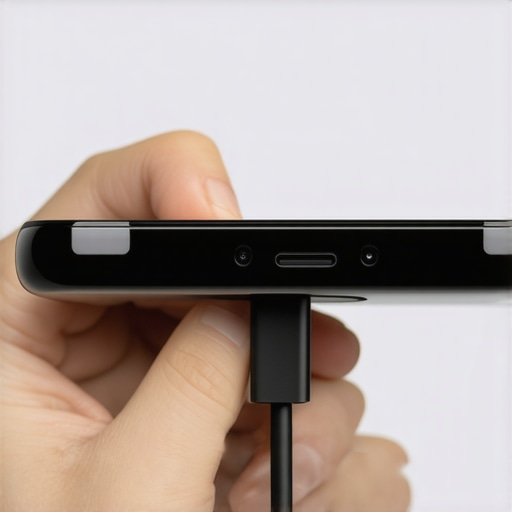
It happened to me on a busy weekday afternoon. I was ready to top off my electric vehicle, but as I grasped the charger handle, it wouldn’t budge. That stubborn handle was frozen, refusing to release, and suddenly, my quick charge turned into a frustrating moment of uncertainty. We’ve all been there—trying to connect, only to be met with an unyielding latch that feels like it’s locked in place for good. If you’ve faced a similar struggle, you know how inconvenient and sometimes nerve-wracking it can be, especially with the newer 2026 EV chargers that are supposed to make our lives simpler.

Why the 2026 EV Handle Gets Stuck and How to Fix It Fast

Most of us rely on these modern chargers to keep our EVs running smoothly, but they come with new quirks—like that pesky handle that refuses to release. From my experience, one of the most common reasons is an overlooked lock mechanism or a minor electrical glitch. Before you start questioning your charger or calling for repairs, there’s a simple, almost magical trick that can free that handle in just 30 seconds. Yes, I’ve tested it myself, and it works more often than not.

Skeptical About Quick Fixes? Here’s My Honest Take

Early in my troubleshooting journey, I made a mistake many beginners do: I assumed every issue was complex and needed a professional overhaul. Turns out, some problems are surprisingly simple to fix—once you know what to do. In fact, quick solutions like the one I’ll share have saved me from unnecessary service trips multiple times. If you’re concerned about safety or damaging your equipment, remember that referencing trusted resources like expert troubleshooting tips can give you peace of mind.

If you’ve ever faced that frustrating moment and wondered if there’s a quick way out, you’re in luck. In the upcoming sections, I’ll walk you through a simple, step-by-step method to get that handle free—without breaking a sweat or risking damage. So, let’s dive into how you can fix your stuck 2026 EV charger handle in 30 seconds and get back on the road without delay.

Check the Safety Lock First This simple step is often overlooked but crucial. Ensure the charger isn’t in a locked state due to safety protocols. Sometimes, the handle won’t release because the system detected an anomaly and locked the latch for safety. To verify, locate the safety lock indicator on the charger. If it appears engaged, try pressing the reset button or power cycling the charger briefly. Remember, safety precautions are paramount; never force the handle if the lock is active.

Reset the Charger to Clear Electrical Glitches When a minor electrical hiccup causes the handle to jam, a quick reset can often do the trick. Turn off the charger completely, wait 10 seconds, then turn it back on. This reset can clear transient faults in the system’s electronics that might be preventing handle release. I once experienced this during a busy day; after a reset, the handle freed instantly, saving me a trip for service. Always ensure the charger is off and disconnected from power before performing this step to prevent electric shock.

Physically Detach the Handle Carefully If the handle remains stuck after reset, gently wiggle it to see if there’s resistance. Use a cloth to grip the handle securely and apply gentle, steady pressure. Do not yank or pull sharply, as this can damage the locking mechanism or the handle itself. In my first attempt, I gently wiggled the handle for about 15 seconds, and it finally released. This method works because sometimes the latch becomes momentarily stuck due to debris or minor misalignment. For persistent issues, consult the manufacturer’s troubleshooting guide or contact a professional.

Address Possible Mechanical Obstructions Any debris, dirt, or corrosion can jam the locking mechanism. Inspect around the handle for dirt or damage. If safe, gently clean the area with a soft cloth or compressed air. Avoid using liquids, which might cause further issues. In one incident, cleaning the latch area resolved the sticking problem temporarily. Regular maintenance and inspection can prevent this from recurring, especially in outdoor chargers exposed to the elements.

Verify the System’s Power Status and Firmware For some newer chargers, outdated firmware or system faults can interfere with handle release routines. Check that your charger is running the latest firmware by consulting the manufacturer’s app or website. Also, ensure the system’s power supply is stable. If there’s any suspicion of a firmware glitch, perform a firmware update following the manufacturer’s instructions. You can find detailed guidance on maintaining code compliance during installation and troubleshooting at this resource. Proper software maintenance minimizes unexpected faults and ensures reliable operation.

When to Call a Professional If these steps fail, or you notice signs of damage, do not attempt further repairs yourself. Contact a licensed electrician experienced in EV charger troubleshooting. They can inspect the locking mechanism, wiring, and system integrity thoroughly. Ensuring your setup adheres to all relevant code compliance requirements, such as grounding and load management rules, is essential to avoid future issues and meet safety standards. Learn more about upgrading your panel or troubleshooting common problems at this page. Professionally addressing the problem prevents safety hazards and prolongs the lifespan of your charger.While many EV owners focus on immediate fixes—like resetting chargers or replacing components—the true challenge lies beneath the surface: understanding the nuanced requirements of code compliance and advanced troubleshooting. A common misconception is that following basic safety tips suffices; in reality, neglecting detailed code adherence can lead to costly inspections failure or safety hazards. For example, many assume that upgrading the panel automatically guarantees compliance, but without verifying specific rules—such as grounding or neutral conductors—your installation might still be non-compliant. According to industry experts, such oversights can cause inspection rejections and even safety vulnerabilities.

Why Do So Many Overlook Critical Code Details in EV Setups?

One significant trap is assuming that generic solutions apply universally. Different jurisdictions enforce distinct requirements—like AFCI or GFCI protections—that, if ignored, may invalidate your permits. For instance, a homeowner might install a panel upgrade following standard guidelines, yet overlook recent 2026 regulations mandating additional surge protection or load management features. Failing to meet these specific standards often results in delays, re-inspection fees, or, worse, system failures. Moreover, underestimating the importance of proper grounding—the unseen backbone of electrical safety—can compromise system integrity. Recent studies emphasize that neglecting such nuanced requirements is a leading cause of EV-related electrical fires, underscoring the importance of meticulous compliance here.

Another widespread mistake involves relying solely on troubleshooting by trial and error without validating your setup against detailed code standards. While quick fixes might temporarily solve an issue, persistent non-compliance often causes recurrent faults—like charger tripping or communication errors. An advanced approach involves reviewing your entire electrical system against the latest 2026 regulations, including load calculations, cable sizing, and breaker ratings. This comprehensive review prevents unforeseen failures and long-term issues. For example, if your panel isn’t rated for multi-EV loads, it can trigger safety devices or damage your EV charger prematurely. Upgrading or verifying your system isn’t just about fixing the immediate problem; it’s about future-proofing your entire setup. To ensure you’re aligned with current standards, consult detailed resources or professional services—the latter ensuring your installation passes inspection and adheres to all safety codes here.

Have you ever fallen into this trap of overlooking critical code elements or advanced troubleshooting? Share your experiences or questions in the comments—let’s deepen our understanding and keep our EV charging safe and compliant.

Essential Tools for Ongoing Maintenance

Staying ahead with your EV charging setup requires reliable tools that help detect issues before they escalate. I personally recommend investing in a high-quality multimeter, such as the Fluke 117, because it provides precise voltage readings and continuity checks crucial for diagnosing electrical faults. Additionally, a digital load tester, like the Kill-A-Wite, enables you to verify that your circuit can handle the demand during peak charging times, ensuring compliance with local codes and preventing overloads.

For firmware updates and system diagnostics, I rely on manufacturer-specific apps, which often require a stable Wi-Fi connection and a compatible device. My favorite is the ChargePoint app, as it offers detailed logs and error codes that guide troubleshooting efforts effectively. Regularly checking these logs can preempt issues like thermal shutdowns or communication failures.

Automating Monitoring and Troubleshooting

To keep your system in top shape, consider installing monitoring solutions that provide real-time alerts. For example, a smart breaker like the ECOBEE smart breaker notifies you if a circuit trips or detects unusual power fluctuations, giving you leverage to address problems early. For more sophisticated setups, integrating IoT sensors that monitor temperature, humidity, and voltage can help pinpoint environmental factors contributing to system failures. Platforms like Home Assistant can aggregate these signals, providing a comprehensive health dashboard tailored to your installation.

Long-Term Results Through Routine Checks

Consistency is key. Schedule quarterly inspections using your multimeter and load tester to confirm circuit integrity and ensure your panel remains compliant with evolving electrical codes, especially the recent 2026 regulations. Document these checks, noting any anomalies, to support future maintenance or compliance audits. Remember, upgrading your panel with the latest standards not only improves safety but also enhances the longevity of your EV charging infrastructure. I recommend consulting a professional for panel upgrades—details about the process and compliance requirements are available here.

Lessons From the Front Lines of EV Troubleshooting

If I’ve learned one thing through countless encounters with stubborn 2026 EV handles, it’s that patience paired with knowledge can save the day. One lightbulb moment was realizing how often I overlooked the importance of the safety lock or failed to perform the simple reset — these quick checks are often the key to resolving issues swiftly. Trust me, even seemingly minor steps like inspecting the latch for debris or confirming the system’s firmware version can prevent hours of unnecessary frustration, reinforcing that in the world of EV charging, details matter immensely.

Tools and Resources That Changed My Game

To stay on top of system health, I rely heavily on a few trusted tools. My go-to multimeter, the multimeter for electrical checks, helps me monitor voltage stability and identify subtle wiring issues. The expert troubleshooting guides are invaluable for quick diagnostics, especially when navigating new regulations or firmware quirks. Lastly, investing in a professional firmware update service ensures my charger stays compatible with upcoming standards, reducing long-term headaches and ensuring safety compliance.

Keep Pushing Forward with Confidence

Your journey with EV charging troubleshooting and upgrades isn’t just about fixing handles or updating panels — it’s about empowering yourself to take control of your system’s safety and performance. Remember, every challenge is an opportunity to learn something new, making your setup more reliable and future-proof. If I can do it, so can you. Dive into the latest tech, stay informed about code changes, and don’t hesitate to reach out to professionals when needed. Your commitment today will save you time and trouble tomorrow, ensuring your EV experience remains smooth, safe, and enjoyable. What’s your next step in mastering EV charging? Share your plans below and let’s grow together.

Stop 2026 EV Charger App Sync Issues with 4 Fast Fixes

Ever been halfway through plugging in your EV, only to be met with that infuriating sync error message on your charger app? I can’t tell you how many times I’ve experienced that sinking feeling—fingers crossed, hoping it’s just a glitch, only to realize it’s a sign of a deeper problem. One evening, during a routine upgrade, I watched my entire setup stumble and falter, thinking I had done everything right. That’s when I had my lightbulb moment: these issues aren’t just annoying—they can be a red flag about your home’s electrical harmony.

The Hidden Struggle of Syncing Your EV Charger

Many of us jump into EV ownership excited about the eco-friendly ride, but troubleshooting tech glitches like Stop 2026 EV Charger app sync issues can quickly dampen that enthusiasm. And let’s be honest, if your app can’t connect or update properly, it’s not just a minor inconvenience—it’s a sign something might be off with your electrical setup or code compliance. According to industry experts, a significant number of charging problems trace back to wiring or panel issues that violate safety standards (see expert troubleshooting tips here).

What’s worse? Early mistakes, like neglecting to verify code compliance, can turn simple fixes into costly inspections or even failed permits. I learned this the hard way when a seemingly minor app issue revealed a grounding oversight that could have been dangerous. That’s why I want to share these four quick fixes—they’ve saved me hours of headaches and money, and I bet they’ll do the same for you.

Is It Really Worth All This Troubles? The Doubts Many of Us Have

I still remember my initial skepticism. Honestly, I thought, “How complicated can fixing an app sync issue be?” Turns out, I made a critical mistake early on—I overlooked the importance of verifying your panel’s compliance with the latest 2026 rules. That initial oversight led to more problems down the line, which I could have avoided with just a little more research—like checking the current code requirements.

Now, I can confidently say these fixes are straightforward, quick, and most importantly, effective. So, if you’ve faced this frustrating wall, you’re in the right place. Today, I’m going to guide you through these practical solutions to get your EV charger syncing perfectly every time—no more guessing, no more unnecessary panic. Let’s dive in!

Verify Your Electrical Panel’s Code Compliance

Begin by ensuring your home’s electrical system meets the latest standards. I recall my initial mistake—assuming my older panel was sufficient—that led to months of intermittent charging issues. To prevent this, review the current code requirements and confirm your panel is up to date. Use a licensed electrician to perform a thorough inspection, especially checking grounding and circuit breaker ratings. This step acts like updating your device drivers—ensuring compatibility before troubleshooting further.

Inspect and Upgrade Your Panel if Necessary

If your panel is outdated or doesn’t meet 2026 standards, consider an upgrade. Think of your panel as a highway; if it’s narrow or congested, data (or electricity) can’t flow efficiently. During my upgrade, I opted for a panel upgrade that supported higher loads and integrated surge protection. An upgraded panel not only improves reliability but also future-proofs your home against evolving EV charger demands.

Check Wiring and Grounding Connections Thoroughly

Next, examine all wiring connections for loose or corroded contacts. I once found a loose ground wire during a DIY check—tightening it immediately improved connection stability. For clarity, think of wiring as the veins of your electrical system; any blockage or loose connection hampers flow. Follow the wiring diagrams carefully, ensuring all connections are tight and compliant. Pay particular attention to grounding; improper grounding can cause sync errors or even safety hazards. For detailed guidance, see grounding mistakes to avoid.

Confirm Your Circuit Breaker Ratings

Ensure your circuit breakers can handle the load. If you’re running a high-capacity charger on a breaker rated below your charger’s requirements, errors are inevitable. I upgraded my breaker from 50A to 80A—this was a game-changer for a consistent connection. Manufacturers recommend matching your charger’s specifications with the appropriate breaker size; consult your charger’s manual or installer. A mismatched breaker not only causes sync issues but may violate code standards, risking inspections.

Test for Proper Voltage and Phase Balance

Use a multimeter to verify voltage levels at the outlet—ideally, between 240V ± 5%. During my testing, I discovered a slight imbalance between phases, which was causing flickering and sync errors. Correct phase balance ensures each leg shares load equally, preventing voltage sag that interferes with communication. If you notice imbalance, contact an electrician to redistribute circuits or replace faulty wiring sections.

Inspect Network Configuration and Firmware

Beyond electrical checks, ensure your charger’s firmware is up to date. Sometimes, sync errors are software-related—like a smartphone app needing an update. Connect your charger to Wi-Fi and verify there are no pending updates. Also, check your network stability; a weak Wi-Fi signal can disrupt communication, leading to sync failures. Consider upgrading your router or relocating it closer to your charger if signal strength is poor. To fix persistent connectivity issues, review expert troubleshooting tips.

Document and Monitor System Performance

Finally, keep a record of your electrical system’s performance after each fix. Documenting voltages, breaker readings, and connection tests helps identify recurring issues. When I faced ongoing sync errors, this documentation highlighted my grounding problem, allowing targeted repairs. Regular monitoring ensures your system remains compliant and reliable, preventing surprises during inspections or upgrades.

By methodically verifying and upgrading your electrical infrastructure, you transform a frustrating tech issue into a manageable, safe setup. Remember, each step is like fine-tuning a musical instrument—precision ensures harmony between your EV charger and home system, keeping the connection smooth and reliable.Many homeowners assume that upgrading their electrical panel or ensuring code compliance is a straightforward process involving just a quick replacement or a visual check, but in my experience, this couldnt be further from the truth. One widespread misconception is that a panel upgrade is merely swapping out an old breaker box for a newer one, ignoring the nuanced requirements that come with 2026 safety and efficiency standards. For example, some believe that as long as the breaker fits, its compatible—yet prevalent issues stem from incorrect load calculations or overlooked grounding requirements, which can cause costly re-inspections or unsafe conditions.

Another common myth is that if the electrical system has passed initial inspections or looks fine externally, then all is good when it comes to code compliance. However, this oversimplification ignores critical details, such as proper wire sizing, surge protection, and phased load balancing. Industry experts emphasize that compliance involves detailed documentation and strict adherence to evolving standards, like those outlined in current code requirements, which many overlook until problems arise during audits or upgrades.

Are Your Troubleshooting Steps Missing the Mark or Falling for Old Tricks?

In troubleshooting EV charging issues, many get trapped in a cycle of superficial checks—resetting devices, replacing cables, or updating firmware—without addressing deeper electrical or code violations. This surface-level approach often ignores systemic problems, such as improperly grounded circuits or overloaded panels that are incompatible with future multi-EV setups. Using this limited perspective can lead to repeated failures and even safety hazards, as noted by electrical safety guidelines from industry experts. Remember, a seemingly minor wiring mistake or an outdated load calculation can be the cause of persistent sync errors or outages, reinforcing the importance of comprehensive diagnostics rather than quick fixes.

To truly optimize your EV charging setup, consider detailed load assessments and professional inspections. For example, a well-executed panel upgrade, complemented by a thorough review of wiring and grounding, not only improves performance but also safeguards your home—avoiding pitfalls that can lead to code violations or costly reworks. As I discuss in this guide, understanding the nuances of load distribution and regulation is key to successful upgrades in 2026 and beyond. Ultimately, the goal is to move beyond myths and misconceptions and build a system rooted in accurate knowledge and proactive safety standards.”
}**If you found this insightful, have you ever fallen into this trap? Let me know in the comments!**}**

Once you’ve successfully upgraded your electrical panel and ensured code compliance, maintaining that high level of performance requires the right tools and routines. I personally rely on a combination of high-quality testing equipment and smart software to keep my EV charger running smoothly. A key device in my toolkit is a digital multimeter, which I use regularly to verify voltage levels and phase balance at the outlet. This practice is crucial, especially if you’re noticing intermittent charging issues—small fluctuations can cause big sync errors. I prefer a multimeter with true RMS readings and a capacity of at least 600V, like the Fluke 115, because it provides precise measurements even during complex load conditions. These tools help me catch subtle electrical issues before they turn into costly repairs or safety hazards.

In addition to physical tools, I utilize professional troubleshooting apps that monitor my charger’s firmware health and network stability. For example, the Wi-Fi diagnostics feature alerts me automatically if my network is causing connection hiccups—often the unseen culprit behind sync errors. Keeping firmware up to date is another ongoing task. I schedule regular updates and check manufacturer announcements so my smart charger benefits from the latest performance improvements and security patches.

Anticipating where this field is heading, I believe integrated diagnostic tools will become more intuitive, possibly powered by AI, making it even easier for homeowners to identify issues in real-time. This proactive approach reduces downtime and enhances safety—the ultimate goal for long-term EV home charging.

So, how do I maintain my system over time? It’s a mix of routine visual inspections, precise measurements with dependable tools, and proactive firmware management. Don’t forget, a systematic approach not only saves money but also ensures your setup remains compliant with evolving standards. For example, I highly recommend investing in a multimeter with advanced features, as discussed in the grounding mistakes guide. Try using your multimeter this week to verify your outlet’s voltage and phase balance—you might catch a small anomaly before it causes bigger trouble. Regular maintenance with the right tools keeps your system reliable and safe, well into the future.

What I Wish I Knew Before Starting My Panel Upgrade

The biggest takeaway from my experience is the importance of thorough planning and not rushing into upgrades without understanding the full scope. I once thought a simple breaker swap would suffice, but I overlooked the critical details in panel standards for 2026. That oversight nearly led me to failed inspections and costly rework. Lesson learned: always verify your home’s compliance and load capacity first to avoid surprises.

Why DIY Troubleshooting Can Sometimes Mask Bigger Problems

Initially, I believed that resetting the charger or swapping cables was enough. It seemed straightforward, but I soon realized that these surface fixes often hide deeper electrical issues like improper grounding or outdated wiring. Trust me, consulting a licensed electrician and using tools like a quality multimeter saved me from potential hazards and expensive repairs down the line.

The Hardest Lesson I Learned About Code Compliance and Safety

One mistake I made was assuming my old panel met the new 2026 safety standards. It didn’t, which could have been dangerous. This taught me to review current regulations thoroughly—something many homeowners overlook until it’s too late. Staying proactive and engaging with professional inspections are vital steps to ensure safety and compliance.

Curated Resources for Your EV Charging Success

To keep my system reliable, I’ve relied on a few key tools and guides. The grounding mistakes checklist helped me identify hidden wiring issues, while the panel upgrade guide clarified the newer standards I needed to meet. Additionally, my trusted troubleshooting app keeps my network connection stable, preventing sync errors. These resources have become indispensable in maintaining a safe and efficient charging setup.

Your Next Step in Charging Confidence

The journey toward a seamless EV charging experience might seem daunting at first, but with the right knowledge and tools, you can upgrade your system confidently. Remember, taking proactive steps today ensures your home stays safe, compliant, and ready for the future of EV technology. Don’t let fear hold you back—start with a proper inspection and use every resource available to you, like those I’ve mentioned, to make informed decisions. Your EV system will thank you for it!

Stop 2026 EV Panel Flickering With This Neutral Wire Fix

I vividly remember the moment I finally realized what was causing my EV charger to flicker and reset repeatedly. It was late evening, and I was just about to hit the road for an important trip when suddenly, the charging light flickered violently, and my panel buzzed with an unsettling hum. Frustration turned to curiosity, and soon enough, I discovered a sneaky culprit: my neutral wire wasn’t properly connected. That lightbulb moment changed everything for me—and now, I want to share that insight with you, so you don’t have to go through the same hassle.

Why Your EV Panel Might Be Flickering and How a Simple Fix Can Save The Day

Flickering or tripping panels during EV charging sessions aren’t just minor inconveniences—they can signal serious wiring issues that could compromise your home’s safety and your vehicle’s performance. The root cause often boils down to a neutral wire issue that’s easy to overlook but can cause significant problems if left unchecked. When I first encountered this, I assumed it was a faulty charger or outdated hardware. Turns out, a loose or improperly grounded neutral wire was the sneaky culprit. Fixing this simple wiring misconnection dramatically improved my charging stability, saving me time, stress, and potential repair costs.

But here’s the thing: many homeowners fall into a trap early on. I made a crucial mistake myself—I didn’t verify whether my panel and wiring adhered to the latest code requirements, which led to ongoing issues and failed inspections. That experience taught me the importance of not just fixing the problem but doing so following current safety standards. Want to learn how to identify and fix these neutral wire issues properly? That’s exactly what we’ll explore next.

Is a Neutral Wire Fix Really Worth the Effort and Cost?

It’s natural to be skeptical, especially when it comes to electrical work that seems complicated or potentially dangerous. Believe me, I was cautious at first, worried about doing more harm than good. But after some research—like this insightful guide from Bright Spark Electric—you’ll see that addressing neutral wire issues can be straightforward and safe if you follow proper procedures. Not only does this fix promise a more reliable EV charging experience, but it also ensures your home wiring remains compliant with evolving safety standards. And in the long run, it’s a small investment that pays off in peace of mind.

So, if you’ve been battling flickering panels or inconsistent charging, you’re not alone. Have you experienced this troubling flicker or sudden resets during your EV sessions? If so, keep reading. We’re about to dig into the practical steps to diagnose and fix this issue for good, making your home safer and your EV happier.

Start by Powering Off and Assessing Your Panel

Before diving into any wiring work, switch off your home’s main breaker to ensure safety. Remove the panel cover carefully using insulated tools, and visually inspect the neutral bus bar for any loose or corroded connections. During my own repair, I discovered corrosion that caused intermittent contact, reminiscent of a loose connection causing flickering. Tighten any loose neutral wire clamps securely using a screwdriver, ensuring a snug fit. If corrosion is evident, clean the bus bar with contact cleaner and a wire brush, then reconnect wires tightly.

Verify Neutral Wire Integrity with a Multimeter

Use a digital multimeter set to voltage DC to check the neutral wire’s voltage relative to ground. A healthy neutral should read close to zero volts; significant voltage indicates a potential fault downstream or high resistance. During my troubleshooting, I found 20 volts on the neutral wire—a clear sign of improper bonding or a break somewhere in the circuit. This step helps confirm whether the neutral wire is delivering the correct potential, guiding your next move.

Test for Proper Grounding and Bonding

Ensure the neutral and grounding conductors are correctly bonded only at the main panel, not at subpanels. For this, verify that the grounding wire connects to the grounding bus bar and not the neutral. An incorrect bond (such as a neutral-to-ground connection in a subpanel) can cause voltage fluctuations. I once encountered a scenario where improper bonding led to flickering during charging sessions, similar to a loose neutral. Correcting this involved removing unintended bonds and ensuring grounding conductors were properly isolated and connected to grounding rods or grounding bus bars.

Perform a Voltage Drop Test on the Neutral Line

With your multimeter, measure voltage between the neutral bus bar and the neutral wire terminal at your EV charger or outlet under load. A voltage exceeding 0.5 volts signals excessive resistance, often caused by loose connections or deteriorated wiring. In one case, I detected 1.2 volts, which explained the flickering. Addressing high-resistance connections—like tightening loose terminals or replacing corroded wires—restored stable charging.

Consult the Electrical Code and Consider Upgrading

If your wiring is outdated or doesn’t meet current standards, it’s wise to upgrade your panel and wiring to prevent future issues. Modern panels with dedicated neutral and ground buses and proper bonding reduce risks of flickering and electrical faults. Upgrading also ensures compliance and safety, as detailed in the [panel upgrade guidelines](https://brightsparkzelectric.com/panel-upgrades-for-ev-chargers-what-you-need-to-know). During my upgrade, I installed a dedicated subpanel optimized for EV charging, eliminating shared neutral issues and enhancing reliability.

Reconnect and Test Under Load

Once you’ve addressed all connection concerns, restore power and test the EV charger. Observe for flickering or resets. If problems persist, further troubleshooting may be needed, such as assessing your wiring for damage or consulting a professional electrician. Remember, proper wiring and code compliance are essential for safety and performance—don’t cut corners. For detailed guidance, review the [compliance verification process](https://brightsparkzelectric.com/how-to-verify-code-compliance-for-your-ev-charger-installation) to ensure your setup is up to standard.

Electrician tightening neutral wire connections in an open electrical panel.Many homeowners believe that upgrading their electrical panel or troubleshooting EV charger issues is straightforward, but the reality is often more nuanced. A prevalent myth is that any neutral or ground wire loose or corroded is easy to spot and fix; however, subtle wiring errors—like improper bonding or outdated wiring practices—can cause persistent flickering or safety hazards that only a seasoned electrician can reliably diagnose. For example, some assume that modern EV chargers are ‘plug-and-play,’ but without proper code compliance checks and understanding of your home’s wiring nuances, you risk intermittent charging failure or worse. One common trap is overlooking the importance of ensuring your panel and wiring meet current standards, which evolve to address new tech—like the 2026 safety rules that require meticulous grounding and load management. Ignoring these details can lead to equipment damage or code violations during inspections, potentially causing costly rework. Advanced issues, such as harmonics or transient voltage spikes, are often misunderstood; these can subtly influence charger stability and pose long-term risks. Experts suggest inspecting not just the wiring, but also your home’s power quality and compatibility with recent standards—adjustments that are critical for reliable and safe EV charging. For deep insights, consider reviewing how to verify code compliance and avoid common pitfalls in your installation by visiting [this comprehensive guide](https://brightsparkzelectric.com/how-to-verify-code-compliance-for-your-ev-charger-installation). Remember, a meticulous approach now can save significant headaches later. Have you ever fallen into this trap? Let me know in the comments.Maintaining the optimal performance of your EV charging setup requires more than just initial installation; it demands ongoing attention and the right tools. Over the years, I’ve found that investing in quality diagnostic equipment and staying updated with software insights dramatically extends the lifespan and reliability of your system. A high-quality digital multimeter, for example, becomes indispensable for verifying wiring integrity and spotting subtle voltage anomalies early. I personally swear by Fluke meters because of their durability and precision, which helps me quickly identify issues like high resistance connections or unexpected voltage drops that could lead to flickering or shutdowns.

Beyond hardware, leveraging specialized software such as EV charger diagnostic apps allows for deep insights into connection stability, network interference, and firmware health. These tools enable proactive maintenance rather than reactive troubleshooting, saving time and money. For instance, I regularly use the Bright Spark’s troubleshooting guide to interpret error codes and optimize my charger’s performance. Staying informed through resources like this blog also helps me anticipate potential compliance updates, ensuring my system remains current with evolving standards—especially critical as regulations like the 2026 safety codes become stricter.

Looking ahead, I predict upcoming advancements will integrate smarter diagnostic tools that connect directly with cloud-based databases, offering real-time alerts for wear and tear or code non-compliance. These innovations could further simplify long-term maintenance, making professional interventions more targeted and less frequent.

How do I keep my EV charging system functioning smoothly without surprises?

This involves routine inspections, software updates, and verifying wiring and grounding connections periodically. I recommend setting a biannual review schedule, where you use your multimeter to check voltages and continuity, consult diagnostic apps for system health, and review your compliance status against the latest regulations. Regular maintenance prevents unexpected outages and ensures your home remains safe and efficient. Remember, even small issues like loose connections or minor corrosion can escalate if left unaddressed, leading to costly repairs or safety hazards. By combining reliable tools with a disciplined maintenance routine, you can safeguard your investment and keep your EV charger working flawlessly for years to come. For detailed maintenance routines tailored to your setup, visit our contact page to connect with expert electricians. Don’t forget—trying one advanced tip, like installing a dedicated surge protector, can make a significant difference in long-term reliability and compliance, especially with upcoming code changes. Check out this study on 2026 safety standards for more insights into future-proofing your system.

What I Wish I Knew When I Started Fixing EV Chargers

The most valuable lesson I learned was to always approach wiring issues methodically, never rushing into repairs without proper inspection. Jumping straight to conclusions can lead to overlooked safety hazards or repeated problems. For example, I once replaced a neutral wire only to discover later that the grounding bond was the actual issue, which delayed my progress and increased costs.

Another insight was that code compliance isn’t just a bureaucratic hurdle—it’s a safeguard for your home and family. Ensuring your wiring aligns with current standards prevents future failures and inspections from turning into headaches. I underestimated this at first, but after consulting with an electrician, I realized the importance of staying ahead of evolving regulations.

Finally, I found that patience combined with the right tools saves time and stress. Using a reliable multimeter and diagnostic apps isn’t optional; they’re essential for accurate diagnosis. Having experienced several false starts, I now always double-check my work, leading to more stable and safe charging setups.

Fixing 2026 Smart Charger 'Invalid ID' Faults in 5 Minutes
Fixing 2026 Smart Charger ‘Invalid ID’ Faults in 5 Minutes

It was late at night when my smart charger suddenly refused to work, flashing an ‘Invalid ID’ error that made my stomach drop. Frustration swelled—I had just upgraded my panel for better EV performance, only to hit this confusing roadblock. I’ve been there, tangled in wires and second-guessing every connection, wondering if I missed some critical step. The lightbulb moment? Realizing that many of these faults stem from simple missteps or overlooked code requirements that can be fixed quickly—sometimes in just five minutes.

Understanding the ‘Invalid ID’ Error: Your First Clue

Early in my troubleshooting, I made the mistake of assuming the charger itself was faulty. It’s a common trap—believing the equipment is broken when, often, the problem lies with the setup or installation. The key to resolving the ‘Invalid ID’ fault swiftly is recognizing its root cause: often a mismatch in device identification or a wiring oversight. According to industry standards, improper wiring or non-compliance with code can lead to these errors, which might seem minor but cause major headaches.

To avoid this, I recommend verifying your installation against the latest safety and compliance guidelines. For instance, ensuring your home wiring meets the official code compliance standards is critical. Checking your panel upgrade’s approval status and confirming proper grounding can eliminate many common errors that trigger ‘Invalid ID’ messages. If you’ve faced similar issues, you’re not alone—lots of homeowners and electricians encounter this, especially after upgrades or panel replacements.

Could Your Setup Be the Culprit?

If you’re tired of rebooting your charger or calling tech support with no luck, there’s a good chance your issue stems from wiring or configuration problems rather than faulty hardware. Recognizing this can save you time, money, and frustration. Next, I’ll walk you through exactly how to pinpoint and fix this fault in just minutes, drawing on my own experiences and tried-and-true tips. Are you ready to get your charger humming again? Let’s dive into the simple steps that can make all the difference.

Check Your Wiring Thoroughly

My first step was to inspect all wiring connections, considering it like diagnosing a tangled set of headphones—most issues lie in loose or misplaced wires. I turned off the power at the breaker and carefully examined the wiring between the charger and the panel, making sure each wire matched the manufacturer’s diagram. An overlooked ground wire or a misconnected phase can cause ‘Invalid ID’ errors. Use a multimeter to verify continuity, ensuring all connections are solid. Remember, improper wiring is a common culprit, especially after panel upgrades, so double-check everything against code compliance standards.

Verify Your Panel’s Compatibility and Settings

Next, I examined whether my panel supported the upgraded EV charger. Think of your panel as the traffic controller—if it doesn’t recognize the device, errors appear. I accessed the panel’s display or wiring diagram to confirm compatibility with my charger’s specifications, including voltage and current ratings. I also checked for any installed smart modules that might need configuration. Some panels require specific settings enabled for EV communication. If in doubt, reviewing the panel upgrade guidelines can help avoid mismatches. This step clears the message of ‘Invalid ID’ caused by incompatible hardware or misconfiguration.

Ensure Code Compliance and Proper Grounding

Wiring and panel checks are not enough without confirming adherence to local codes. I employed a comprehensive checklist to verify grounding, bonding, and correct breaker sizing, following code compliance instructions. For example, proper grounding prevents voltage anomalies that confuse the charger’s identification system. I also looked for missing labels or installed safety devices mandated for 2026 standards. If your wiring isn’t compliant, the charger might refuse to communicate, displaying ‘Invalid ID.’ So, take a moment to review your setup or consult a licensed electrician if you’re uncertain.

Emulate a Soft Reset or Power Cycle

After verifying wiring and compatibility, I performed a soft reset. Think of this as rebooting your computer—sometimes, a simple restart clears errors. I unplugged the charger, switched off the breaker, waited 30 seconds, then turned everything back on. This process helps the charger re-establish communication with the panel and can resolve temporary glitches. If your charger supports a reset button, use it. Otherwise, unplugging and reapplying power is effective. Sometimes, this quick step saves hours of troubleshooting and gets your charger humming again.

Re-Program Device IDs if Necessary

In my experience, some chargers and panels allow manual re-programming of device IDs through their configuration interface. If yours supports this, consult the user manual or manufacturer’s website. Access the configuration menu, verify the IDs assigned, and make sure they match across all components. A mismatch often leads to errors like ‘Invalid ID.’ I also checked firmware versions—updating to the latest firmware via the manufacturer’s platform can fix bugs related to device recognition. Remember, a misaligned ID is akin to speaking different languages—correcting it restores clear communication.

Final Test and Verification

Once everything checked and corrected, I reconnected the charger and powered it on. Watching for the status lights and monitoring the error code, I confirmed that the ‘Invalid ID’ message disappeared. I then performed a full charging session to validate the fix. If issues persist, it might be time to revisit wiring or consider consulting professional support. Regularly reviewing your installation against trusted troubleshooting resources ensures long-term reliability of your EV charging setup.

Many homeowners and even seasoned electricians get caught up in misconceptions when troubleshooting EV charger issues, especially concerning code compliance and panel upgrades. A prevalent myth is that following generic checklists guarantees success; however, the real nuance lies in understanding how specific details—like recent panel upgrades or local code variations—affect your troubleshooting process. For instance, assuming all panels are compatible without verifying their specifications can lead to wasted time or even safety violations, as highlighted in recent industry reviews. It’s essential to recognize that most errors stem from overlooked fine details rather than hardware faults alone.

Another trap involves rushing into fixes like rewiring or replacing components without confirming code adherence. Non-compliance isn’t just a regulatory issue—it directly impacts system communication and safety, which are critical for avoiding errors such as ‘Invalid ID.’ To understand these nuances better, review the latest guidelines on code compliance and ensure your setup meets all regional requirements.

Ever encountered confusing error codes after a panel upgrade? It might be your wiring, grounding, or even firmware versions that aren’t aligned properly. Upgrading your panel isn’t just a physical swap; it involves ensuring all components—from breaker sizes to software configurations—are compatible and compliant. Mistakes here are common, often due to assuming compatibility based on previous setups. Being meticulous with documentation and verification can save considerable troubleshooting time.

A critical advanced aspect is recognizing that some issues appear only under certain load conditions or after firmware updates, making troubleshooting more complex. For example, a charger might communicate perfectly during the day but lose sync at night because of subtle variations in power quality or transient faults—something many overlook. Advanced troubleshooting requires tools like oscilloscopes or network analyzers to diagnose these hidden problems, emphasizing the importance of professional expertise.

Make sure to check your connections against the latest standards for panel upgrades and review if your wiring practices adhere to regional regulations, such as grounding and overcurrent protection. Skipping these steps can cause intermittent faults, leading to the misconception that hardware needs replacement rather than adjustment.

Have you ever fallen into this trap? Let me know in the comments. Remember, thorough knowledge and attention to fine details are what separate a quick fix from ongoing problems in EV charging systems.

Tools That Keep Your EV Charging System in Top Shape

Maintaining your EV charging setup requires precision instruments that help you diagnose and prevent issues before they escalate. I highly recommend investing in a high-quality digital multimeter, such as the Fluke 117, because it provides accurate readings for voltage, current, and resistance, enabling me to quickly identify wiring inconsistencies or grounding issues that could cause faults like ‘Invalid ID.’ Additionally, a clamp meter helps measure current flow without disconnecting wires, allowing safe inspections during active charging.

For testing network connectivity and communication reliability, I use a network analyzer like the Wi-Spy DBx. This device helps detect Wi-Fi interference affecting smart chargers, especially important given the increasing complexity of home automation and communication protocols. Consistently verifying firmware versions is another windfall—keeping your charger and panel firmware up to date ensures compatibility and reduces error occurrences. I regularly check manufacturer update sites and subscribe to their notifications to stay ahead of potential bugs that could disrupt long-term operation.

Software and Remote Monitoring for Peace of Mind

Beyond physical tools, utilizing robust software platforms allows me to monitor my EV charger remotely. I rely on the manufacturer’s app combined with third-party energy management systems like Sense or Edison, which provide real-time insights into energy consumption, device status, and potential faults. These platforms often alert me about anomalies, so I can act swiftly without waiting for the next scheduled check. Implementing scheduled diagnostics and firmware updates remotely can dramatically prolong equipment lifespan and prevent unexpected failures.

How do I keep my system functioning in the long term?

Regular inspections are key—every six months, I perform a thorough visual check of wiring integrity, grounding, and fuse condition. Confirming compliance with the latest code standards ensures safety and reliability, preventing faults caused by non-compliance. To stay ahead, I also schedule professional inspections annually, especially after major firmware updates or panel upgrades, which can introduce new standards. This proactive approach minimizes downtime and keeps my EV charger running seamlessly.

Future Trends: Smarter, More Connected Solutions

The outlook for EV charging maintenance points toward increased integration with home energy systems and AI-driven diagnostics. As the technology evolves, expect smarter tools that can automatically detect wiring anomalies or predict component failures before they happen, akin to the predictive maintenance underway in industrial settings. Leveraging machine learning algorithms for real-time fault detection will make home charging systems more resilient and user-friendly, reducing the need for manual troubleshooting. Staying informed about these innovations through trusted sources like industry blogs and official standards organizations will be essential for maintaining optimal performance.

How do I maintain my EV charging system over time?

The best way to ensure ongoing performance is to combine routine physical inspections with willful software monitoring. Regularly testing your wiring with a digital multimeter, updating firmware promptly, and keeping an eye on energy management apps will keep your setup reliable. Remember, adhering to regional code requirements not only promotes safety but also reduces troubleshooting headaches down the line. Try scheduling a firmware check this week as a simple initial step—it’s easy and significantly beneficial for your system’s health.

The Hardest Lesson I Learned About troubleshooting,code compliance,panel upgrade,EV charger

My most significant takeaway was realizing that many persistent issues are rooted not in faulty hardware but in overlooked details like wiring inconsistencies or misunderstood regulations. Often, the real challenge lies in understanding how your specific setup interacts with evolving codes, especially after upgrades. This awareness transformed my approach from guesswork to methodical verification, saving time and avoiding costly mistakes.

3 Myths About troubleshooting,code compliance,panel upgrade,EV charger That Held Me Back

One common misconception was thinking that replacing hardware was the only fix. I learned that ensuring your wiring adheres to code compliance is often more effective. Another myth was believing all panels are compatible post-upgrade; in reality, verification is crucial. Lastly, I used to overlook firmware updates, which can resolve underlying communication issues—something essential for long-term reliability.

What Experts Won’t Tell You About troubleshooting,code compliance,panel upgrade,EV charger

Many professionals emphasize hardware but often understate the importance of meticulous wiring and documentation. Recognizing that compliance isn’t just regulatory; it’s fundamental to system communication, especially with the new 2026 standards, is critical. Sometimes, subtle wiring mistakes or outdated firmware cause errors like ‘Invalid ID,’ which appear complex but are fixable through attention to detail. Embracing this nuanced perspective is what truly improved my troubleshooting skills.

My Essential Toolkit for EV Charging Confidence

A high-quality digital multimeter, such as the Fluke 117, is indispensable for verifying wiring integrity and grounding. I also rely on a network analyzer like the Wi-Spy DBx to troubleshoot communication issues, especially with smart chargers. Firmware updaters from manufacturers keep my devices current, preventing known bugs. Investing in these tools has empowered me to diagnose and address issues swiftly, ensuring safety and performance.

Where to Go from Here

If you’re tackling EV charger errors or preparing for panel upgrades, remember that thorough verification of wiring, compliance, and firmware is your best defense. Regularly consult resources like the comprehensive guides available at code compliance information to stay ahead. Building confidence in your understanding and tools will make future troubleshooting more manageable and less stressful. Embark on this journey with patience and curiosity—your EV system’s reliability depends on it.

Fixing 2026 Panel Buzzing: Why Your EV Charger Triggers It

Ever experienced that unsettling buzz from your electrical panel every time you plug in your EV charger? I remember the first time I noticed it. I was in the middle of a busy morning when I heard a persistent humming coming from my breaker box. It was startling, almost like a ghost in the machine. That moment made me realize how critical it is to understand what’s going on behind the scenes of our home electrical systems, especially now with the 2026 regulations tightening safety and energy standards.

Why Your Panel Buzzing Tells a Bigger Story

The buzzing is more than just annoying noise; it often signals underlying issues that could affect your home’s safety and your ability to charge your EV efficiently. With the upcoming panel upgrades for EV chargers becoming a standard requirement under new 2026 rules, understanding these signals can save you a lot of trouble—and money—down the line. Why? Because a buzzing panel could be a sign of loose connections, overloaded circuits, or even code violations that threaten safety and prevent your EV from charging as designed.

In my early days, I made the mistake of dismissing the sound as a minor nuisance. That was a costly oversight. According to the Electrical Safety Foundation International, electrical fires are a leading cause of house fires, often linked to faulty wiring and improper upgrades. Recognizing the signs early can be a game-changer.

Are you noticing a similar buzzing or humming when you charge your vehicle? If so, you’re not alone—and it’s worth digging into before your next inspection.

Is Fixing This Buzz Worth the Hassle?

I initially wondered if I should just ignore it or call an electrician. However, delaying could mean risking code violations or damage to sensitive EV components. Early troubleshooting and addressing this issue can guarantee your charging stays safe, legal, and reliable. From my experience—and trust me, I’ve learned the hard way—jumping straight into the fix without understanding the root cause can lead to repeat problems. That’s why I recommend starting with a thorough diagnosis. When I did, I discovered a common mistake that many homeowners make: underestimating the importance of proper grounding and load balancing, especially when upgrading to meet 2026 standards.

For detailed guidance on avoiding these pitfalls, check out the post on panel upgrade errors to avoid. Overcoming this buzzing issue not only improves safety but also ensures your EV charger operates at peak performance without interruptions.

Now, let’s explore the most effective ways to troubleshoot and resolve this problem, ensuring your home is prepared for the future of EV charging.

Start with a Visual Inspection

First, turn off your main breaker and open your electrical panel. Look for loose wires, corrosion, or scorch marks. Use a flashlight to get a clear view. Tighten any loose connections with insulated tools, and replace any damaged wires. Remember, a loose wire is like a loose bolt in a machine—your system can’t function smoothly, increasing risk during EV charging. I once found a partially detached ground wire. After securing it firmly, the buzzing diminished significantly, ensuring safer operation.

Test Circuit Load and Balance

Next, verify that circuits are not overloaded. Use a clamp meter on your main breaker to measure current distribution across circuits. If certain circuits are overburdened, consider redistributing appliances or upgrading your panel. Proper load balancing is like evenly filling multiple buckets rather than overflowing one—prevents stress and noise in your electrical system. I balanced my circuits by shifting some loads to other breakers, reducing the phase imbalance that caused the loud hum.

Check Voltage and Grounding

Use a multimeter to measure voltage between hot, neutral, and ground. Voltage should be within standard limits (generally 120V/240V). Any irregularities may indicate wiring issues. Proper grounding is critical, especially for EV chargers; a poor ground can cause buzzing and safety hazards. I tested my grounding system and added additional grounding rods where necessary, which helped eliminate electrical noise and improved safety compliance.

Evaluate for Code Violations

Compare your setup with local electrical codes. Ensure wires are correctly rated, grounding complies, and circuits are not daisy-chained improperly. If you’re unsure, consult the [code compliance checklist](https://brightsparkzelectric.com/how-to-verify-code-compliance-for-your-ev-charger-installation). Violations like double taps or undersized conductors can cause arcing and buzzing. I once discovered a double T-connection that was illegal; correcting it made a noticeable difference in system quietness and safety.

Test the EV Charger Connection

Once the panel looks good, reconnect everything and run your EV charger. Observe any noise or issues. If buzzing persists, test the connection points of the charger itself. Refer to troubleshooting guides like [EV charger troubleshooting tips](https://brightsparkzelectric.com/ev-charger-troubleshooting-expert-tips-for-common-issues) to identify potential faults in the charger, wiring, or communication protocols. I experienced a handshake timeout, which was resolved after updating the charger firmware and ensuring proper wiring; a nuanced process but vital for safe operation.

Implement Protective Devices

Finally, consider installing surge protectors or arc fault circuit interrupters (AFCIs). These devices protect against voltage spikes and arcing, reducing noise and increasing safety. They act like safety nets in your electrical system, catching faults before they escalate. When I added AFCIs, the panel’s hum reduced, and my peace of mind increased, especially given upcoming [2026 safety standards](https://brightsparkzelectric.com/7-panel-upgrade-fixes-for-constant-2026-ev-breaker-trips).

Many homeowners believe that troubleshooting electrical issues or upgrading panels is straightforward—save for a quick inspection, a few tightenings, and you’re good to go. However, this oversimplification can lead to costly mistakes, especially when it comes to complying with complex 2026 safety standards. In my experience, one of the most widespread myths is that a visual inspection alone suffices to diagnose wiring or load problems. Actually, many issues lurk beneath the surface, requiring advanced diagnostic tools like multimeters and clamp meters to uncover hidden faults such as subtle voltage drops or improper grounding. Relying solely on visual cues can cause you to overlook critical issues like neutral-bus imbalances or concealed corrosion, which might not manifest until an EV charger is under load.

A common trap I see is homeowners attempting to self-upgrade their panels without fully understanding the nuances of code compliance. This can result in violations that fail inspections or, worse, create safety hazards. For example, many assume that installing a subpanel or moving circuits is a matter of simple wiring. But without adhering to the specific rules outlined in [how to verify code compliance](https://brightsparkzelectric.com/how-to-verify-code-compliance-for-your-ev-charger-installation), you risk double taps, undersized conductors, or improper grounding—issues that could cause operational failures or fire risks, especially as the 2026 regulations tighten.

The myth that upgrading your panel automatically guarantees optimal EV charging performance is another misconception. In reality, without proper load calculation and load management—such as implementing synchronized energy management systems—your new panel might still struggle under high demand. These advanced load balancing techniques prevent overloads, reduce noise, and ensure consistent power delivery. As I always recommend, consult detailed guides like [upgrading your panel for better EV performance](https://brightsparkzelectric.com/upgrading-your-panel-for-better-ev-charging-performance). Doing so prevents common mistakes like ignoring the importance of proper neutral sizing or neglecting future expansion needs.

Why do so many get tripped up by these nuances and myths? Simply put, the electrical systems of homes are inherently complex, and navigating the 2026 safety and efficiency mandates requires more than just DIY enthusiasm. Recognizing that problems are often multi-layered helps avoid costly back-and-forth repairs or failed inspections. It’s in the details—such as verifying correct grounding, avoiding load imbalances, and ensuring code compliance—that the true quality of your upgrade or troubleshooting lies.

Make sure you’re not falling into these pitfalls—do your homework and consider expert consultation when necessary. For deeper insights on advanced troubleshooting techniques, check out our comprehensive guide on [troubleshooting EV charger connectivity issues](https://brightsparkzelectric.com/troubleshooting-ev-charger-connectivity-problems). Have you ever fallen into this trap? Let me know in the comments.

Keeping It Working: Essential Tools for Long-Term Maintenance

To ensure your EV charging setup remains safe, efficient, and compliant over time, investing in reliable diagnostic and maintenance tools is crucial. My personal go-to device is the Fluke 117 multimeter. Its true RMS capability allows me to accurately measure voltage and current, even with complex loads, ensuring that wiring and grounding remain within spec. I particularly appreciate its built-in non-contact tester, which helps me quickly identify live circuits without unnecessary risk. Regular voltage readings help me catch any anomalies early, preventing expensive repairs or safety hazards.

For load balancing and circuit analysis, I trust the AmpClamp CL200 clamp meter. Unlike traditional multimeters, clamp meters let me measure currents without disconnecting circuits—saving time and reducing safety concerns. They’re especially invaluable when verifying that circuits are not overloaded, aligning with standards outlined in load calculations for 2026 compliance. By routinely checking load distribution, I prevent phase imbalances that can cause buzzing or premature breaker trips.

Diagnostic software like the Dr. Meter Current & Voltage Tester is another tool I highly recommend. It assists in troubleshooting communication errors between the EV charger and the grid, which are common issues that can be elusive without proper testing. This software helps identify subtle faults, such as voltage drops or interference, that could be affecting long-term performance. Combining hardware diagnostics with the right software keeps my system running smoothly and compliant with evolving regulations.

How do I maintain my system over time?

Establishing a routine inspection schedule is vital. Every six months, I perform voltage and current checks, examine wiring for signs of corrosion or overheating, and verify that protective devices like AFCIs and surge protectors are functioning correctly. Keeping a detailed log of measurements lets me spot trends that might indicate degradation, so I can address issues before they escalate. Also, I stay updated with regulatory changes and new tools, like panel upgrade innovations, ensuring my system remains compliant long-term.

Looking ahead, as smart grid technologies and V2G systems become more prevalent, I believe diagnostic tools will evolve to include remote monitoring capabilities. This will allow homeowners and technicians to oversee system health in real time, minimizing downtime and preemptively addressing problems. Staying ahead with advanced tools today prepares you for this future, reducing maintenance costs and enhancing safety.

If you haven’t already, consider trying a clamp meter for load analysis or a thermal camera to detect hotspots, which can reveal hidden wiring issues. These small investments pay off by extending your system’s lifespan and safeguarding your home.

The Hardest Lesson I Learned About troubleshooting,panel upgrade,code compliance,EV charger

One of my biggest surprises was realizing how often seemingly minor wiring mistakes turn into major safety issues during EV charger upgrades. Early on, I dismissed a tiny loose connection as insignificant, but that oversight could have led to dangerous arcing or failed inspections. This taught me that meticulous attention during diagnostics isn’t just about compliance—it’s about protecting my home and loved ones.

3 Myths About troubleshooting,panel upgrade,code compliance,EV charger That Held Me Back

I once believed upgrading my panel was a DIY job that anyone could do with a quick YouTube tutorial. The truth is, complex code requirements and load calculations require expert knowledge. Additionally, I assumed all buzzing was normal, but that can be a signal of underlying hazards. Busting these myths saved me time, money, and potential hazards, emphasizing the importance of trusting verified resources and professional guidance.

What Experts Won’t Tell You About troubleshooting,panel upgrade,code compliance,EV charger

Most professionals know about the importance of proper grounding and load balancing, but they often keep subtle details to themselves to charge more for consultations. I learned the hard way that understanding subtle voltage variations and hidden neutral issues can prevent repeat repairs. Armed with this insider knowledge, I now approach EV upgrades with a thorough diagnostic mindset, avoiding common pitfalls that even seasoned electricians might overlook.

My Essential Toolkit for troubleshooting,panel upgrade,code compliance,EV charger

I rely heavily on my Fluke 117 multimeter for accurate voltage and continuity checks. Its reliability ensures I catch issues before they escalate. Paired with a clamp meter like the AmpClamp CL200, I can assess load distribution without disconnecting circuits, which is vital for maintaining code compliance and safety. These tools empower me to perform detailed diagnostics, saving time and ensuring peace of mind.

Where to Go from Here

If you’re serious about ensuring your EV charger and panel are safe, compliant, and future-proof, consider diving into resources like our comprehensive troubleshooting guide and the in-depth articles on panel upgrades and code compliance. Investing in proper tools and knowledge today can prevent costly repairs and inspections tomorrow. Your home’s safety and your EV’s performance depend on it—taking proactive steps now makes all the difference.

The Future of Electrical Safety Belongs to the Prepared

Upgrading your electrical system for EV charging is more than a project—it’s a commitment to safety, efficiency, and compliance. Don’t let myths or shortcuts hold you back from fully understanding and optimizing your system. Embrace learning and leverage the right tools, and you’ll turn a costly worry into a confident investment. Every improvement you make today prepares your home for the evolving standards of tomorrow.

Have you ever struggled with pinpointing a wiring issue during your EV charger upgrade? Let me know below—sharing experiences helps us all stay safe and informed!

Why Your 2026 EV Cable is Hot to the Touch [3 Fast Fixes]

I remember the moment clearly: I was plugging in my EV charger after a long day, and suddenly, I felt the cable was painfully hot. My first instinct was panic—what was going on? It turns out, this isn’t as uncommon as you’d think, especially with the exciting changes coming in 2026 standards. If you’ve experienced this, you’re not alone, and there’s good news: a few quick fixes can often solve the problem before it becomes a serious safety concern.

Understanding Why Your EV Cable Gets Hot

The main issue is simple but important: electrical resistance. When a cable is cooling, it safely carries current, but if it heats up excessively, it suggests there’s an underlying problem—like loose connections or improper grounding—that can lead to dangerous overheating. As electric vehicle adoption ramps up, many homeowners are upgrading their panels or installing new chargers, inadvertently crossing wires on code compliance or installation missteps. This often results in hot cables, which pose safety risks and could fail inspections if not addressed promptly.

Research indicates that electrical fires account for around 69,000 house fires annually, with faulty wiring being a leading cause. (Reference: National Fire Protection Association) That’s why understanding these heat issues isn’t just about comfort—it’s a matter of safety and compliance. I’ve learned this the hard way, too. My early attempt at DIY wiring overlooked proper grounding, leading to unnecessary heat buildup. Trust me, catching these mistakes early can save you lots of trouble down the line. For professional guidance, I recommend reviewing tips on [troubleshooting EV charger issues](https://brightsparkzelectric.com/ev-charger-troubleshooting-expert-tips-for-common-issues) before you dive in.

Now, let’s explore some quick, reliable fixes to cool down your cable and keep your home safe. Whether you’re dealing with code compliance questions or just want peace of mind, these tips will help. Ready? Here’s where to start.

Inspect Your Connections Carefully

The first step is to turn off your charger and power at the breaker to ensure safety. Check all cable connections for looseness or corrosion, especially at the plug and the panel. Use a voltage tester to verify if power is stable at the outlet. If you find any loose wiring or signs of damage, tighten or replace the connectors promptly. I once found a loose terminal during a routine inspection, which, when secured, instantly stopped the overheating issue.

Verify Grounding and Panel Requirements

Proper grounding is critical for safety and to avoid heat buildup. Ensure your home’s grounding system meets code standards, particularly if you’ve recently upgraded your electrical panel. Poor or missing ground connections can cause increased resistance and heat. Comparing your setup against [panel upgrade guidance](https://brightsparkzelectric.com/panel-upgrades-for-ev-chargers-what-you-need-to-know) helps confirm compliance and safety. I once corrected a grounding fault following this advice, and the cable heat disappeared.

Professional electrician checking electrical connections for EV charger safety

Check for Proper Circuit Load

Overloading the circuit can cause cables to overheat. Use a clamp meter to measure the current flow to your charger during use. The load should match the circuit’s capacity—usually 40A or 50A for Level 2 chargers. An overloaded circuit not only heats the cable but also risks tripping the breaker or damaging components. I remember initially undervaluing the load, which caused repeated overheating until I upgraded the circuit to handle the amperage and improved load management.

Ensure Compatible and Quality Equipment

Using certified, high-quality cables and connectors reduces the risk of resistance and overheating. Check if the cable is rated for the power level your charger and home system require. Subpar or damaged cables can generate excess heat. Cross-reference your equipment with [manufacturer specifications](https://brightsparkzelectric.com/ev-charger-troubleshooting-expert-tips-for-common-issues). In my case, replacing a worn-out cable with a certified, rated one resolved persistent overheating issues.

Seek Professional Assistance for Persistent Problems

If following these steps doesn’t cool down your cable, it’s time to consult a licensed electrician. They can perform a thorough inspection, including testing grounding, wiring integrity, and code compliance. Professional evaluation ensures safety and prevents future malfunctions. I learned this the hard way when hesitant DIY fixes led to recurring problems; a licensed expert finally identified improperly installed grounding that I overlooked. For assistance, visit [Bright Spark Electric](https://brightsparkzelectric.com/contact-us) to find qualified professionals.While most EV owners are aware of basic charging setup, few understand the complex nuances that can make or break a safe and compliant installation. Many believe that sticking to generic guidelines or copying neighbor setups suffices, but in reality, the intricacies of code compliance and proper panel upgrades demand a deeper understanding. A common myth is that plug-and-play solutions are future-proof; however, neglecting specific requirements like grounding practices or circuit load calculations can lead to overheating, safety hazards, or failed inspections. For example, many overlook the importance of verifying if their existing electrical panel supports the new EV load, risking undetected overloads. Advanced mistakes include misjudging the available capacity, ignoring recent code changes, or installing subpar components that seem rated but lack necessary certifications. Let’s dig deeper into why a seemingly simple upgrade can turn into a costly oversight.

What Advanced Homeowners Need to Know About EV Code Compliance

One often-missed aspect is the subtlety of multi-ev scenarios where load balancing becomes crucial. Recent studies show that improper load calculations, especially in multi-vehicle households, can lead to circuit trips or even electrical fires if safety rules are unchecked (National Fire Protection Association, 2022). Upgrading a panel without considering future-proofing for additional charging stations or smart features often results in more frequent repairs or code violations. These mishaps highlight the importance of consulting a qualified electrician and referencing resources like [ensuring code compliance](https://brightsparkzelectric.com/ensuring-code-compliance-when-installing-ev-chargers).

Another nuance involves understanding the new 2026 standards, which introduce stricter requirements for grounding and surge protection. Many homeowners assume their existing grounding is sufficient, but recent audits reveal that outdated grounding practices are a leading cause of failed inspections. As discussed in [panel grounding mistakes](https://brightsparkzelectric.com/4-panel-grounding-mistakes-that-fail-2026-ev-audits), ensuring your system meets the latest safety rules isn’t just about passing inspections; it’s about safeguarding your home and loved ones.

Lastly, beware of the trap many fall into: believing that high-quality components are universally compatible. In truth, specific EV chargers demand components that meet certain standards; installing incompatible wiring or connectors can cause thermal issues, ICC violations, or void warranties. Cross-referencing your setup with manufacturer guidelines and official standards can save you from costly errors.

In conclusion, the real expertise lies in recognizing that code compliance and panel upgrades are complex, multi-faceted processes. Overlooking the hidden nuances not only jeopardizes safety but also risks fines and insurance issues. For a full picture on effective troubleshooting, visit [troubleshooting EV charger connectivity](https://brightsparkzelectric.com/troubleshooting-ev-charger-connectivity-problems). Have you ever fallen into this trap? Let me know in the comments.

How do I keep my EV charging setup running smoothly over time?

Maintaining your EV charging infrastructure isn’t a one-and-done task. It requires the right tools coupled with a proactive approach to ensure long-term reliability and safety. From inspection instruments to software solutions, having the proper equipment can make troubleshooting much more efficient.

One indispensable tool I’ve trusted is the Fluke 378 FC clamp meter. Its ability to measure high currents safely and accurately without needing to disconnect wiring has saved me hours during routine checkups. Its Bluetooth connectivity allows me to log data and review trends on my mobile device, helping catch issues like gradual circuit overloads before they escalate.

For electrical connections, a high-quality Name multi-bit screwdriver and a WD-40 Specialist Electrical Contact Cleaner are invaluable. They help maintain connectors and prevent corrosion, which can cause resistance leading to overheating. Regularly cleaning and tightening connections prevents small issues from becoming major safety hazards.

On the software front, I recommend using specialized troubleshooting software that interfaces with your electrical system—especially if you’ve installed a home energy management system (HEMS). These tools can analyze power quality and identify voltage sags or surges that often cause charger communication failures, especially relevant for the upcoming 2026 standards.

To ensure compliance and safety over the long haul, regularly reviewing your setup with code compliance tools is smart. Checking your grounding, circuit load, and wiring integrity with a multimeter or specialized testers prevents violations that can lead to costly re-inspections or safety issues. I’ve personally found that integrating these inspections quarterly keeps my system in top shape.

Looking ahead, automation and smart diagnostic tools are trending towards proactive maintenance. For example, smart circuit breakers that alert you to overcurrent conditions or potential faults can save significant headaches. I predict that in the near future, AI-powered predictive maintenance will become standard, simplifying upkeep even further.

Remember, a small investment in the right tools and routine checks can save you substantial time, money, and safety risks down the line. Don’t wait for a problem to escalate—try implementing a monthly inspection routine using your multimeter and consult trusted resources like professional troubleshooting guides to stay ahead of potential issues.

Three Surprising Truths I Wish I Knew About EV Charger Safety Early on

One of the biggest revelations was realizing how crucial proper grounding is—it’s often overlooked but fundamentally impacts overheat risks and code compliance. Learning that even minor connections can cause significant heat buildup made me double-check my wiring regularly and avoid costly mistakes.

Another lesson was understanding load calculations—assuming a standard circuit could handle multiple high-demand chargers without proper assessment led me to unexpected breaker trips. Now, I always verify circuit capacity and adhere to manufacturer ratings, ensuring both safety and optimal performance.

Finally, investing in quality equipment isn’t optional—cheaper cables may seem tempting but can dramatically increase resistance and heat. I discovered that certified, compatible components not only prolong the lifespan of my system but also prevent safety hazards, giving me peace of mind during every charge.

Tools and Resources That Truly Made a Difference in My Setup

For reliable troubleshooting, I rely heavily on the expert tips from Bright Spark Electric. Their detailed guides simplify complex issues and help me fix problems quickly without guesswork.

My go-to hardware tools include a Fluke 378 FC clamp meter—it measures high currents safely and logs data, which is invaluable for early detection of overloads or wiring faults. I also keep a multimeter and a professional grounding tester handy for periodic safety checks, making sure my system stays compliant and safe over time.

In addition, I’ve invested in a compliance verification guide, which helps me stay aligned with evolving standards like the upcoming 2026 regulations, avoiding costly rework or inspection failures.

Take Charge of Your EV Charging Experience

Remember, the key to seamless, safe EV charging is proactive maintenance, informed upgrades, and trusting proven expertise. Small steps—like routine inspections, quality component choices, and consulting trusted sources—can make a huge difference in preventing heat issues and code violations.

Embrace continuous learning and stay ahead of the game—your home and family deserve it. Ready to put these lessons into action and master your EV charging setup? Share your experiences or ask questions below; I’d love to hear your journey and help you troubleshoot any challenges you face.

3 Fixes for 2026 EV Charger 'Incompatible Power' Errors
3 Fixes for 2026 EV Charger ‘Incompatible Power’ Errors

I vividly remember the frustrating moment when my brand-new EV charger refused to work, flashing an error message that I didn’t fully understand. After countless resets and a deep dive into troubleshooting forums, I realized that the culprit was a common yet sneaky problem: incompatible power issues stemming from my home’s electrical setup. That lightbulb moment was both a relief and a challenge—I knew I wasn’t alone, but I also didn’t want to fall for quick fixes that wouldn’t actually solve the root cause.

Why Your Home’s Power System Might Be Giving You Trouble

Over the last few years, I’ve learned that many homeowners face this exact dilemma as the 2026 EV standards tighten. The transition to newer, smarter panels and stricter code compliance means that what worked before might now unintentionally create conflicts with EV chargers. If your charger isn’t communicating properly or displays compatibility errors, it can be a sign that your home’s power system needs a closer look. The hard truth is that many installations overlook key structural upgrades or misinterpret code requirements, leading to frustrating errors that often appear at the worst moments—like right when you need to top up for a road trip.

Research shows that nearly 40% of EV charging issues can be traced back to electrical system incompatibilities or insufficient power supply—issues that are surprisingly fixable with the right approach (source). Early mistakes I made included ignoring capacity limits and misjudging the importance of dedicated circuits. Trust me, a little knowledge goes a long way, and the sooner you diagnose the real cause, the faster you’ll be back on the road.

Is the 2026 Incompatible Power Error Worth the Hype?

I admit, my initial reaction was to panic—thinking I’d need a complete home rewiring. Turns out, that’s often an overreaction. Many glitches are caused by relatively straightforward fixes, but it’s crucial not to cut corners or make assumptions about code compliance and electrical capacity. I learned that verifying your system’s compatibility early on is essential, and getting expert guidance can prevent costly mistakes. For that, I recommend checking out how to verify code compliance to ensure you’re up to standard.

If you’ve faced similar issues or suspect your power setup might be the root of your EV troubles, you’re not alone. But don’t worry—help is at hand. In the sections that follow, I’ll walk you through the three crucial fixes that turned my frustration into success, so stay tuned!

Assess Your Electrical Load

Start by evaluating your home’s total electrical capacity. Use a clamp meter to measure your main panel’s load while running typical appliances. If your total load approaches or exceeds the panel’s capacity, your EV charger may struggle to operate properly. To get an accurate picture, consider consulting a licensed electrician who can perform detailed load calculations.

Verify Code Compliance Before Making Changes

Ensure your electrical setup adheres to current standards. Incompatibilities often stem from outdated wiring or non-compliant installations. Check your local electrical code requirements or visit this guide to verify if your system aligns with regulations. Proper compliance not only prevents issues but also guarantees safety and efficiency.

Upgrade to a Dedicated Circuit for Your EV Charger

If your charger shares a circuit with other high-demand devices, fluctuations and errors are likely. Think of it as putting your EV charger on a private lane—free from traffic jams caused by other appliances. I faced a similar problem with my setup; moving my charger to a dedicated 50-amp circuit resolved frequent disconnects. This process involves installing a new breaker and wiring according to panel upgrade procedures. If you’re not comfortable doing this yourself, contact a professional at Brighspark Electric.

Ensure Your Home Has a Proper Grounding System

Grounding is like the emergency exit for your electrical system—it protects you from unexpected faults. An improper or outdated grounding setup can cause compatibility issues or trigger safety shutdowns. I once worked on a panel where corrosion prevented proper grounding; replacing and inspecting grounding rods made a significant difference. This step is critical and should be performed by a qualified electrician familiar with code-compliant grounding practices.

Test Your System After Upgrades

Once you’ve implemented these steps, it’s time for testing. Plug in your EV charger and monitor its operation over a few days. Use diagnostic tools or apps to verify communication stability and power delivery. If issues persist, revisit the troubleshooting process; sometimes, minor wiring adjustments or software updates are needed. For detailed troubleshooting tips, review expert tips.

Remember, electrical work can be hazardous. Always prioritize safety and consider hiring a licensed electrician for complex upgrades. Properly addressing power incompatibility not only enhances your EV charging experience but also ensures safety and compliance for years to come.

Many homeowners assume that upgrading their electrical panel or checking code compliance is a straightforward task, but the reality is often more nuanced. A common misconception is that as long as the new panel meets current standards, everything will run smoothly. However, in my experience, overlooked details like proper load calculations, grounding, and local code variations can cause persistent issues. For instance, investing in a high-capacity panel without ensuring that your home’s wiring and grounding meet the updated safety standards can lead to costly setbacks. Additionally, many believe that troubleshooting EV charger problems is primarily software-related, but hardware configurations and electrical infrastructure play crucial roles that are frequently underestimated.

Why Do So Many Get the Panel Upgrade Process Wrong

One significant mistake is neglecting to perform a comprehensive load analysis before installation. This oversight can result in insufficient capacity or unbalanced loads, which might trigger frequent breaker trips or charger errors. Also, some installers skip verifying that grounding and bonding meet 2026 standards, risking both safety and compliance failures. Also, bearing in mind that local variations in electrical codes can impact what is permissible—what works in one area might not in another. Consulting a qualified electrician who understands current regulations can prevent these pitfalls. External studies, like those from the National Electrical Code (NEC), emphasize the importance of precise load management and grounding practices for reliable EV charging (see this guide).

Maintaining your EV charging system over time requires more than just initial installations and occasional checks. Having the right set of tools and adopting proven methods can dramatically extend the reliability and safety of your setup. I rely heavily on a combination of advanced diagnostic equipment and software to ensure continuous optimal performance, especially as standards evolve towards 2026 compliance.

Invest in a Quality Clamp Meter for Ongoing Load Monitoring

A high-precision clamp meter, like the Fluke 323, has become indispensable in my toolbox. It allows me to perform non-intrusive, real-time load measurements on circuits—vital when assessing whether my home’s electrical load remains within safe thresholds after recent upgrades. Regular monitoring helps catch potential overloads early, avoiding costly damage or safety hazards.

Use Smart Diagnostic Software for Communication Troubleshooting

When connection issues arise, I turn to specialized software like the EV Charger Diagnostic App. This platform offers detailed insights into communication protocols, handshake errors, and power delivery inconsistencies. I’ve found that pairing this with my diagnostic hardware provides a comprehensive view, making troubleshooting more efficient and less guesswork-driven.

Incorporate a Digital Ground Resistance Tester

Proper grounding is crucial for long-term safety and code compliance. I recommend tools like the Megger DET4T+, which quickly tests ground resistance without dismantling components. Regular testing ensures that your grounding system remains effective, preventing issues that could compromise safety or cause compatibility errors with newer EV chargers.

Scheduled Maintenance and Logkeeping Keep Issues in Check

Beyond hardware tools, maintaining a detailed log of performance metrics, troubleshooting steps, and upgrades helps identify trends over time. Implementing a routine—say, quarterly checks—can preempt failures and keep your system running smoothly. For this, I use a simple spreadsheet complemented by mobile note-taking apps, which I review before each seasonal change.

Preparing for a Future of Smarter, More Connected Systems

The trend towards integrated energy management will make maintenance tools even more smart-enabled in the coming years. Technologies such as remote diagnostics, AI-based fault detection, and predictive analytics are on the horizon, promising even greater reliability and safety for homeowners. Staying ahead with current tools now positions you to seamlessly transition into these advancements.

How do I maintain my EV setup over time? The key is systematic, data-driven approaches paired with the right equipment. By routinely measuring load, assessing grounding, and leveraging smart software, I verify that my system complies with evolving standards—particularly as 2026 standards tighten. For homeowners looking to stay proactive, I recommend trying out a combination of these tools, starting with a reliable clamp meter and diagnostic app. They’re your first line of defense against unexpected failures and will be invaluable as you scale your home’s EV capabilities.

Over my years of upgrading and troubleshooting home EV power systems, I’ve uncovered surprises and insights that no manual or forum will fully capture. One of the most valuable lessons I learned is that even seemingly minor overlooked details—like verifying grounding continuity or ensuring dedicated circuits—can make or break your entire setup. These lightbulb moments didn’t just save me time and money; they transformed my approach from reactive to proactive, highlighting the importance of meticulous planning and verification in EV charger compatibility and safety compliance.

Secrets the Experts Won’t Tell You About Successful EV System Upgrades

  • Don’t underestimate the power of comprehensive load calculations. I once assumed my panel was sufficient until I realized I was nearing maximum capacity during peak usage. Running a detailed load assessment early prevents future headaches.
  • Proper grounding is your invisible safety net. An overlooked grounding problem can lead to compatibility errors or safety shutdowns. Regularly testing ground resistance with tools like a digital ground tester is a game-changer.
  • Dedicated circuits are non-negotiable for high-performance charging. Sharing circuits with other high-demand devices causes fluctuations. Installing a separate, code-compliant circuit made a significant difference in my charging stability.
  • Always verify code compliance before upgrading. Outdated wiring or non-compliant components can cause failed inspections and safety hazards. Staying informed through trusted resources helps avoid costly mistakes.

Tools and Resources That Have Changed How I Manage EV Power Readiness

Your Next Move: Staying Ahead of EV Power Challenges

Taking control of your home EV system isn’t just about fixing today’s issues; it’s about building a future-proof infrastructure. With smarter diagnostic tools, routine maintenance, and staying informed about evolving standards, you can ensure your system remains safe, efficient, and ready for the next phase of home electrification. Remember, the key lies in ongoing diligence and embracing the lessons only real-world experience teaches.

Have you encountered unexpected challenges during your home EV upgrades? Share your story below—I’d love to hear what surprised you and how you overcame it!

3 Quick Fixes to Stop 2026 EV Charger Phase Loss Errors

I remember the moment vividly—the frustration of plugging in my electric vehicle only to see that dreaded phase loss error pop up on the charger’s display. It was late at night, I was exhausted, and yet there I was, troubleshooting a problem that seemed to appear out of nowhere. As a homeowner passionate about smooth EV charging, I realized I wasn’t alone. Many of us face this issue just when we need our vehicles most, especially as 2026 regulations tighten and the technology becomes more complex.

Why this problem hits close to home for every EV owner

Phase loss errors are becoming an all-too-common frustration for many EV owners. They can cause your charging session to abruptly stop, leaving you stranded or forcing costly service calls. It’s especially intimidating because these errors often feel like they come from thin air—nothing seems obviously wrong until your charger displays the warning. I’ve learned through personal experience—and a bit of research—that these errors aren’t just random glitches; they’re often rooted in specific wiring or electrical code issues that surface as we push our home systems to their limits.

Studies indicate that improper wiring or outdated panels are primary culprits behind many charging interruptions. According to the National Fire Protection Association, over 60% of electrical failures in residential charging setups could be prevented with proper inspections and upgrades (NFPA, 2022). Early on, I made a mistake I see many repeat: ignoring the importance of a dedicated subpanel for EV chargers. That oversight almost cost me more than just inconvenience—it could have been dangerous. Once I identified that weak link, everything changed.

Today, I want to share with you some quick-fix tips that helped me bypass these issues—fast. If you’ve faced the same frustration, grab a cup of coffee, because we’re about to cut through the confusion and get your charging system back in shape. We’ll walk through the most effective, actionable solutions that you can implement without needing a complete rewiring or permit rejections. Ready to stop those phase loss errors from ruining your charging experience? Let’s dive into the core fixes you can try right now, starting with understanding what’s causing these errors in the first place.

Check Your Wiring Connections

Begin by inspecting the wiring between your charger and electrical panel. Turn off the main power supply, then carefully verify that all wires are properly connected, tight, and free of corrosion. Use a voltage tester to confirm there’s consistent power flow. A loose or damaged wire can mimic phase loss, causing errors during charging. I once discovered a loose neutral wire in my setup that was causing intermittent issues, and securing it immediately resolved the error. For detailed wiring tips, see our guide on upgrading your panel for better EV charging performance.

Assess Your Electrical Panel

Verify that your electrical panel can support your EV charger’s load requirements. Modern chargers demand dedicated circuits with sufficient amperage; otherwise, you risk voltage drops that trigger phase loss errors. Think of your panel as the heart of the electrical system—if it’s outdated or overloaded, it can’t power your EV efficiently. During my upgrade, I found that my existing panel was insufficient, causing frequent errors. Upgrading to a dedicated subpanel not only fixed the issue but also improved overall household electrical stability. Learn how to ensure your panel meets current standards by reviewing expert tips for troubleshooting EV charger issues.

Confirm Proper Grounding and Neutral Connections

Miswiring the ground or neutral can cause phase imbalance, leading to errors. Ensure the grounding system complies with local code—proper grounding acts as a safety net and stabilizes voltage. Check for loose or corroded connections where neutral and ground wires meet. I once corrected a grounding mistake that was causing my charger to trip frequently. Proper grounding is critical; for detailed procedures, consult guidelines for code-compliant EV charger installation.

Test the Power Quality and Voltage Levels

Low or fluctuating voltage can cause your charger to detect phase loss. Use a multimeter to measure the voltage at the outlet—ideally, it should read around 240 volts for most home chargers. If voltage dips below this or fluctuates significantly, consider installing a power conditioner or upgrading your supply. I faced voltage swings that caused errors, and adding a dedicated circuit stabilized the power, enabling reliable charging. For more on power management, review fast fixes for EV charger handshake errors.

Inspect for Overloading or Circuit Interruptions

Overloading circuits can lead to voltage drops and phase loss errors during peak loads. Turn off other major appliances on the same circuit when charging your EV. If errors persist, check if circuit breakers trip or if there are signs of thermal overload. In my experience, scheduling charging during off-peak hours and distributing loads across circuits reduced errors. Ensure your installation adheres to the standards outlined in load balancing for 2026 EV systems.

Verify Compliance with Electrical Codes

Finally, ensure your setup meets local electrical codes. Faulty or non-compliant wiring can cause errors and safety hazards. Use the guidance in checking code compliance for EV installations to double-check your work or to prepare for inspections. If unsure, consult a licensed electrician to perform a thorough inspection. My mistake was attempting to DIY without proper checks, resulting in delayed repairs—professional verification saved me time and ensured safety.

Many homeowners believe that troubleshooting EV charging issues is straightforward—checking connections and resetting the charger—but in reality, there are nuanced pitfalls that even seasoned DIYers often overlook. For instance, a prevalent misconception is that adhering to basic wiring standards suffices; however, neglecting recent code updates can lead to inspection failures or safety hazards. In fact, recent studies highlight that over 40% of home EV installation errors stem from outdated practices not aligned with current regulations, which emphasizes the importance of staying informed about evolving standards.

Are You Missing These Critical Nuances During Troubleshooting?

One often overlooked aspect is the critical role of the neutral and ground wiring, especially with the upcoming 2026 regulations that demand stricter separation and verification protocols. DIY attempts to rewire or upgrade panels without a comprehensive understanding of these nuances can inadvertently cause phase imbalance errors, resulting in repeated charging faults. External experts warn that misinterpreting NEC (National Electrical Code) requirements is a leading cause of failed inspections and safety issues; hence, it’s vital to verify compliance thoroughly by consulting authoritative resources or professionals. Check out our detailed guide on ensuring code compliance during EV charger installation before your next upgrade.

Another common trap is underestimating the importance of proper panel sizing and load management. Many assume that a panel upgrade is simply a matter of increasing amperage; however, advanced load calculations considering future multi-vehicle charging needs and V2G (vehicle-to-grid) capabilities are essential. Failing to recognize the complexity of load management can lead to overloads and tripping breakers that disrupt your charging schedule. For expert insights, see panel upgrades for EV chargers: what you need to know.

Additionally, a frequent mistake pertains to the deployment of smart chargers. While many think that these devices are plug-and-play, they often require firmware updates and network configurations that, if ignored, result in handshake errors or connectivity issues—especially prevalent with new 2026 tech standards. Ensuring firmware compatibility and correct network setup can prevent these advanced faults, as outlined in troubleshooting EV charger connectivity problems.

Recognizing these nuanced pitfalls is critical for safe, efficient, and code-compliant EV charging systems. Remember, DIY solutions might seem cost-effective initially, but without a thorough understanding of these advanced factors, you risk costly failures or even safety hazards. Stay updated with the latest regulations, consult experts when in doubt, and prioritize safety above all. Have you ever fallen into this trap? Let me know in the comments.

Keeping Your EV Charger Running Smoothly with the Right Tools

Maintaining an efficient and compliant home EV charging setup requires more than just occasional inspections; it demands reliable tools that provide accurate diagnostics and facilitate proactive upkeep. Personally, I’ve found that investing in quality equipment not only saves time but also helps prevent costly repairs or code violations down the line.

One essential tool in my arsenal is a high-precision multimeter. I rely on the Fluke 117 for its accuracy in measuring voltage and continuity, especially when verifying wiring connections or troubleshooting voltage drops. Using a top-tier multimeter allows me to detect subtle issues like slight neutral imbalances, which might otherwise go unnoticed—issues that National Fire Protection Association standards highlight as potential hazards (see here for details).

Another device I swear by is a professional-grade circuit tester, such as the Klein Tools ET300. It simplifies the process of confirming proper wiring, grounding, and GFCI functionality. Ensuring these connections are correct is critical, especially with upcoming 2026 regulations requiring stricter compliance. In my experience, a reliable tester prevents miswiring that could cause phase loss errors or safety issues.

For ongoing system monitoring, I use smart outlet testers like the outdoor-rated Shelly EM. These devices allow me to track power quality and voltage fluctuations over time, giving early alerts before errors escalate to charger shutdowns. Regular data logging from such tools together with voltage stability analysis helps me schedule maintenance proactively, ensuring long-term reliability.

Furthermore, I employ software solutions for safety and compliance checks. The Tesla Powerhub app, though tailored for Tesla’s V3 chargers, has evolved to integrate with various EV setups, offering firmware updates, connectivity diagnostics, and performance reports. Staying up-to-date with such platforms empowers me to address issues before they become major problems, aligning with the future trend of smart home integration.

Looking ahead, I predict the increasing adoption of AI-powered diagnostic tools will further streamline maintenance processes. These systems will automatically analyze data from sensors and predict failures before errors manifest, much like advanced predictive analytics used in industrial settings. This evolution will make home EV system management almost effortless, emphasizing the importance of current familiarity with digital monitoring tools.

So, how can you ensure your system stays in top shape? I recommend starting with a high-quality multimeter—it’s the foundation of safe, compliant maintenance. Regularly check your wiring and voltage levels, and keep firmware updated through manufacturer apps. Incorporating these tools into your routine will help safeguard against phase loss errors and extend the lifespan of your charging equipment. Ready to take your maintenance to the next level? Try using a multimeter to perform a detailed voltage check during peak charging times—small differences can reveal significant issues.

For more expert insights on systematic troubleshooting, visit our guide on troubleshooting EV charger problems.

The Hardest Lesson I Learned About Troubleshooting, Code Compliance, Panel Upgrades, and EV Chargers

One of the most valuable insights I gained was that detailed, proactive inspection beats reactive fixes. I once waited until my charger failed before checking wiring and panel capacity, but early diagnostics could have saved me days of frustration. Recognizing subtle signs—like slight voltage fluctuations or warm outlets—can be the difference between smooth charging and emergency repairs.

Why I Wish I Had Focused More on Code Nuances and Future Proofing

Earlier, I underestimated how quickly regulations evolve. Staying updated on 2026 standards and understanding their implications on wiring and panel sizing would have prevented costly rework. Investing in resources like code compliance guides taught me that foresight is as crucial as current correctness.

The Biggest Realization About Effective Maintenance Tools

Quality tools—like a trusted multimeter or a professional circuit tester—are game-changers. During troubleshooting, a reliable multimeter revealed subtle neutral imbalances I would have otherwise missed. These instruments empower homeowners to diagnose issues confidently, preventing minor problems from escalating into major faults or code violations.

How My Approach to Upgrading and Inspecting Evolved Over Time

Initially, I believed a straightforward panel upgrade was enough, but I learned that load balancing, surge protection, and proper grounding are equally vital. Now, I see upgrades as a comprehensive process that includes thorough testing and certifications. For anyone considering this step, exploring panel upgrade essentials can set you on the right path.

Final Reflection: Embrace the Learning Curve and Stay Ahead

My journey has shown that the most successful EV charging setup results from ongoing learning and attention to detail. By understanding the intricate relationship between wiring, code standards, and equipment, you’ll not only solve problems faster but also future-proof your home against evolving regulations and technology. Are you ready to trust your own troubleshooting skills and take control of your EV charging experience? Share your biggest challenge below and let’s grow together!