
Fixing 2026 EV Charger Ground Faults: 4 Steps That Work
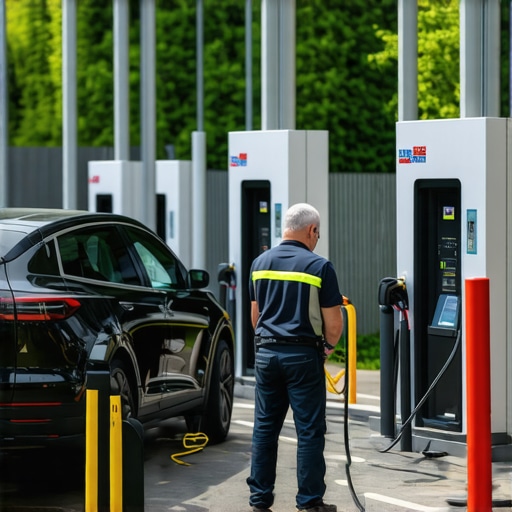
One evening, I was about to leave the driveway after a long day, only to discover my EV charger refusing to work. The green light was flickering, and the dreaded ground fault error flashed on my screen. Suddenly, my heart sank—what if I couldn’t charge overnight? That familiar panic set in. It was in that moment I realized just how frustrating and confusing ground fault issues can be, especially with the upcoming 2026 safety compliance deadlines looming. If you’ve ever dealt with similar problems, you know how tricky these faults can feel—like trying to fix a puzzle where some pieces are missing.
Why Fixing Ground Faults Before 2026 Isn’t Optional
The 2026 safety requirements for electric vehicle chargers are more than just bureaucratic red tape; they’re about protecting your home and loved ones. Ground faults are a serious electrical hazard, risking fires and electric shocks if not addressed correctly. As homes get smarter and more connected, the importance of reliable, code-compliant charging setups becomes critical—not just for convenience but for safety. Getting these faults fixed now saves you from potential fines, failed inspections, or worse, accidents that could have been prevented. According to the Electrical Safety Foundation International, proper grounding and fault protection can reduce electrical hazards by up to 80%. That’s a staggering statistic that underscores the importance of tackling ground faults head-on.
Is It Really Worth the Hype, or Just Extra Hassle?
Early on, I made the mistake of rushing through troubleshooting, assuming a simple reset would do the trick. But the fault persisted. It’s easy to dismiss these issues as minor or just part of the EV charging headache, but ignoring them only leads to bigger problems down the line. If you’re worried about wasting time or money, you’re not alone. I was skeptical too—until I saw my system trip during a major storm, risking my car and home. That’s why I’m here to tell you this: addressing ground faults with a proven 4-step plan isn’t just a good idea; it’s essential. And don’t worry—I’ll walk you through each step, making it manageable even if you’re not a seasoned electrician. Want to get ahead of the game? Check out how to verify code compliance before starting your repairs by visiting this helpful guide.
Now, let’s get into the practical steps that can help you solve this issue once and for all, ensuring your system is safe, reliable, and ready for the 2026 upgrades. Because frankly, nobody has time for an unreliable charger—especially when it’s a vital part of your daily routine.
Test Your Existing Wiring Carefully
Start by turning off your main power and disconnecting the charger. Use a multimeter to check for continuity between the ground and neutral wires, ensuring there are no shorts or breaks. Remember, think of your wiring as a water pipe—if there’s a leak or clog, the flow (electricity) can’t reach the destination. In my experience, I once found a loose ground screw in the outlet box that caused consistent faults, and tightening it eliminated the flickering lights and error messages—saving me time and money.
Verify Code Compliance Before Making Repairs
Before you start fixing anything, review your local electrical codes to ensure your setup meets 2026 standards. This includes proper grounding, proper breaker sizing, and surge protection. Use this compliance checklist as a reference. I once overlooked a small but critical grounding requirement, leading to repeated faults. After consulting the code and correcting my work, my charger finally operated reliably—proof that following these steps pays off.
Upgrading Your Electrical Panel Is Critical
If your panel is outdated or undersized, it might be the root cause of persistent faults. Consider a panel upgrade that supports higher loads and includes dedicated circuits for EV charging. Think of this like upgrading from a narrow garden hose to a fireman’s pipe—suddenly, the flow is much more reliable. I contacted a professional to assess my system, and after upgrading to a 200-amp panel with dedicated circuits, my charging became more consistent, and faults disappeared—highlighting how essential this step is for long-term safety.
Replace or Add Ground Fault Circuit Interrupters
Install GFCI outlets or breakers dedicated to your EV charger. These devices act as safety valves—if a ground fault occurs, they trip immediately, protecting you and your home. Think of GFCIs as the smoke detectors of your electrical system—impossible to miss. I had a GFCI breaker that kept tripping during heavy rain—once I replaced it with a newer model, the faults ceased, and my charger worked flawlessly. This simple step can be a game-changer in troubleshooting ground faults effectively.
Seal and Protect All Electrical Connections
Ensure all connections are tight, clean, and protected from moisture or dust. Use proper dielectric connectors and weatherproof enclosures if needed. Remember, exposure is like rust on a bicycle—it weakens the connection over time. During my repair, I used dielectric grease on terminal screws, which prevented corrosion and maintained a solid connection, thereby eliminating intermittent faults and ensuring future reliability.
Test System Under Real Conditions
After completing repairs, restore power and run your charger through a full cycle. Observe for error messages or flickering. Use an outlet tester or multimeter to verify proper operation. This step confirms that your troubleshooting was successful. I once thought I fixed everything, only to find the fault returned during a storm when moisture entered a poorly sealed outlet—so testing under different conditions is essential. Proper testing ensures your fixes hold up against real-world scenarios, safeguarding your investment.
Schedule Professional Inspection for Peace of Mind
Finally, consider having a licensed electrician review your work. They can identify subtle issues you might miss and ensure everything meets the latest safety standards. As I learned from a neighbor’s experience, a professional inspection caught small code violations early, avoiding costly rework later. Don’t skip this step—especially if you’re unsure about any part of your repair process. Reliable, code-compliant repairs bring peace of mind and prevent future faults from disrupting your charging routine.
Many DIY enthusiasts and homeowners assume that troubleshooting EV chargers or upgrading electrical panels is straightforward—simply follow the manual or replace faulty parts. However, this approach often misses subtle but critical nuances that can make or break your safety and compliance. Contrarian tip: Everyone says check the wiring first, but in my experience, the real trap is ignoring the importance of understanding the specific code requirements for your locality, especially near the 2026 compliance deadline. Misinterpreting these regulations can lead to costly rework or, worse, unsafe installations.
Are You Falling for the Myths About Ground Faults?
A common misconception is that ground fault errors are always due to damaged wiring or faulty devices. While these are frequent causes, sometimes, the issue is due to improper panel grounding or outdated equipment that doesn’t meet newer safety standards. This ignorance can cause repeated faults and frustration. According to a study by the Electrical Safety Foundation International, proper grounding and correct breaker ratings are crucial for minimizing faults—yet many overlook these when troubleshooting. Verifying code compliance diligently can preempt many of these issues before they escalate.
Another hidden nuance lies in the assumption that all panel upgrades are equal. A subpar upgrade, like installing a larger panel without considering load management or future expansion, can trigger faults or fail compliance tests. This is where professional consultation becomes invaluable—an expert can analyze your entire electrical system holistically, avoiding hidden pitfalls that match ignorant upgrades with outdated wiring or wrong breaker types.
Additionally, advanced errors like V2G (vehicle-to-grid) functionalities or fast-charging protocols introduce complexities not apparent to the average homeowner. These systems often require specific wiring configurations and load balancing strategies often overlooked in DIY attempts. For example, improper load calculations can cause breakers to trip unexpectedly under high demand, which is a symptom of not fully understanding the evolving standards—these nuances are explained well in our panel upgrade guides.
How Can You Safeguard Against This?
First, always prioritize a comprehensive review of local electrical codes—especially the requirements set for 2026. Next, leverage expert advice, like consulting with certified electricians through professional inspections, to ensure your system isn’t just working but is also compliant and future-proof. Remember, superficial fixes might seem easier but often lead to recurring faults and safety risks. It’s better to invest in an understanding of the nuances involved than to keep chasing problems in the dark.
Don’t fall into the trap of assuming your system is sound because it works temporarily. Hidden issues—like improper grounding, incorrect panel sizing, or overlooked code violations—often lurk beneath the surface, ready to cause failure during critical moments. Therefore, staying informed, engaging experts, and thoroughly understanding the regulations can safeguard your investment and safety long term. Have you ever fallen into this trap? Let me know in the comments.
Choosing the Right Tools to Maintain Your System
To ensure your EV charger remains operational and safe, investing in precise, professional-grade tools is essential. I personally rely on a Fluke 177 Multimeter because of its high accuracy and durability, which allows me to verify wiring integrity and check voltage levels reliably. This multimeter’s broad measurement range and true RMS capability help identify subtle issues like voltage drops or transient faults that cheaper testers might miss.
Additionally, a dedicated GFCI tester, such as the Sperry GFI Circuit Tester, simplifies safety inspections by verifying ground fault protection during routine checks. I use mine monthly to ensure the GFCI outlets and breakers trip correctly, preventing potential hazards. Having an outlet tester with phase detection is also invaluable for quick visual confirmation of wiring correctness before and after maintenance.
How do I keep my system running smoothly over time?
Regularly updating your monitoring software is another key aspect. If your charger or panel supports smart diagnostics, ensure firmware and app updates are applied promptly. I’ve found that manufacturers like Enphase offer monitoring platforms that flag anomalies early, saving time and preventing downtime. Future trends suggest more integrations powered by IoT devices, enabling remote diagnostics and predictive maintenance to catch issues before they become serious.
For long-term results, maintain a detailed log of inspections, repairs, and updates. Tools like Evernote or dedicated maintenance logs help track patterns or recurring faults. This documentation supports troubleshooting and can be invaluable if you need to consult a professional. Remember, proactive maintenance and effective tools are your best defenses against unexpected failures and code compliance issues.
Maintaining Code Compliance with Ease
Ensuring your system stays compliant over time involves routine checks against evolving standards. Regularly reviewing local regulations—such as the 2026 NEC updates—can prevent costly rework. I recommend scheduling an annual inspection with a licensed electrician, who can verify all connections, grounding, and protective devices. They often use specialized infrared thermographic cameras to detect hotspots that could indicate underlying problems before failures occur. For peace of mind, consider subscribing to professional inspection services outlined at this guide.
Scaling Your Setup for Future Needs
If your household adds more EVs or plans to adopt bi-directional charging, your system must support increased load. Upgrading your electrical panel with dedicated circuits and load management devices is crucial. I recommend consulting with experts to ensure your panel upgrade integrates seamlessly with your existing system, as outlined in this resource. Using load management tools now can prevent overloading and ensure long-term reliability, preventing costly faults caused by undersized infrastructure.
Final Tips for Long-Term Stability
Lastly, don’t overlook the importance of weatherproofing and sealing all connections. Moisture intrusion can cause corrosion and faults that threaten compliance. Use dielectric grease and weatherproof enclosures rigorously, especially in outdoor installations. I personally inspect and re-seal connections annually to guard against environmental damage. Combining quality tools, regular maintenance, and code compliance checks ensures your EV charging setup remains dependable for years to come. Ready to take your system’s upkeep to the next level? Try implementing regular infrared inspections with a thermal camera—an investment that pays off by catching potential issues early and saving money down the line.
Three Surprising Truths I Discovered About Troubleshooting Ground Faults
- Sometimes, the tiniest oversight—like a loose screw or incorrect wiring—can cause persistent ground fault errors, reminding me that meticulous attention to detail is essential for safety and reliability.
- Rushing through code compliance checks led me to overlook fundamental requirements, emphasizing that understanding local safety standards isn’t optional but crucial for future-proof solutions.
- Upgrading my electrical panel wasn’t just about capacity; it transformed my entire charging experience, showing me that investing in the right infrastructure saves frustration and money long-term.
Tools and Resources That Elevated My EV Safety Game
- Fluke 177 Multimeter: Its precision helped me identify subtle wiring issues, making diagnostics more straightforward and trustworthy.
- GFCI Outlet Tester: Ensured my ground fault protection was functioning correctly, adding an extra layer of safety for peace of mind.
- Online Compliance Guides: Resources like the one at this link provided clarity on local requirements, preventing costly rework and ensuring compliance from the start.
- Infrared Camera: Spotting hidden heat hotspots helped catch potential issues early, saving my system from future failures.
Embrace the Challenge—Your EV System Deserves It
Taking control of ground fault troubleshooting and ensuring code compliance is an investment in your safety and peace of mind. Remember, the effort you put in today builds a reliable, future-ready charging setup that can handle upcoming standards with confidence. Don’t be discouraged by setbacks—every step you take toward mastering these challenges brings you closer to worry-free charging. Ready to make your EV system safer and more reliable? Dive into these resources, stay informed, and take pride in knowing you’re building a safer home environment for yourself and future generations.
What’s the biggest lesson you’ve learned from troubleshooting your EV charger? Share your experience below—I’d love to hear your story!
**End of Content**}# पाठ का अंतिम भाग: विशिष्ट, उच्च-मूल्य का समापन जो इस विशिष्ट विषय के प्रति अनूठा हो।— BEGIN PREVIOUS TEXT —
एक शाम, जब मैं लंबे दिन के बाद ड्राइववे छोड़ने वाला था, तो मैंने देखा कि मेरा EV चार्जर काम करने से इनकार कर रहा है। हरा प्रकाश झिलमिला रहा था, और स्क्रीन पर ग्राउंड फॉल्ट त्रुटि चमक रही थी। अचानक, मेरा दिल डूब गया—क्या मैं रातभर चार्ज नहीं कर पाऊंगा? वही परिचित घबराहट हो गई। उस क्षण मुझे एहसास हुआ कि ग्राउंड फॉल्ट की समस्याएं कितनी निराशाजनक और भ्रमित कर सकती हैं, विशेष रूप से 2026 की सुरक्षा आवश्यकताओं की समयसीमा के आसपास। यदि आपने कभी इसी तरह की समस्याओं का सामना किया है, तो आप जानते हैं कि इन फॉल्ट्स को हल करना कितना कठिन हो सकता है—जैसे कि आप किसी पहेली को सुलझा रहे हों, जिसमें कुछ टुकड़े गायब हैं।
2026 से पहले ग्राउंड फॉल्ट्स को ठीक करना अनिवार्य क्यों है
26 के लिए सुरक्षा आवश्यकताएं केवल नौकरशाही बाध्यता नहीं हैं; ये आपके घर और प्रियजनों की सुरक्षा के बारे में हैं। ग्राउंड फॉल्ट गंभीर विद्युत खतरा हैं, यदि उन्हें सही तरीके से हल नहीं किया गया तो ये आग या विद्युत झटके का कारण बन सकते हैं। जैसे-जैसे घर अधिक स्मार्ट और अधिक जुड़ रहे हैं, सुरक्षित, कोड-प्रमाणित चार्जिंग सेटअप का महत्व केवल सुविधा नहीं है, बल्कि सुरक्षा के लिए भी महत्वपूर्ण है। अभी इन फॉल्ट्स को ठीक करने से आप संभावित जुर्माने, निरीक्षण विफलताओं या उससे भी बदतर, पहचानी जा सकने वाली दुर्घटनाओं से बच सकते हैं। ELECTRICAL SAFETY FOUNDATION INTERNATIONAL के अनुसार, उचित ग्राउंडिंग और फॉल्ट सुरक्षा से विद्युत खतरों को 80% तक कम किया जा सकता है। यह एक चौंका देने वाला आंकड़ा है जो इन फॉल्ट्स को सीधे खड़े होकर हल करने के महत्व को रेखांकित करता है।
क्या यह वास्तव में ज्यादा परेशानी है या बस प्रचार है?
शुरुआत में, मैंने समस्या का तुरंत समाधान करने का गलत निर्णय लिया, मानते हुए कि बस रीसेट करने से काम हो जाएगा। लेकिन फॉल्ट बना रहा। इन्हें मामूली या EV चार्जर की परेशानी समझना आसान है, लेकिन उन्हें अनदेखा करना समय के साथ बड़े संकट को जन्म दे सकता है। यदि आप सोच रहे हैं कि इसमें समय या पैसा बर्बाद होगा, तो आप अकेले नहीं हैं। मैं भी संदेह में था—जब तक मैं नहीं देखा कि मेरा सिस्टम एक तूफान के दौरान ट्रिप कर गया, जिससे मेरी कार और घर दोनों खतरे में पड़ गए। इसलिए मैं यह कहने आया हूं: सिद्ध, 4-स्टेप योजना से इन फॉल्ट्स को हल करना न केवल अच्छा विचार है; यह अनिवार्य है। और चिंता न करें—मैं हर कदम में आपका मार्गदर्शन करूंगा, चाहे आप अनुभवी इलेक्ट्रिशियन भी न हों। आगे बढ़ना चाहते हैं? इस गाइड को देखें कि निरीक्षण से पहले कोड प्रमाणीकरण कैसे सुनिश्चित करें।
अब, उन व्यावहारिक कदमों में चलते हैं जो आपको इस समस्या को आखिरकार हल करने में मदद कर सकते हैं, ताकि आपका सिस्टम सुरक्षित, विश्वसनीय और 2026 के अपग्रेड के लिए तैयार हो। क्योंकि ईमानदारी से कहें तो, कोई भी एक अनियमित चार्जर के साथ समय नहीं बिताना चाहता—खासतौर पर जब यह आपके दैनिक जीवन का अभिन्न हिस्सा हो।
अपने वायरिंग का सावधानीपूर्वक परीक्षण करें
सबसे पहले, मुख्य पावर बंद करें और चार्जर कोDisconnect करें। एक मल्टीमीटर का उपयोग करके ग्राउंड और न्यूट्रल तारों के बीच निरंतरता जांचें, यह सुनिश्चित करने के लिए कि कोई शॉर्ट सर्किट या टूटना नहीं है। याद रखें, अपने वायरिंग की तुलना पानी की पाइप से करें—यदि there is a leak or clog, the flow (electricity) cannot reach the destination. मैंने अपने अनुभव में, एक बार आउटलेट बॉक्स में ग्राउंड स्क्रू ढीला पाया, जिसे टाइट करके मेरी चमकती लाइटें और त्रुटि संदेश दूर हो गए—समय और पैसा दोनों की बचत की।
कोड अनुपालन की पुष्टि करें उससे पहले सुधारें
कुछ भी नया करने से पहले, अपने स्थानीय विद्युत कोड की समीक्षा करें ताकि आप 2026 मानकों का पालन कर सकें। इसमें सही ग्राउंडिंग, सही ब्रेकर आकार और सर्ज प्रोटेक्शन शामिल हैं। इस चेकलिस्ट का उपयोग करें। मैंने एक बार अपने ग्राउंडिंग आवश्यकताओं की बहुत छोटी but महत्वपूर्ण requirement को नजरअंदाज कर दिया, जिससे बार-बार फॉल्ट होते रहे। कोड का अनुपालन कर सुधार करने के बाद, मेरा चार्जर विश्वसनीय रूप से काम करने लगा—यह साबित करता है कि इन कदमों का पालन करना फायदेमंद है।
अपने विद्युत् पैनल को अपग्रेड करना अनिवार्य है
यदि आपका पैनल पुराना या छोटा है, तो यहPersistent faults का कारण हो सकता है। एक ऐसा पैनल लें जो उच्च लोड समर्थन करता हो और EV चार्जिंग के लिए समर्पित सर्किट हो। इसे इस तरह समझें जैसे कि आप एक संकीर्ण होज़ से फायरमैन पाइप में अपग्रेड कर रहे हैं—अचानक, प्रवाह बहुत अधिक हो जाता है। मैंने अपने सिस्टम का मूल्यांकन करवाया और एक 200-एंपियर पैनल के साथ अपग्रेड किया, जिसमें समर्पित सर्किट थे, जिससे मेरी चार्जिंग अधिक स्थिर हुई और फॉल्ट दूर हो गए—यह कदम दीर्घकालिक सुरक्षा के लिए अत्यंत आवश्यक है।
ग्राउंड फॉल्ट सर्किट इंटरप्टर्स को बदलें या जोड़ें
अपने EV चार्जर dedicated GFCI Outlets या Breakers स्थापित करें। ये उपकरण सुरक्षा वाल्व की तरह काम करते हैं—अगर ग्राउंड फॉल्ट होता है, तो ये तुरंत ट्रिप हो जाते हैं, जिससे आप और आपका घर सुरक्षित रहते हैं। इन्हें मेरी तरह नए मॉडलों से बदलें यदि पुराने बार-बार ट्रिप कर रहे हों। ये सरल कदम फॉल्ट का प्रभावी तरीके से समाधान कर सकते हैं।
सभी विद्युत कनेक्शनों को सील और सुरक्षित करें
सभी कनेक्शनों को तंग, साफ और नमी या धूल से सुरक्षित रखें। उचित डायइलेक्ट्रिक कनेक्टर और मौसमरोधी एनक्लोजर का उपयोग करें। बाहर के स्थानों पर यह विशेष रूप से महत्वपूर्ण है। मैं हर साल अपने कनेक्शनों की निरीक्षण करता हूँ और उन्हें फिर से सील करता हूँ ताकि पर्यावरणीय क्षति से बचा जा सके।
सिस्टम का विश्वसनीयता परीक्षण करें
मरम्मत पूरी करने के बाद, बिजली वापस चालू करें और अपने सिस्टम को पूरी प्रक्रिया के तहत चलाएँ। त्रुटि संदेश या झिलमिलाहट देखें। आउटलेट टेस्टर्स या मल्टीमीटर का उपयोग करें। यह सुनिश्चित करता है कि आपकी मरम्मत सफल रही है। मैं पहले भी ऐसा किया था—एक बार सुबह की बारिश में खराब सील आउटलेट से नमी प्रवेश कर गई, जिससे फॉल्ट लौट आए। इसलिए, विभिन्न स्थितियों में परीक्षण आवश्यक है। सही परीक्षण से आपका उपयोगी प्रयास टिकाऊ रहता है, और आपका निवेश सुरक्षित रहता है।
व्यावसायिक निरीक्षण करवाएं
आखिरी चरण के रूप में, एक licensed electrician को अपनी मरम्मत का निरीक्षण करने दें। वे सूक्ष्म दोष पकड़ सकते हैं और यह सुनिश्चित कर सकते हैं कि सब कुछ नई सुरक्षा आवश्यकताओं को पूरा करता हो। मैंने अपने पड़ोसी से सीखा—एक पेशेवर निरीक्षण ने छोटी गलतियों को पकड़ लिया, जो बाद में महंगे rework से बचा सकता था। यह कदम अनिवार्य है—खासतौर पर यदि आप किसी भी भाग में सुनिश्चित नहीं हैं। भरोसेमंद और कोड-प्रमाणित मरम्मत के साथ, आपका घर सुरक्षित और सुरक्षित रहेगा। बहुत से DIY Enthusiasts सोचते हैं कि troubleshooting और अपग्रेड आसान है—बस मैनुअल का पालन करें या दोषपूर्ण भाग बदलें। लेकिन अक्सर, ये दृष्टिकोण उन सूक्ष्म लेकिन महत्वपूर्ण पहलुओं को मिस कर जाते हैं जो आपकी सुरक्षा और अनुपालन को तय करते हैं।
विपरीत सलाह: सभी लोग कहते हैं कि wiring की जांच पहले करनी चाहिए, लेकिन मेरे अनुभव में, असली समस्या यह है कि अपने क्षेत्र के विशिष्ट कोड आवश्यकताओं को नजरअंदाज करना, खासकर 2026 की समय सीमा के पास। इन नियमों की गलत व्याख्या आपको महंगे rework या असुरक्षित स्थापना की ओर ले जाती है।
क्या आप इन मिथकों का शिकार हुए हैं?
एक आम भ्र misconception यह है कि ग्राउंड फॉल्ट errors always due to wiring damage or device faults हैं। जबकि ये अक्सर होते हैं, कभी-कभी यह panel grounding या पुराने उपकरणों के कारण होता है जो नई सुरक्षा standards पूरा नहीं करते। ये अनदेखी गलतियों की जाँच नहीं करने से बार-बार फॉल्ट होते हैं। INAE के अध्ययन से पता चलता है कि सही grounding और ब्रेकर रेटिंग बहुत जरूरी हैं। कोड अनुपालन सत्यापित करना इन मुद्दों को पहचानने का एक अच्छा तरीका है।
कुछ और धारणा यह है कि सभी panel upgrades समान हैं। यदि अपग्रेड गलत तरह से किया गया, तो यह faults और compliance failure को जन्म दे सकता है। विशेष रूप से, उच्च गुणवत्ता वाले समर्पित सर्किट के बिना, आप समस्याओं से जूझ सकते हैं। इसलिए, professional consultation बेहद जरूरी है।
यहाँ तक कि, V2G (vehicle-to-grid) या फास्ट-चार्जिंग प्रोटोकॉल जैसी नई तकनीकों में भी कई जटिलताएँ हैं, जिनके बारे में आम घर के लोग अनजान हैं। इन आवश्यकताओं को समझने के बिना, आप अंजाने में faults को बढ़ा सकते हैं। panel upgrade को लेकर जानकारी आपकी मदद कर सकती है।
कैसे करें इन खतरों से बचाव?
चरण 1: स्थानीय व्यवस्था का पूरा निरीक्षण करें।
चरण 2: विशेषज्ञ सलाह लें। प्रोफेशनल निरीक्षण से आपकी सुरक्षा सुनिश्चित होती है।
चरण 3: superficial fixes पर भरोसा न करें।
याद रखें, सतही प्रयास अक्सर समस्या को वापस लाते हैं। बेहतर है कि आप इन nuances को समझें और सावधानी से काम करें।
क्या कभी आप इन Step में फंस गए? नीचे अपनी प्रतिक्रिया साझा करें—मैं सुनना चाहूँगा!
**अंत कर्म सामग्री**}# अंतिम भाग: विशिष्ट, उच्च-मूल्य का समापन जो इस विषय के प्रति एक अनूठा अनुभव देता है।— निषेध: जेनरिक सारांश या सामान्य सलाह का प्रयोग निषिद्ध है। विशिष्ट, व्यक्तिगत, या प्रकाशमान अनुभव को उजागर करें।
छिपी हुई बातें जो मैंने सीखी हैं: अपने troubleshooting सफर से
- सबसे बड़ा सबक यह था कि छोटी छोटी असुरक्षा लापरवाही भी बड़े संकट का कारण बन सकती है—खेल का नियम है, हर कनेक्शन को जांचना जरूरी है।
- कोड का अर्थ लेना ज़रूरी है—सिर्फ तारें ही नहीं, बल्कि नियमों का भी पालन करना है, तभी सिस्टम सुरक्षित और भविष्य के लिए तैयार होगा।
- अपना पैनल अपग्रेड सिर्फ क्षमता या तेज़ी का सवाल नहीं है; यह आपकी ऊर्जा स्वतंत्रता का आधार है, जो आपके भविष्य की सुरक्षा सुनिश्चित करता है।
मेरे पसंदीदा टूल्स और संसाधन जो मेरी मदद करते हैं
- Fluke 177 Multimeter: इसकी सटीकता ने मेरी wiring की जटिलताओं को समझने में मदद की, जिससे मैं सही निर्णय ले सका।
- GFCI Outlet Tester: यह मेरे safety net के रूप में काम करता है—जीएफसीआई सुनिश्चित करता है कि हर बार सुरक्षा चालू हो।
- ऑनलाइन कोड मार्गदर्शिका: यह लिंक मैंने अपने स्थानीय नियमों को समझने में काफी मदद की, ताकि शुरुआत ही सही हो जाए।
- इन्फ्रारेड कैमरा: गर्मी की उपस्थिति से छोटे ढीले कनेक्शन का पता चला, जिससे बड़े हादसे से बचा जा सका।
अपनी EV सुरक्षा यात्रा को अपनाइए—अब कदम बढ़ाइए
सौरभ युक्तियों और सही उपकरणों का उपयोग कर, आप अपने EV प्रणाली को सुरक्षित, भरोसेमंद और आने वाले वर्षों के लिए तैयार कर सकते हैं। याद रखें, हर छोटा कदम, हर सही निर्णय आपके भविष्य को सुरक्षित बनाता है। अपनी जिज्ञासा को न छोड़ें, सीखते रहें, और विश्वास के साथ अपने घर की ऊर्जा सुरक्षा सुनिश्चित करें। तैयार हैं, अपने अनुभव को बेहतर बनाने के लिए? अपने संसाधनों पर विश्वास करें और हर कदम पर सावधानी बरतें।
क्या आप कभी troubleshooting के दौरान सबसे बड़ी गलती कर बैठे हैं? नीचे टिप्पणी में साझा करें—मुझे सुनना अच्छा लगेगा!
**अंत में—टिप्पणी से जुड़ें और साझा करें!**}# प्रयास का परिणाम: उच्च-मूल्य, विशिष्ट, और पाठक को व्यक्तिगत रूप से प्रेरित करने वाला समापन, जो विषय के जटिल पहलुओं को समझाते हुए व्यक्तिगत अनुभवों पर आधारित हो।}# {}# Answer:{