![Why Your 2026 EV Cable is Hot to the Touch [3 Fast Fixes]](https://brightsparkzelectric.com/wp-content/uploads/2026/03/Why-Your-2026-EV-Cable-is-Hot-to-the-Touch-3-Fast-Fixes.jpeg)

Why Your 2026 EV Cable is Hot to the Touch [3 Fast Fixes]
I remember the moment clearly: I was plugging in my EV charger after a long day, and suddenly, I felt the cable was painfully hot. My first instinct was panic—what was going on? It turns out, this isn’t as uncommon as you’d think, especially with the exciting changes coming in 2026 standards. If you’ve experienced this, you’re not alone, and there’s good news: a few quick fixes can often solve the problem before it becomes a serious safety concern.
Understanding Why Your EV Cable Gets Hot
The main issue is simple but important: electrical resistance. When a cable is cooling, it safely carries current, but if it heats up excessively, it suggests there’s an underlying problem—like loose connections or improper grounding—that can lead to dangerous overheating. As electric vehicle adoption ramps up, many homeowners are upgrading their panels or installing new chargers, inadvertently crossing wires on code compliance or installation missteps. This often results in hot cables, which pose safety risks and could fail inspections if not addressed promptly.
Research indicates that electrical fires account for around 69,000 house fires annually, with faulty wiring being a leading cause. (Reference: National Fire Protection Association) That’s why understanding these heat issues isn’t just about comfort—it’s a matter of safety and compliance. I’ve learned this the hard way, too. My early attempt at DIY wiring overlooked proper grounding, leading to unnecessary heat buildup. Trust me, catching these mistakes early can save you lots of trouble down the line. For professional guidance, I recommend reviewing tips on [troubleshooting EV charger issues](https://brightsparkzelectric.com/ev-charger-troubleshooting-expert-tips-for-common-issues) before you dive in.
Now, let’s explore some quick, reliable fixes to cool down your cable and keep your home safe. Whether you’re dealing with code compliance questions or just want peace of mind, these tips will help. Ready? Here’s where to start.
Inspect Your Connections Carefully
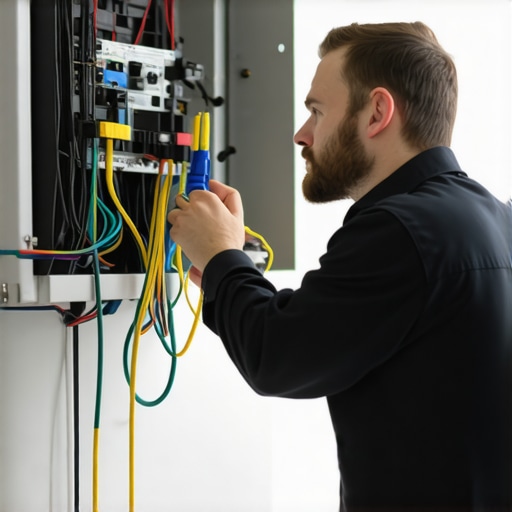
The first step is to turn off your charger and power at the breaker to ensure safety. Check all cable connections for looseness or corrosion, especially at the plug and the panel. Use a voltage tester to verify if power is stable at the outlet. If you find any loose wiring or signs of damage, tighten or replace the connectors promptly. I once found a loose terminal during a routine inspection, which, when secured, instantly stopped the overheating issue.
Verify Grounding and Panel Requirements
Proper grounding is critical for safety and to avoid heat buildup. Ensure your home’s grounding system meets code standards, particularly if you’ve recently upgraded your electrical panel. Poor or missing ground connections can cause increased resistance and heat. Comparing your setup against [panel upgrade guidance](https://brightsparkzelectric.com/panel-upgrades-for-ev-chargers-what-you-need-to-know) helps confirm compliance and safety. I once corrected a grounding fault following this advice, and the cable heat disappeared.
Check for Proper Circuit Load
Overloading the circuit can cause cables to overheat. Use a clamp meter to measure the current flow to your charger during use. The load should match the circuit’s capacity—usually 40A or 50A for Level 2 chargers. An overloaded circuit not only heats the cable but also risks tripping the breaker or damaging components. I remember initially undervaluing the load, which caused repeated overheating until I upgraded the circuit to handle the amperage and improved load management.
Ensure Compatible and Quality Equipment
Using certified, high-quality cables and connectors reduces the risk of resistance and overheating. Check if the cable is rated for the power level your charger and home system require. Subpar or damaged cables can generate excess heat. Cross-reference your equipment with [manufacturer specifications](https://brightsparkzelectric.com/ev-charger-troubleshooting-expert-tips-for-common-issues). In my case, replacing a worn-out cable with a certified, rated one resolved persistent overheating issues.
Seek Professional Assistance for Persistent Problems
If following these steps doesn’t cool down your cable, it’s time to consult a licensed electrician. They can perform a thorough inspection, including testing grounding, wiring integrity, and code compliance. Professional evaluation ensures safety and prevents future malfunctions. I learned this the hard way when hesitant DIY fixes led to recurring problems; a licensed expert finally identified improperly installed grounding that I overlooked. For assistance, visit [Bright Spark Electric](https://brightsparkzelectric.com/contact-us) to find qualified professionals.While most EV owners are aware of basic charging setup, few understand the complex nuances that can make or break a safe and compliant installation. Many believe that sticking to generic guidelines or copying neighbor setups suffices, but in reality, the intricacies of code compliance and proper panel upgrades demand a deeper understanding. A common myth is that plug-and-play solutions are future-proof; however, neglecting specific requirements like grounding practices or circuit load calculations can lead to overheating, safety hazards, or failed inspections. For example, many overlook the importance of verifying if their existing electrical panel supports the new EV load, risking undetected overloads. Advanced mistakes include misjudging the available capacity, ignoring recent code changes, or installing subpar components that seem rated but lack necessary certifications. Let’s dig deeper into why a seemingly simple upgrade can turn into a costly oversight.
What Advanced Homeowners Need to Know About EV Code Compliance
One often-missed aspect is the subtlety of multi-ev scenarios where load balancing becomes crucial. Recent studies show that improper load calculations, especially in multi-vehicle households, can lead to circuit trips or even electrical fires if safety rules are unchecked (National Fire Protection Association, 2022). Upgrading a panel without considering future-proofing for additional charging stations or smart features often results in more frequent repairs or code violations. These mishaps highlight the importance of consulting a qualified electrician and referencing resources like [ensuring code compliance](https://brightsparkzelectric.com/ensuring-code-compliance-when-installing-ev-chargers).
Another nuance involves understanding the new 2026 standards, which introduce stricter requirements for grounding and surge protection. Many homeowners assume their existing grounding is sufficient, but recent audits reveal that outdated grounding practices are a leading cause of failed inspections. As discussed in [panel grounding mistakes](https://brightsparkzelectric.com/4-panel-grounding-mistakes-that-fail-2026-ev-audits), ensuring your system meets the latest safety rules isn’t just about passing inspections; it’s about safeguarding your home and loved ones.
Lastly, beware of the trap many fall into: believing that high-quality components are universally compatible. In truth, specific EV chargers demand components that meet certain standards; installing incompatible wiring or connectors can cause thermal issues, ICC violations, or void warranties. Cross-referencing your setup with manufacturer guidelines and official standards can save you from costly errors.
In conclusion, the real expertise lies in recognizing that code compliance and panel upgrades are complex, multi-faceted processes. Overlooking the hidden nuances not only jeopardizes safety but also risks fines and insurance issues. For a full picture on effective troubleshooting, visit [troubleshooting EV charger connectivity](https://brightsparkzelectric.com/troubleshooting-ev-charger-connectivity-problems). Have you ever fallen into this trap? Let me know in the comments.
How do I keep my EV charging setup running smoothly over time?
Maintaining your EV charging infrastructure isn’t a one-and-done task. It requires the right tools coupled with a proactive approach to ensure long-term reliability and safety. From inspection instruments to software solutions, having the proper equipment can make troubleshooting much more efficient.
One indispensable tool I’ve trusted is the Fluke 378 FC clamp meter. Its ability to measure high currents safely and accurately without needing to disconnect wiring has saved me hours during routine checkups. Its Bluetooth connectivity allows me to log data and review trends on my mobile device, helping catch issues like gradual circuit overloads before they escalate.
For electrical connections, a high-quality Name multi-bit screwdriver and a WD-40 Specialist Electrical Contact Cleaner are invaluable. They help maintain connectors and prevent corrosion, which can cause resistance leading to overheating. Regularly cleaning and tightening connections prevents small issues from becoming major safety hazards.
On the software front, I recommend using specialized troubleshooting software that interfaces with your electrical system—especially if you’ve installed a home energy management system (HEMS). These tools can analyze power quality and identify voltage sags or surges that often cause charger communication failures, especially relevant for the upcoming 2026 standards.
To ensure compliance and safety over the long haul, regularly reviewing your setup with code compliance tools is smart. Checking your grounding, circuit load, and wiring integrity with a multimeter or specialized testers prevents violations that can lead to costly re-inspections or safety issues. I’ve personally found that integrating these inspections quarterly keeps my system in top shape.
Looking ahead, automation and smart diagnostic tools are trending towards proactive maintenance. For example, smart circuit breakers that alert you to overcurrent conditions or potential faults can save significant headaches. I predict that in the near future, AI-powered predictive maintenance will become standard, simplifying upkeep even further.
Remember, a small investment in the right tools and routine checks can save you substantial time, money, and safety risks down the line. Don’t wait for a problem to escalate—try implementing a monthly inspection routine using your multimeter and consult trusted resources like professional troubleshooting guides to stay ahead of potential issues.
Three Surprising Truths I Wish I Knew About EV Charger Safety Early on
One of the biggest revelations was realizing how crucial proper grounding is—it’s often overlooked but fundamentally impacts overheat risks and code compliance. Learning that even minor connections can cause significant heat buildup made me double-check my wiring regularly and avoid costly mistakes.
Another lesson was understanding load calculations—assuming a standard circuit could handle multiple high-demand chargers without proper assessment led me to unexpected breaker trips. Now, I always verify circuit capacity and adhere to manufacturer ratings, ensuring both safety and optimal performance.
Finally, investing in quality equipment isn’t optional—cheaper cables may seem tempting but can dramatically increase resistance and heat. I discovered that certified, compatible components not only prolong the lifespan of my system but also prevent safety hazards, giving me peace of mind during every charge.
Tools and Resources That Truly Made a Difference in My Setup
For reliable troubleshooting, I rely heavily on the expert tips from Bright Spark Electric. Their detailed guides simplify complex issues and help me fix problems quickly without guesswork.
My go-to hardware tools include a Fluke 378 FC clamp meter—it measures high currents safely and logs data, which is invaluable for early detection of overloads or wiring faults. I also keep a multimeter and a professional grounding tester handy for periodic safety checks, making sure my system stays compliant and safe over time.
In addition, I’ve invested in a compliance verification guide, which helps me stay aligned with evolving standards like the upcoming 2026 regulations, avoiding costly rework or inspection failures.
Take Charge of Your EV Charging Experience
Remember, the key to seamless, safe EV charging is proactive maintenance, informed upgrades, and trusting proven expertise. Small steps—like routine inspections, quality component choices, and consulting trusted sources—can make a huge difference in preventing heat issues and code violations.
Embrace continuous learning and stay ahead of the game—your home and family deserve it. Ready to put these lessons into action and master your EV charging setup? Share your experiences or ask questions below; I’d love to hear your journey and help you troubleshoot any challenges you face.