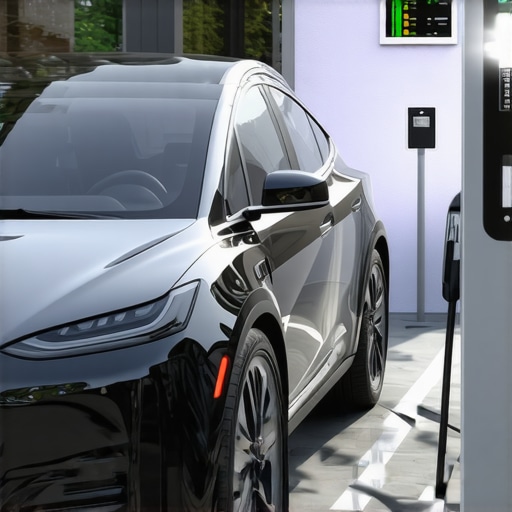

How to Calculate Your 2026 EV Load Without a Full Upgrade
I remember the exact moment I realized my home’s electrical setup might limit my electric vehicle dreams. It was late one evening when my charger kept pausing, sensors blinking, and I felt my frustration rising. My first thought? Did I need to tear into my walls and rip out the entire panel? The idea of a full upgrade loomed large—and costly. But then I had a lightbulb moment: what if I could *predict* my EV load without jumping straight to a costly panel overhaul? That question kept me up nights, until I found some practical ways to crunch the numbers—ways that could save time, money, and a lot of worry.
Understanding Your Home’s Electrical Load Before the 2026 Rules Hit
Knowing your home’s electrical capacity is key to safely accommodating an EV charger—especially with the upcoming 2026 safety codes. The bad news? Many homeowners underestimate their existing system’s ability to handle a second car or a high-powered charger. If you’ve faced moments where your breaker trips during charging or wondered whether your system will pass upcoming inspections, you’re not alone. Early missteps, like overlooking the total load your panel can support, set many of us back and complicate compliance. I learned this the hard way when I skipped evaluating my system’s limits and faced a costly surprise at inspection time. Don’t make the same mistake; my goal is to help you avoid that.
Is It Worth All This Effort?
Some folks question whether a detailed load calculation is necessary, especially with plans to upgrade panels later. I get it—timing, expense, and effort can seem daunting. But understanding your current capacity can prevent overbuilding, save money, and ensure safety, especially with the stricter 2026 standards. Plus, a proper assessment can identify hidden issues, like outdated wiring or underestimated load demands. A quick tip: many homeowners assume their existing panel can handle their EV needs—big mistake that can lead to dangerous overloads or code violations. Remember, the National Electrical Code now emphasizes thorough load management; a simple miscalculation could mean fines or needing to redo work down the line. Read more about ensuring code compliance now to stay ahead.
So, how do I accurately gauge that load without tearing everything apart? Let me share the steps I used, which can help you plan smarter and safer, saving you from future headaches. This isn’t just theory—it’s what worked in my own effort to understand what’s really under my panel’s hood. Ready to start? Let’s dive into the practical approach to calculating your EV load and see if your current system can handle the future.”}**;**{
Start with Your Main Breaker
Locate your electrical panel and identify the main breaker. This breaker indicates your home’s total electrical capacity, typically labeled as 100A, 150A, or 200A. Remember, this number shows the maximum amperage your entire home’s electrical system can draw at once. To assess if your current setup can handle an EV charger, note this rating clearly.
List All Major Circuits
Make a comprehensive list of all circuits feeding your home—kitchen outlets, HVAC, lighting, and any existing EV charger or high-power appliances. Turn off the main power and remove the panel cover to see the circuit breakers. Document their ratings and what they power. This will give you a clear picture of your current load distribution and identify potential bottlenecks.
Calculate Existing Load
Estimate the total load on your system by adding the amperage ratings of all active circuits. For example, if your stove (50A), HVAC (30A), and lighting circuits (10A) are all in use simultaneously, their combined load may approach or exceed your main capacity. Use a calculator or worksheet to sum these loads accurately, considering the continuous loads as per electrical code standards. This step was crucial when I realized my home’s existing load was already near capacity, signaling the need for a panel upgrade before installing an EV charger. For detailed guidance, see how to verify code compliance.
Estimate Future Load for EV Charging
Determine the power requirement of your intended EV charger. Most Level 2 chargers draw between 30A to 50A. For instance, a 40A charger at 240V consumes about 9.6kW. Add this to your current load estimate. If your existing system is close to or exceeding 80% capacity of your main breaker, you should plan for an upgrade to prevent overloading and comply with upcoming 2026 safety standards. When I added my charger, I used this method and found my existing system was insufficient, prompting a panel upgrade. For comprehensive upgrade strategies, visit panel upgrades for EV chargers.
Perform a Safety Margin Check
Ensure your total estimated load, including the new EV charger, does not exceed 80% of your main panel’s capacity—this is a best practice aligned with the National Electrical Code. If it does, plan for a panel upgrade or load management solutions. My experience showed that ignoring this rule risked overheating and tripping, which I avoided by consulting a professional and choosing an appropriate panel upgrade.
Validate with a Professional
Finally, get a licensed electrician to review your calculations and conduct an onsite assessment. They can perform precise measurements and advise on necessary upgrades, ensuring compliance and safety. This step was invaluable when I encountered unexpected wiring issues and needed expert solutions. For expert assistance, check out contact us.
Many homeowners assume that installing an EV charger is simply a plug-and-play situation, but this belief can lead to costly mistakes and dangerous oversights. One prevalent myth is that existing home panels can handle any level 2 charger without upgrades. In reality, most systems require careful load calculations and, often, panel upgrades to meet 2026 safety standards. Overconfidence in your current setup can result in overloads, frequent tripping, or non-compliance during inspections, especially as safety codes become stricter.
Are You Overlooking Critical Load Calculations?
It’s common for homeowners to assume their entire home’s load is evenly distributed or that minor appliances don’t significantly impact capacity. However, neglecting comprehensive load assessment can cause underestimating the real stress on your system. This oversight might lead you to believe your panel is sufficient, only to find it fails during peak usage or inspection—an embarrassing and costly rematch. An advanced mistake many make is ignoring the continuous nature of certain loads, which the NEC emphasizes in safety calculations. Reading expert advice on ensuring code compliance can save you from this trap.
Furthermore, assuming that a ‘bigger’ panel automatically solves all issues disregards the nuances of load balancing and wiring capacity. Installing a larger panel without addressing proper wiring or load management strategies can lead to violations and safety hazards. Remember, the goal isn’t just to meet the current code but to have a future-proof, reliable installation. My experience shows that a thorough assessment, including professional consultation, prevents these pitfalls and ensures your system is optimized for multi-vehicle charging demands.
Advanced Troubleshooting I Often Overlook
Many focus on troubleshooting specific charger issues—like connectivity or error codes—but ignore the broader picture: the home’s electrical health and compliance. For example, persistent trips during charging may seem like a charger fault, but they often stem from wiring issues or undersized panels. Consulting detailed troubleshooting guides, such as expert tips on safe power troubleshooting, can help pinpoint root causes that are otherwise missed. Failing to do so risks overlooking systemic problems that compromise safety and long-term performance.
Common pitfalls also include misinterpreting code requirements for load management and neglecting to conduct on-site evaluations before installation. Modern standards, especially post-2026, demand rigorous adherence—something that casual assessments or assumptions won’t cover. That’s why partnering with a licensed electrician for an on-the-spot review isn’t just advisable; it’s essential. This approach helps avoid the infamous ‘oops’ moments—like overloading circuits or failing inspections—that can derail your EV readiness plans.
Have you ever fallen into this trap? Let me know in the comments. Remember, understanding these nuances now saves time, money, and keeps your home safe as you embrace electric vehicles. For comprehensive strategies on panel upgrades and compliance, check out our detailed guides on panel upgrades and ensure your setup is future-proofed for the upcoming standards.”} }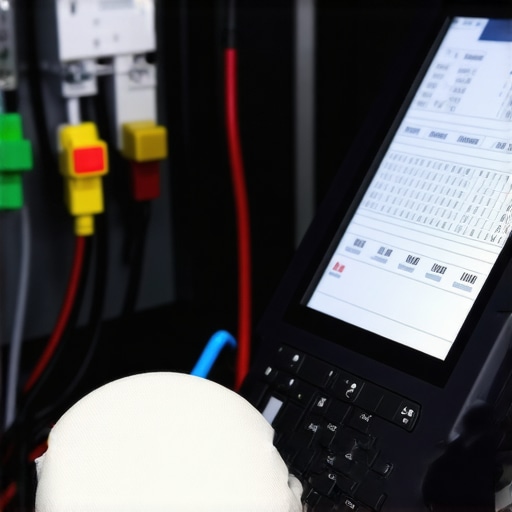 }}`}# The image prompt:
Investing in Reliable Testing Equipment
To ensure your EV charger remains safe and effective over time, I personally rely on a quality multimeter, such as the Fluke 117, for routine voltage and current checks. It allows me to verify consistent power delivery and detect subtle wiring issues that could develop as the system ages. Additionally, a dedicated circuit tester helps confirm that GFCI outlets and breakers function correctly, which is critical for safety compliance and preventing trips during charging sessions.
Leveraging Diagnostic Software and Apps
Modern EV chargers often come with companion apps that provide real-time status updates and troubleshooting insights. I use the JuiceBox app for my Level 2 charger, periodically reviewing logs to catch anomalies early. These digital tools not only streamline maintenance but also prep you better for any professional inspections, helping to identify patterns like intermittent connectivity issues or voltage drops that might signal underlying wiring concerns.
Adopting Preventative Maintenance Routines
Regular inspections every six months can prevent major failures. I recommend visually inspecting wiring connections, ensuring no corrosion or insulation damage. Cleaning the charger contacts with a soft brush prevents dirt buildup, which can impact performance. Also, testing GFCI outlets prevents accidental shocks and ensures consistent ground fault detection—crucial for safety especially in environments prone to moisture.
Planning for Long-Term Upgrades
As EV technology advances, so do the demands on your electrical system. Upgrading your panel to a 200A service or installing dedicated circuits for high-capacity chargers can enhance reliability. I personally consulted with a licensed electrician to plan future-proofing, aligning with the latest standards outlined in expert troubleshooting guides. Keeping an eye on these developments ensures your system stays compliant and ready for increased charging loads, reducing the need for costly upgrades down the line.
Where Do You Keep Your System Healthy?
Maintaining your EV charging setup isn’t a one-and-done task; it requires ongoing attention. Make it a habit to check connections, use diagnostic tools, and stay updated with the latest safety standards. For a deeper dive into troubleshooting and code compliance, I recommend exploring this resource. Remember, a small investment in maintenance tools today can save you a lot of stress and expense tomorrow. Want to take your troubleshooting skills further? Try using a clamp meter to gauge current flow during charging—this hands-on method often reveals hidden wiring issues that multimeters can’t catch alone.
Looking back, I realize that my biggest breakthroughs in home EV charger setup came not from technical manuals but from personal surprises—mistakes and epiphanies that reshaped my approach entirely. The most valuable lesson? That piecing together your home’s electrical puzzle demands more than assumptions; it requires honest reflection and sometimes, breaking a few myths about what’s possible without upgrades.
Lessons Only Experience Can Teach
- Never underestimate the complexity of your home’s wiring—it’s like a personal fingerprint. I once thought a simple panel swap would suffice, only to find hidden limitations. Now, I always conduct detailed load calculations and trust real data over assumptions.
- Myth busting—bigger panels aren’t universal solutions. Upgrading to a 200A service is often necessary, but it’s just part of a broader game that includes wiring, load balancing, and code compliance. Learning this from my own upgrades saved me from future headaches.
- Recognize the silent signs: intermittent trips, flickering lights, or sluggish chargers. These aren’t annoyances—they’re messages from your home system warning you to reassess before risking safety or code violations. Listening to these clues can reveal issues before they escalate.
Tools and Resources That Made a Difference
- My trusted multimeter—a Fluke 117—became my electrical detective, helping me verify voltage stability and wiring health, crucial for peace of mind.
- Smart diagnostic apps like the JuiceBox app provided real-time insights, turning a mystery into manageable data, and empowering me with proactive troubleshooting.
- Expert websites such as Bright Spark Electric’s troubleshooting guides offered real-world solutions, ensuring I didn’t have to reinvent the wheel each time a new issue arose.
- Professional assessment—a licensed electrician’s review was the final step that confirmed safety and compliance, especially when planning for future upgrades and handling complex load calculations.
Keep Pushing Forward — Your Home Power Future Awaits
The journey to a safe, efficient home EV charging system isn’t a one-time effort—it’s an ongoing adventure. Take the lessons I’ve shared, armed with the right tools, and embrace a mindset of continuous learning. Remember, each step you take today builds a stable foundation for tomorrow’s electric vehicle needs. So, get proactive, consult experts, and turn uncertainties into empowered decisions. Your future home, perfectly prepared for the EV revolution, starts now.
Ever faced a tricky electrical issue during your EV setup? Share your story below—your experience might just help someone else accelerate their journey.
,