Stop 2026 Panel Heat Spikes: 4 Tactics for Peak EV Loads
I remember the moment vividly. After painstakingly installing a new EV charger, I watched in frustration as my panel started overheating, and the charger periodically shut down just when I needed it most. That lightbulb moment made me realize how critical managing your home’s electrical load has become, especially with Stop 2026 Panel Heat Spikes turning into a common headache for many homeowners like us. If you’re nodding along, you’re not alone. The struggle to keep your EV charging smooth and safe in this electrified era is real and pressing.
Why Overheating Panels and Heat Spikes Threaten Your EV Experience
In my early days of upgrading my panel for EV readiness, I underestimated the importance of load management. I thought a simple panel upgrade was enough—big mistake. The truth is, as EVs become more mainstream, our homes are pushing their electrical systems to the limit. Heat spikes during peak loads aren’t just inconvenient; they pose genuine safety risks and threaten your compliance with upcoming regulations. According to industry experts, unmanaged load surges can lead to equipment failures and even fire hazards, underscoring why this issue needs immediate attention. For detailed insights on the necessary upgrades, check out this comprehensive guide.
Is Your Panel Ready or About to Fail the 2026 Rules?
Early on, I overlooked the subtle signs—like slight but persistent panel heating or inconsistent charging. It seemed manageable until a surge caused my charger to reset constantly. That was my mistake: I neglected the importance of ensuring code compliance and proper load balance. Many homeowners make this same mistake, risking non-compliance and safety. I encourage you to verify your setup—before it’s too late—by following expert guidelines on ensuring code compliance.
Assess Your Electrical System Carefully
Start by inspecting your current electrical panel for signs of stress, such as discoloration or warm surfaces. I once noticed a faint burning smell near my panel, which prompted me to prioritize a detailed assessment. Use a thermal camera or infrared thermometer to identify hotspots during peak load times, much like a doctor detects fever spots. This helps pinpoint whether your panel can handle additional EV charging demands and if load management is necessary.
Calculate Your Home’s Electrical Load
Next, determine your home’s total electrical load, including existing appliances and future EV charging needs. Think of your electrical system like a water pipe; if too much water flows at once, it causes pressure build-up. For example, during my load calculation, I realized my existing panel was nearing capacity when my dryer and HVAC ran simultaneously. Using online calculators or consulting your electrician can clarify whether an upgrade is needed. This resource provides detailed insights on load calculations for EV readiness.
Upgrade the Panel with Load Management Strategies
Implement Load Diversion Devices
To prevent heat spikes, install load diversion equipment that dynamically adjusts power based on real-time demand. I installed a load management system that shifted non-essential loads away from the charger during high peak periods, similar to a smart traffic controller. During my first trial, this caused some initial setup confusion, but it ultimately stabilized my system and lowered panel temperature. This proactive approach not only enhances safety but also ensures compliance with the upcoming 2026 safety standards.
Balance the Circuit Loads
Distribute your electrical loads across different circuits. For example, avoid running your EV charger on the same circuit as your microwave or space heater. During my upgrade, I moved heavy appliances to separate circuits, which reduced strain during charging sessions. Consult a licensed electrician to implement this properly, as improper load distribution can cause persistent heat buildup and circuit breakers to trip. Remember, balancing load isn’t just about comfort; it’s about safety and code compliance.
Verify All Installations Are Code-Compliant
Ensuring your installation meets local electrical codes is critical. I personally used a professional to review my setup, avoiding common pitfalls that can lead to failures during inspections. This step involves checking grounding, wiring routes, and breaker ratings against the latest code standards. An improperly grounded system can cause dangerous heat accumulation, so don’t skip this verification. If you’re unsure, professional inspection and testing save you from costly rework later.
Monitor and Adjust Post-Upgrade
After completing your updates, continue monitoring your system regularly. Use smart meters or energy management apps to track load patterns and temperature trends. I set alerts for temperature spikes, which helped me catch early signs of overload before damage occurred. This ongoing vigilance ensures your setup remains safe and efficient, extending the lifespan of your equipment and avoiding fiery surprises. Remember, managing heat spikes is not a one-time fix but a continuous process of optimization and compliance.
Many homeowners assume that installing an EV charger is simply about plugging in and hitting the switch, but in reality, there’s a lot more nuance involved. A common misconception is that upgrading your panel alone guarantees safety and compliance; however, without proper load management and adherence to code standards, you risk overheating, inefficiencies, or even costly re-inspections. One trap to watch out for is assuming that new equipment automatically meets all requirements—always verify with a professional and consult authoritative resources such as this guide for up-to-date compliance checks.
What Advanced Homeowners Frequently Overlook?
A nuanced detail often missed is the importance of load balancing across circuits. Many believe that simply upgrading to a larger panel resolves heat spikes, but neglecting to distribute loads correctly can cause persistent hotspots. Additionally, some think that once an upgrade passes inspection, the work is foolproof; however, troubleshooting reveals that ongoing monitoring and fine-tuning are essential to prevent heat buildup and ensure long-term performance.
Furthermore, a common myth is that code compliance is static—it’s not. Regulations evolve, especially with Stop 2026 Panel Heat Spikes initiatives, emphasizing the need for continuous education and verification. An expert approach involves not just meeting the minimum standards but anticipating future code updates to avoid costly upgrades later.
Lastly, many homeowners overlook the importance of professional assessments for troubleshooting persistent issues post-installation. Reliable troubleshooting extends beyond surface fixes; it requires understanding complex interactions within your electrical system. To enhance your knowledge, review this checklist that highlights common mistakes and how to avoid them.
Have you ever fallen into this trap? Let me know in the comments.
Once you’ve established a solid electrical setup for your EV charger, maintaining its performance is crucial for long-term safety and efficiency. A key component of this is leveraging specialized tools and implementing routine checks to prevent heat spikes, wiring issues, or compliance failures. In my experience, investing in the right equipment not only simplifies troubleshooting but also grants peace of mind knowing your charging system remains resilient over time.
Why Insist on a Thermal Imager for Panel and Circuit Monitoring
Using a reliable thermal imaging camera has been game-changing for me. It helps identify hotspots during peak loads without invasive inspections. I personally use the FLIR E8 series due to its high resolution and portability. Regular thermal scans, especially after installing load diversions or circuit rebalancing, ensure that no circuit is silently overheating, which could lead to failures or hazards. These devices are increasingly affordable; for instance, the recommended thermal imaging methods highlight their value in preventative maintenance.
Smart Energy Monitors for Continuous Oversight
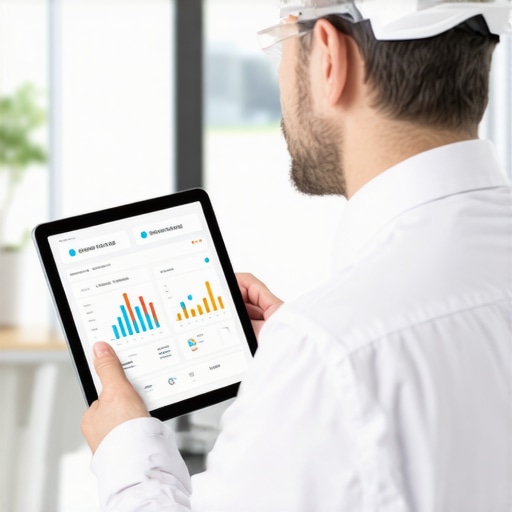
Another tool I rely on is a smart energy monitor. Devices like Sense or Emporia allow real-time tracking of load patterns, informing me of unusual spikes or drops that might indicate wiring problems or code compliance issues. These systems connect via Wi-Fi and display data through intuitive apps, making ongoing oversight straightforward. For example, I caught a circuit imbalance early when I noticed an unusual load graph and promptly adjusted my load management system accordingly, thus avoiding heat build-up.
Automating Troubleshooting with Load Management Software
Integrating dynamic load management software provides an extra layer of security. These programs analyze data from connected sensors and automatically divert loads or shut down circuits if dangerous conditions are detected. In the coming years, smart grid integration and AI-driven diagnostics are set to revolutionize our ability to maintain EV charging safety seamlessly and proactively, reducing downtime and preventing hazards.
How Do I Maintain EV Charging Safety and Efficiency Over Time?
Creatively combining these tools—thermal imaging, smart monitors, and load management—can significantly extend your system’s longevity. I recommend setting a quarterly schedule for thermal scans and monthly reviews of energy data to catch issues early. Remember, ongoing evaluation keeps compliance, safety, and peak performance in check. As regulations evolve, staying proactive with these technologies ensures your system is future-proof, aligning with the recommendations outlined in code compliance guidelines.
Try implementing a thermal imaging scan this month to identify any emerging hotspots or overheating circuits—an often overlooked but vital step in effective maintenance. With these tools in your arsenal, your home’s EV charging system will remain safe, compliant, and efficient for years to come. For additional insights, review the detailed troubleshooting tips available here.

}}`}# The image prompt: